
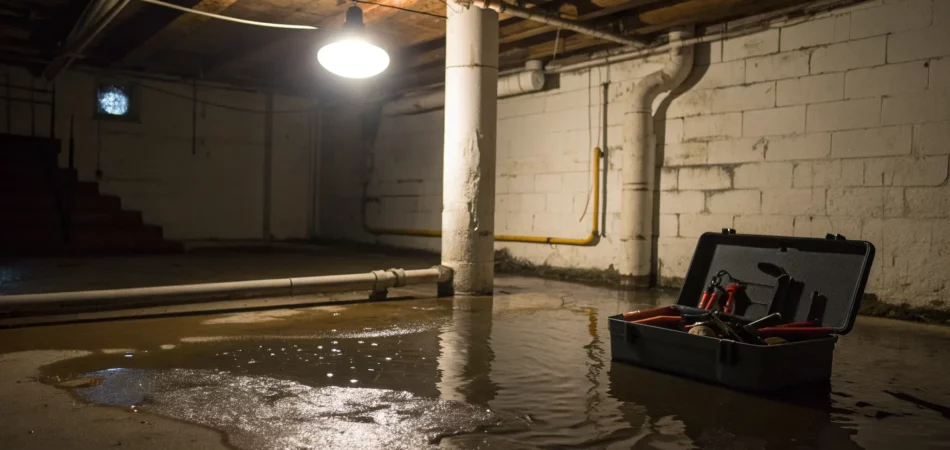
When wastewater suddenly appears in your home, the first question is often, “How did this happen?” A sewer line backup can feel like it comes out of nowhere, but it’s always caused by an underlying problem. The issue could be invasive tree roots cracking your pipes, years of grease buildup creating a stubborn clog, or even heavy Florida rains overwhelming the city’s main system. Identifying the root cause is the first step toward a lasting solution. This article breaks down the most common culprits behind a sewer backup, helping you understand what’s happening beneath your property and how to address it.
Key Takeaways
- Practice proactive pipe care: Small, consistent habits—like being mindful of what goes down your drains—and scheduling regular professional inspections are the most effective ways to prevent a catastrophic sewer backup.
- Act quickly to ensure safety: If a backup occurs, your first priorities are to stop using all water, turn off electricity to the affected rooms, and keep everyone away from the contaminated area to prevent health risks and further damage.
- Leave it to the pros and check your policy: A sewer backup requires professional equipment and expertise for safe cleanup. Separately, verify that your homeowner’s insurance includes a specific sewer backup rider, as most standard policies exclude this type of damage.
What Is a Sewer Line Backup? (And What Causes It?)
A sewer line backup is one of the most unpleasant and potentially damaging problems a property owner can face. It’s more than just a stubborn clog; it’s when wastewater flows backward from the main sewer line into your home through drains, toilets, and showers. This not only creates a mess but also poses serious health risks due to the contaminants in the raw sewage. Understanding what causes these backups is the first step in preventing them and knowing how to react when one happens.
The issue can stem from problems in your home’s private line or the city’s main sewer line. Often, it’s a combination of factors that build up over time until the system can no longer handle the flow. From invasive tree roots to aging pipes and blockages from everyday items, the causes are varied. Heavy Florida rainstorms can also overwhelm municipal systems, forcing wastewater back into homes. Identifying the root cause is critical for a lasting solution, which is why a professional assessment is so important for any sewer backup emergency.
A Quick Look at Your Home’s Sewer System
Think of your home’s plumbing as a one-way street. All the wastewater from your toilets, sinks, and showers flows through a series of pipes into a single main drain line. This line, known as the sewer lateral, carries the waste from your property to the municipal sewer line under the street. A sewer backup occurs when this street is blocked, causing a traffic jam. The wastewater has nowhere to go but back the way it came—right into your home. This isn’t just dirty water; it’s contaminated waste that can damage your property and create an unhealthy environment.
When Tree Roots Invade Your Pipes
Your home’s sewer lines are a tempting target for tree roots. They contain the water, nutrients, and oxygen that roots crave, and even a tiny crack in a pipe is an open invitation. Once inside, roots can expand and create a dense web that catches debris and solid waste, eventually causing a complete blockage. This is a particularly common issue in Florida, where lush landscaping and older homes often coexist. Even if the roots are cleared out, they will likely grow back unless the damaged section of the pipe is repaired or replaced, making professional leak detection essential to find the source of the problem.
The Problem with Old or Damaged Pipes
Many older homes in the Tampa area were built with sewer lines made from clay or cast iron. While durable for their time, these materials break down over the years. Clay pipes can become brittle and crack under pressure, while cast iron pipes can corrode and rust from the inside out. Shifting soil can also cause pipes to misalign, separate, or collapse entirely. These structural problems create blockages and allow groundwater and tree roots to enter the system, leading to recurring backups and the potential for burst pipes that require immediate attention.
Common Clogs from Everyday Items
While some causes are out of your control, many sewer backups start with what goes down the drain. Things like cooking grease, coffee grounds, paper towels, and so-called “flushable” wipes don’t dissolve easily. When you pour grease down the sink, it cools and solidifies, clinging to the inside of your pipes. Over time, it builds up and traps other debris, forming a stubborn clog that can completely block the flow of water. Being mindful of what you flush or rinse away is one of the easiest ways to protect your plumbing and prevent a messy backup.
How Heavy Rain Can Overwhelm the System
Here in Florida, we’re no strangers to heavy downpours. During a major storm, municipal sewer systems can become inundated with rainwater. If the system can’t handle the sheer volume of water, it can back up into the connected homes, forcing a mixture of stormwater and raw sewage through your drains. This is especially true if you have cracks in your sewer lateral that allow groundwater to seep in. A sudden backup after a storm is a clear sign that the system is overwhelmed, often requiring professional emergency water damage services to handle the cleanup safely.
Issues with the Main City Sewer Line
Sometimes, the problem isn’t in your pipes at all—it’s in the city’s main line. A blockage or break in the municipal sewer system can affect every property connected to that section of the line. If you notice your neighbors are also experiencing backups, it’s a strong indicator that the issue is with the city’s infrastructure. While the city is responsible for repairing its main line, you are still responsible for cleaning up and restoring your own property. In these situations, you’ll need a complete restoration team to safely remove the contamination and repair the damage.
Spot the Telltale Signs of a Sewer Backup
A sewer backup is one of those home emergencies nobody wants to think about. The mess, the smell, and the potential for serious property damage can feel overwhelming. But here’s the good news: your home’s plumbing system usually sends out distress signals long before a full-blown disaster happens. Catching the problem early can make a huge difference, saving you from more extensive repairs and protecting your family’s health. The key is knowing what to look for and listen for. If you notice any of these telltale signs, it’s a clear signal that your main sewer line is struggling and needs immediate attention. Ignoring a gurgling drain or a slow toilet won’t make the issue disappear; it often leads to a much bigger, messier, and more expensive problem. Let’s walk through the five key indicators that you might have a sewer backup on your hands.
Multiple Drains Clogging at Once
A single clogged drain is usually just an isolated issue, like hair in the shower or food scraps in the kitchen sink. But when you notice that your toilet, shower, and sinks are all draining slowly at the same time, that’s a major red flag. This isn’t a coincidence; it’s a classic sign that the blockage isn’t in an individual pipe but in your main sewer line. All the wastewater from your home has to pass through that main line, so when it gets obstructed, everything backs up. Think of it as a traffic jam on the main highway—it causes backups on all the smaller streets leading to it.
Strange Gurgling Sounds from Toilets and Drains
Have you noticed your toilet gurgling randomly or your sink drains making strange bubbling sounds? Don’t ignore them. These noises are the sound of trapped air being forced through water in your pipes. When your main sewer line is blocked, the air can’t escape properly, creating that distinct gurgle as wastewater struggles to get by. You might notice it most when you’re using another water appliance, like running the washing machine or flushing a different toilet. It’s your plumbing’s way of crying for help, signaling a blockage that’s disrupting the normal flow.
Water Backing Up in Unexpected Places
This is one of the most obvious—and alarming—signs. If you flush a toilet and see water backing up into your shower or bathtub, you have a serious problem. Because the wastewater can’t flow down the main drain, it follows the path of least resistance and comes up through the lowest drain in the house, which is often a first-floor shower or floor drain. This isn’t just water; it’s contaminated wastewater, which creates an immediate need for emergency water damage cleanup to protect your home and health.
Unpleasant Odors Coming from Your Drains
You can’t miss the smell of a sewer problem. If you’re noticing a foul odor that smells like raw sewage coming from your drains, it’s a sign that sewer gas is escaping into your home. This happens when there’s a blockage or a dried-out water seal in a floor drain, allowing gases from the sewer line to vent into your living space. Not only is the smell awful, but these gases can also contain harmful bacteria and be hazardous to your health. It’s a problem that needs to be addressed right away to keep your home’s air safe and clean.
Mysterious Wet Patches in Your Yard
Sometimes the first sign of a sewer line issue doesn’t appear inside your house at all. If you notice a soggy patch of grass in your yard that won’t go away, especially when it hasn’t been raining, take a closer look. A break or blockage in the underground sewer line running from your house to the city main can cause wastewater to leak out. You might also notice that this area of your lawn is suddenly much greener and more lush than the rest, or you may even smell sewage outdoors. This indicates a problem with the pipe itself that requires professional attention.
Your Immediate Action Plan for a Sewer Backup
A sewer backup is one of the most stressful situations a homeowner can face. It’s messy, hazardous, and can cause significant damage if not handled quickly. When you’re dealing with contaminated water flooding your home, it’s easy to feel overwhelmed, but every second counts. The steps you take in the first few minutes can make a huge difference in the extent of the damage and the safety of your family. Don’t panic—focus on taking clear, decisive action. This immediate response plan will guide you through the critical first moments, helping you control the situation and protect your property until professional help arrives. Following these steps can help contain the problem and set the stage for a faster, more effective cleanup and restoration process. Think of this as your emergency checklist to get you from the initial shock to a place of control. By acting methodically, you can prevent further water from entering your home, avoid electrical hazards, and protect your health from dangerous contaminants.
Step 1: Stop Using Water Immediately
Your first and most important move is to cut off all water use in your home. That means no flushing toilets, running faucets, showering, or using the dishwasher or washing machine. Any water you send down your drains will have nowhere to go and will only add to the overflow, pushing more contaminated water back into your living space. This simple action is the most effective way to contain the problem and prevent it from getting worse while you prepare for the next steps. Alert everyone in the house to stop using water immediately.
Step 2: Shut Off Power to Affected Areas
Water and electricity are a dangerous combination. For your safety, you need to turn off the power to any affected areas of your home. Go to your main electrical panel and switch off the breakers for the rooms where water is present. If water is near outlets or you’re unsure which breakers to flip, play it safe and shut off the main power to the entire house. This is a critical safety measure that protects you from the risk of electrical shock. Don’t hesitate to call a licensed electrician if you have any concerns about your home’s wiring or feel unsafe handling the breaker box yourself.
Step 3: Gear Up for Safety
Sewer water is highly unsanitary and can contain harmful bacteria, viruses, and other pathogens. If you must enter the flooded area, you need to wear the right protective gear. This includes waterproof boots, heavy-duty gloves, eye protection, and an N95-rated mask to prevent inhaling airborne contaminants. This isn’t just dirty water; it’s a hazardous material. Taking these precautions is essential for protecting your health while you wait for a professional team to handle the environmental cleanup. Keep children and pets far away from the affected area to ensure their safety as well.
Step 4: Document Everything for Insurance
Before you move anything or start any cleanup, take a moment to document the damage for your insurance claim. Use your phone to take plenty of photos and videos of the affected rooms, damaged belongings, and the high-water mark on the walls. Capturing this evidence from various angles will create a clear record of the initial damage. This documentation is vital for a smooth claims process and helps ensure you receive the proper compensation for the necessary repairs and restoration work. Be as thorough as possible; you can’t have too much evidence.
Step 5: Call for Emergency Help
A sewer backup is a serious issue that requires professional expertise. This is not a situation for a DIY fix. Once you’ve secured the area and documented the damage, your next call should be to a certified restoration company. A professional team has the right equipment and training to safely remove the contaminated water, sanitize the area, and address the underlying cause. Our team at Drywizard provides 24/7 emergency plumbing services because a rapid response is key to minimizing damage and restoring your home safely. An expert can identify the source of the blockage and ensure it’s resolved correctly.
The Hidden Dangers: Health Risks of Sewer Water
A sewer backup isn’t just a messy inconvenience; it’s a serious health hazard. The water that comes up from your pipes, often called “black water,” is teeming with contaminants that can make you and your family sick. It’s far more dangerous than a simple sink overflow because it carries waste from various sources. Understanding these risks is the first step in protecting your household during what is already a stressful situation.
The key is to treat any contact with sewer water as a potential threat. From bacteria and viruses to parasites and fungi, the list of harmful microorganisms is long. These pathogens can become airborne as the water evaporates or get absorbed into porous materials like drywall, carpet, and furniture, creating a lingering danger long after the water is gone. That’s why a fast, professional response is not just about cleanup—it’s about health and safety.
Understanding Contamination Risks
Sewer water is a toxic soup of contaminants. It can contain dangerous bacteria like E. coli and Salmonella, viruses such as Hepatitis A, and various parasites that can cause severe gastrointestinal illnesses. Exposure doesn’t have to mean direct contact. These pathogens can aerosolize, meaning they can travel through the air, leading to respiratory problems or skin infections if they settle on surfaces.
Think of everything that goes down the drains in your neighborhood—that’s what you’re dealing with. This contaminated water can quickly saturate building materials, creating a perfect breeding ground for mold and mildew, which adds another layer of health risks. A proper sewer backup cleanup isn’t just about removing water; it’s about decontaminating your home to make it safe again.
How to Keep Your Family Safe
Your family’s safety is the number one priority. The most important step you can take is to call for professional help immediately and keep everyone, including pets, away from the affected area. If you absolutely must enter the space before help arrives, you need to protect yourself. Wear waterproof rubber boots, gloves, eye protection, and at least an N95 mask to minimize your exposure.
Never use your home’s plumbing, as this can make the backup worse. Avoid touching contaminated items with your bare hands. Remember, many of the most dangerous contaminants are invisible to the naked eye. A professional team has the right personal protective equipment (PPE) and specialized tools to handle the situation safely, which is why calling for emergency water damage services is your safest bet.
Knowing When It’s Time to Evacuate
In some cases, staying in your home during a sewer backup is not an option. If the contamination is widespread and has reached living areas like bedrooms or the kitchen, it’s time to leave. A strong, pervasive sewage odor is another clear sign that the indoor air quality is compromised and potentially hazardous to breathe.
Also, look out for signs of mold growth, which can appear quickly in damp conditions, or any damage to your electrical system. If water has reached outlets or electrical appliances, the risk of electrocution is very real. In any of these situations, it’s best to evacuate your home and wait for a professional environmental cleanup crew to assess the damage and declare the space safe. Your property can be repaired, but your health is irreplaceable.
How to Prevent a Future Sewer Backup
Dealing with a sewer backup is something no one wants to go through twice. The good news is that you can take proactive steps to significantly lower the chances of it happening again. A little prevention goes a long way in protecting your home, your wallet, and your peace of mind. By adopting a few key habits and making some smart home improvements, you can keep your plumbing system flowing smoothly. Let’s walk through the most effective strategies to keep your home safe from future backups.
Schedule Regular Pipe Inspections and Cleanings
Think of this as a regular health check-up for your home’s plumbing. Preventative maintenance is your best defense against surprise sewer issues. Having a professional inspect your pipes annually can catch small problems, like minor clogs or early root intrusion, before they turn into a full-blown emergency. During an inspection, a plumber can use a special camera to see exactly what’s happening inside your sewer line. This allows them to spot cracks, blockages, or other issues that need attention. Regular professional cleanings can clear out any buildup and keep things moving as they should, preventing the need for emergency plumbing calls.
Install a Backwater Prevention Valve
A backwater prevention valve is like a security guard for your home’s sewer line. This simple device is installed on your main sewer line and acts as a one-way gate. It allows wastewater to flow out of your home but automatically closes if the city sewer system starts to back up, preventing sewage from flowing back into your drains. Adding a backwater valve is a fantastic way to avoid significant water damage from municipal sewer line backups, especially if you live in an area prone to heavy rainfall. A licensed plumber can help you choose and install the right valve for your property.
Be Mindful of What Goes Down the Drain
What goes down your drains has a huge impact on the health of your sewer lines. It’s crucial to treat your toilets and sinks with care. The only things that should ever be flushed are human waste and toilet paper. Things like paper towels, “flushable” wipes, cotton swabs, and feminine hygiene products don’t break down properly and are major causes of clogs. In the kitchen, never pour grease, fats, or oils down the sink. They solidify in the pipes, creating stubborn blockages that trap other debris. Adopting these good waste habits is a simple, no-cost way to prevent future sewer backups.
Maintain Your Sump Pump
If your home has a basement or crawl space, your sump pump is a critical line of defense against water damage. But it can only do its job if it’s working correctly. You should regularly check and clean your sump pump to ensure it’s ready for action. A few times a year, pour a bucket of water into the sump pit to make sure the pump turns on, removes the water, and shuts off properly. Keep the pit clear of dirt and debris that could clog the pump. If you notice any issues or your system is getting old, looking into a professional sump pump replacement can save you from a flooded basement down the road.
Manage Trees and Landscaping
Trees can add a lot of beauty to your property, but their roots can be a hidden menace to your sewer lines. Tree roots are naturally drawn to the moisture and nutrients inside your pipes and can force their way through tiny cracks, causing blockages and even crushing the pipes over time. To avoid this, know where your sewer line runs on your property and avoid planting large trees or shrubs nearby. If you’re planning new landscaping, opt for plants with less aggressive root systems. If you already have large trees, a professional can inspect your lines for root intrusion and recommend solutions, like installing a root barrier to prevent burst pipes.
Sewer Backup Myths You Shouldn’t Believe
When it comes to your home’s plumbing, what you don’t know can definitely hurt you. Misconceptions about sewer lines are common, and believing them can lead to slow drains, surprise backups, and costly damage. Let’s clear the air and debunk a few of the most persistent myths so you can protect your property with the right information. Understanding the truth behind these common beliefs is the first step toward preventing a messy and stressful situation. When you know what you’re up against, you can make smarter decisions for your home’s maintenance and know exactly when to call for help.
Myth: A Plunger Can Fix Everything
We all reach for the plunger for a simple clog, and often, it does the trick. But a sewer line backup is a completely different problem. A plunger uses pressure to dislodge a blockage in a single drain line, like a toilet or sink. A main sewer line clog, however, affects multiple drains and is usually located far down the pipe. Trying to force it with a plunger is not only ineffective but can also make things worse. As experts note, you could even damage your pipes if you’re not careful. If you have multiple slow drains or water backing up in odd places, put the plunger down and call for professional help with sewer backups.
Myth: If It Ain’t Broke, Don’t Fix It
This hands-off approach might work for some things in life, but your sewer system isn’t one of them. Waiting for a problem to appear means you’ll be dealing with a messy, expensive emergency instead of simple, preventative maintenance. Out of sight shouldn’t mean out of mind. Tree roots can be growing into your pipes for years before you notice a single symptom. Proactive care is always the better option. Having a professional perform regular inspections can catch small issues, like minor cracks or early root intrusion, before they become a full-blown catastrophe. This simple step can save you thousands of dollars and a major headache down the road.
Myth: Modern Pipes Are Root-Proof
While modern PVC pipes are more resistant to root intrusion than the old clay pipes found in many historic Tampa homes, they are not invincible. Tree roots are incredibly powerful and persistent; they seek out water sources and can exploit the tiniest crack or a poorly sealed joint in any pipe. Over time, these tiny roots can grow, expand the opening, and create a dense mat that completely blocks the line. As some homeowners have learned, even with newer pipes, you can still have recurrent sewage backup problems if there are trees nearby. Never assume your pipes are safe from roots, regardless of their age or material.
Will Your Insurance Cover Sewer Backup Damage?
After the initial shock of a sewer backup, your thoughts will likely turn to the cleanup and the cost. It’s a stressful situation, and the last thing you need is a financial surprise. Unfortunately, insurance coverage for this specific type of damage isn’t always straightforward. Many homeowners assume their standard policy has them covered, but that’s rarely the case. Understanding your policy before a disaster strikes is key to protecting your property and your finances. Let’s walk through what you need to know about insurance and how to handle a claim if you find yourself dealing with a backup.
What Your Standard Policy Likely Won’t Cover
The hard truth is that most standard homeowner’s insurance policies do not cover damage from sewer backups. These policies are typically designed to cover events like fire, theft, or certain types of water damage, like a pipe bursting inside your home. However, they often have specific exclusions for water that backs up through sewers or drains. This is especially true if the problem originates from the main municipal sewer line. Finding this out in the middle of an emergency can be devastating, which is why it’s so important to be proactive about your coverage.
Why You Need a Sewer Backup Endorsement
To get coverage for sewer backups, you typically need to add a special extension, often called an “endorsement” or “rider,” to your existing policy. Think of it as an add-on that provides specific protection for this exact scenario. This endorsement covers the cost of repairing water damage to your home’s structure and replacing personal belongings. The cost is usually quite reasonable, especially when you consider the high price of a full-scale cleanup and restoration. The best thing you can do is call your insurance agent today and ask if you have sewer backup coverage and, if not, what it would take to add it.
Tips for Filing a Successful Claim
If you have the right coverage and need to file a claim, acting quickly and methodically will make the process much smoother. First, notify your insurance company as soon as it’s safe to do so. Next, document everything. Before you move or clean anything, take plenty of photos and videos of the affected areas and damaged items. While you wait for help, take safe steps to prevent further damage, like moving unaffected items to a dry area. Finally, keep detailed records of every conversation and save all receipts for any professional sewer backup cleanup and repair services you use.
When Is It Time to Call a Professional?
While the DIY spirit is admirable for many home projects, a sewer backup is not one of them. This is a job that requires immediate, expert attention. The water involved is highly contaminated, posing serious health risks, and the underlying cause is often far more complex than a simple clog. Trying to handle it yourself can expose your family to harmful bacteria and lead to even more extensive property damage. Recognizing when to step back and call for help is the most important step you can take to protect your home and your health. A professional team has the right gear, training, and experience to safely and effectively manage the entire situation from cleanup to restoration.
Signs the Job Is Too Big to DIY
If you notice more than one drain is slow or clogged at the same time—like a toilet, shower, and sink all acting up—that’s a major red flag. This usually points to a blockage in your main sewer line, not an isolated pipe. Listen for gurgling sounds from your drains or toilet, especially after flushing or running water. Another clear sign is water backing up in unusual places, such as your shower drain when the washing machine runs. These symptoms indicate a system-wide problem that a plunger or store-bought drain cleaner simply can’t fix. This isn’t just a plumbing issue; it’s a hazardous material situation that requires professional handling of sewer backups.
The Critical Need for a Fast Response
When a sewer line backs up, time is not on your side. The longer contaminated water sits in your home, the more it soaks into drywall, flooring, and structural materials, leading to costly secondary damage like mold. Your absolute first move should be to stop using all water in the house. Don’t flush toilets, run faucets, or start the dishwasher. The next call should be to an emergency plumbing and restoration service. A rapid response team can be on-site quickly to assess the situation, stop the source of the problem, and begin the extraction process, significantly reducing the overall damage and health risks to your family.
Why Professional Equipment and Expertise Matter
Figuring out the real reason for a sewer backup is key to preventing it from happening again. A professional won’t just snake the drain; they’ll use specialized equipment like sewer cameras to inspect the pipes and pinpoint the exact cause, whether it’s tree roots, a collapsed pipe, or a major blockage. Furthermore, the cleanup process is intensive. Professionals use commercial-grade water extractors, air movers, and dehumidifiers to thoroughly dry the affected areas. They follow strict IICRC protocols for cleaning, sanitizing, and deodorizing to ensure your home is safe and free of dangerous contaminants, providing a complete restoration of the affected space.
What to Expect from a Professional Cleanup
When you’re dealing with a sewer backup, calling in a professional team is the safest and most effective way to handle the mess. It’s more than just a cleanup; it’s a multi-step restoration process designed to make your home safe and livable again. A certified team doesn’t just remove the water—they follow a meticulous plan to assess, clean, and restore your property, ensuring no hidden dangers are left behind. Knowing what to expect can help reduce the stress of the situation, so let’s walk through the process step by step.
The Initial Assessment and Safety Plan
The first thing a professional crew will do upon arrival is a thorough assessment. They’ll identify the source of the backup and determine the extent of the contamination. This isn’t just dirty water; raw sewage is considered “black water” and contains dangerous pathogens like E. coli, Salmonella, and parasites that can pose serious health risks. To keep everyone safe, the team will establish a containment zone to prevent cross-contamination to other areas of your home. They will also be wearing personal protective equipment (PPE) and will create a detailed safety and action plan before any cleanup work begins for sewer backups.
Extracting Contaminated Water and Drying
Once the area is secure, the team gets to work on removing the mess. They use powerful, truck-mounted pumps and vacuums to extract all standing water and solid waste quickly and efficiently. Speed is critical here, as it helps minimize water absorption into your walls and floors, reducing the chance of secondary damage like mold growth. After the bulk of the water is gone, they’ll bring in specialized drying equipment, including industrial-strength air movers and dehumidifiers. This equipment removes any lingering moisture from the structure and air, which is a crucial part of any emergency water damage response.
Sanitizing, Deodorizing, and Decontaminating
Simply drying the affected area isn’t enough. Every surface that came into contact with the sewage must be thoroughly cleaned, sanitized, and disinfected to eliminate harmful bacteria and prevent illness. Professionals use EPA-registered, hospital-grade disinfectants to treat all affected surfaces. Porous materials that cannot be safely sanitized, like carpet, padding, and drywall, will be removed and disposed of properly. The team will also use professional-grade deodorizers to eliminate foul odors at their source, rather than just covering them up. This comprehensive environmental cleanup ensures your home is truly clean and safe.
Restoring Your Home to Pre-Damage Condition
The final step is bringing your home back to the way it was before the backup occurred. This phase can vary depending on the extent of the damage. It might involve minor repairs, like replacing a section of drywall, or it could require more significant reconstruction, such as installing new flooring, cabinetry, and baseboards. A full-service restoration company can handle this entire process, managing the repairs and ensuring the work is done to a high standard. The goal of a complete restoration is to make it seem as though the damage never even happened, allowing you to move forward with peace of mind.
Related Articles
- Sewer Backups in Tampa, FL – Sewage Cleaners
- Why Should a Restoration Service Perform Sewage Cleanup?
Frequently Asked Questions
How can I tell if the sewer backup is my problem or the city’s responsibility? A good rule of thumb is to check with your immediate neighbors. If they are experiencing similar issues, the blockage is likely in the city’s main sewer line. If the problem is isolated to just your property, the issue is almost certainly in the sewer lateral that connects your home to the main line, which is your responsibility to maintain. Keep in mind, even if the city is at fault for the main line blockage, you are still responsible for the cleanup and restoration inside your own home.
Why can’t I just pour a chemical drain cleaner down the drain to fix it? Chemical drain cleaners are designed for minor clogs in a single drain, like hair in a shower or grease in a kitchen sink. They are simply not powerful enough to clear a major blockage in your main sewer line caused by things like tree roots or a collapsed pipe. More importantly, these harsh chemicals can damage your plumbing and create a hazardous situation when they mix with raw sewage, posing a risk to anyone who has to work on the line later.
Is it safe to stay in my house after a sewer backup? It’s best to err on the side of caution and assume it is not safe. Sewer water, also known as black water, contains dangerous bacteria, viruses, and other pathogens that can make you sick. At a minimum, you should keep children and pets far away from the affected area. If the contamination is widespread, has reached your living spaces, or the odor is strong, you should find another place to stay until a professional team has thoroughly cleaned, sanitized, and dried the property.
What’s the real difference between a simple clog and a main sewer line backup? A simple clog is an isolated issue. For example, your kitchen sink might drain slowly, but your toilets and showers work just fine. A main sewer line backup is a system-wide problem. Because the main line is blocked, wastewater from your entire home has nowhere to go. You’ll notice multiple drains are clogged at once, hear gurgling sounds from your pipes, and may even see water backing up into your bathtub when you flush a toilet.
How long does a professional sewer backup cleanup usually take? The timeline really depends on the extent of the damage. The initial emergency service, which includes extracting the water and removing contaminated materials like carpet and drywall, might take a day or two. The most critical phase is the drying process, which can take several additional days using specialized equipment. After that, the final restoration and repairs can begin. A professional restoration company can give you a more accurate timeline after they’ve assessed the situation in person.