
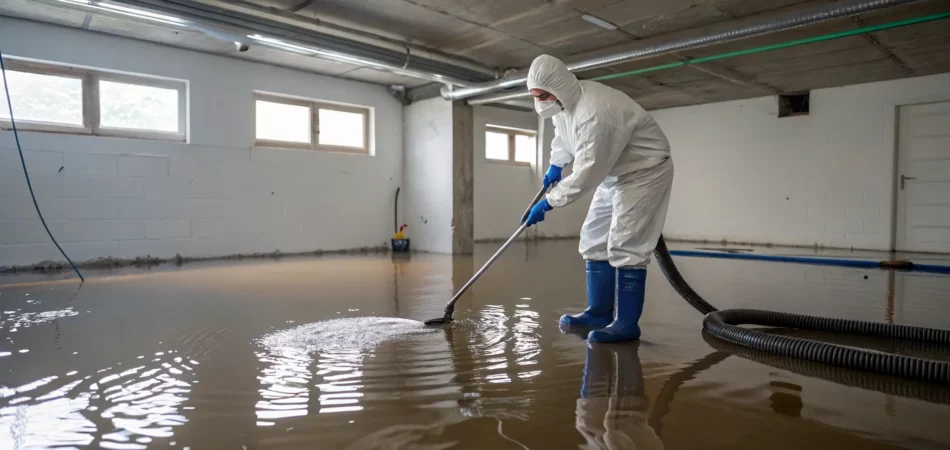
The most important thing to understand about a sewage backup is that it’s a health emergency first and a property disaster second. The water from a sewer line isn’t just dirty; it’s a toxic substance that can make your family or employees incredibly sick. Attempting to handle the cleanup yourself without proper training and personal protective equipment (PPE) exposes you to harmful contaminants like E. coli and salmonella. Professional sewage cleanup services are essential because they are trained to manage these hazardous materials safely. They use specialized equipment and EPA-approved disinfectants to ensure your space is not just visibly clean but hygienically safe, eliminating pathogens and preventing long-term issues like mold growth.
Key Takeaways
- Prioritize Safety by Calling a Professional: Sewage contains hazardous waste that poses serious health risks. Avoid any direct contact and call a certified restoration company immediately to ensure the contamination is handled safely and correctly.
- Prevent Long-Term Damage with a Thorough Process: A true cleanup involves more than just removing water. Professionals use a multi-step process including sanitization and structural drying to stop future problems like mold growth and wood rot.
- Confirm Credentials and Coverage Before Work Begins: Protect your property and finances by choosing a company that is IICRC certified, licensed, and insured. Also, review your homeowner’s policy for a specific sewer backup rider, as standard plans often don’t cover this type of damage.
What Do Sewage Cleanup Services Actually Do?
When you’re facing a sewage backup, it’s easy to feel overwhelmed. The mess and the smell are just the beginning; the real danger lies in the contaminants you can’t see. Professional sewage cleanup is much more than just a surface-level clean. It’s a detailed, multi-step process designed to safely remove hazardous waste, sanitize your property, and restore it to a safe, livable condition. This isn’t a DIY job. Sewage water, also known as black water, is teeming with harmful bacteria, viruses, and pathogens that can cause serious illness if not handled correctly.
A professional team handles every stage of the disaster, from the initial safety assessment to the final repairs. They use specialized equipment and follow strict industry protocols to protect both you and your property. The goal isn’t just to make the area look clean, but to ensure it is structurally sound and hygienically safe for your family or employees. Understanding what these services involve can help you know what to expect when you make that critical call for help with sewer backups. The process generally follows four key phases: a thorough assessment and plan, the removal of contaminated materials, deep sanitization, and finally, full restoration.
Assessing the Damage and Creating a Plan
The first thing a professional cleanup crew does upon arrival is a thorough assessment of the situation. Before any work begins, they put on personal protective equipment (PPE) to safely inspect the affected area. They’ll identify the source of the sewage backup, determine the extent of the contamination, and classify the type of water damage. This initial inspection helps them create a detailed action plan tailored to your specific situation. This plan outlines the necessary steps for extraction, decontamination, and restoration, ensuring an efficient and effective cleanup from start to finish.
Removing Contaminated Water and Materials
Once a plan is in place, the team gets to work removing the sewage and contaminated water. Using powerful, truck-mounted extraction equipment, they remove all the standing black water from your property. Unlike a simple water leak, sewage saturates everything it touches with hazardous waste. Because of this, any porous materials that have absorbed sewage, such as carpet, padding, drywall, insulation, and upholstered furniture, are considered unsalvageable. These items are carefully removed and disposed of according to local regulations to prevent cross-contamination and lingering health risks. This step is a critical part of any water damage restoration involving contaminants.
Sanitizing and Decontaminating Your Space
With the water and damaged materials gone, the deep cleaning begins. This is where professional expertise really shines. The crew uses EPA-approved, hospital-grade disinfectants to thoroughly clean all remaining surfaces, including walls, floors, and structural elements. This process kills harmful bacteria, viruses, and mold spores. They also use special equipment to deodorize the area, eliminating the foul odors that sewage backups leave behind. This intensive sanitization is essential for a safe environmental cleanup and ensures your property is truly free of hazardous pathogens.
Restoring and Repairing Your Property
The final step is bringing your property back to its pre-damage condition. After the area has been thoroughly cleaned, sanitized, and dried, the restoration work can start. This may involve minor repairs, like replacing a section of drywall, or more extensive work, such as installing new flooring, cabinetry, and baseboards. A company that offers complete restoration services can manage this entire process for you, coordinating all the necessary repairs. The ultimate goal is to make it seem like the damage never happened, leaving you with a safe, clean, and fully restored space.
Why You Should Always Hire a Professional for Sewage Cleanup
When you’re dealing with a sewage backup, your first instinct might be to grab a mop and bucket to handle it yourself. I get it, you want the problem gone as quickly as possible. But when it comes to raw sewage, a DIY approach is not only ineffective, it’s incredibly dangerous. This is one of those household emergencies where calling in a certified professional isn’t just a good idea, it’s essential for the health of your family and the structural integrity of your home.
Professionals do more than just remove the visible mess. They have the training, equipment, and protective gear to handle hazardous materials safely, completely sanitize the area, and prevent long-term problems like mold and structural rot. Trying to manage a sewer backup on your own can expose you to serious health risks and often leads to bigger, more expensive problems down the road. Let’s walk through exactly why leaving this job to the experts is the only safe choice.
Protect Your Health from Serious Risks
The most critical reason to avoid DIY sewage cleanup is your health. Sewage isn’t just dirty water; it’s a toxic mix of contaminants, including dangerous bacteria like E. coli and salmonella, viruses, parasites, and other pathogens. Direct contact with this contaminated water or even inhaling the airborne microbes can lead to severe gastrointestinal illnesses and other health issues. Professionals are equipped with the necessary personal protective equipment (PPE), like respirators, gloves, and hazmat suits, to protect themselves while they work. They follow strict protocols to contain the area and prevent cross-contamination, keeping you and your family safe from exposure.
Access to Specialized Equipment and Safety Gear
Your household cleaning supplies are no match for the level of decontamination required after a sewage spill. Professional restoration crews use specialized, industrial-grade equipment that you simply can’t find at a local store. This includes powerful water extraction units to remove sewage quickly, commercial-grade air scrubbers to purify the air, and high-velocity fans to dry the structure thoroughly. They also use EPA-approved disinfectants and sanitizers that are proven to kill harmful microorganisms. This professional-level environmental cleanup ensures that your property is not just visibly clean but hygienically safe.
Help Navigating Insurance and Liability
Dealing with a sewage backup is stressful enough without having to figure out your insurance policy. Many homeowners are surprised to learn that standard policies often don’t cover damage from sewer backups unless you have a specific rider. A professional restoration company can be a huge help here. They know exactly what documentation insurance companies need, from detailed photos and moisture readings to a complete inventory of the damage. They can communicate directly with your insurance adjuster, providing the necessary evidence to support your claim and making the entire process smoother and less overwhelming for you.
Prevent Mold and Long-Term Structural Damage
One of the biggest risks after any water-related incident is mold. It only takes 24 to 48 hours for mold to start growing in damp conditions, and the organic matter in sewage creates the perfect breeding ground. Beyond mold, sewage water can seep into porous materials like drywall, wood framing, and subflooring, causing them to warp, swell, and rot over time. This can lead to serious structural damage. A professional water damage restoration team will ensure the affected area is dried completely using moisture meters and thermal imaging cameras, stopping mold and structural issues before they can start.
How to Choose the Right Sewage Cleanup Company
When you’re dealing with a sewage backup, the last thing you want is the added stress of finding a reliable cleanup crew. But choosing the right company is one of the most important decisions you’ll make. The team you hire will be responsible for the health and safety of your home or business, so it’s worth taking a moment to ensure you’re bringing in true professionals. A little due diligence now can save you from much bigger problems down the road, like lingering health hazards or incomplete repairs. To make it easier, here are the key things to look for when selecting a sewage cleanup company.
Look for IICRC Certification and Proper Training
First things first, check for certifications. The gold standard in the restoration industry is the Institute of Inspection, Cleaning and Restoration Certification (IICRC). This certification means the technicians have been properly trained to handle hazardous situations like sewer backups safely and effectively. Certified professionals know how to use personal protective equipment (PPE) and follow strict, industry-approved protocols for sanitizing your space. This isn’t just about cleaning up a mess; it’s about ensuring your property is decontaminated and safe for you and your family. A company that invests in IICRC certification is investing in doing the job right.
Confirm They Offer 24/7 Emergency Response
A sewage emergency doesn’t wait for business hours, and your cleanup company shouldn’t either. Time is critical. The longer contaminated water sits, the more it soaks into your floors, walls, and furniture, leading to more extensive damage and a higher risk of mold growth. You need a company that offers a true 24/7 emergency response and can get to your property fast. Look for a team that guarantees a quick arrival time, because a rapid response can make a huge difference in minimizing the overall damage and cost of repairs.
Verify Their License and Insurance Coverage
This step is non-negotiable. A reputable sewage cleanup company must be fully licensed and insured. A license ensures they meet local and state regulations for safety and professional conduct. More importantly, proper insurance coverage protects you. General liability insurance covers any accidental damage to your property during the cleanup process, while worker’s compensation insurance prevents you from being held liable if a technician is injured on your property. Don’t hesitate to ask for proof of both before any work begins. Any professional company will be happy to provide this documentation for your peace of mind.
Read Recent Customer Reviews and Check Their BBB Rating
Before you make a final decision, see what past customers have to say. Look up recent reviews on sites like Google and check their rating with the Better Business Bureau (BBB). While one or two negative comments might not be a dealbreaker, a pattern of poor service, hidden fees, or unresolved issues is a major red flag. A company with a long history of positive feedback and a high BBB rating, like an A+, demonstrates a consistent commitment to customer satisfaction. This shows they not only do great work but also stand behind it.
What to Expect from the Sewage Cleanup Process
When you’re dealing with a sewage backup, knowing what comes next can bring a little peace of mind. A professional cleanup isn’t just about removing the water; it’s a meticulous, multi-step process designed to make your property safe, clean, and whole again. Unlike a simple water leak, sewage contains dangerous contaminants, so the cleanup requires specialized training, equipment, and a strict adherence to safety protocols.
From the moment a certified team arrives, their focus is on containing the problem, thoroughly sanitizing your space, and restoring it to its pre-damage condition. Each step is handled with care to protect your health and prevent long-term issues like mold or structural damage. Let’s walk through what a professional sewage cleanup looks like from start to finish, so you can feel confident that your home or business is in capable hands.
Step 1: Initial Safety Assessment and Containment
The first thing our team does upon arrival is ensure the area is safe. Before any cleanup begins, our experts will put on personal protective equipment (PPE), including gloves, boots, and respirators, to protect themselves from harmful bacteria and viruses. We’ll conduct a thorough assessment to identify the source of the backup and determine the extent of the contamination. The next critical action is to contain the affected area, using barriers and negative air pressure to stop contaminants from spreading to other parts of your property. This step is all about establishing a secure work zone and protecting you and your family.
Step 2: Water Extraction and Damaged Material Removal
Once the area is secure, we begin the physical cleanup. This starts with extracting all the sewage water and solid waste using powerful, truck-mounted pumps and vacuums. Because sewage can permanently contaminate porous materials, this step goes far beyond standard water damage restoration. We will carefully remove and safely dispose of any items that have absorbed sewage and can’t be salvaged, such as carpet, padding, drywall, and insulation. This ensures that no hidden contaminants are left behind to cause future problems.
Step 3: Professional Cleaning and Disinfection
With the bulk of the water and contaminated materials gone, we move on to deep cleaning and sanitizing. This is one of the most important parts of the process. We use EPA-approved, hospital-grade disinfectants to clean all remaining surfaces, including walls, floors, and structural elements. This thorough environmental cleanup eliminates dangerous pathogens and ensures your space is safe for occupancy. We also use professional deodorizers to neutralize any lingering odors, leaving your property smelling fresh and clean.
Step 4: Drying, Monitoring, and Final Restoration
The final stage is to completely dry the affected area. Even after all the water is gone, moisture can remain trapped in building materials, creating a perfect environment for mold growth. We set up industrial-grade air movers and dehumidifiers to accelerate the drying process and carefully monitor moisture levels until they return to normal. Once everything is verifiably dry, we can begin the complete restoration work. This may include replacing drywall, installing new flooring, painting, and making any other necessary repairs to bring your property back to its original condition.
What Factors Influence the Cost of Sewage Cleanup?
When you’re dealing with a sewage backup, one of the first questions you’ll have is, “How much will this cost?” The truth is, there’s no single price tag for sewage cleanup. The final cost depends on the specific circumstances of your situation. Think of it less like buying a product off the shelf and more like a custom service tailored to the unique damage in your home or business.
Several key factors come into play, from the type of water you’re dealing with to the extent of the damage. A professional restoration company will assess these variables to give you an accurate estimate. Understanding what influences the price can help you know what to expect when you get a quote. It also highlights why a thorough, professional approach is so important for handling sewer backups safely and effectively, ensuring your property is clean, safe, and fully restored.
The Type of Sewage Contamination
Not all water damage is the same, and with sewage, you’re dealing with the most hazardous category: blackwater. Blackwater contains dangerous contaminants, bacteria, and pathogens that pose serious health risks. Because of this, the cleanup process is far more intensive than it would be for a clean water leak from a supply line. The required safety protocols, specialized equipment, and disposal methods for contaminated materials all contribute to the cost. Proper environmental cleanup is non-negotiable to ensure your home is safe for you and your family after the job is done.
The Size of the Affected Area
It makes sense that the larger the contaminated area, the more the cleanup will cost. The price is directly influenced by the square footage that needs to be addressed. This includes not just the flooring but also how far the sewage has wicked up the walls or seeped into the subfloor. Porous materials like drywall, carpet, and insulation often absorb contaminants and usually need to be removed and replaced. A larger area means more labor, more materials to be disposed of, and more time to complete the water damage restoration process correctly.
Any Additional Restoration Services Needed
Sewage cleanup is often just the first step. After the contaminated water and materials are removed, your property will likely need significant repairs. Beyond the immediate cleanup work, your costs increase based on how much structural damage occurred and which materials require replacement. This can include replacing drywall, installing new flooring, repairing subfloors, or even addressing damage to your home’s structural components. A full-service company can handle the entire project, from initial cleanup to complete restoration, making your space look like the damage never even happened.
Your Property’s Location and Accessibility
How easy it is for technicians to access the damaged area can also affect the final bill. A sewage backup in an open, easily accessible basement is more straightforward to handle than one in a tight crawlspace or on an upper floor of a commercial building. Properties requiring special equipment, like lifts to reach higher levels or specialized pumps for confined spaces, may face additional costs. These logistical challenges require more time and resources, which is factored into the overall estimate for the commercial restoration or residential cleanup project.
Will Your Insurance Cover Sewage Cleanup?
Dealing with a sewage backup is stressful enough without worrying about how you’ll cover the cost. The first question on most people’s minds is, “Will my insurance pay for this?” The answer, unfortunately, isn’t a simple yes or no. Coverage depends entirely on your specific homeowner’s policy and any extra protections you’ve added.
Most standard insurance policies have specific exclusions, and water damage from sewer lines is often one of them. Understanding what your policy covers before you have an emergency is key. Let’s break down what you need to know about insurance and how to handle the claims process if you’re facing a messy cleanup.
Understanding Your Homeowner’s Policy Limits
Many homeowners are surprised to learn that their standard policy doesn’t automatically cover damage from a sewage backup. In fact, most basic plans specifically exclude it. This type of damage is typically only covered if you have a special add-on, often called a “rider” or an “endorsement,” for sewer and drain backups.
The best way to know for sure is to review your policy documents or call your insurance agent directly. Ask them to clarify if you have coverage for “water backup and sump pump overflow.” If you don’t, any cleanup or restoration costs will be your responsibility. Finding this out now can help you make an informed decision about adding this crucial protection.
The Importance of Sewage Backup Coverage
Adding a sewer backup rider to your policy is a small investment that provides significant peace of mind. This extra coverage is surprisingly affordable, often costing between $50 and $250 per year, and can provide between $5,000 and $25,000 in coverage. When you consider that a professional cleanup for sewer backups can easily cost thousands of dollars, the value is clear.
Without this specific coverage, you are left paying for everything out of pocket. This includes water extraction, removing contaminated materials like drywall and flooring, sanitizing the area, and making all the necessary repairs. A small annual fee can protect you from a major financial hit down the road.
How to Navigate the Insurance Claims Process
If you have the right coverage and need to file a claim, acting quickly and correctly can make all the difference. First, call a 24/7 emergency restoration company. Our team can get to your property immediately to assess the situation and begin mitigating the damage, which insurance companies require.
While you wait for help to arrive, document everything by taking photos and videos of the affected areas. Once our team is on-site, you can notify your insurance agent and start the claims process. We have extensive experience working directly with insurance providers, and we can supply all the necessary documentation and estimates to help ensure your claim is processed smoothly and fairly. You can contact us anytime for support.
When Is It Time to Call for Emergency Sewage Cleanup?
Knowing when to make the call for professional help can feel overwhelming, especially when you’re dealing with a potential plumbing disaster. The short answer is: you should call the moment you suspect a problem. Sewage backups aren’t just messy; they pose serious health risks and can cause extensive, long-term damage to your property if not handled correctly and immediately. Waiting can turn a manageable issue into a major restoration project. A professional team can assess the situation quickly, contain the contamination, and start the cleanup process to protect both your property and your health.
Immediately, If You Suspect a Backup
If you think you have a sewage backup, don’t hesitate. It’s crucial to address it right away because raw sewage contains harmful bacteria, viruses, and other germs that can make people sick. This isn’t just dirty water; it’s considered contaminated “black water” that can damage your home and create an unsafe environment. The longer it sits, the more it soaks into floors, walls, and furniture, leading to structural issues and mold growth. Calling a professional team immediately ensures the safe removal of hazardous waste and prevents the problem from getting worse. A rapid response for sewer backups is the best way to keep your family safe and minimize property damage.
Key Signs of Sewage Contamination to Look For
Sometimes a backup is obvious, but other times the signs are more subtle. The most apparent red flag is a strong, foul odor similar to rotten eggs or sulfur. You might also notice multiple drains in your home are slow or clogged at the same time, or hear gurgling sounds coming from your pipes. Another clear indicator is water backing up into your shower or tub when you flush a toilet. These issues often point to a blockage in your main sewer line caused by things like tree roots, old pipes, or even heavy rainfall overwhelming the municipal system. If you notice any of these signs, it’s time to call for an emergency water damage assessment.
Handling Emergencies in Homes vs. Businesses
While any sewage backup is an emergency, the approach can differ slightly between a home and a business. For homeowners, the primary concern is the health and safety of your family and protecting your personal space from lasting damage. For a business, the stakes are just as high, but with the added pressure of lost revenue and operational downtime. A professional restoration company understands this. For businesses, the goal is to clean up the damage quickly and efficiently, sometimes isolating the affected area so you can keep other parts of your business running. This focus on commercial restoration helps minimize financial losses and gets you back to serving your customers as soon as possible.
How Long Does Sewage Cleanup Usually Take?
When you’re dealing with a sewage backup, one of the first questions on your mind is, “How long will this take?” It’s a fair question, but the answer isn’t one-size-fits-all. A small, contained spill in a bathroom might be resolved in less than a day, while a major backup that affects multiple rooms or your home’s structure could take several days or even weeks to fully remediate.
The total time depends on the amount of water, the types of materials affected, and how long the contamination has been sitting. A professional team will give you a more accurate timeline after they’ve assessed the situation in person. They will work efficiently to get your property back to normal, but they won’t cut corners, especially when it comes to safety and preventing future problems like mold. The goal is to be thorough, ensuring your space is clean, dry, and safe for you and your family.
Factors That Affect the Cleanup Timeline
Several key factors determine how long the cleanup process will last. The most significant is the extent of the damage. A small overflow is much quicker to handle than a basement flooded with several inches of contaminated water. The type of water also plays a huge role. “Blackwater,” which comes from toilets and contains raw sewage, requires much more intensive cleaning and disinfection than “gray water” from a sink or shower.
Another factor is the materials involved. Porous materials like carpet, drywall, and insulation often absorb contaminants and usually need to be removed and replaced. Non-porous surfaces like tile or concrete can typically be cleaned and sanitized. The longer the sewer backup sits, the more it soaks into surrounding structures, extending the cleanup and restoration timeline.
Why Proper Drying and Monitoring Takes Time
Once the contaminated water and damaged materials are gone, the job is far from over. The drying phase is one of the most critical steps, and it simply can’t be rushed. Even if a surface looks dry, moisture can be trapped deep within walls, subfloors, and other structural components. Leaving any moisture behind is a recipe for disaster, creating the perfect environment for mold to grow and causing wood to rot or warp over time.
Professionals use specialized equipment like industrial-grade air movers and dehumidifiers to thoroughly dry the affected area. They also use moisture meters to monitor the process and confirm that everything is completely dry before moving on to repairs. This systematic approach to water damage restoration is essential for protecting your health and the long-term integrity of your property.
What Could Potentially Extend the Process
Sometimes, unexpected issues can pop up and extend the cleanup timeline. If the sewage has damaged the structural elements of your home, like floor joists or wall studs, those will need to be repaired or replaced before the restoration can be finished. Accessibility can also be a factor. If the contamination is in a tight crawlspace or another hard-to-reach area, it will naturally take longer to clean and dry properly.
Significant delays can also happen if the property has been vacant or the problem wasn’t discovered right away. The longer contamination is left untreated, the more severe the damage becomes, often leading to a more complex and time-consuming complete restoration project. Working with your insurance company can also add time, which is why it’s helpful to have a restoration company that can help you with the claims process.
Related Articles
- Why Should a Restoration Service Perform Sewage Cleanup?
- Sewer Backup Restoration: A Homeowner’s Guide – Drywizard Restoration & Drywall Inc.
Frequently Asked Questions
Is it really that dangerous to clean up a small sewage spill myself? Yes, it absolutely is. Even a small amount of sewage, known as black water, is filled with harmful bacteria, viruses, and other pathogens that can cause serious illness. Your regular household cleaners are not strong enough to properly sanitize the area. Professionals use personal protective equipment and hospital-grade disinfectants to handle the waste safely and ensure no hazardous microbes are left behind.
What’s the very first thing I should do if I discover a sewage backup? Your immediate priority is safety. Keep children and pets away from the affected area to prevent exposure to contaminants. If you can do so safely, turn off the main water supply to your property to stop more water from entering the system. Then, call a 24/7 professional restoration company. Acting quickly is the best way to minimize damage and health risks.
Will my standard homeowner’s insurance policy cover the cleanup costs? Most standard homeowner’s policies do not automatically cover damage from sewer backups. This type of event usually requires a specific add-on or rider to your policy, often called “sewer and drain backup coverage.” It’s a good idea to review your policy or call your agent to see what you’re covered for, as this extra protection is often very affordable and can save you from a major expense.
How do you make sure the area is truly clean and not just dry? This is where professional expertise is critical. After removing all the contaminated water and materials, a certified team performs a deep cleaning using EPA-approved, hospital-grade disinfectants. This process kills the dangerous microorganisms that you can’t see. They also use specialized equipment to eliminate odors, ensuring your space is not only visually clean but hygienically safe.
Why can’t you just save my carpet or drywall if it only got a little wet? Unfortunately, porous materials like carpet, padding, drywall, and insulation act like sponges, absorbing the contaminants found in sewage. Once these materials are saturated with black water, it’s impossible to fully sanitize them. To protect your health and prevent lingering odors and mold growth, these items must be carefully removed and disposed of according to safety regulations.