
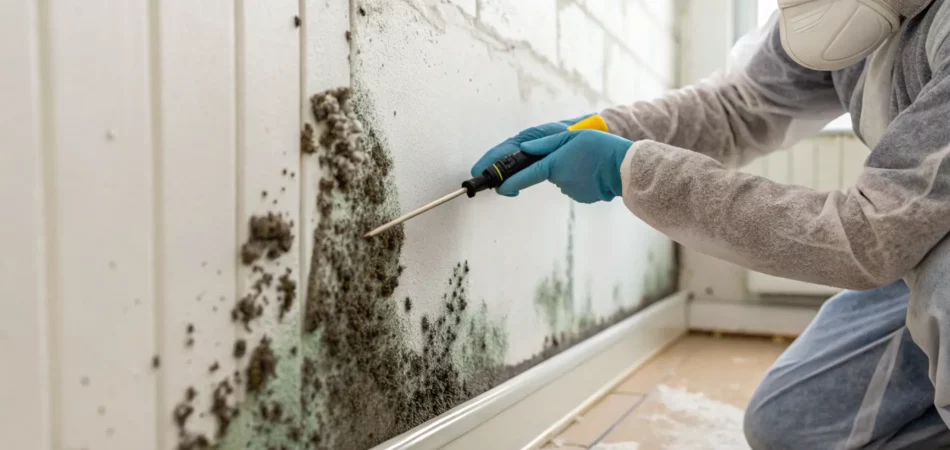
That musty smell in the basement or the dark spot on the ceiling does more than just look bad—it can be a serious concern for your family’s health. Mold releases spores into the air that can trigger allergies, asthma, and other respiratory issues. When you’re facing a potential mold problem, you need a solution that does more than just clean the visible spots. You need a process that restores your home’s air quality and makes it a safe environment again. This is where the critical difference between basic mold removal and mold remediation comes into play, ensuring a thorough environmental cleanup that protects your well-being.
Key Takeaways
- True mold remediation addresses the cause, not just the symptom: Simply cleaning visible mold is a temporary fix. A professional solution identifies and resolves the underlying moisture source, contains the spread of spores, and ensures the problem doesn’t come back.
- Your senses are your best early detection tools: Trust what you see, smell, and feel. Visual spots, a persistent musty odor, and unexplained allergy-like symptoms are all key indicators that it’s time to investigate a potential mold issue.
- Proactive moisture control is your best defense: Prevent future mold growth by keeping indoor humidity below 60%, ensuring good ventilation in kitchens and bathrooms, and immediately addressing any water leaks or damage.
Mold Removal vs. Remediation: What’s the Real Difference?
If you’ve discovered mold in your home, you’ve probably seen the terms “mold removal” and “mold remediation” used interchangeably. It’s an easy mistake to make, but they describe two very different approaches to tackling a mold problem. Understanding the distinction is the first step toward ensuring your home is safe and the mold doesn’t come back. One is a surface-level fix, while the other is a comprehensive solution that addresses the problem at its source. Let’s clear up the confusion so you can make the best choice for your property and your family’s health.
The Myth of 100% “Mold Removal”
First, let’s get one thing straight: no company can promise to completely “remove” all mold from your home. Why? Because mold spores are a natural and constant part of our environment. They are present in the air everywhere, both indoors and outdoors. So, if a contractor guarantees “100% mold removal,” you should see that as a major red flag. The goal isn’t to create a sterile, lab-grade environment free of all spores—that’s simply impossible. The real objective is to bring the mold levels in your home back to a normal, natural, and safe state.
What Mold Remediation Actually Achieves
This brings us to mold remediation. This is the correct term for the professional process of handling a mold infestation. Remediation is a systematic approach designed not just to clean up existing mold but to prevent it from returning. A proper environmental cleanup involves identifying the source of the moisture that’s feeding the mold, containing the affected area to prevent cross-contamination, filtering the air to capture spores, and safely removing and disposing of mold-damaged materials. The final step is cleaning the remaining surfaces and belongings. It’s a thorough process that focuses on restoring your home to a healthy condition.
Key Differences in the Process and Results
Think of it this way: mold removal is like wiping up a puddle on the floor, while mold remediation is like finding and fixing the leaky pipe that caused it. Simply scrubbing visible mold off a surface without addressing the underlying water damage is a temporary fix at best. If the moisture source isn’t repaired, the mold will almost certainly grow back. Remediation is a holistic solution. It tackles the visible mold and the hidden moisture problem, ensuring a long-term fix that protects your property and your peace of mind.
Do You Have a Mold Problem? Here’s How to Tell
Noticing a strange spot on the wall or a persistent, damp smell can be unsettling. Mold is a common issue, especially in Florida’s humid climate, but it’s often mistaken for simple dirt or mildew. The key is knowing what to look for so you can address the problem before it gets worse. Since mold can begin to grow within 48 hours of water exposure, identifying the signs early is crucial for protecting both your property and your health. If you suspect you have a mold issue, a quick check for these common indicators can help you decide on your next steps.
Spotting the Visual Signs of Mold
The most obvious sign of mold is seeing it. It can appear as spots or patches of black, green, white, or even orange. You might notice discoloration on your walls, ceilings, or baseboards, often accompanied by a fuzzy, slimy, or velvety texture. Pay close attention to areas that have experienced any kind of water damage, like a previous leak or flood. Peeling paint, bubbling wallpaper, or warped drywall are also red flags that moisture is trapped, creating the perfect environment for mold to thrive. Don’t dismiss a small spot—it could be the tip of a much larger, hidden colony.
Following the Scent: Musty Odors and Water Damage Clues
Sometimes, you’ll smell mold long before you see it. A persistent, earthy, or musty odor that doesn’t go away with cleaning or airing out the room is a classic sign of hidden mold growth. This smell is produced by microbial volatile organic compounds (MVOCs), which are gases released by mold. Your nose can be an excellent tool for finding the source. If the smell is stronger in a specific area, like a bathroom, laundry room, or basement, it’s likely that mold is growing nearby, possibly behind walls or under flooring due to a hidden pipe leak or condensation buildup.
Listening to Your Body: Common Health Symptoms
Your health can be a surprising indicator of a mold problem. If you or your family members suddenly develop unexplained allergy-like symptoms that seem to get worse when you’re at home, mold could be the culprit. According to Medical News Today, common reactions include sneezing, a runny or stuffy nose, itchy eyes, and skin irritation. For those with asthma or other respiratory conditions, mold exposure can trigger more severe reactions, like coughing, wheezing, and difficulty breathing. Paying attention to these physical clues is important, as they might be your body’s way of alerting you to an issue in your home’s air quality.
The Health Risks of Mold in Your Home
Finding mold in your home is about more than just an unsightly stain on the wall or a musty smell in the basement. Those fuzzy spots can release spores into the air you breathe, creating a range of health issues that can affect your entire family. While some people might not react at all, others can experience significant symptoms, especially with prolonged exposure. Understanding these risks is the first step in realizing why professional mold remediation isn’t just about protecting your property—it’s about protecting your well-being. When you’re dealing with the aftermath of a flood or leak, addressing the potential for mold growth is a critical part of any water damage restoration plan.
From Allergies to Asthma: Immediate Reactions
If you’ve noticed a sudden increase in allergy-like symptoms inside your home, mold could be the culprit. For many people, the initial reaction to mold exposure feels a lot like seasonal allergies. You might find yourself dealing with a stuffy or runny nose, constant sneezing, itchy eyes, or skin irritation. For individuals who already have asthma, these symptoms can be more severe, potentially triggering asthma attacks and other respiratory difficulties. According to health experts, these reactions are your body’s way of responding to inhaled mold spores, which it identifies as foreign invaders. Ignoring these signs can lead to more persistent discomfort and respiratory distress.
Protecting the Most Vulnerable Family Members
While mold can affect anyone, children, the elderly, and individuals with compromised immune systems are particularly vulnerable to its effects. A child’s respiratory system is still developing, making them more susceptible to irritation from mold spores. In fact, studies show that consistent exposure to household mold can increase a child’s risk of developing asthma. This is why it’s so important to ensure your home provides a safe and healthy environment for everyone in it. A comprehensive environmental cleanup can identify and remove these hidden threats, giving you peace of mind that your loved ones are safe.
Understanding the Long-Term Health Effects
What starts as a minor cough or sniffle can develop into more serious health problems if a mold issue is left unaddressed. Long-term exposure to certain types of mold can lead to chronic respiratory conditions, lung inflammation, and other severe ailments. Some research even suggests a link between toxic mold exposure and neurological issues like memory problems and mood changes. Living in a damp, mold-infested environment puts you at a higher risk for these lasting health problems. This is why a thorough remediation process is so crucial—it’s not just about cleaning what you can see, but ensuring the air you breathe is clean and safe for the long haul.
A Look Inside the Professional Mold Remediation Process
Wondering what actually happens when you call in the pros for a mold problem? It’s a lot more involved than just spraying some bleach and hoping for the best. Professional mold remediation is a meticulous, multi-step process designed to safely and thoroughly remove mold while addressing the root cause. Each step builds on the last to ensure your home is not only clean but also protected against future growth. Let’s walk through what you can expect from a team of certified experts.
Step 1: Inspection and Damage Assessment
The process always begins with a detailed inspection. A professional team won’t just look at the visible mold; they’ll work to uncover the full scope of the problem and, most importantly, find out why it started. This involves identifying the moisture source, whether it’s a slow leak, high humidity, or recent water damage. Using specialized equipment, they assess how far the mold has spread, checking behind walls and under floors. This initial assessment is the blueprint for the entire remediation plan, ensuring that the strategy is tailored specifically to your home’s situation and that no contaminated areas are missed.
Step 2: Containment and Air Filtration
Once the scope is clear, the next priority is to prevent the mold from spreading. Disturbing a mold colony can release millions of microscopic spores into the air, which can then travel to other parts of your home. To stop this, professionals set up a containment area, typically using plastic sheeting and creating negative air pressure to direct airflow. They also bring in powerful air scrubbers and HEPA filters. These machines run throughout the process, capturing airborne spores and purifying the air. This step is critical for protecting your family and ensuring the rest of your property remains uncontaminated.
Step 3: Removing Mold and Cleaning Contaminated Materials
With the area contained, the physical removal begins. For porous materials like drywall, insulation, and carpet that have been heavily affected, removal is often the only way to guarantee the mold is gone for good. These materials are carefully bagged and disposed of according to regulations. For non-porous surfaces like tile or sealed wood, technicians use professional-grade antimicrobial cleaners to scrub away the mold and disinfect the area. This thorough cleaning process eliminates the existing colonies and helps prevent immediate regrowth. All contaminated debris is then managed through a professional hauling and debris removal service.
Step 4: Restoring Your Home and Preventing Regrowth
After all the mold-infested materials are gone and the area is clean, it’s time to rebuild. This final stage involves making any necessary repairs, like replacing drywall, painting, or installing new flooring. But the job isn’t finished until the original moisture problem is solved. Whether it requires fixing a leaky pipe, improving ventilation in a bathroom, or regrading your yard to prevent water intrusion, addressing the root cause is essential. This focus on complete restoration ensures your home is returned to its pre-mold condition and is fortified against a future recurrence, giving you lasting peace of mind.
DIY vs. Pro: When to Call for Help
When you spot mold, the impulse to grab a bottle of cleaner and scrub it away is completely understandable. For a tiny spot on your shower tile, a DIY approach might be all you need. But mold is often a sign of a much bigger, hidden problem, and knowing when to step back and call a professional is key to protecting your home and your health. Tackling a serious mold issue on your own can not only be ineffective but can also make the situation worse by spreading spores throughout your home.
Think of it this way: cleaning the visible mold is like trimming the leaves of a weed. If you don’t get to the root—the moisture source—it’s just going to grow back. Professionals don’t just clean the surface; they identify and address the underlying cause of the mold growth. This guide will help you understand the specific situations where handing the job over to a certified expert is the smartest and safest move you can make.
If the Mold Covers a Large Area
A good rule of thumb is to call a professional if the affected area is larger than 10 square feet (roughly a 3-foot by 3-foot patch). A large patch of mold is a major red flag that there’s a significant, ongoing moisture problem somewhere in your home, like a leaky pipe or a roof issue. Simply cleaning a large area won’t solve the underlying problem. Professionals have the industrial-grade equipment and expertise to handle widespread contamination safely, contain the area to prevent cross-contamination, and find the source of the moisture that’s feeding the growth in the first place.
When Mold is Hidden or Hard to Reach
Mold thrives in dark, damp, and hidden places—inside walls, under carpets and floorboards, or in your attic. If you smell a persistent musty odor but can’t see any mold, it’s likely growing out of sight. Trying to find it yourself can involve tearing out drywall or flooring, which can release a massive amount of spores into the air. Our teams use specialized tools like moisture meters and thermal imaging for leak detection to pinpoint hidden moisture and mold without unnecessary destruction. Porous materials like wood and drywall absorb moisture, allowing mold to grow deep inside, far beyond where a surface cleaner can reach.
To Protect Your Family’s Health and Safety
Your family’s health is the most important reason to call for professional help. If anyone in your home has asthma, allergies, a compromised immune system, or other respiratory issues, it’s crucial to avoid exposing them to mold spores. Furthermore, if you suspect the mold is the result of contaminated water, such as from sewer backups or floodwater, it must be handled by professionals. This type of “black water” can contain dangerous bacteria and pathogens, making the mold remediation process a hazardous materials situation. Don’t take chances with your family’s well-being; let a certified team handle it safely.
Why DIY Fixes Often Make Things Worse
The common advice to use bleach on mold is a persistent myth. Bleach is only effective on hard, non-porous surfaces like tile and glass. On porous materials like drywall or wood, it can’t penetrate to kill the mold’s roots, and the water in the bleach can actually feed the remaining mold. More importantly, scrubbing or disturbing mold without proper containment measures will send millions of spores airborne. These spores can then travel through your HVAC system and start new colonies in other parts of your home. Professional environmental cleanup involves setting up containment barriers and using negative air pressure machines to ensure spores are captured, not spread.
Understanding the Cost of Professional Mold Remediation
When you discover mold, one of the first questions that comes to mind is, “How much is this going to cost?” It’s a valid concern, and the answer isn’t always straightforward. The price of professional mold remediation can vary quite a bit because every situation is unique. Think of it less like buying a product off the shelf and more like a custom service tailored to the specific needs of your home.
The final bill depends on several key variables, including the size of the affected area, where the mold is growing, and the extent of the underlying water damage that caused it in the first place. While it’s an investment, addressing a mold problem correctly with a professional team is one of the most important things you can do for the health of your home and your family. It’s about more than just cleaning a stain; it’s about restoring your home to a safe, healthy condition and ensuring the problem doesn’t come right back.
What Factors Into the Final Price?
On average, most homeowners can expect to pay between $1,200 and $3,750 for professional mold remediation. For smaller, contained areas, the cost might be as low as $500, while a widespread issue could climb much higher. The price is often calculated at about $10 to $25 per square foot. The biggest factors influencing this cost are the size and location of the mold growth. A small, visible patch on a bathroom wall is far simpler to address than a colony that has spread through your HVAC system or behind your walls. The type of material affected also matters, as porous surfaces like drywall and carpet often need complete removal and replacement, which adds to the cost of complete restoration.
Will Your Insurance Policy Help Cover the Cost?
This is a big question for many homeowners, and the answer is: it depends. Many standard homeowners’ insurance policies do offer coverage for mold, but it’s almost always tied to the source of the problem. If the mold is the result of a sudden and accidental event, like a burst pipe or a washing machine overflow, you have a good chance of being covered. However, if the mold grew because of a slow, long-term leak or high humidity that wasn’t addressed, your policy may not cover the remediation. The best first step is to pull out your policy and call your insurance agent to understand exactly what your coverage includes. A professional team can also provide the necessary documentation to support your claim.
The Long-Term Value of a Professional Solution
While the initial cost is a key consideration, it’s crucial to think about the long-term value of hiring a professional. The goal of remediation isn’t just to scrub away visible mold; it’s to contain the area, remove the contaminated materials safely, and address the moisture source to prevent regrowth. A professional environmental cleanup brings mold levels back to a normal, healthy state. Attempting to handle it yourself without the right equipment can spread spores to other parts of your home, making the problem worse. Investing in a professional solution protects your property from further structural damage and, most importantly, safeguards your family’s health, giving you true peace of mind.
IICRC S520 Standard Mold Remediation Process
The IICRC S520 Standard provides the comprehensive framework for professional mold remediation that ensures safe, effective removal while protecting occupant health throughout the process.
This industry-recognized standard requires initial assessment to determine mold types, contamination levels, and appropriate containment protocols before any remediation begins. Proper containment involves establishing negative air pressure zones using commercial air scrubbers with HEPA filtration, preventing mold spore migration to uncontaminated areas during removal activities.
Source moisture elimination is mandatory before remediation begins – attempting mold removal without addressing underlying moisture sources results in immediate recontamination and wasted restoration investment. IICRC protocols require specific protective equipment for technicians including respirators, protective suits, and sealed boots to prevent cross-contamination and ensure worker safety during remediation activities.
Removal procedures vary by contamination level and material type, with strict guidelines for cleaning versus disposal decisions that prioritize occupant safety over cost considerations. Post-remediation verification includes environmental testing by independent laboratories to confirm successful mold elimination before areas are returned to normal use.
How to Prevent Mold from Coming Back
After you’ve gone through the process of professional mold remediation, the last thing you want is a repeat performance. Keeping mold from returning is all about managing the conditions in your home. It’s not a one-time fix but an ongoing strategy to keep your environment dry and healthy. Think of it as creating a home where mold simply can’t thrive. For those of us in the Tampa Bay area, this means being extra vigilant about moisture and airflow. By taking a few consistent, proactive steps, you can protect your property and your family from future mold problems. It’s about shifting from reacting to a problem to preventing one from ever starting.
Control Moisture, Especially in Florida’s Climate
Here in Florida, we know a thing or two about humidity. That constant moisture in the air is exactly what mold loves. When indoor humidity levels climb above 60%, you’re essentially rolling out the welcome mat for mold, which can start growing in as little as 24 hours. The key is to control moisture at its source. Immediately address any water damage from leaks, spills, or storms. Don’t let a small drip under the sink turn into a major project. Using a dehumidifier in damp areas like basements or bathrooms can make a huge difference. Also, make sure your gutters are clean and directing rainwater far away from your home’s foundation to prevent seepage.
Improve Your Home’s Ventilation
Good airflow is one of your best defenses against mold. Stagnant, humid air creates pockets of moisture where mold can flourish. Proper ventilation works by moving that moist air out and bringing fresh, dry air in. Simple habits can help, like running the exhaust fan in your bathroom during and after a shower and using the fan over your stove when cooking. It’s also important to check that your home’s ventilation systems, like your dryer vent, are clear and venting directly outside. Because our AC units work so hard, it’s also wise to regularly check for condensation on pipes and ensure drain pans aren’t overflowing—a common issue that can create hidden moisture problems.
Be Proactive with Regular Inspections
You don’t have to be a mold expert to spot the early warning signs. Making a habit of regularly checking common problem areas can save you a lot of headaches down the road. Once a month, take a quick look under sinks, around windows, and near appliances that use water, like your dishwasher and washing machine. Trust your senses—a musty smell is often the first clue that you have a hidden moisture issue. If you see or smell something that seems off, don’t ignore it. Catching a small spot of mold or a minor leak early is far easier and less expensive to handle than a widespread infestation. If you find something concerning, it’s always best to get a professional opinion before the problem gets worse.
Related Articles
- Factors Affecting Mold Growth Following Water Damage
- DIY vs. Professional Water Damage Restoration
- The Role of Dehumidifiers in Water Damage Restoration
- Why Should a Restoration Service Perform Sewage Cleanup?
- The Dangers of Delaying Water Damage Repairs
Frequently Asked Questions
I only see a tiny bit of mold. Can I just clean it myself with bleach? That’s a common first instinct, but it’s usually not the best approach. Bleach is only effective on hard, non-porous surfaces like tile. On materials like drywall or wood, it can’t reach the mold’s roots, and the water in the bleach can actually feed the problem. More importantly, that small spot you see could be a sign of a much larger, hidden issue behind the wall, often tied to a moisture source that needs to be fixed. Scrubbing it can also release spores into the air, spreading the problem to other areas of your home.
Is all black mold the dangerous “toxic black mold” I hear about? Not necessarily. Many types of mold are black in color, and only a certified lab test can identify the specific species. While the infamous “toxic black mold” (Stachybotrys chartarum) gets a lot of attention, the truth is that any type of mold can cause allergic reactions and respiratory issues, especially for sensitive individuals. The color isn’t as important as the fact that you have mold growth, which indicates a moisture problem that needs to be addressed professionally to protect your home and your family’s health.
How long does the professional mold remediation process usually take? The timeline really depends on the scope of the issue. A straightforward job in a small, contained area, like a bathroom, might only take one to three days. However, if the mold is widespread, has gotten into your HVAC system, or requires significant repairs like replacing drywall and flooring, the process could take a week or longer. A professional assessment will give you a much clearer idea of the timeline for your specific situation.
Will I have to move out of my house during the remediation process? This depends on the size and location of the contamination. If the work is isolated to a single room that can be completely sealed off, you can often remain in your home. However, for larger projects, or if the mold is in your HVAC system, it is generally safer and more practical to make arrangements to stay elsewhere. This ensures your family isn’t exposed to any airborne spores and allows the crew to work more efficiently.
After remediation, what is the single most important thing I can do to keep mold away for good? It all comes down to controlling moisture. Mold cannot grow without water, so the most critical step you can take is to keep your home dry. This means promptly fixing any leaks, ensuring your bathrooms and kitchen are well-ventilated, and using a dehumidifier to keep indoor humidity levels low, especially during our humid Florida seasons. Being vigilant about moisture is the key to preventing mold from ever becoming a problem again.