
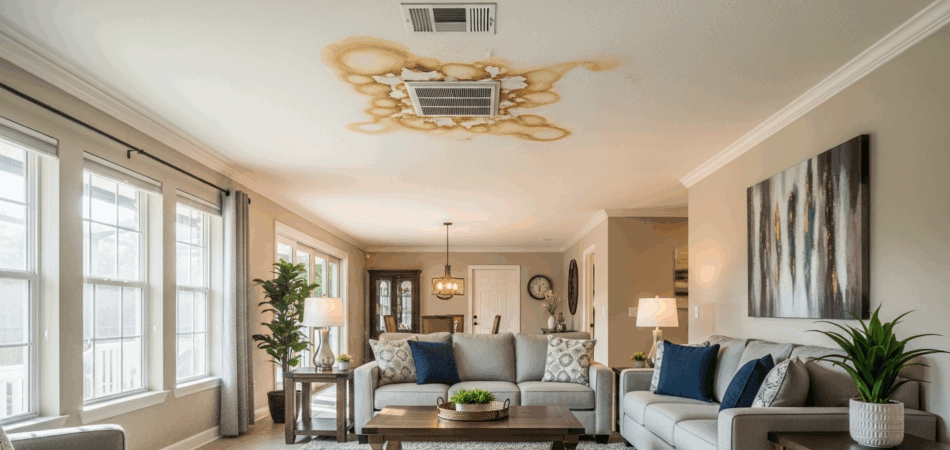
Water damage does not always announce itself with a flooded floor or a dripping ceiling. In many Tampa Bay homes, the most destructive water damage hides behind walls, under floors, and in places you rarely inspect. By the time you notice visible signs of water damage, the problem may have been spreading for weeks or even months.
As IICRC-certified restoration professionals, our team at Drywizard Restoration responds to hidden water damage emergencies across Hillsborough, Pasco, and Pinellas County every week. This guide covers the warning signs every Tampa homeowner should know, where to look, and what to do when you find them.
Why Hidden Water Damage Is Common in Tampa Homes
Tampa’s subtropical climate creates conditions that make hidden water damage especially common. Average humidity levels stay above 70% for much of the year, and annual rainfall exceeds 50 inches. Combined with hurricane season, aging plumbing in older neighborhoods, and constant AC use, Tampa homes face water damage risks that homes in drier climates simply do not.
Common hidden sources include:
- AC condensation leaks that drip inside wall cavities or above ceiling tiles
- Slow pipe leaks behind drywall, especially in older homes with galvanized or polybutylene piping
- Roof flashing failures that allow rainwater to seep into attic spaces during storms
- Slab foundation moisture that wicks upward through concrete in homes without proper vapor barriers
- Toilet wax ring failures that leak beneath the floor for months before showing surface damage
8 Warning Signs of Hidden Water Damage
1. Stains and Discoloration on Walls or Ceilings
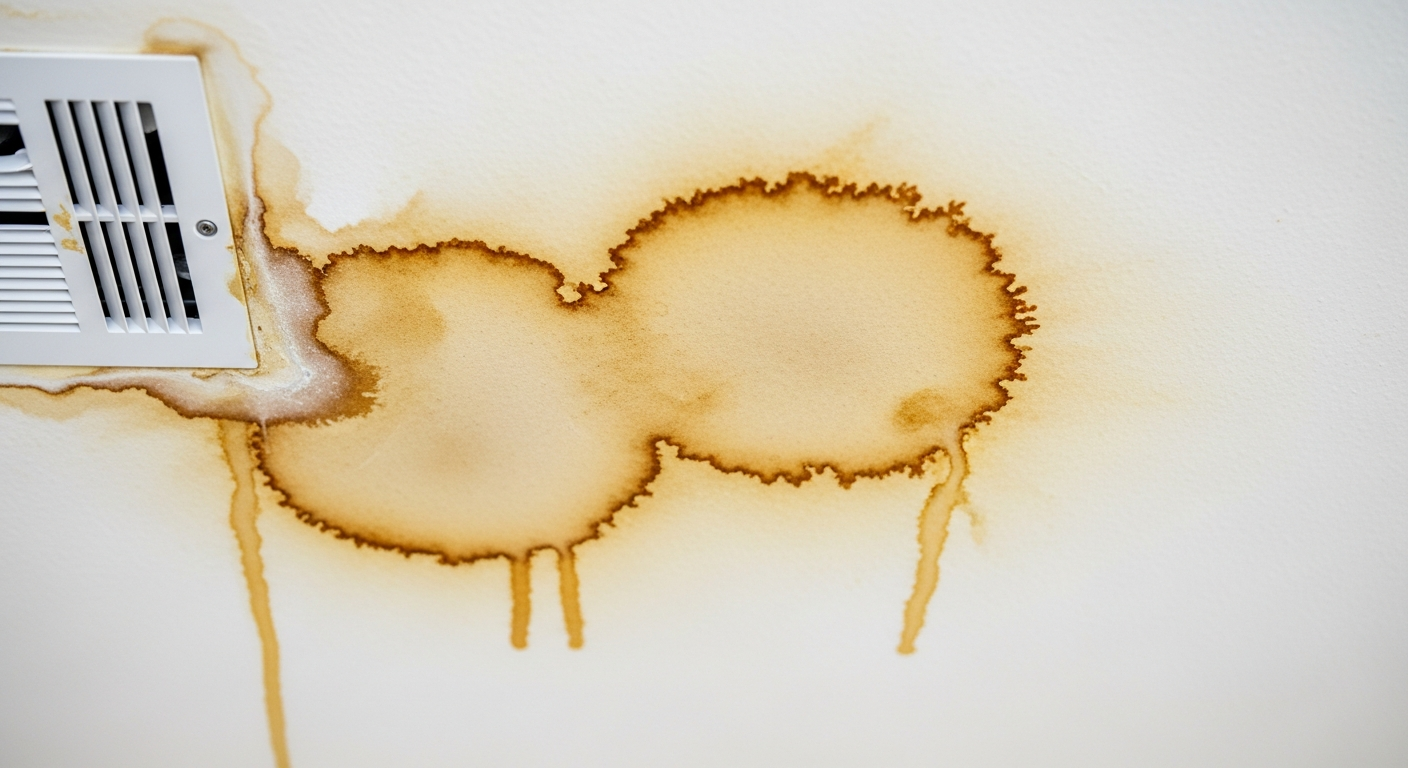
Yellowish-brown stains on walls or ceilings are one of the most recognizable signs of water damage. These stains often appear in irregular shapes and may grow larger over time. On ceilings, water stains typically indicate a leak from above, whether from a roof issue, upstairs bathroom, or burst pipe.
In Tampa homes, ceiling stains near AC vents are especially common. Condensation from improperly insulated ductwork or a clogged AC drain line can create persistent moisture that stains drywall over time.
2. Musty or Moldy Odors
A persistent musty smell in a room that you cannot trace to a specific source often points to hidden water damage. Mold begins growing within 24 to 48 hours of moisture exposure, and it thrives in the warm, humid conditions common in Tampa homes. If you notice a musty smell after any water event, take it seriously. Learn more about the factors that accelerate mold growth and how to prevent mold after water damage.
If you detect musty odors, several factors may be accelerating mold growth in your home. Learn how to prevent mold after water damage before it spreads further.
Pay attention to musty odors in:
- Closets that share a wall with bathrooms
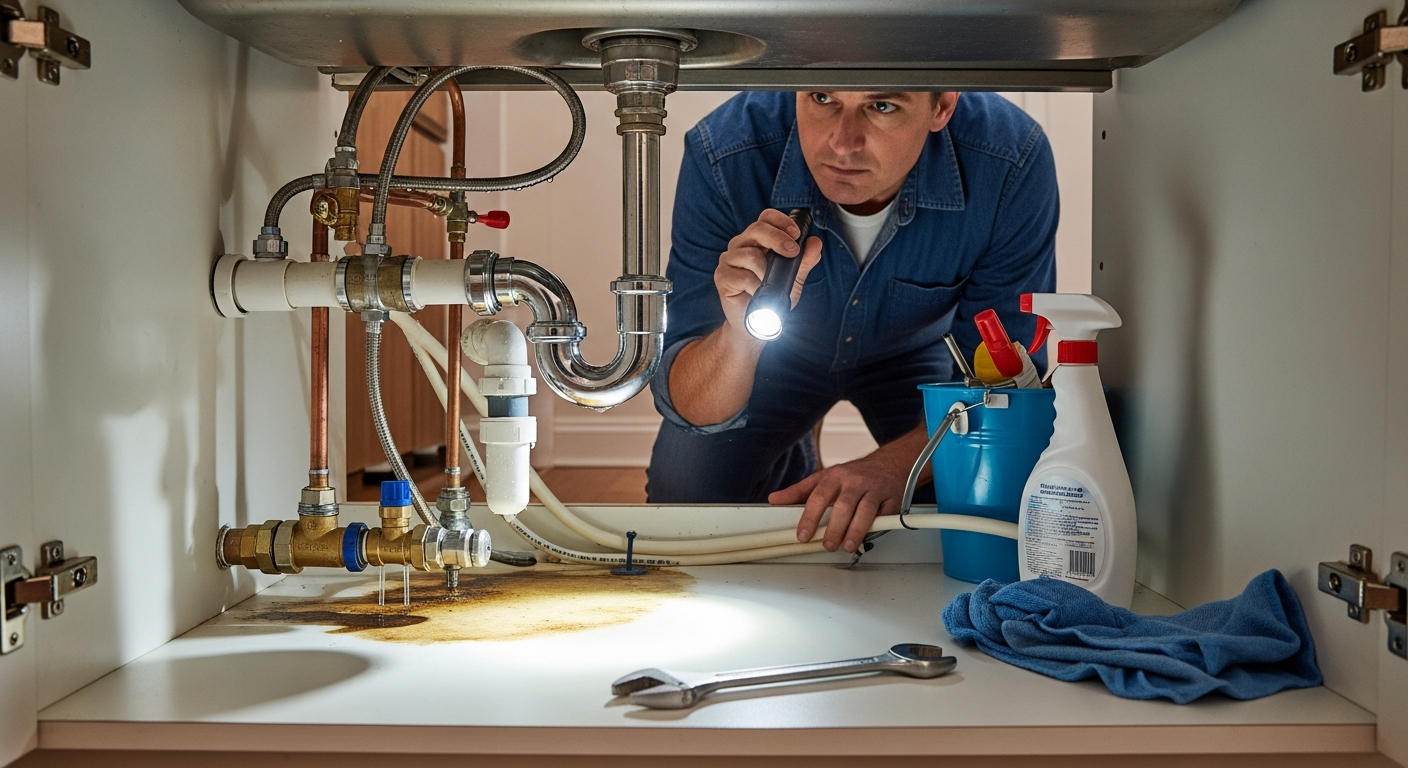
- Spaces beneath sinks or around water heaters
- Rooms that feel more humid than others
- Areas near the base of exterior walls
If the smell gets stronger after rain or on humid days, that is a strong indicator of hidden moisture behind walls or under flooring.
3. Peeling, Bubbling, or Cracking Paint
When moisture builds up behind drywall, it disrupts the bond between paint and the wall surface. This causes paint to bubble, peel, crack, or flake in patches. Wallpaper may also loosen or develop visible ripples.
This sign is easy to dismiss as normal wear, but if it appears in a specific area rather than evenly across a wall, moisture infiltration is the likely cause. Check for hidden water leaks behind the affected wall if you notice localized paint damage.
4. Warped, Buckled, or Soft Flooring
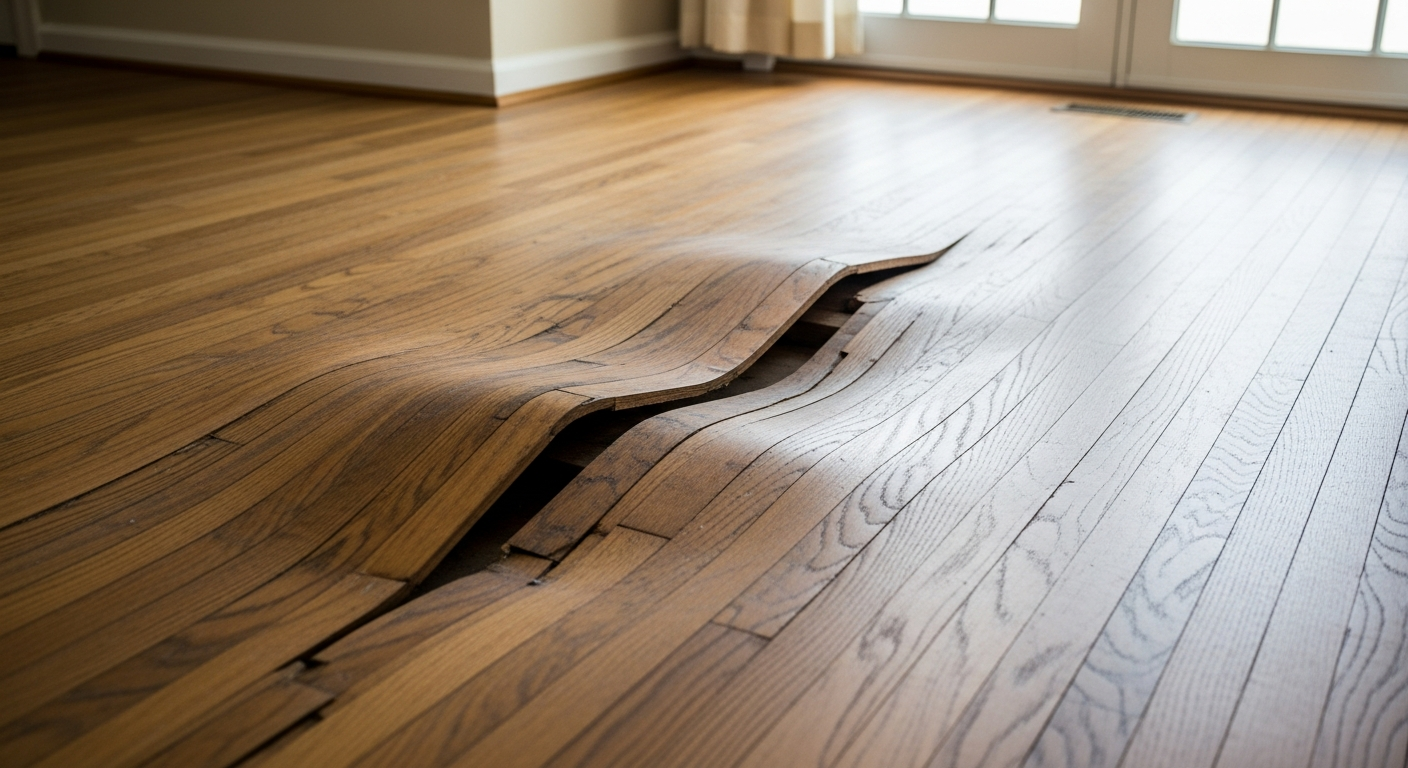
Water damage beneath flooring causes visible changes in how your floors look and feel. Hardwood floors may cup, crown, or buckle. Laminate flooring can swell and separate at the seams. Tile may loosen as the adhesive breaks down. Vinyl flooring might bubble or develop soft spots.
In slab-foundation homes common throughout Tampa and Brandon, moisture can migrate through the concrete and damage flooring from below. If your floors feel spongy when you walk on them, or if you notice areas that have lifted or warped, water damage is likely the cause.
5. Higher Than Normal Water Bills
A sudden or gradual increase in your water bill without a change in usage patterns often signals a hidden leak. Even a small pipe leak behind a wall or under a slab can waste thousands of gallons per month and cause significant structural damage.
If your monthly water bill has increased by 20% or more and you cannot identify the reason, schedule a leak detection inspection. Professional leak detection uses acoustic sensors and thermal imaging to locate hidden leaks without tearing apart walls.
6. Visible Mold Growth in Unexpected Places
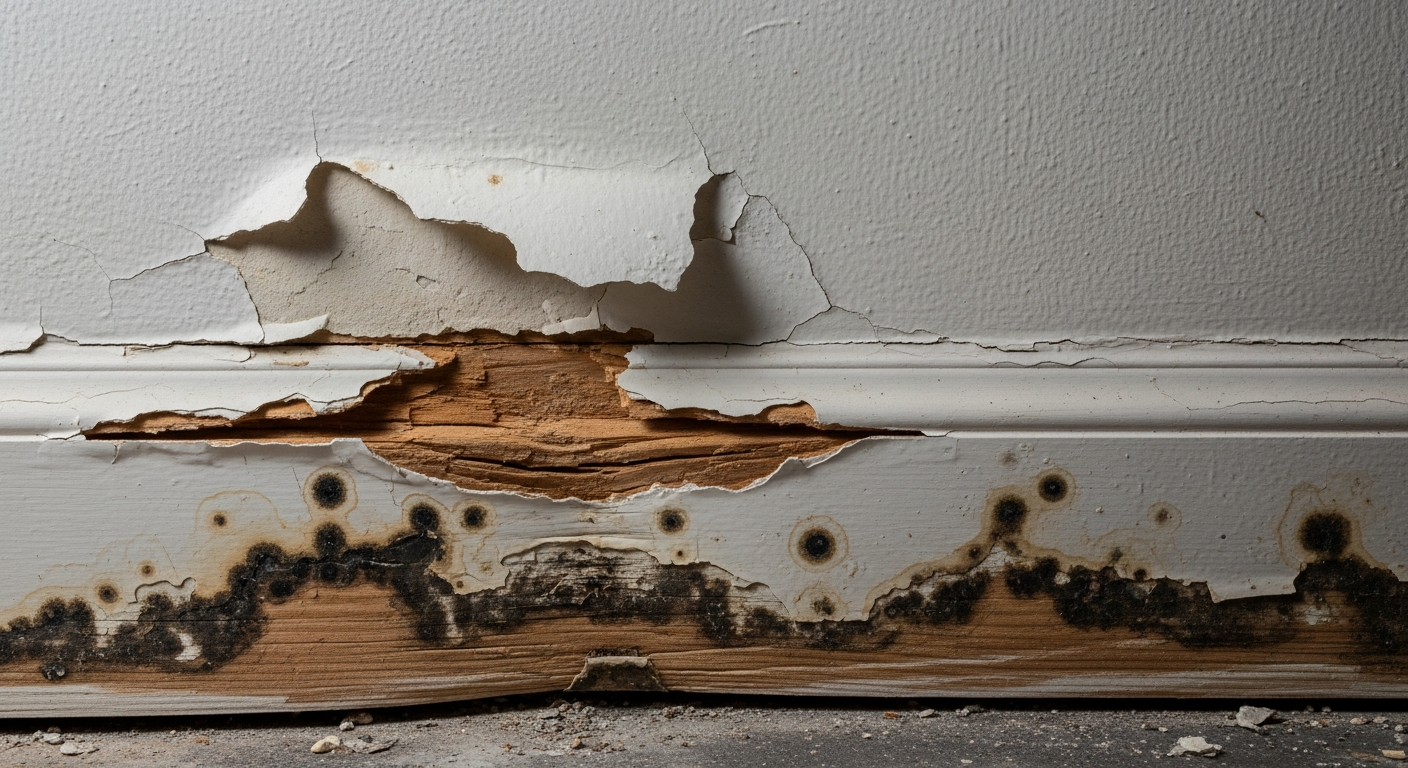
Mold on bathroom tile grout is one thing. Mold appearing along baseboards, in corners of closets, on the underside of window sills, or behind furniture that sits against exterior walls is a sign of a deeper moisture problem.
In Tampa’s climate, mold can spread rapidly once it establishes itself. Black, green, or white fuzzy patches in areas that should be dry indicate that water is getting in somewhere it should not be. If you spot mold growing on drywall, there is almost certainly more behind the surface.
7. Sagging or Swollen Drywall
Drywall absorbs water readily. When it stays wet, it softens, swells, and eventually sags. You may notice areas where the wall feels soft to the touch, appears to bow outward, or has visible bulging. Ceiling drywall may sag or develop a noticeable droop.
This is a sign that the damage has been present for some time. Wet drywall loses its structural integrity and can collapse if the water source is not addressed. If you notice sagging drywall, contact a water damage restoration professional promptly.
8. Pest Activity Near Walls or Foundations
Termites, carpenter ants, silverfish, and cockroaches are all attracted to moisture. If you notice increased pest activity near baseboards, window frames, or around the foundation, hidden water damage may be creating the damp conditions that draw them in.
In Tampa, subterranean termites are a year-round concern, and they are particularly attracted to wood that has been softened by water damage. A pest problem combined with any of the other signs on this list is a strong indicator that moisture is present behind your walls.
Where to Check for Hidden Water Damage
Knowing where to look is just as important as knowing what to look for. These are the areas Tampa homeowners should inspect regularly:
Bathrooms: Check around the base of toilets, beneath sinks, behind shower walls, and around tub edges. Look for soft spots in the floor near the toilet and any discoloration on the ceiling of the room below.
Kitchen: Inspect beneath the sink, around the dishwasher connection, behind the refrigerator (especially if it has a water line), and along the base of cabinets.
Laundry room: Examine the area behind and beneath the washing machine. Supply hose failures are one of the most common causes of catastrophic home water damage.
Attic: Look for stains on the underside of the roof deck, damp insulation, and water marks along rafters. In Tampa, check for signs of wind-driven rain entry after storms.
Garage and utility areas: Inspect around the water heater, HVAC air handler, and any exposed plumbing. Water heaters typically last 8 to 12 years, and slow leaks often develop before a complete failure.
Exterior walls and foundation: Walk around your home and check for cracks in the foundation, areas where the grade slopes toward the house, and any visible staining on exterior walls.
What to Do When You Find Signs of Hidden Water Damage
If you identify any of the warning signs above, taking quick action can prevent the damage from getting worse and reduce repair costs.
Step 1: Identify and stop the water source. If you can locate where the water is coming from, shut off the supply. For a burst pipe or major leak, turn off the main water valve to your home.
Step 2: Document the damage. Take photos and notes of everything you observe. This documentation is important for insurance claims and will help your restoration team understand the scope of the problem.
Step 3: Call a professional restoration company. Hidden water damage requires professional equipment to properly assess and remediate. Moisture meters, infrared cameras, and industrial dehumidifiers are necessary to find all affected areas and ensure complete drying.
Step 4: Contact your insurance company. Most homeowners insurance policies cover sudden and accidental water damage. Filing your claim promptly helps speed up the process. A professional restoration company can work directly with your insurance adjuster to document the damage and manage the claim.
At Drywizard Restoration, we respond to emergencies 24/7 with on-site arrival in 45 minutes or less. We handle everything from initial water extraction and structural drying to complete restoration and repair, and we bill your insurance company directly so you do not have to manage out-of-pocket costs.
How to Prevent Hidden Water Damage in Your Tampa Home
Prevention is always less expensive than restoration. Here are practical steps every Tampa homeowner should take:
- Inspect plumbing annually. Have a plumber check supply lines, drain connections, and water heater condition. Replace washing machine hoses every 3 to 5 years.
- Maintain your AC system. Schedule annual maintenance that includes clearing the condensate drain line and checking for ductwork condensation. A clogged AC drain is one of the most common causes of hidden water damage in Florida homes.
- Check your roof after storms. Inspect your roof or have it inspected after significant weather events. Damaged shingles and compromised flashing allow water to enter your attic undetected.
- Monitor your water bill. Track your monthly usage and investigate any unexplained increases immediately.
- Maintain proper grading. Ensure the ground slopes away from your foundation to prevent water from pooling against your home.
- Use a moisture alarm. Place inexpensive water sensors near water heaters, washing machines, sinks, and AC air handlers. These devices alert you at the first sign of a leak.
Frequently Asked Questions
What are the first signs of hidden water damage?
The earliest signs typically include musty odors, unexplained increases in your water bill, and small patches of discoloration on walls or ceilings. These symptoms can appear weeks before visible damage like peeling paint or warped floors.
How quickly does water damage spread behind walls?
Water can wick through drywall and insulation within hours. Mold can begin growing in as little as 24 to 48 hours in warm, humid conditions like those common in Tampa. The longer hidden water damage goes undetected, the more extensive and costly the repairs become.
Can I check for hidden water damage myself?
You can identify many warning signs through a visual inspection and by paying attention to odors, unusual sounds, and changes in your water bill. However, confirming hidden water damage behind walls or under floors requires professional equipment such as moisture meters, infrared thermal cameras, and acoustic leak detection tools.
Does homeowners insurance cover hidden water damage?
Most standard homeowners insurance policies cover sudden and accidental water damage, such as a burst pipe. However, damage from long-term neglect, lack of maintenance, or flooding typically requires separate coverage. Document any damage immediately and contact your insurer promptly.
How much does it cost to repair hidden water damage?
Costs vary significantly depending on the extent of the damage and affected materials. Minor repairs may cost a few hundred dollars, while extensive damage involving mold remediation, structural drying, and drywall replacement can run into thousands. Professional assessment is the only way to get an accurate estimate. Drywizard Restoration offers free estimates for all water damage situations.
When should I call a professional for water damage?
Call a professional immediately if you notice multiple signs of hidden water damage, if you detect mold growth, if your drywall is sagging or soft, or if you cannot locate the source of moisture on your own. Early professional intervention typically reduces both the scope of damage and the cost of repairs.
Water Damage Restoration Across Tampa Bay
Drywizard Restoration & Drywall Inc. proudly serves homeowners and businesses throughout the Tampa Bay metro area. No matter where you are in the region, our IICRC-certified team can be on-site in 45 minutes or less. We provide 24/7 emergency water damage restoration in these communities:
- Water Damage Restoration in Valrico, FL
- Water Damage Restoration in Brandon, FL
- Water Damage Restoration in Riverview, FL
- Water Damage Restoration in Sun City Center, FL
- Water Damage Restoration in Citrus Park, FL
- Water Damage Restoration in Temple Terrace, FL
- Water Damage Restoration in Apollo Beach, FL
- Water Damage Restoration in Plant City, FL
- Water Damage Restoration in Lutz, FL
- Water Damage Restoration in Seffner, FL
Need immediate help? Call (813) 684-4800 for 24/7 emergency service anywhere in the Tampa Bay area.