
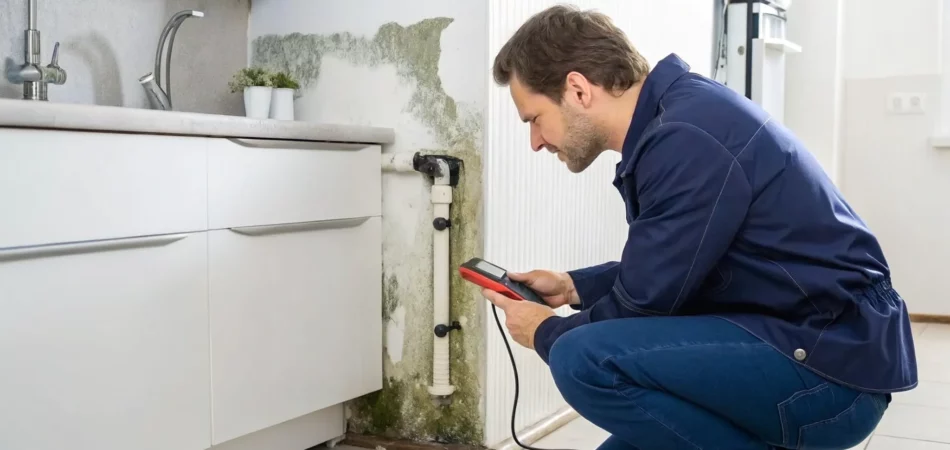
When you find a water leak, advice starts pouring in from every direction. Your neighbor swears by bleach, and a quick internet search offers a dozen conflicting DIY solutions. The problem is, bad advice can turn a manageable issue into a costly disaster. Mold won’t just disappear on its own, and the wrong cleaning methods can make it worse. We’re here to cut through the noise with straightforward, expert-backed information. This guide debunks common myths and lays out the proven steps for a safe and effective cleanup. We’ll cover everything you need to know about the professional water leak and mold repair process so you can handle the situation correctly the first time.
Key Takeaways
- Prioritize routine maintenance to prevent leaks: Make it a habit to inspect appliance hoses, check under sinks, and keep your gutters clean. Catching small issues early is the most effective way to stop major water damage and mold growth before they start.
- Respond to leaks with a clear action plan: If you discover a leak, your first move should be to shut off the main water valve. Then, focus on safety by avoiding electrical hazards and be sure to document all damage with photos for your insurance claim.
- Leave significant mold cleanup to certified experts: For any mold growth larger than 10 square feet or resulting from contaminated water, professional remediation is essential. Experts have the right equipment to ensure safe, complete removal and prevent the problem from returning.
What Causes Leaks That Lead to Mold?
Finding mold in your home can feel overwhelming, but it’s a problem with a clear cause: moisture. Mold spores are everywhere, but they only become an issue when they find a damp spot to grow. That’s why understanding the source of a water leak is the first step in tackling a mold problem for good. Leaks can be sneaky, showing up in places you’d least expect. From a slow drip behind a wall to a crack in your foundation, let’s look at the most common culprits.
Leaky Pipes and Plumbing Issues
When you think of a leak, a dripping faucet probably comes to mind. But the most destructive leaks are often the ones you can’t see. A slow leak from a pipe inside a wall or under a floor can go unnoticed for weeks, providing the perfect damp, dark environment for mold to flourish. Don’t just look for water spots; sagging or stained ceilings and walls can also signal hidden emergency plumbing issues. Even a tiny amount of consistent moisture is enough to start a significant mold colony, which is why addressing any sign of a leak right away is so important for your home’s health.
Roof Leaks and Foundation Cracks
Water damage isn’t just a concern after a major flood. Sometimes, the water comes from a much more subtle source, like a leaky roof or a crack in your home’s foundation. Damaged shingles or aging sealant around vents and chimneys can let rainwater seep into your attic and walls. Similarly, foundation cracks can allow groundwater to get into your basement or crawlspace. Because this water often spreads behind walls long before it becomes obvious, it can cause serious structural damage and widespread mold growth. A thorough water damage restoration plan is key to addressing these hidden threats.
Faulty Appliances and HVAC Units
Your trusty appliances can sometimes be the source of major water headaches. A leaking dishwasher, a cracked washing machine hose, or a malfunctioning ice maker can release a surprising amount of water. Your HVAC system is another common culprit, especially if the condensation line gets clogged and overflows. This kind of water damage can quickly lead to mold that spreads into drywall, insulation, and flooring. According to the US EPA, you should always call a professional if you suspect mold in your heating or cooling system, as it can circulate spores throughout your entire home.
How to Spot Water Damage and Mold
Catching water damage and mold early can save you a lot of headaches and money. Sometimes the signs are obvious, but other times you have to play detective. Knowing what to look for is the first step in protecting your home.
Obvious Signs of Water Damage
Some signs of water damage are impossible to ignore. You might see dark, discolored patches or stains on your ceilings or walls, which often look like puddles that have dried up. Paint that is bubbling, peeling, or cracking is another major red flag. Don’t dismiss warped or sagging spots on your walls, ceilings, or floors, as these can indicate a serious leak that has been going on for a while. If you notice any of these issues, it’s a clear signal that water is getting in where it shouldn’t be. Acting quickly can prevent the problem from escalating into a full-blown water damage restoration project.
How to Find Mold
Where there’s moisture, there’s often mold. Mold can appear as black, green, or even white spots and often has a fuzzy or slimy texture. It thrives in damp, dark places, so check under sinks, in basements, behind appliances, and around windows. Your nose is also a great tool for finding mold; a persistent musty or earthy smell is a telltale sign, even if you can’t see any growth. Remember, mold doesn’t just look bad. According to the US EPA, it can damage whatever it grows on and spread through your home if not addressed. If you find a significant amount, it’s best to consider a professional environmental cleanup to ensure it’s removed safely.
Clues That Point to Hidden Leaks
The most frustrating leaks are the ones you can’t see. What’s visible is often just the tip of the iceberg, with more significant damage hidden behind walls or under floors. Pay attention to subtle clues, like a musty odor that won’t go away or walls that feel damp to the touch. You might also notice your flooring starting to cup or buckle in certain areas. Another big indicator can be found in your utility bills. If your water bill suddenly spikes without a clear reason, you could have a hidden leak. When you suspect a leak but can’t find the source, professional leak detection can pinpoint the problem without tearing your walls apart.
Found a Leak? Here’s What to Do First
Discovering a water leak is stressful, but your immediate actions can prevent a small problem from becoming a disaster. A quick response stops further damage, keeps mold from growing, and simplifies the entire repair process. Instead of panicking, follow this straightforward action plan to get the situation under control. We’ll walk you through exactly what to do, step by step, from the moment you spot the first drip.
Your Immediate Action Plan
First, stop the water. If you know the source, like a sink, use its shut-off valve. For a major leak or if you’re unsure, turn off your home’s main water valve immediately. This prevents the problem from escalating. If you see any mold, act fast. Mold damages whatever it grows on, and the longer it sits, the worse it gets. Even a small patch needs attention. Once the water is off, your next call should be to a professional for emergency water damage services to assess the situation and start the cleanup process.
Staying Safe and Documenting the Damage
With the water stopped, focus on safety. Water and electricity are a dangerous combination, so be extremely cautious. Avoid areas where water is near outlets, switches, or appliances. If you must enter a wet area, shut off the power at the breaker box first. Before you move anything, pull out your phone. Documenting the damage is essential for your insurance claim. Take clear photos and videos of the leak’s source, the standing water, and all affected items. This visual evidence will be invaluable when you begin the claims process.
How to Stop the Problem from Getting Worse
Stopping the leak is the first step, but the work isn’t over. The source of the water needs a permanent fix, not a temporary patch. A professional emergency plumbing repair is necessary to ensure it doesn’t happen again. Just as important is drying the area completely, since any lingering moisture is an invitation for mold. Remember, mold that has already started growing won’t disappear just because the leak is fixed. You have to actively remove the mold and eliminate the moisture to prevent it from returning and causing long-term issues.
How to Safely Remove Mold After a Leak
Finding mold after a water leak can feel overwhelming, but tackling it safely is key to protecting your home and your health. The approach you take depends on the size of the problem. For small spots, you might be able to handle it yourself with the right precautions. For larger issues, calling in a professional is the safest bet. Let’s walk through how to handle mold removal correctly.
The Right Safety Gear for the Job
Before you even think about cleaning, you need to protect yourself. Mold spores can easily become airborne and cause respiratory issues or allergic reactions. The U.S. Environmental Protection Agency (EPA) is very clear about the need for proper protective gear. At a minimum, you’ll want to wear gloves to protect your hands, goggles to shield your eyes, and an N-95 respirator mask to avoid inhaling spores. Don’t skip this step; it’s a simple but crucial part of keeping yourself safe during any mold cleanup project.
A Step-by-Step Guide to DIY Removal
If you’re dealing with a small patch of mold (less than 10 square feet), a DIY approach can work. First, make sure you’ve completely fixed the source of the water. There’s no point in cleaning up mold if the leak is still active. Next, scrub the mold off hard surfaces like tile or countertops using a simple mixture of detergent and water. Once the surface is clean, dry it completely. Proper drying is essential because any leftover moisture will just invite the mold to come right back.
Knowing When to Leave It to the Experts
The 10-square-foot rule is a great guideline. If the moldy area is larger than that, it’s time to call for professional help. You should also call an expert if you suspect mold is growing inside your walls or your HVAC system. Professionals have the specialized equipment and training for safe and effective environmental cleanup. They can properly contain the area to prevent spores from spreading throughout your home and will make sure the mold is gone for good, giving you total peace of mind.
What Does the Full Repair Process Look Like?
Once you’ve stopped the immediate leak, the real work of restoration begins. It’s more than just a quick cleanup; it’s a systematic process to ensure your home is safe, dry, and structurally sound. Tackling the damage involves several key phases, from initial water removal to the final touches of rebuilding. Understanding these steps can help you feel more in control during what can be a very stressful time. Each stage is crucial for preventing long-term problems like recurring mold and hidden structural issues. Let’s walk through what a thorough repair and remediation process actually entails.
Removing Water and Drying Everything Out
The very first step after fixing the leak is to get rid of all the water and completely dry the affected area. This has to happen fast. The longer moisture sits, the more damage it causes and the greater the risk of mold growth. Professionals use powerful pumps and vacuums for water damage restoration to remove standing water. After that, industrial-grade dehumidifiers and high-velocity air movers are brought in to pull every last bit of moisture from the air, carpets, wood, and drywall. Simply blotting with a towel isn’t enough. The goal is to dry the space so thoroughly that mold doesn’t have a chance to come back.
Repairing and Rebuilding
After everything is bone-dry, it’s time to assess the damage and start rebuilding. Unfortunately, some materials just can’t be saved. Porous items like drywall, insulation, and carpet that have been soaked or have mold growth will likely need to be removed and replaced. Mold can spread deep into these materials, making simple surface cleaning ineffective. The complete restoration process involves carefully tearing out the damaged sections and replacing them with new materials. This ensures that no hidden mold is left behind and that the structural integrity of your home is restored, making it look like the damage never even happened.
The Professional Remediation Process
If the moldy area is larger than 10 square feet, the EPA recommends calling in the experts. Professional mold remediation is a detailed process that goes far beyond just scrubbing a surface. Experts have the training and equipment to contain the area, preventing spores from spreading to other parts of your home. They use specialized techniques for environmental cleanup to safely remove mold and treat the area to prevent it from returning. Trusting a professional protects your health and your home, ensuring the job is done right the first time so you can have true peace of mind.
Common Myths About Water Leaks and Mold
When you find a water leak and the dreaded mold that often follows, it’s easy to get swept up in a sea of misinformation. Everyone from your neighbor to that random person on the internet seems to have an opinion on what to do next. Let’s clear the air and tackle some of the most common myths about water damage and mold. Understanding the facts is the first step toward getting your home back to normal, safely and effectively.
Myth: The Mold Will Go Away on Its Own
It’s a nice thought, isn’t it? If you just fix the leak, the mold will pack its bags and leave. Unfortunately, that’s not how it works. Stopping the source of moisture is a critical first step, but any mold that has already started to grow is there to stay until it’s physically removed. Think of it like a weed in your garden. You can stop watering it, but you still have to pull it out by the roots. Left untreated, that mold can continue to spread and damage your home’s structure and air quality. Proper environmental cleanup is essential to ensure it’s gone for good.
Myth: Bleach Is the Best Way to Kill Mold
This is one of the most persistent myths out there. While bleach can kill surface mold on non-porous materials like tile or glass, it’s not effective on porous surfaces like drywall or wood. The chlorine in bleach can’t penetrate these materials to kill the mold’s roots. Even worse, the water component of bleach can actually feed the remaining mold, causing it to grow back even stronger. Professional water damage restoration teams use specialized antimicrobial treatments that are designed to eliminate mold at its source without causing more harm. So, it’s best to put the bleach bottle down and call for a more effective solution.
Myth: My Insurance Automatically Covers This
Many homeowners assume their insurance policy is a catch-all for any water or mold damage. The reality is a bit more complicated. Most standard policies will cover mold damage if it’s the result of a “covered peril,” like a sudden and accidental event such as a burst pipe. However, they typically won’t cover mold that results from a slow, long-term leak, poor maintenance, or high humidity. It’s so important to read your policy carefully and understand your coverage. When you find a leak, document everything and contact your insurance agent as soon as possible to start the claims process.
How to Prevent Future Leaks and Mold
After you’ve gone through the stress of repairs, the last thing you want is a repeat performance. The good news is that you can be proactive about protecting your home. A few simple habits and smart checks can make a huge difference in stopping future water damage and mold growth before they even have a chance to start. Taking these steps gives you peace of mind and helps keep your home safe and dry for the long haul.
Simple Maintenance to Prevent Leaks
A little routine maintenance can save you a lot of headaches. Make it a habit to regularly check under sinks and around toilets for any signs of moisture or drips. It’s also smart to inspect the hoses connected to your washing machine, dishwasher, and refrigerator for cracks or bulges. Outside, keep your gutters clean so rainwater flows away from your home’s foundation. Fixing even small plumbing issues as soon as you spot them is one of the best ways to stop mold before it can start. A quick check today can prevent a call for emergency plumbing tomorrow.
Keeping Humidity in Check
Mold loves moisture, and here in Florida, humidity is a constant battle. To make your home less inviting for mold, aim to keep the indoor humidity level between 30% and 50%. You can monitor this with a simple device called a hygrometer. Always run the exhaust fan in your bathroom during and after a shower, and use the one in your kitchen when you’re cooking. If you have areas that always feel a bit damp, like a laundry room or a closet, consider using a dehumidifier. Good airflow is also your friend, so use fans to keep air circulating. Proper ventilation helps moisture evaporate faster, which is a key part of preventing the need for professional water damage restoration.
Using Tech to Your Advantage
Why not let technology give you a heads-up? Smart water sensors are an affordable and effective way to catch leaks early. You can place these small devices near potential trouble spots like water heaters, washing machines, and under sinks. If they detect moisture, they’ll send an alert straight to your phone, allowing you to act before major damage occurs. While they aren’t as common as smoke alarms, they can be just as crucial for protecting your property. For issues you can’t see, like a slow leak inside a wall, professional leak detection services use specialized equipment to pinpoint the source without tearing things apart. Think of it as an extra layer of security for your home.
When Is It Time to Call a Professional?
Tackling home repairs yourself can be incredibly satisfying, but some jobs are best left to the experts, especially when your family’s health and your home’s structure are at stake. Water damage and mold fall squarely into that category. While you might be able to handle a tiny spot of mildew on your shower tile, widespread issues require a different level of intervention. Knowing when to put down the sponge and pick up the phone is key to resolving the problem correctly and for good.
Deciding to call for help isn’t admitting defeat; it’s making a smart, strategic move to protect your biggest investment. Professionals have the training, tools, and experience to see what you can’t, addressing not just the visible symptoms but the root cause of the problem.
Red Flags That You Need a Pro
It can be tempting to try and clean up mold on your own, but certain situations require professional attention. If you spot any of these red flags, it’s time to call for backup. A major one is the size of the affected area. The U.S. EPA suggests calling a professional if the mold patch is larger than 10 square feet. You should also consider the source of the moisture. If the water damage came from a contaminated source, like a sewer backup, it’s a job for experts. Finally, if the mold comes back after you’ve cleaned it or if anyone in your home has health concerns, don’t hesitate to get a professional assessment.
The Peace of Mind a Professional Brings
Hiring a professional mold remediation team gives you more than just a clean surface; it gives you confidence that the job was done right. Certified experts have the specialized equipment to detect hidden moisture and the right techniques to remove mold safely without spreading spores to other parts of your home. They perform a complete restoration, which means they don’t just clean the mold but also fix the underlying leak that caused it. This thorough approach protects your family’s health and prevents the mold from returning, saving you from future headaches and expenses. It takes the guesswork out of a stressful situation and ensures your home is safe and sound.
What Will Water and Mold Repair Cost?
Let’s talk about the elephant in the room: the cost. When you’re dealing with a leak and the threat of mold, the last thing you want is a surprise bill. The truth is, there’s no single price tag for water and mold repair. The final cost depends entirely on how serious the situation is. A small, contained leak that’s caught quickly will be much less expensive to fix than a major flood that has been sitting for days, affecting multiple rooms.
The key is to act fast. The longer water sits, the more damage it causes, seeping into drywall, subfloors, and insulation. This not only increases the scope of the repairs but also creates the perfect environment for mold to spread, which adds another layer of complexity and cost to the cleanup. Think of it this way: a quick response isn’t just about damage control; it’s also about budget control. Getting a professional team on-site immediately can be the difference between a minor repair and a full-scale complete restoration project. A professional assessment can give you a clear picture of the scope of work and help you understand the potential costs before they spiral.
What Determines the Cost?
Several key factors will influence the final cost of your water and mold repair. The most significant is the extent of the damage. A professional assessment will look at the size of the affected area, the types of materials that need to be replaced (like carpet, drywall, or hardwood), and how long the water was present. The type of water also matters; a clean water leak from a supply line is simpler to handle than a contaminated leak from a sewer backup. Accessibility plays a role, too. A leak in an open basement is easier to address than one hidden inside a wall, which requires more labor to access and repair.
Navigating the Insurance Claims Process
Figuring out what your insurance will cover can feel overwhelming, but it’s a crucial step. Most standard homeowner’s policies cover damage from sudden and accidental events, like a burst pipe or a faulty appliance hose. However, they typically don’t cover damage from gradual leaks or maintenance issues. Your best first step is to review your policy and call your agent right away. Be sure to document everything with photos and videos before any cleanup begins. A reputable restoration company can often help you with the claims process, providing the detailed documentation your insurer will need to process your claim smoothly.
Related Articles
- How to Choose a Water Damage Restoration Company – Drywizard Restoration & Drywall Inc.
- House Flooded With Water? What to Do Right Now – Drywizard Restoration & Drywall Inc.
- House Flooded? Essential Steps for Water Damage Recovery | Drywizard Drywall Services, Inc.
Frequently Asked Questions
How quickly can mold start to grow after a water leak? Mold can begin growing in as little as 24 to 48 hours when conditions are right. This is why a rapid response is so critical. Once moisture soaks into a surface like drywall, wood, or carpet, it doesn’t take long for naturally present mold spores to find a home and start to colonize.
Is it safe to just paint over a small mold spot? Painting over mold is never a good idea. While it might hide the unsightly stain for a little while, it does absolutely nothing to solve the problem. The mold will continue to grow and thrive underneath the paint, eating away at the surface and eventually showing through again. You have to completely remove the mold and fix the moisture issue to get rid of it for good.
What if I smell a musty odor but can’t find any visible mold? That persistent musty or earthy smell is a huge red flag and often the very first sign of a hidden mold problem. Your nose can often detect mold long before you can see it, especially if it’s growing behind walls, under flooring, or within your HVAC system. Trust your senses; that smell is a clear signal to investigate the source of the problem.
What’s the difference between mold removal and mold remediation? Think of mold removal as simply cleaning the visible spots you can see. Mold remediation, however, is a far more thorough and professional process. It involves not only removing the mold but also identifying and fixing the moisture source, containing the work area to prevent spores from spreading, and cleaning the air. Remediation is the complete solution that ensures the problem is truly solved.
My leak was small and I dried it up right away. Do I still need to be concerned? Even if you cleaned up the visible water, moisture can easily get trapped in places you can’t see or reach, like inside a wall cavity or under a floor. Materials like drywall and wood can hold onto dampness for a long time, creating the perfect environment for mold to develop later on. It’s always smart to keep an eye on the area and check for any musty smells or new discoloration in the days following any leak.