
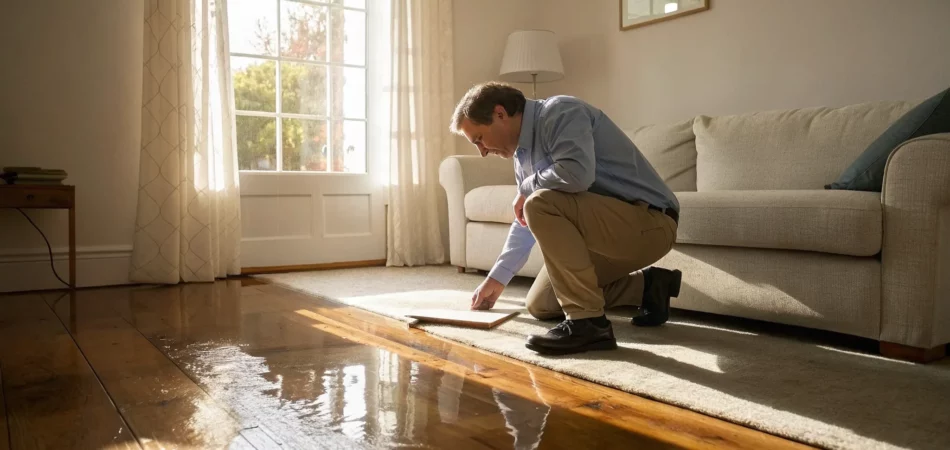
The puddle on your floor is only the beginning of the problem. Water is incredibly destructive, seeping into drywall, soaking subfloors, and wicking up behind walls where you can’t see it. Within 24 to 48 hours, this hidden moisture creates the perfect breeding ground for mold, which can pose serious health risks. Simply mopping up the visible mess isn’t enough to prevent this secondary damage. You need a professional approach. A certified water damage company uses specialized equipment to find and eliminate all moisture, protecting your property’s structural integrity. This article will explain the restoration process and why acting fast is so important.
Key Takeaways
- Your First 48 Hours Are Critical: Mold can begin growing in as little as 24 hours. Acting fast is the most important step you can take to prevent secondary damage, control costs, and protect your property’s structural integrity.
- A True Pro Does More Than Just Dry: A qualified restoration company offers a complete solution, from initial water extraction and structural drying to mold prevention and full reconstruction, ensuring your property is returned to its pre-loss state.
- Ask the Right Questions Before Hiring: Protect yourself by verifying IICRC certification, confirming a guaranteed 24/7 rapid response time, and asking how the company will work with your insurance provider to streamline the claims process.
What Services Do Water Damage Companies Offer?
When you’re dealing with a flood or a major leak, it’s hard to know what to expect from the cleanup process. A professional water damage company does more than just mop up the mess. They offer a comprehensive suite of services designed to handle the immediate crisis and prevent long-term problems. From the moment they arrive, their goal is to assess the situation, stop the damage from spreading, and create a clear plan to get your property back to its pre-loss condition. Understanding these services can help you feel more in control during a stressful time.
Emergency Water Removal
The first and most critical step is getting the water out—fast. Whether it’s from a burst pipe, a sewer backup, or storm flooding, standing water can quickly ruin flooring, furniture, and drywall. Professional companies use powerful, truck-mounted vacuums and pumps to handle emergency water damage and remove thousands of gallons of water in a short amount of time. This rapid response is essential to minimize the initial damage and is the foundation of the entire restoration process. A reputable team is available 24/7 because disasters don’t stick to a 9-to-5 schedule.
Structural Drying and Dehumidifying
Once the visible water is gone, the real work of drying begins. Materials like wood, drywall, and insulation act like sponges, trapping moisture deep inside. This hidden water can lead to warping, swelling, and structural decay. Restoration experts use specialized tools like industrial-grade air movers and dehumidifiers to create airflow and pull moisture out of the air and affected materials. They also use moisture meters to find hidden wet spots and ensure your property is dried to the proper standard, which is a key part of any professional water damage restoration project.
Mold Prevention and Removal
Where there’s water, there’s often a risk of mold. Mold can start growing in as little as 24 to 48 hours after water exposure, posing a serious health risk and causing further damage to your property. A thorough water damage company doesn’t just dry the area; they also take steps to prevent mold growth. This includes applying antimicrobial treatments to affected surfaces. If mold is already present, they are equipped to handle safe and effective environmental cleanup, containing the area to prevent spores from spreading and properly removing the contamination.
Complete Restoration and Repairs
The final phase is putting everything back together. Water damage can require anything from minor repairs to major reconstruction. This is where a full-service company truly shines. Instead of just leaving you with a dry but damaged space, they manage the complete restoration from start to finish. This can include replacing drywall, installing new carpet or flooring, painting, and repairing damaged structural elements. The goal is to restore your home or business to the way it was before the incident, making it feel like the damage never even happened.
How to Choose the Right Water Damage Company
When your property is flooded, the last thing you want to do is spend hours vetting companies. But making a quick, informed decision is crucial to minimizing damage and getting your life back to normal. Choosing the right partner means finding a team that is not only fast and effective but also trustworthy and professional. You need someone who can handle the immediate crisis and see the job through to the final repairs.
To help you sort through your options, focus on a few key qualifications. A reliable company will be transparent about their credentials, availability, and processes. Asking the right questions upfront can save you from major headaches down the road, ensuring the team you hire has the expertise, equipment, and experience to handle the job correctly from start to finish.
Check for Proper Licensing and Certifications
Before you let anyone start working on your property, you need to verify their credentials. Proper licensing and insurance protect you from liability and ensure the company meets state requirements. Beyond that, look for industry-specific certifications. The most respected credential in the restoration industry comes from the Institute of Inspection, Cleaning and Restoration Certification (IICRC).
An IICRC-certified firm has proven its commitment to upholding the highest standards. Their technicians have received extensive training in the best practices for water damage restoration, which means they know how to do the job safely and effectively. Don’t be afraid to ask for proof of these credentials; a reputable company will be happy to provide them.
Confirm They Offer 24/7 Emergency Service
Water damage doesn’t stick to a 9-to-5 schedule, and neither should your restoration company. A burst pipe or a major leak can happen at any time, and the longer water sits, the more damage it causes. That’s why it’s essential to find a company that offers true 24/7 emergency service.
When you call, you should be able to speak to a live person who can dispatch a team immediately. At Drywizard, we guarantee we’ll be on-site in 45 minutes or less because we know every minute counts. A company that’s always available demonstrates its commitment to helping clients when they need it most. This round-the-clock readiness is a non-negotiable feature for any serious emergency water damage situation.
Ask How They Handle Insurance Claims
Dealing with the aftermath of water damage is stressful enough without adding a complicated insurance claim to your plate. A great restoration company will ease this burden by working directly with your insurance provider. This is a huge advantage, as they can document the damage, provide the necessary paperwork, and communicate with your adjuster on your behalf.
This direct line of communication helps streamline the claims process and ensures all the required details are covered. Before hiring, ask about their experience with different insurance companies and what their process looks like. Choosing a team that can manage the insurance side of things allows you to focus on what matters most: getting your property and life back in order after a complete restoration.
Ensure They Use Professional-Grade Equipment
Effective water damage restoration requires more than just a few fans and a wet-dry vac. Proper drying and dehumidification demand specialized, professional-grade equipment. A qualified company will arrive with a full arsenal of tools, including high-powered air movers, industrial-strength dehumidifiers, moisture meters, and infrared cameras to detect hidden water.
Using the right equipment is critical for removing all moisture—even from hard-to-reach areas inside walls and under floors. This thorough approach is the only way to prevent secondary damage like structural rot and mold growth. A company like Drywizard Restoration & Drywall Inc. invests in the necessary assets and training to ensure they are ready for any water damage emergency, guaranteeing a complete and thorough job.
What Does Water Damage Restoration Cost?
Dealing with water damage is stressful enough without worrying about the final bill. While there’s no one-size-fits-all price, understanding the factors that influence the cost can give you a clearer picture. The total expense for water damage restoration depends heavily on the size of the affected area, the type of water involved, and how long the water has been sitting.
A small, clean water leak caught immediately will cost significantly less than a large-scale flood involving contaminated water. Professionals categorize water damage to determine the necessary safety precautions and cleanup methods, which directly impacts the price. The materials in your home, like hardwood floors versus carpet, also play a role in the final cost. Below, we’ll break down the key elements that contribute to your restoration estimate so you know what to expect.
What Are the Categories of Water Damage?
Professionals classify water into three categories based on its contamination level. Category 1, or “clean water,” comes from sources like overflowing sinks or a burst supply pipe. It’s the least hazardous and generally the most affordable to mitigate, typically costing around $3 to $4 per square foot.
Category 2, or “gray water,” is slightly contaminated water from appliances like washing machines or dishwashers. It may contain soaps and microbes, making the cleanup process more involved and raising the cost to about $4 to $7 per square foot.
Category 3, “black water,” is the most severe. This water is highly contaminated and poses serious health risks. It originates from sources like overflowing toilets or sewer backups. Due to the required safety gear and disinfection protocols, this is the most expensive category to remediate, often costing $7 or more per square foot.
Factors That Determine Your Final Bill
Beyond the water category, several other factors will shape your final invoice. The overall extent of the damage is the biggest variable—a small puddle in the corner is much different from a flooded basement. The longer water sits, the more it soaks into materials like drywall, insulation, and subflooring, increasing the scope of work.
The location also matters. Water damage in an open, accessible area is easier to handle than moisture trapped inside walls or in a cramped crawlspace. Finally, the type of materials affected will influence the cost. Porous materials like carpet and drywall often need to be removed and replaced, while non-porous surfaces may only require cleaning and sanitizing. A complete restoration plan will account for all these details.
How to Work With Your Insurance Company
Your homeowner’s insurance policy may cover the cost of sudden and accidental water damage. To ensure a smooth claims process, start by documenting everything immediately. Before you move or clean anything, take clear photos and videos of the affected areas and damaged belongings. This evidence is crucial for your claim.
Next, take reasonable steps to prevent further damage. This could mean shutting off the main water supply or placing a tarp over a roof leak. Insurance companies expect you to mitigate the damage as soon as it’s safe to do so. When you call a professional restoration company, let them know you’ll be filing a claim. Experienced teams like Drywizard can often work directly with your insurance adjuster, providing detailed documentation and estimates to streamline the process and get your home back to normal faster.
How to Find a Reputable Company and Read Reviews
When your property is flooded, the last thing you want is to hire a company that makes the situation worse. Taking a few minutes to vet a restoration service can save you a massive headache down the road. It’s about more than just finding someone who can show up quickly; you need a team that is skilled, professional, and trustworthy. The good news is that it’s easier than ever to check a company’s track record. By looking at online reviews, verifying their credentials, and knowing what to look for, you can confidently choose a partner to get your home or business back to normal.
Red Flags to Look for in Reviews
When you’re scrolling through reviews, look past the star rating and read the actual comments. A pattern of negative feedback is a major red flag. Pay close attention to complaints about slow response times, poor communication, or work that didn’t fully solve the problem. If multiple customers mention that the team was unprofessional or that the final bill was much higher than the quote without explanation, you should be cautious. A water damage emergency is stressful enough; you don’t need a contractor who adds to it by being unreliable or unclear. These details often reveal more about a company’s service quality than a simple star average.
Signs of a Trustworthy Company
On the flip side, great reviews often share common themes. Look for companies that are consistently praised for their rapid response, clear communication, and professionalism. The best way to start your search is often by asking friends, family, or neighbors for recommendations. A company that has a long list of positive, detailed reviews is usually a safe bet, as it shows they consistently deliver for their customers. Trustworthy companies are proud of their work and aren’t afraid to let their reputation speak for itself. They understand that earning your trust is just as important as drying out your property.
Where to Verify Credentials and Ratings
Beyond customer reviews on sites like Google and Yelp, it’s smart to check for official credentials. A reputable company will be certified by the Institute of Inspection, Cleaning and Restoration Certification (IICRC). This certification means their technicians are trained in the latest industry standards for water damage restoration. You should also check their rating with the Better Business Bureau (BBB). An A+ rating indicates a history of excellent customer service and ethical business practices. These credentials aren’t just letters on a website; they are proof that the company is committed to high-quality, professional work.
Key Questions to Ask Before You Hire
When your property is damaged, you need help fast. But before you agree to any services, it’s smart to ask a few direct questions. Making a clear-headed decision during a crisis is tough, but having these questions ready will help you quickly find a reliable company you can trust to handle the job right. Think of it as a quick interview to protect your biggest investment—your home or business.
What Is Your Guaranteed Response Time?
When you’re dealing with water damage, every minute matters. The first question you should ask is about their guaranteed response time. Water quickly soaks into drywall, flooring, and furniture, creating the perfect environment for mold and more structural damage. A company that can get to you quickly can stop the damage from spreading. Ask for a specific timeframe, not a vague promise. A professional team understands the urgency and will commit to a window. For instance, our team is always ready for an emergency water damage call and guarantees to be on-site in 45 minutes or less.
Do You Offer a Service Warranty?
A service warranty is a company’s promise that they stand behind their work. Always ask if they offer one and what it covers. A reputable company won’t hesitate to guarantee their craftsmanship because they use the right techniques and equipment to get the job done correctly. This warranty gives you peace of mind, knowing that if an issue arises from the repair work, they will come back to fix it. Be sure to get the details in writing so you understand the terms. It’s a clear sign you’re working with professionals who are confident in their ability to provide a complete restoration.
What Is the Restoration Timeline?
While it’s impossible to know the exact timeline before assessing the damage, an experienced company can give you a realistic estimate. Ask for a projected timeline for the entire restoration process, from initial cleanup to final repairs. This helps you plan accordingly, especially if you need to make temporary living arrangements or adjust business operations. Also, ask what factors could potentially extend the timeline. A transparent company will be upfront about the water damage restoration process and keep you informed every step of the way, ensuring there are no surprises.
Why You Need to Act Fast After Water Damage
When your property is flooded, every minute counts. Water damage isn’t a problem that gets better with time; it gets worse, spreading through your home and causing secondary issues that are often more destructive than the initial leak or flood. The difference between a quick cleanup and a major renovation often comes down to how quickly you respond. Taking immediate action is the best way to protect your property, your health, and your finances from the escalating consequences of water damage. It’s about stopping the problem before it has a chance to grow into a catastrophe.
The Critical 24-48 Hour Window
When water enters your home, a clock starts ticking. You have a very small window—about 24 to 48 hours—before secondary problems begin to appear. The most immediate threat is mold. In Florida’s humid climate, mold spores can find a damp surface and start growing in just one day. This isn’t just an ugly stain on the wall; it can release allergens and irritants into the air, posing health risks to your family. Acting within this critical timeframe is the single most important thing you can do to prevent a manageable water issue from turning into a major contamination problem that requires extensive environmental cleanup. Quick action protects both your property and your well-being.
The Risks of Delaying Restoration
Waiting even a few days to address water damage can dramatically increase the scope and cost of repairs. Water is incredibly destructive and seeps into everything it touches. Hardwood floors will warp and buckle, drywall will swell and crumble, and wooden furniture can be ruined beyond repair. The longer materials stay wet, the more compromised their structural integrity becomes. What might have been a simple drying job can quickly turn into a full-scale demolition and rebuild project. The goal of professional water damage restoration is to stop this destructive process in its tracks, saving as much of your property as possible and keeping your final bill from skyrocketing.
How Professionals Stop Damage from Spreading
When you call a professional restoration team, you’re not just getting a few fans and a wet vac. We arrive with a systematic plan to halt the damage immediately. The first step is a thorough inspection to find where the water has traveled, followed by extracting all standing water. Then, we use powerful, commercial-grade air movers and dehumidifiers to pull moisture from deep within walls, floors, and cavities. This rapid drying process is essential for preventing mold growth. After everything is dry, we clean and sanitize any affected materials. Our goal is to manage the entire complete restoration process efficiently, stopping the damage from spreading and getting your home back to normal as quickly as possible.
Related Articles
- Is My Water Damage New or Has It Been Around a While?
- How to Choose a Water Damage Restoration Company
- House Flooded With Water? What to Do Right Now
- Be Careful With The Water That Comes From Water Damage
- The Dangers of Delaying Water Damage Repairs
Frequently Asked Questions
Can I just clean up minor water damage myself? While it’s tempting to grab some towels for a small leak, the real danger is the water you can’t see. Moisture can get trapped in your drywall, subfloors, and insulation, creating a perfect breeding ground for mold. Professionals use special tools like moisture meters to find this hidden water and industrial-grade equipment to dry it out completely. Tackling it yourself might seem to save money upfront, but it can lead to much bigger, more expensive problems later on.
How long does the whole water damage restoration process take? The timeline really depends on the extent of the damage. A small leak that’s caught quickly might only take a few days to dry and repair. However, a more significant situation involving saturated materials and major repairs could take a week or more. An experienced restoration team will be able to give you a solid estimate after they’ve assessed the situation and should keep you updated throughout the process so you always know what to expect.
Will my insurance cover the cost of water damage restoration? Most standard homeowner’s insurance policies cover damage from sudden and accidental events, like a burst pipe or a washing machine overflow. They typically don’t cover damage from gradual leaks or poor maintenance. The best first step is to call your insurance agent to understand your specific coverage. A professional restoration company can also be a huge help here, as they can work directly with your adjuster and provide the detailed documentation needed to process your claim smoothly.
What should I do immediately after discovering water damage, before help arrives? Your safety is the top priority. If the damage is significant, or if you’re unsure of the water source, it’s best to turn off the electricity to the affected area. If you can safely identify the source, like a burst pipe under a sink, shut off the main water valve to your home. You can also move any valuable items like photos, documents, and electronics out of the wet area if it’s safe to do so. After that, your most important call is to a professional restoration company that can get there quickly.
What’s the difference between “clean water” and “black water”? Think of it in terms of health risk. “Clean water” comes from a sanitary source, like a broken supply line, and doesn’t pose an immediate threat. On the other end of the spectrum is “black water,” which is highly contaminated with bacteria and waste from sources like a sewer backup. It’s a serious health hazard and requires specialized safety gear and cleaning protocols. Any water can become contaminated over time, which is another reason why a fast response is so important.