
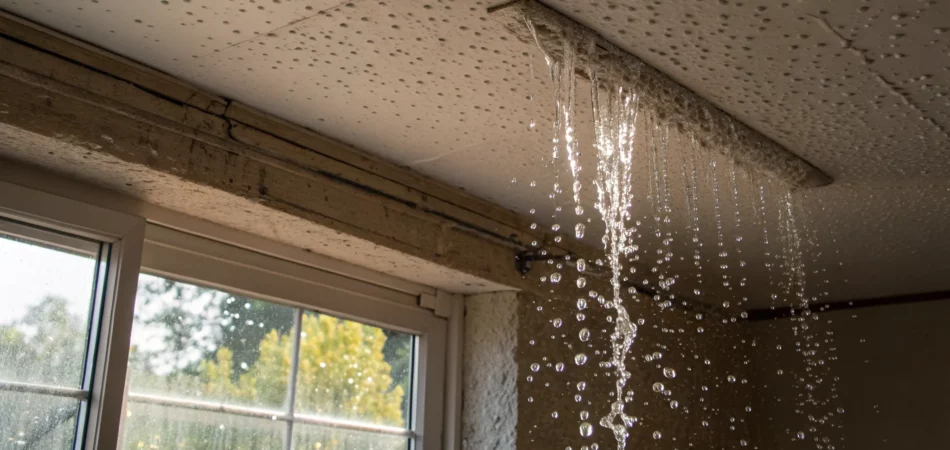
Upstairs Bathroom Flooded Ceiling: Causes & Solutions
Whether you’re dealing with water dripping from your upstairs bathroom, a ceiling leak, or flooding that’s seeping through to lower levels, the fundamental response principles remain the same while the severity and restoration requirements may vary significantly. Minor dripping typically indicates early-stage leaks from fixtures, supply lines, or minor grout failures that can often be resolved quickly with professional plumbing repairs and minimal restoration. Moderate ceiling leaks usually involve more significant plumbing failures, toilet seal problems, or shower pan leaks that require immediate professional intervention to prevent extensive structural damage and mold growth.
Severe flooding scenarios where upstairs bathroom water saturates ceilings and spreads to multiple rooms represent plumbing emergencies requiring immediate water damage restoration services, structural repairs, and comprehensive mold prevention protocols. Regardless of severity, all bathroom water damage scenarios require immediate action to prevent escalation – even minor dripping can become major flooding if underlying issues aren’t addressed professionally. The key distinction lies in response time and restoration scope, with minor issues potentially resolved in hours while major flooding may require weeks of professional restoration services to return your property to safe, habitable conditions.
What Causes a Ceiling Leak from an Upstairs Bathroom?
That dreaded water stain on your ceiling is more than just an eyesore—it’s a sign that something is wrong upstairs. Bathrooms are a common source of leaks because of the complex network of plumbing and constant water use. Pinpointing the exact cause is the first step toward a real solution. Most of the time, the issue comes down to one of these four common problems. That brownish spot on your ceiling is just the tip of the iceberg. While the visible stain is concerning, the real danger of a ceiling leak from an upstairs bathroom is the damage you can’t see. Behind the drywall, water could be saturating insulation, weakening wooden support beams, and creating the perfect dark, damp environment for mold to thrive. In as little as 24 hours, a simple leak can begin a destructive process that compromises your home’s structural integrity and air quality. Before you simply patch and paint, it’s crucial to understand the full extent of the problem. This guide explains the hidden risks and outlines the proper steps for a thorough repair.Key Takeaways
- Control the Water, Then Investigate: Your first move should always be to shut off the main water supply to stop the damage from worsening. Afterward, you can methodically check common culprits like failing caulk, toilet seals, and under-sink pipes to narrow down the source.
- Know When to Call for Backup: Don’t underestimate a leak. If the water stain is growing, the ceiling is sagging, or the leak is anywhere near electrical fixtures, it’s a clear sign to call for expert help. Delaying a professional call is one of the costliest mistakes you can make.
- Prioritize Proactive Maintenance: You can prevent future leaks with simple, routine habits. Regularly inspect the caulk and grout in your bathroom, run the exhaust fan to reduce moisture, and consider an annual plumbing inspection to catch potential problems early.
Leaky Pipes and Faulty Connections
The most obvious culprit is often the right one: the pipes themselves. Behind your walls and beneath your floors, a network of supply and drain lines serves your shower, tub, sink, and toilet. A loose connection, a corroded joint, or one of the dreaded burst pipes can release water that will inevitably find its way down. These leaks can be slow drips that cause damage over weeks or sudden failures that create an immediate crisis. Since these pipes are hidden from view, you often won’t know there’s a problem until the evidence appears on the ceiling below.Cracked Caulk or Grout
Sometimes the problem isn’t the plumbing, but the seal meant to protect your home from water. The caulk and grout lines around your shower, bathtub, and even floor tiles create a waterproof barrier. Over time, this sealant can shrink, crack, and wear away, creating tiny gaps. Every time you shower, water can seep into these cracks, soaking the subfloor and drywall. It might not seem like much, but this consistent moisture exposure is a classic recipe for a slow leak that leads to wood rot, mold growth, and a stained, sagging ceiling.Overflowing Tubs, Sinks, or Toilets
Accidents happen. A distracted moment while filling the bathtub, a child’s toy flushed down the toilet, or a severely clogged drain can lead to an overflow. When a fixture overflows, a large volume of water spills onto the floor in a short amount of time. This water can quickly overwhelm the flooring and seep through any available crack or seam, appearing as a significant leak in the room below. These situations often require emergency plumbing services because the damage can spread so rapidly, affecting not just the ceiling but the entire structure.Worn-Out, Aging Pipes
If you live in an older home, your plumbing system has been working hard for decades. Materials like galvanized steel or old copper can corrode, rust, and become brittle over time. This natural aging process weakens the pipes, making them susceptible to pinhole leaks and cracks that slowly drip water. While a small drip might not seem urgent, it creates a persistently damp environment perfect for mold and structural decay. Professional leak detection can be essential for finding these hidden issues before they cause a catastrophic failure and require extensive water damage restoration.How to Find the Source of the Leak
Finding the source of a leak can feel like a bit of detective work, but it’s the most important first step. Before you can even think about repairs, you need to know exactly where the water is coming from. The location of the water stain on your ceiling is a major clue, but the actual problem might be a few feet away. By systematically checking the most common culprits in your upstairs bathroom, you can often narrow down the possibilities and figure out what’s causing the damage. These simple diagnostic steps can help you pinpoint the issue, so you know whether you’re dealing with a simple fix or something that requires a professional eye.Pause Water Use in the Upstairs Bathroom
One of the easiest ways to start your investigation is with a process of elimination. Stop using the upstairs shower and tub for a day or two. If the leak on the ceiling below stops or the water stain begins to dry out, you’ve likely found your problem area. The issue is probably related to water escaping the tub or shower, either through a faulty drain, cracked tile, or poor sealing. If the leak continues even when you aren’t using the bathroom fixtures, the problem is likely in a water supply pipe that is always under pressure. This is a more serious issue that often requires professional leak detection to find without tearing open walls unnecessarily.Inspect the Shower, Tub, and Toilet
Take a close look around all the water fixtures. Check the caulk and grout lines around your shower and tub. Are there any cracks, gaps, or areas that look worn out? Even a tiny opening can allow water to seep into the floor and ceiling below every time you shower. Also, watch for water splashing out onto the floor. Next, inspect the toilet. Check the base for any pooling water, which could signal a bad wax ring. Look at the supply line connecting the toilet to the wall and the bolts on the tank for any signs of drips. These seemingly small issues are common sources of persistent leaks.Check Under the Sink for Drips
Don’t forget to look inside the vanity. The plumbing under your bathroom sink is another frequent source of slow leaks that can go unnoticed for a long time. Clear everything out from under the sink to get a good view of the pipes. Then, turn on the faucet and let the water run for a minute or two. Carefully watch the pipes, especially the U-shaped pipe (called a P-trap) and the connections to the wall and the sink drain. If you see even a single drop of water forming, you’ve found a leak that needs to be addressed before it causes more significant water damage.Follow the Water Stains on the Ceiling
The water stains on your ceiling are your roadmap to the leak. While water can travel along joists, the source is typically directly above or very close to the most prominent part of the stain. Pay attention to how the stain behaves. Does it get larger after a shower and then seem to dry out a bit? This often points to a drain line issue. If the spot is constantly damp or actively dripping, you’re more likely dealing with a leak in a pressurized water supply line. Following these clues can help you communicate the problem clearly when you call for professional help.Found a Leak? Here’s What to Do Immediately
Seeing a water stain spread across your ceiling is alarming, but don’t panic. Your immediate actions can make a huge difference in minimizing the damage. By taking a few quick, strategic steps, you can control the situation before a professional arrives. Focus on stopping the water source and protecting your home.Shut Off Your Main Water Supply
This is your first and most important move. Stopping the flow of water prevents the leak from getting worse and causing more extensive damage. Your main water shut-off valve is usually located where the main water line enters your house—often in a basement, crawl space, or utility closet. Turn the valve clockwise until it’s completely closed. If you can’t find the valve or it won’t turn, don’t hesitate to call for emergency plumbing assistance. The sooner you cut off the water, the better.Contain the Drip and Protect Your Property
Once the water is off, your next priority is to manage the water that has already leaked. Place a bucket or large bowl directly under the drip to catch any remaining water. Lay down old towels or plastic tarps on the floor and over any furniture to protect them from damage. If the ceiling is bulging, the water pressure might be building up. You can carefully puncture the center of the bulge with a screwdriver to release the water in a controlled way into your bucket. This helps prevent the drywall from collapsing.Document the Damage for Insurance
Before you move anything or start any cleanup, pull out your phone and take photos and videos. Document the water stain on the ceiling, the dripping water, and any damage to your floors, furniture, or personal belongings. Get shots from multiple angles and distances. This evidence is crucial when you file a homeowner’s insurance claim. Clear, detailed documentation will help support your case and ensure the claims process goes as smoothly as possible while you arrange for water damage restoration.Stay Clear of Electrical Fixtures
Water and electricity are a dangerous combination. If the leak is near any light fixtures, ceiling fans, or smoke detectors, avoid touching them. Water can seep into the wiring and create a serious shock or fire hazard. Go to your home’s breaker box and shut off the power to that room or area as a precaution. If you see any sparks, hear buzzing sounds, or smell something burning, leave the area immediately and call for emergency water damage professionals. Don’t take any chances with electrical safety.When Is It Time to Call a Professional?
I love a good DIY project as much as anyone, but when it comes to water leaks, knowing your limits is key. A dripping ceiling can quickly go from a minor annoyance to a major disaster. While you might be tempted to fix it yourself, some situations are best left to the experts. Calling a professional isn’t admitting defeat; it’s making a smart decision to protect your property and prevent a small problem from turning into a costly, stressful ordeal. A professional team can accurately diagnose the source, handle the water damage restoration, and ensure the job is done right the first time, giving you peace of mind.The Repair Is Too Complex for DIY
Some leaks have simple solutions, like tightening a loose fitting under the sink. But if the source isn’t immediately obvious, the repair is likely more involved. For instance, if the leak is coming from a drain pipe, you’ll probably have to open up the ceiling to access it. This kind of work requires more than just a wrench and some guesswork. Professionals have the right tools and expertise to pinpoint the problem without causing unnecessary damage to your home. If you find yourself needing to cut into drywall or deal with complex plumbing, it’s a clear sign to call for emergency plumbing services.The Water Damage Is Spreading
Don’t underestimate a small drip. Even a tiny leak can cause big problems like rotting wood and mold growth if it isn’t fixed quickly. If you notice the water stain on your ceiling is getting bigger, or if the ceiling itself starts to bulge or sag, the damage is already spreading. Water is likely saturating the drywall, insulation, and wooden joists above. This is a race against time, as moisture creates the perfect environment for mold to thrive and can weaken your home’s structure. When you see the damage expanding, it’s time to stop monitoring and start acting by calling an emergency water damage team.You Have Electrical Safety Concerns
Water and electricity are a dangerous combination, and this is one area where you should never take risks. If the leak is near light fixtures, ceiling fans, or electrical outlets, you have a potential fire hazard on your hands. An untreated leak can short out electrical wires and pose a serious threat to your home and family. If you notice flickering lights or hear any buzzing sounds near the wet area, stay clear. Don’t touch any switches or fixtures in the vicinity. Your immediate priority should be safety, which means shutting off the power to that area (if you can do so safely) and contacting us for emergency help.You Suspect Structural Damage
A persistent leak can do more than just stain your ceiling; it can compromise the structural integrity of your home. If you notice the ceiling is sagging significantly, the floorboards in the bathroom above feel soft or spongy, or new cracks are appearing on the walls, you could be looking at structural damage. It’s crucial to investigate and address these issues promptly to prevent more severe problems. Water weakens wood beams and drywall over time, and what seems like a cosmetic issue could be a sign of something much more serious. Assessing and repairing this level of damage requires professional expertise to ensure your home remains safe and sound, often requiring a complete restoration approach.How to Repair Ceiling Damage After a Leak
Once you’ve stopped the leak at its source, the next phase is dealing with the aftermath. Repairing a water-damaged ceiling isn’t just about patching a hole; it’s about ensuring your home is safe, dry, and structurally sound. Rushing this process or cutting corners can lead to bigger problems like persistent mold or weakened joists. A proper repair involves several key steps, from a detailed damage assessment to the final coat of paint. Taking the time to do it right protects your property’s value and your family’s health. For extensive issues, a professional water damage restoration service can handle every step, ensuring no detail is overlooked. Tackling the repair systematically will give you peace of mind and a ceiling that looks as good as new.Assess the Full Extent of the Damage
The visible water stain on your ceiling is often just the tip of the iceberg. Water is sneaky—it can spread across ceiling joists and soak into insulation and drywall far from where the drip appeared. Before you start any repairs, you need to understand the full scope of the problem. Gently press on the area around the stain. Does it feel soft or spongy? Look for any sagging, bubbling, or peeling paint. It’s important to investigate and address the issue promptly to prevent further damage. You may need to cut a small inspection hole to see what’s happening behind the drywall. A thorough assessment ensures you repair all the affected materials, not just the obvious ones.Thoroughly Dry the Affected Area
You absolutely cannot skip this step. Sealing up a damp ceiling is a recipe for disaster, as trapped moisture creates the perfect breeding ground for mold and wood rot. After the leak has been fixed, the entire affected area—including drywall, joists, and insulation—must be bone dry. For small areas, you can use high-powered fans and a dehumidifier to speed up the process, which can take several days. For more significant leaks, professionals use specialized equipment like industrial air movers and moisture meters to guarantee everything is completely dry. Proper drying is a critical part of emergency water damage mitigation and prevents long-term structural problems.Replace Damaged Drywall and Insulation
Once you’re certain the area is dry, it’s time to remove any materials that were compromised. Waterlogged drywall will sag and crumble, and wet insulation loses its effectiveness and can harbor mold. You’ll need to cut away the damaged section of the ceiling in a clean square or rectangle that extends to the nearest joists. This makes it easier to install a new patch. After removing the old material, inspect the joists for any signs of water damage or rot before fitting new insulation and drywall. A quick response in addressing the damage can prevent more complete restoration work and save on costly repairs down the road.Check for and Remediate Mold
Mold can begin to grow in as little as 24 to 48 hours after a water leak, so it’s a serious concern. As you remove the damaged ceiling materials, carefully inspect the hidden areas for any signs of mold, which might look like black, green, or white fuzzy spots and often comes with a musty odor. If you find any, it needs to be addressed immediately. Simply painting over it won’t solve the problem. Proper mold remediation is essential for your home’s air quality and structural integrity. Because of the health risks involved, handling anything more than a very small patch of mold is a job best left to professionals who specialize in environmental cleanup.How to Prevent Future Bathroom Leaks
Once you’ve dealt with a ceiling leak, the last thing you want is a repeat performance. The good news is that a few proactive habits can go a long way in keeping your home dry and damage-free. Taking these simple steps can save you from the stress and expense of another major repair.Perform Regular Maintenance on Caulk and Grout
It’s easy to assume that a ceiling leak must come from a pipe, but often the problem starts with failing caulk or grout. The seals around your bathtub and shower are your first line of defense, but they wear down over time. When caulk cracks or grout deteriorates, it creates a direct path for water to seep behind your walls and into the ceiling below. Make it a habit to inspect these areas every few months. If you see any gaps, cracks, or peeling, it’s time for a refresh. A quick re-caulking job is an easy and inexpensive DIY project that can prevent thousands of dollars in future water damage restoration.Ensure Your Bathroom Is Properly Ventilated
That steamy, post-shower fog might feel cozy, but it’s not great for your home. Lingering moisture creates the perfect environment for mold growth and can slowly degrade your drywall and paint. Proper ventilation is key to getting that humid air out quickly. Always run your exhaust fan while you shower or bathe, and leave it on for at least 15-20 minutes afterward. This simple action pulls moisture out of the room before it has a chance to condense on surfaces and cause problems. If you don’t have a fan, cracking a window open can also help improve airflow and keep your bathroom dry.Schedule Routine Plumbing Inspections
Some of the most destructive leaks are the ones you can’t see. Slow drips from aging pipes or loose fittings behind a wall can go unnoticed for months, causing rot, mold, and serious structural issues. Scheduling routine inspections with a professional can help you catch these problems before they escalate. A licensed plumber can identify early signs of corrosion, check water pressure, and ensure all connections are secure. Think of it like a check-up for your home’s plumbing system. Having a trusted expert perform an annual review can give you peace of mind and prevent a small issue from turning into a full-blown emergency plumbing disaster.Consider a Water Leak Detection System
For an extra layer of protection, a water leak detection system is a smart investment. These modern devices monitor your home’s water flow and can alert you instantly if they sense a problem. Some systems simply send a notification to your phone, while more advanced ones can automatically shut off your main water supply to stop a leak in its tracks. This technology is especially valuable for catching sudden issues like burst pipes or a malfunctioning appliance. It’s a powerful tool that works around the clock to protect your property, giving you peace of mind whether you’re at home or away.Common Mistakes to Avoid with Ceiling Leaks
When you spot that dreaded water stain on your ceiling, it’s easy to fall into a few common traps. Your reaction in the first few hours can make a huge difference in the extent of the damage and the cost of repairs. Knowing what not to do is just as important as knowing what to do. Many homeowners understandably want to minimize the issue, hoping it’s a simple fix or that it will resolve itself. This often leads to delaying action, trying a quick DIY patch that doesn’t address the root cause, or simply underestimating how quickly water can cause serious problems. By avoiding these frequent missteps, you can protect your home from more serious issues like widespread mold growth, compromised structural integrity, and expensive, large-scale restoration projects. A small drip can saturate insulation, warp wooden beams, and ruin drywall in a surprisingly short amount of time. Understanding the potential pitfalls ahead of time empowers you to make smart, decisive choices that will save you headaches and money. Let’s walk through the most common mistakes homeowners make so you can handle the situation with confidence and protect your property.Ignoring Small Water Stains
That small, brownish circle on your ceiling might seem harmless, but it’s a major red flag. Many homeowners assume a tiny stain isn’t a big deal, but it often points to a much larger, hidden problem. A slow, persistent leak from a pipe or a failing seal can saturate drywall and insulation long before you see visible evidence. Ignoring it allows moisture to spread, weakening your home’s structure and creating a perfect breeding ground for mold. The best course of action is to treat every water stain as a sign of an active issue that needs immediate water damage restoration.Assuming It’s a Minor Issue
Another common mistake is underestimating the severity of a leak. A huge misconception is that water damage dries out on its own quickly. In reality, moisture gets trapped within your ceiling, floors, and walls, where it can cause serious harm. What appears to be a small puddle or a slow drip can lead to rotted wood, crumbling drywall, and widespread mold contamination that can affect your home’s air quality. It’s crucial to address any sign of water damage right away, as untreated leaks can quickly escalate from a simple repair to a major environmental cleanup project.Delaying a Call for Professional Help
When you’re faced with a leak, it can be tempting to wait and see if it gets worse. However, procrastination is your worst enemy when it comes to water damage. Delaying a call for professional help only allows the problem to grow, leading to more extensive and costly repairs down the road. Addressing a ceiling leak promptly saves you time, money, and a lot of stress. A professional team can quickly locate the source of the leak and begin the drying process, preventing further damage. If you see a leak, don’t wait—call for emergency water damage services immediately.Not Drying the Area Completely
Stopping the leak is only the first step. A critical mistake is failing to ensure the affected area is dried completely. Surface drying with fans and towels isn’t enough to remove moisture trapped deep within building materials. Without professional-grade air movers and dehumidifiers, lingering dampness can lead to mold growth and structural decay. After a leak has been fixed, it’s essential to have a professional complete restoration to properly mitigate the water damage. This ensures every layer of your ceiling and floor is thoroughly dry, protecting your home from long-term issues.Insurance Coverage for Ceiling Leak Repairs
When dealing with a ceiling leak from your upstairs bathroom, understanding your insurance coverage is crucial for minimizing out-of-pocket expenses. Most homeowner’s insurance policies cover sudden and accidental water damage, including burst pipes, overflowing toilets, or failed bathroom fixtures. However, gradual leaks due to poor maintenance are typically excluded. Document everything immediately with photos and videos, noting the time and date of discovery. Contact your insurance company within 24-48 hours to file a claim, and keep detailed records of all conversations and correspondence. At Drywizard Restoration, we work directly with your insurance carrier to streamline the claims process and ensure you receive the maximum coverage for your restoration needs. Our IICRC-certified technicians provide detailed documentation that insurance adjusters trust, helping expedite your claim approval.Get Expert Help for Your Ceiling Leak in Tampa
When you’re staring at a growing water stain on your ceiling, the last thing you want is more stress. While some minor fixes can be handled on your own, a leak from an upstairs bathroom often points to a bigger problem that requires a professional touch. Addressing the issue right away is the most important thing you can do to protect your home and your wallet. A small drip can quickly turn into a major headache, causing structural damage, mold growth, and costly repairs down the line. That’s where we come in. If you’re in the Tampa area, our team at Drywizard is ready to step in and take the weight off your shoulders. We have the experience and equipment to find the source of the leak, fix the damage, and restore your peace of mind. We understand how disruptive this can be, which is why we focus on providing a clear, straightforward process from start to finish. You don’t have to figure this out alone. We’ll walk you through every step, from the initial inspection to the final repairs, ensuring your home is safe and dry. Don’t wait for the problem to get worse; contact us and let our experts handle it from here.Our 24/7 Emergency Response Team
A burst pipe or a major leak doesn’t stick to a 9-to-5 schedule, and neither do we. Water damage spreads quickly, so a fast response is critical to minimizing the impact on your home. That’s why our team is on call 24/7, ready to respond to your call anytime, day or night. We promise to be on-site in 45 minutes or less to start the assessment and begin mitigation. Getting a professional there quickly can be the difference between a simple repair and a full-scale restoration project. Our emergency water damage services are designed to stop the source of the leak immediately, preventing further saturation of your drywall, insulation, and structural beams.IICRC-Certified Restoration Experts
When someone is working in your home, you want to know they’re qualified. Our restoration experts are IICRC-certified, which means they’ve been trained to meet the highest standards in the cleaning and restoration industry. This isn’t just a fancy title; it’s your assurance that we know exactly how to handle water damage the right way. Our certified technicians can accurately identify the source of the leak, assess the extent of the damage, and use proven techniques for drying and repair. We follow industry-best practices to ensure your water damage restoration is thorough, safe, and effective, giving you confidence that the job is done correctly the first time.Comprehensive Damage Repair from Start to Finish
Stopping the leak is just the first step. The aftermath—soaked drywall, damp insulation, and the potential for mold—requires a comprehensive approach. We manage the entire restoration process so you don’t have to juggle multiple contractors. After we’ve addressed the source of the leak, our team will handle water extraction, structural drying, and dehumidification. We’ll carefully remove any materials that can’t be saved and then expertly repair your ceiling, walls, and floors. Our goal is to provide a complete restoration that returns your home to its pre-damage condition, making it feel like the leak never even happened. We keep you informed every step of the way, ensuring a smooth and stress-free recovery.Related Articles
- Is There A Hidden Water Leak Behind Your Wall?
- A Step-by-Step Guide to Repair Drywall Water Damage
- Leak Detection in Tampa, FL – Leak Detectors
- How to Choose a Water Damage Restoration Company