
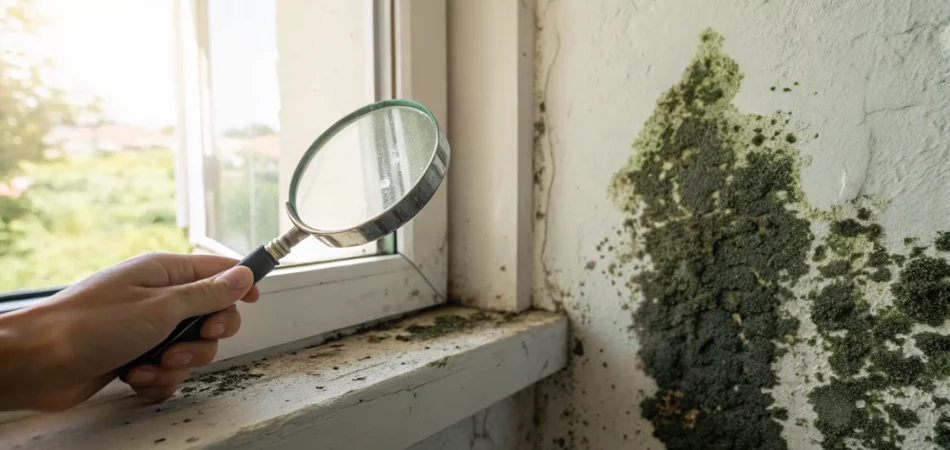
Your home is your biggest investment, and mold is a silent threat to its value and structural integrity. It doesn’t just stain walls; it actively feeds on organic materials like drywall, wood beams, and insulation. What starts as a small, hidden leak can lead to widespread decay, compromising the very framework of your house. Protecting your property means tackling the problem at its source, not just covering it up. When you start searching for a ‘mold removal company near me’, you’re not just looking for a cleaning service—you’re looking for a partner to protect your investment. We’ll break down how professional remediation stops the damage and restores your home to a safe, sound condition.
Key Takeaways
- Fix the water problem first: To get rid of mold for good, you have to find and repair the source of the moisture, whether it’s a hidden leak, high humidity, or poor ventilation.
- Hire a certified professional for safe removal: DIY methods often spread mold spores and create bigger problems. A company with IICRC certification has the right training and equipment to contain and eliminate mold without risking your health.
- Stay proactive with moisture control: After remediation, prevent mold from returning by keeping indoor humidity below 50%, improving ventilation in kitchens and bathrooms, and addressing any new water issues right away.
What Does a Mold Removal Company Actually Do?
When you discover mold, it’s easy to think a little scrubbing will solve the problem. But a professional mold removal company does so much more than surface cleaning. They follow a meticulous process to identify the source, contain the spread, eliminate the mold, and help prevent it from returning. It’s a comprehensive approach designed to protect your property and your health. Think of them as environmental specialists for your home, tackling the issue at its root to ensure a safe, clean living space. Let’s walk through exactly what you can expect when you call in the experts.
Inspecting and Assessing the Mold Problem
The first thing a professional team does is a thorough inspection. This isn’t just about looking at the visible spots you’ve already found. Experts use their training and specialized equipment to find hidden mold and, most importantly, identify the source of the moisture that’s allowing it to grow. Whether it’s a slow leak, high humidity, or recent flooding, finding and fixing the water problem is the key to a lasting solution. This initial assessment allows them to understand the full extent of the issue and create a targeted plan for water damage restoration and mold removal.
The Mold Remediation and Removal Process
Once the assessment is complete, the hands-on work begins. The process starts with containment. Professionals will set up physical barriers and may use negative air pressure to keep mold spores from spreading to other areas of your home during the removal. They’ll also shut down your HVAC system to prevent cross-contamination. Next, they use specialized antimicrobial treatments to kill the mold. For materials that are too heavily damaged to be salvaged, like drywall or carpet, the team will carefully remove and dispose of them according to industry safety standards, preparing the area for a complete restoration.
Cleaning and Sanitizing Affected Areas
After the mold is removed, the job isn’t over. The next step is a deep cleaning and sanitization of all affected areas. This includes non-porous surfaces like floors and walls, as well as personal belongings that may have been exposed to mold spores. Professionals use specialized techniques and equipment, like HEPA vacuums and air scrubbers, to capture any lingering spores from the air and surfaces. This thorough environmental cleanup ensures that your home is not only free of visible mold but also that the air quality is restored to a safe and healthy level for you and your family.
Strategies to Prevent Future Mold
A truly reputable company wants to solve your mold problem for good. A huge part of their job is helping you prevent it from coming back. This often involves providing expert advice on controlling moisture in your home. They might recommend improving ventilation in bathrooms and kitchens, using a dehumidifier in damp areas like basements, or grading the soil around your foundation to direct water away. Most importantly, they’ll stress the need to address any water issues immediately. Taking care of leaks as soon as you spot them is one of the best ways to keep your home mold-free.
How to Find a Reputable Mold Removal Company
Finding mold in your home is stressful enough without the added worry of hiring the wrong company to fix it. The right team will not only remove the mold but also address the underlying moisture issue to ensure it doesn’t come back. Taking a little time to vet your options can save you a lot of headaches and money down the road. The goal is to find a professional, certified, and trustworthy company that can restore your home safely and effectively. Think of it as finding a partner who can guide you through the process and give you peace of mind. Here’s a straightforward approach to finding a great mold removal specialist in your area.
Check Online Directories and Search Engines
Your search will likely start online, and that’s a great place to begin. Use specific search terms like “mold remediation in Tampa” or “mold removal near me” to get a list of local professionals. Websites like the Better Business Bureau (BBB) and Angi can also provide lists of contractors in your area. As you browse, look for companies with a professional website that clearly outlines their services and provides contact information. A strong local presence and a history of service in your community are good indicators that you’re looking at an established and reliable business.
Read Local Reviews and Testimonials
Once you have a shortlist of companies, it’s time to see what past customers have to say. Reviews give you a real-world look into a company’s performance. Look for patterns in the feedback. Are customers consistently praising their communication, professionalism, and the quality of their work? Pay attention to how a company responds to negative reviews, too—a professional and helpful response is a good sign. You can find reviews on Google, Yelp, and often on the company’s own website. Reading through these customer testimonials can help you gauge what kind of experience you can expect.
Ask Friends and Family for Recommendations
Don’t underestimate the power of a personal recommendation. Reach out to friends, family, neighbors, or even colleagues who live nearby. There’s a good chance someone you know has dealt with a water leak or mold issue and can recommend a company they trusted. A referral from someone you know often comes with a detailed story about their experience, giving you insights you won’t find in an online review. You can also try asking for recommendations in local community groups on social media, as you’ll often get honest, unfiltered feedback from people in your area.
Verify Their Certifications and Licensing
This step is non-negotiable. A reputable mold removal company must have the proper credentials. The most important one to look for is certification from the Institute of Inspection, Cleaning and Restoration Certification (IICRC). This is the industry standard and proves the technicians have been trained in the best practices for mold remediation. You should also confirm that the company is fully licensed and insured in Florida. This protects you from any liability in case of an accident on your property. Don’t be afraid to ask for proof of these credentials—a professional company will be happy to provide them.
What to Look for When Choosing a Mold Removal Company
Once you’ve decided to call in the pros, the next step is figuring out which pros to call. A quick search will show you plenty of options, but they aren’t all created equal. Choosing the right company is the single most important factor in making sure your mold problem is handled correctly the first time. The wrong choice can lead to recurring mold, incomplete cleanup, and even more damage to your property.
So, what separates a top-tier restoration company from the rest? It comes down to a few key things: their training, their accountability, their responsiveness, and their tools. You want a team that is not only certified to handle the job but also fully insured to protect you from any liability. You need a company that understands urgency and is ready to act fast, because mold doesn’t wait. Finally, they need the right professional-grade equipment to do the job safely and effectively. Vetting a company on these points will help you find a reliable partner to restore your home and your peace of mind.
IICRC Certification and Professional Training
Think of this as the gold standard for the restoration industry. When a company says its technicians are certified by the Institute of Inspection, Cleaning and Restoration Certification (IICRC), it means they’ve undergone extensive training and passed exams on the best practices for mold remediation. These professionals don’t just guess—they follow proven, industry-approved standards to safely remove mold and prevent it from returning. Hiring a certified team ensures you’re getting experts who understand the science behind mold growth and removal, which is exactly what you need for a problem this serious.
Proper Insurance and Service Guarantees
This one is non-negotiable. Any reputable mold removal company must carry comprehensive liability insurance. This protects you and your property in the unlikely event that something goes wrong during the remediation process. Don’t be afraid to ask for proof of insurance before any work begins. Beyond that, look for a company that offers a service guarantee. A team that stands behind its work is confident in its methods and results. This gives you assurance that they are committed to solving your mold problem for good, not just providing a temporary fix.
24/7 Availability and Fast Response Times
A water leak or flood can lead to mold growth in as little as 24 to 48 hours. The problem won’t wait for standard business hours, and your mold removal company shouldn’t either. Look for a team that offers 24/7 emergency services and can promise a fast response time. The sooner technicians can get on-site to assess the situation and begin containment, the less damage the mold can do. A rapid response is critical to minimizing repair costs and protecting the health of everyone in the building.
Advanced Equipment and Safety Measures
Professional mold remediation requires much more than a bucket and some bleach. A qualified company will use advanced equipment to get the job done right. This includes things like HEPA (High-Efficiency Particulate Air) vacuums and air scrubbers to capture microscopic mold spores from the air, as well as commercial-grade dehumidifiers to dry out affected areas. They should also use physical containment barriers and negative air pressure to prevent spores from spreading to other parts of your home during the removal process. This commitment to a complete restoration is what truly sets the pros apart.
How Much Does Mold Removal Cost?
One of the first questions on anyone’s mind when they discover mold is, “What’s this going to cost me?” It’s a valid concern, and the answer isn’t always straightforward. The price for professional mold remediation can vary quite a bit because every situation is unique. Understanding the factors that influence the final bill can help you set realistic expectations and make an informed decision when hiring a professional. The goal is to solve the problem for good, not just find the cheapest quick fix that allows the mold to return.
What Factors Affect the Price?
The cost of mold removal isn’t a one-size-fits-all number. Several key factors determine the final price. The most significant is the extent of the mold growth—a small patch in a bathroom corner will cost far less to treat than a widespread problem throughout your basement. The location also matters. Mold that’s easily accessible is simpler to remove, but if it’s hiding inside walls, within your HVAC system, or in an attic, the job requires more labor and specialized equipment. The type of material affected (e.g., porous drywall vs. non-porous tile) also plays a role in the complexity and price of the environmental cleanup.
Understanding Average Costs
While a precise quote requires a professional inspection, looking at national averages can give you a general idea. Homeowners typically spend between $1,200 and $3,800 for professional mold remediation, with the national average sitting around $2,200. For a small, contained area, you might pay a few hundred dollars. For extensive contamination affecting multiple rooms or your HVAC system, the cost can climb into the thousands. Remember, these are just ballpark figures. The only way to know the true cost for your specific situation is to have a certified specialist assess the damage in person.
How to Get an Accurate Estimate (and Avoid Hidden Fees)
To get a reliable quote, you need a detailed, written estimate from a certified mold remediation company. Be wary of vague quotes or those given over the phone without an inspection. A true professional will want to see the problem firsthand. Ask for a line-item breakdown that details the costs for each step, from containment and removal to cleaning and any necessary repairs. This transparency helps you understand exactly what you’re paying for and avoids surprise fees later. When you’re ready for a clear and honest assessment, you can contact us to schedule an inspection.
Will Insurance Cover Mold Removal?
Whether your homeowner’s insurance covers mold removal is a common question, and the answer depends entirely on your policy and the cause of the mold. Many standard policies offer limited or no coverage for mold. However, if the mold is the direct result of a covered peril, you have a much better chance. For example, if a sudden burst pipe leads to water damage and subsequent mold growth, your policy may cover the remediation. It’s crucial to read your policy carefully and speak directly with your insurance agent to understand your specific coverage before starting any work.
Why You Shouldn’t Wait to Remove Mold
Finding mold in your home is unsettling, and it’s one of those problems that only gets worse with time. That small spot on the ceiling or the faint musty smell in the basement might seem like minor annoyances, but they can quickly spiral into major issues. Acting fast isn’t just about getting rid of an ugly stain; it’s about protecting your family’s health, your property’s value, and your peace of mind. Ignoring mold allows it to spread, feed on organic materials like drywall and wood, and release spores into the air you breathe. The longer you wait, the more complex and costly the solution becomes. Let’s break down exactly why you shouldn’t put off calling for professional help.
The Health Risks of Living with Mold
First and foremost, mold poses a significant risk to your health. When mold grows, it releases spores into the air that can be easily inhaled. For many people, this leads to immediate allergic reactions like persistent coughing, sneezing, itchy eyes, and skin irritation. According to Harvard Health, long-term exposure can cause more serious complications, including inflammation along the respiratory tract. This is especially dangerous for children, the elderly, and anyone with asthma or a compromised immune system. Treating your home for mold is a critical step in maintaining a safe and healthy living environment, requiring a thorough environmental cleanup to ensure all traces are gone.
Warning Signs of a Mold Problem
Sometimes mold is obvious, but it often hides behind walls, under floors, or in attics. Your senses are your best tool for early detection. The most common sign is a persistent, musty odor that you can’t seem to trace. You might also spot visible signs of growth, which can look like black, green, or white specks or even slimy, discolored patches on walls or ceilings. Pay close attention to areas with high humidity, like bathrooms, kitchens, and basements. If you notice condensation on your windows or see dark spots on your A/C filters, it could point to a hidden mold problem. Since moisture is the number one cause of mold, these signs often indicate an underlying issue that needs professional water damage restoration.
How Mold Damages Your Property Over Time
Beyond the health concerns, mold actively destroys your property. It feeds on organic materials, meaning it will eat away at drywall, wood studs, insulation, and even carpeting. What starts as a surface-level problem can quickly compromise the structural integrity of your home. This damage is often hidden from view until it becomes severe and requires extensive repairs. Ignoring mold not only leads to more expensive consequences but can also significantly reduce your home’s value. A professional can address the source of the moisture and provide a complete restoration of the affected areas, preventing further decay and protecting your investment for the long term.
Common Myths About Mold Removal
When you find mold in your home, your first instinct might be to search for a quick fix. Unfortunately, there’s a lot of misinformation out there that can turn a manageable problem into a major one. Believing these common myths can not only fail to solve the issue but can also put your health and your home’s structure at risk. Let’s clear up a few of the most persistent myths so you can handle a mold problem the right way from the start. Understanding the truth about mold is the first step toward getting your home back to a safe, healthy state.
The Dangers of DIY Mold Removal
It’s tempting to grab a scrub brush and try to tackle a mold spot on your own. While the DIY spirit is admirable, mold removal is a job best left to professionals. When you scrub or disturb a mold colony without proper containment, you can release millions of microscopic spores into the air. These spores can travel through your HVAC system and start new colonies in other parts of your home. More importantly, improper handling can expose you and your family to harmful mycotoxins, leading to respiratory issues and other health problems. A professional environmental cleanup team uses specialized equipment and techniques to contain the area and remove mold safely, protecting both your home and your health.
Does Bleach Really Kill Mold? (And Other Myths)
One of the most common pieces of advice you’ll hear is to spray mold with bleach. This is a myth that can actually make things worse. While bleach might remove the surface stain on non-porous materials like tile or glass, it can’t penetrate porous surfaces like drywall or wood, where the mold’s “roots” are. The water in the bleach solution soaks into the material, feeding the underlying mold and encouraging it to grow back even stronger. Plus, mixing bleach with other chemicals can create toxic fumes. The only effective way to stop mold is to address the underlying moisture issue, which is often the result of a leak or high humidity that requires professional water damage restoration.
Why Mold Keeps Coming Back
Have you ever cleaned a patch of mold only to see it reappear a few weeks later? This happens because you’ve only addressed the symptom, not the cause. Mold spores are a natural part of our environment and are always present in the air. They can’t be eliminated entirely. They only become a problem when they land on a damp surface and begin to grow. Simply wiping away the visible mold doesn’t solve the moisture problem that allowed it to thrive in the first place. To permanently stop mold from returning, you have to find and fix the source of the moisture. This is why a complete restoration process is so critical—it addresses the water source, removes the contaminated materials, and restores your home to a safe, dry state.
How to Prevent Mold from Coming Back
After you’ve had mold professionally removed, the last thing you want is a repeat performance. The good news is that preventing mold is all about controlling its favorite thing: moisture. By taking a few proactive steps, you can make your home an unwelcome place for mold spores and keep your property safe and healthy for the long haul. It’s about creating an environment where mold simply can’t thrive. These strategies focus on managing moisture and maintaining your home so you can breathe easy knowing you’ve shut the door on future growth.
Control Humidity and Improve Ventilation
This one is huge, especially here in Florida. Mold loves damp, stagnant air. Your goal is to keep the air in your home moving and the humidity levels down. A great rule of thumb is to keep indoor humidity between 30% and 50%. You can easily monitor this with a small, inexpensive device called a hygrometer. Make it a habit to run the exhaust fan in your bathroom during and after a shower, and use the one in your kitchen when you’re cooking. If you have areas that are naturally damp, like a basement or laundry room, running a dehumidifier can be a game-changer. Good airflow is one of your best defenses against mold.
Fix Leaks and Manage Moisture Immediately
A tiny drip can turn into a massive mold problem faster than you think. The key is to act fast. Whether it’s a leaky pipe under the sink, a drip from the ceiling, or a faulty appliance hose, don’t put off the repair. If you experience any kind of water intrusion, from a spill to a major flood, the clock is ticking. You generally have about 24 to 48 hours to get the area completely dry before mold starts to grow. That’s why having a reliable team for emergency plumbing is so important. Regularly check for water stains on ceilings and walls, as these are often the first signs of a hidden leak that needs immediate attention.
Simple Tips for Regular Maintenance
Think of this as a quick health check-up for your home. A little bit of regular maintenance goes a long way in preventing mold. Once a month, do a quick scan under all your sinks to check for drips or moisture. Make sure your gutters are clean and directing water away from your home’s foundation. It’s also smart to check your air conditioner’s drip pans to ensure they’re draining properly. If you notice condensation on your windows, wipe it up and figure out how to reduce the humidity in that room. These small, consistent actions are your best bet for stopping a water damage issue before it gives mold a chance to settle in.
Related Articles
- Attic Mold Removal Services: A Cost & Process Guide – Drywizard Restoration & Drywall Inc.
- Mold Removal and Mold Remediation: The Real Difference – Drywizard Restoration & Drywall Inc.
Frequently Asked Questions
How long does the mold removal process usually take? The timeline really depends on the size and complexity of the job. A small, contained issue in a bathroom might only take a day or two to resolve. However, if the mold is widespread or hidden inside walls, the process of containment, removal, and restoration could take a week or more. A professional assessment will give you a much clearer and more accurate timeline for your specific situation.
Do I need to leave my home during the mold remediation? This depends on the scope of the work. For a minor job that’s isolated to one room, you can often stay in your home. For larger projects, especially those involving your HVAC system or if you have family members with respiratory sensitivities, it’s generally safer to make arrangements to stay elsewhere. The remediation team will always prioritize your safety and give you a clear recommendation based on their initial inspection.
I only see a small spot of mold. Can I just clean it myself? It’s tempting to try, but what you see on the surface is often just a fraction of the actual problem. Mold can have deep roots within porous materials like drywall, and scrubbing it can release millions of spores into the air, potentially spreading the issue to other areas of your home. A professional team addresses the hidden mold and, most importantly, fixes the moisture source that allowed it to grow in the first place.
My house has a musty smell, but I can’t see any mold. What should I do? That persistent musty odor is one of the most common signs of a hidden mold problem. Mold loves to grow in dark, damp places like behind walls, under flooring, or in attics. If your nose is telling you something is off, it’s best to trust it. The right next step is to have a professional come out and perform a thorough inspection to locate the source of the smell and the underlying moisture issue.
Will the mold come back after you’re done? A professional mold remediation is designed to be a permanent solution. The goal isn’t just to clean the visible mold but to eliminate the source of moisture that’s feeding it. By fixing the underlying leak or humidity problem and properly removing all contaminated materials, a reputable company ensures the conditions that allowed mold to grow are gone. They will also give you practical advice on how to keep your home dry and prevent any future issues.