
When your property is underwater, you’re in a vulnerable position. You need the problem fixed immediately, and some companies take advantage of that urgency with high-pressure tactics and vague promises. But a quick fix isn’t the same as a correct fix. The difference lies in hiring a team with proven expertise and a commitment to transparency. This guide is designed to empower you during a crisis. We’ll give you the essential questions to ask and the warning signs to watch for so you can confidently select a local water damage company that will solve the problem completely, without creating new ones.
Key Takeaways
- Go Beyond Surface-Level Cleanup: A certified restoration company addresses the full scope of damage. They use specialized equipment to dry hidden moisture within walls and floors, prevent mold growth, and handle any necessary rebuilding, protecting your home’s long-term health.
- Act Quickly and Safely: Your first steps matter immensely. Prioritize safety by shutting off utilities, then document the damage with photos for your insurance claim before calling a 24/7 emergency restoration team to minimize the damage.
- Choose Your Pro with Confidence: Don’t let urgency lead to a bad decision. Always verify a company’s IICRC certification and insurance, check recent customer reviews, and get a detailed written estimate to avoid scams and ensure quality work.
What Does a Water Damage Company Actually Do?
When you find water in your home, your first thought might be about mopping it up. But a professional water damage company does so much more than that. Their job is to manage a comprehensive, multi-step process to bring your property back to the way it was before the damage occurred. They handle everything from the initial emergency call to the final coat of paint, ensuring the problem is fixed correctly and safely. Think of them as project managers for your property’s recovery. They have the specialized equipment and certified expertise to tackle hidden moisture, prevent long-term problems like mold, and even rebuild parts of your home if needed. It’s a complete service designed to give you peace of mind during a stressful time.
Water Extraction and Removal
The first and most critical step is getting the water out—fast. Professionals don’t just use towels and buckets; they bring in powerful, truck-mounted pumps and vacuums to remove hundreds or even thousands of gallons of standing water from your property. This immediate action is crucial for minimizing further damage to your floors, walls, and furniture. The goal of this initial emergency water damage response is to quickly extract the bulk of the water so the drying process can begin. This rapid removal helps prevent water from seeping deeper into structural materials, which can lead to more complex and expensive problems down the road.
Structural Drying and Dehumidification
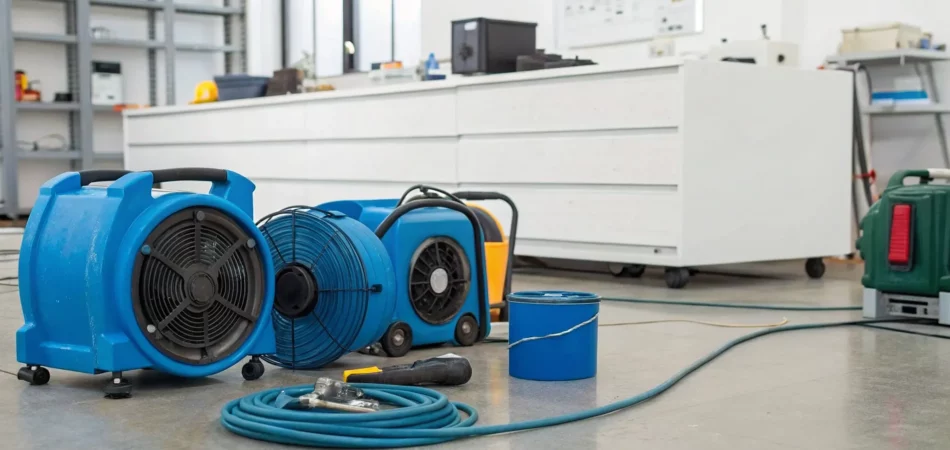
Once the standing water is gone, the real work of drying begins. Moisture hides everywhere—in drywall, under floorboards, and within wall cavities. A professional water damage restoration team uses specialized tools like industrial-grade air movers and dehumidifiers to target this hidden moisture. They strategically place this equipment to create airflow and pull water vapor from the air and materials. This process typically takes a few days and is carefully monitored with moisture meters to ensure your home is returned to its proper humidity level. Thorough drying is essential to prevent warping, swelling, and the structural decay of your home’s framework.
Mold Prevention and Remediation
Where there’s water, there’s a risk of mold, which can start growing in as little as 24 to 48 hours. A key part of the restoration process is preventing mold before it starts. After drying, technicians often apply antimicrobial treatments to affected surfaces to inhibit mold growth. If mold is already present, a certified team will handle the environmental cleanup by containing the area, removing the contaminated materials safely, and cleaning the air. This step is vital not only for protecting your property but also for safeguarding your family’s health from the potential risks associated with mold exposure.
Cleaning and Restoring Your Belongings
Water damage doesn’t just affect your house; it affects your home and the things inside it. Restoration companies can often salvage personal belongings that you might think are ruined. Using specialized techniques, they can clean and restore items like furniture, carpets, curtains, and even important documents. Depending on the item and the type of water damage, they may use different methods like abrasive cleaning, spray-and-wipe cleaning, or immersion cleaning. The goal is to save as many of your cherished possessions as possible, helping to make the recovery process feel a little less overwhelming and get your life back to normal.
Complete Reconstruction Services
Sometimes, the damage is too severe for simple repairs. Materials like drywall, insulation, and flooring may need to be completely removed and replaced. A full-service restoration company can handle the entire reconstruction process. This means they won’t just leave you with a dry but empty room; they will manage the repairs from start to finish. This can include installing new drywall, laying new carpet, painting, and making any other necessary structural repairs. Having one team handle the complete restoration from water removal to rebuilding simplifies the process, ensuring a seamless transition back to your pre-damage home.
Your First Steps After Discovering Water Damage
Finding water damage in your home or business can feel overwhelming. Whether it’s a slow leak you just noticed or a sudden flood from a burst pipe, the initial moments are stressful. But what you do right away can make a huge difference in the final outcome. Taking a few key actions can protect your safety, minimize the damage, and make the recovery process much smoother. Before you even think about cleanup, it’s important to assess the situation calmly and follow a clear plan.
This isn’t just about mopping up a puddle; it’s about preventing long-term problems like structural issues and mold growth. The goal is to secure the area, stop more water from coming in, and get the right people on the phone. Think of these steps as your emergency checklist. By working through them methodically, you can take control of a chaotic situation and set the stage for a successful restoration. Remember, the first hour is critical, and having a plan will help you act decisively when it matters most. If the situation feels too big to handle, a team specializing in emergency water damage can take over at any point.
Prioritize Safety: Turn Off Utilities
Before you do anything else, make sure the area is safe. Water and electricity are a dangerous combination. If you have standing water, your first move should be to cut the power to the affected areas by switching off the appropriate breakers in your electrical panel. If you aren’t sure which breakers to turn off, it’s safest to shut off the main breaker. If you smell gas or suspect a gas leak, turn off the gas supply immediately and leave the property. Your safety is the top priority. If you feel unsafe or are unsure how to turn off your utilities, don’t hesitate to call your utility company or an emergency professional for help.
Document the Damage for Insurance
Once the area is safe, start documenting everything. Before you move or clean up anything, pull out your phone and take plenty of photos and videos. Capture the full scope of the damage, including the source of the water if you can see it, the areas that are wet, and any personal belongings that have been affected. Get wide shots of the entire room and close-ups of specific damage. This visual evidence is incredibly important for your insurance claim. It provides clear proof of your losses and helps the adjuster understand the extent of the situation, which can speed up the entire claims process significantly.
Find and Stop the Water Source
With the area safe and documented, your next goal is to stop more water from entering your property. If the source is obvious, like an overflowing toilet or a leaking appliance hose, you can often stop it by turning off the local water supply valve, which is usually located behind or beneath the fixture. If you’re dealing with something bigger like a burst pipe or can’t find the source, your best bet is to shut off the main water valve to your entire property. This will prevent the situation from getting worse while you wait for professional help to arrive.
Call Your Insurance Agent
As soon as you can, contact your insurance agent or company to report the damage. The sooner you start the claims process, the better. When you call, have your policy number handy and be ready to describe what happened. Your agent will walk you through the next steps, explain what your policy covers, and let you know what documentation they’ll need from you. They may also recommend specific restoration companies, but remember that you always have the right to choose the company you feel most comfortable with. Getting this conversation started early is key to a smooth financial recovery.
Contact a Professional Restoration Company
While you can handle small spills on your own, significant water damage requires professional expertise. A certified water damage restoration company has the industrial-grade equipment and specialized knowledge to remove water, dry out your property completely, and prevent mold growth. They can handle everything from water extraction to sanitizing and repairs. A rapid response is crucial to minimizing damage, so look for a company that offers 24/7 emergency services. Getting experts on-site quickly will save you time, money, and stress in the long run, ensuring your property is returned to a safe, healthy condition.
How to Find a Reputable Water Damage Company
When your home is flooded, the last thing you want is the added stress of finding a trustworthy company. You need someone fast, but you also need someone who will do the job right. Taking a few minutes to check a company’s credentials can save you from major headaches down the road. Think of it as a quick background check to protect your property and your peace of mind. A reputable company will be transparent and ready to answer your questions. Here’s a simple checklist to help you quickly vet a water damage restoration company and make a confident choice, even when you’re in a hurry.
Look for IICRC Certification
First things first, check for IICRC certification. The Institute of Inspection, Cleaning and Restoration Certification (IICRC) is the main organization that sets the standards for the restoration industry. If a company is IICRC-certified, it means their technicians have been properly trained to handle water damage safely and effectively. They know the best practices for water removal, drying, and preventing mold growth. Hiring a certified team ensures you’re getting professionals who follow proven procedures, not just a crew with a shop vac and a fan. It’s a critical mark of quality and expertise in this field.
Read Customer Reviews and Check Ratings
A quick online search can tell you a lot about a company’s reputation. Look at recent customer reviews on sites like Google and the Better Business Bureau (BBB). While one or two negative comments might not be a dealbreaker, a pattern of unhappy customers is a major red flag. Pay attention to what people say about the company’s communication, timeliness, and the quality of their work. A company that consistently earns positive feedback is likely one you can trust in your home. You can usually find a dedicated page for customer reviews on a company’s website, which is a great place to start.
Ask for Local References
A company with a solid track record in your community should be happy to provide local references. Don’t be shy about asking for the phone numbers of a few recent customers. Speaking directly with someone who has used their services can give you honest insight into their experience. Were they happy with the results? Was the team professional and respectful of their property? This step helps you confirm that the company is not only legitimate but also trusted by your neighbors. It’s a powerful way to verify the quality of their work and customer service before you sign anything.
Confirm They Are Insured and Bonded
This is a non-negotiable. The company you hire must be fully insured and bonded. General liability insurance protects you and your property in case of any accidental damage during the restoration process. Bonding protects you if the company fails to complete the job or meet its financial obligations. Asking for proof of insurance is a standard part of the hiring process. Any professional company will have this documentation ready to share. It’s a fundamental safety net that separates the pros from the amateurs and ensures you’re not left liable for accidents or incomplete work.
What to Look For When Comparing Companies
Once you have a shortlist of potential companies, it’s time to dig a little deeper. Not all restoration services are the same, and the differences can have a huge impact on your home and your peace of mind. You’re looking for a partner who is not just skilled, but also reliable, transparent, and ready to act when you need them most. Key factors like their availability, the tools they use, their specific expertise, and how they communicate will tell you everything you need to know. Paying attention to these details will help you choose a company that will get the job done right and make a stressful situation much more manageable.
24/7 Emergency Availability
Water damage doesn’t stick to a 9-to-5 schedule, so your restoration company shouldn’t either. When you’re comparing options, make sure you choose a team that offers true 24/7 emergency service. This means they are ready to answer your call and dispatch a crew any time of day, any day of the year—including weekends and holidays. The first few hours after water damage occurs are the most critical. A company that can get on-site within an hour can stop the damage from spreading, which saves you money, time, and a lot of future headaches. Don’t settle for a company that will just get back to you tomorrow.
Professional-Grade Equipment
Your household fan and a bucket aren’t going to cut it for proper water damage restoration. A professional company will arrive with specialized, high-powered equipment designed for one purpose: to get your home dry as quickly and efficiently as possible. Look for companies that use tools like industrial-grade air movers, commercial dehumidifiers, moisture meters, and infrared cameras. This technology allows them to find hidden moisture and ensure a thorough restoration. Using the right equipment is essential for preventing secondary damage like mold growth and long-term structural issues, so don’t be afraid to ask what tools they’ll be using.
Experience with Your Specific Type of Damage
Not all water damage is created equal. The approach for cleaning up a supply line leak is very different from the process for handling sewer backups, which involve contaminated water. When you’re talking to potential companies, ask about their experience with your specific situation. Have they handled flooded basements, burst pipes, or appliance failures before? A team with relevant experience will know the exact protocols to follow for safe and effective cleanup. This specialized knowledge ensures they can handle any complexities that arise and restore your property correctly, protecting your family’s health and safety.
A Clear Communication Process
During a crisis, the last thing you need is to be left in the dark. A reputable company will prioritize clear and constant communication from the very first call. They should be able to explain their process, provide a detailed timeline, and give you regular updates on their progress. This also extends to helping you with your insurance claim. A great company will document everything, communicate directly with your adjuster, and help you get the paperwork in order. This level of support can make an overwhelming process feel much smoother and less stressful, letting you focus on getting your life back to normal.
Understanding Water Damage Restoration Costs
When your property is underwater, one of the first questions that comes to mind is, “How much is this going to cost?” It’s a completely valid concern. The price of water damage restoration isn’t a one-size-fits-all number; it depends on the unique circumstances of your situation. Understanding the factors that influence the cost can help you feel more in control and make informed decisions during a stressful time.
Several key variables come into play, from the source of the water to the size of the affected area. A professional restoration company should walk you through a detailed estimate, explaining every line item so you know exactly what you’re paying for. This transparency is crucial and helps set expectations for the entire restoration process. Think of it less as a single price tag and more as a customized solution built to get your home or business back to normal safely and efficiently.
What Affects the Final Price?
The final bill for restoration is shaped by a few critical factors. First is the type of water involved. A leak from a clean supply line is simpler to handle than a flood contaminated with waste, like from sewer backups, which requires extensive safety measures. The extent of the damage also plays a huge role. A small, contained leak is very different from a multi-room flood that has soaked into drywall, flooring, and structural beams. The larger the area and the more saturated the materials, the more labor and equipment are needed for a complete water damage restoration.
Typical Costs by Damage Level
While every job is different, it helps to have a general idea of potential costs. Minor damage, like a small overflow that’s caught quickly, might cost a few thousand dollars to resolve. However, more significant events, such as a major burst pipe that affects multiple levels of your home, can easily climb higher. The cost covers everything from water extraction and drying to repairs and mold prevention. Remember, these are just ballpark figures. The only way to know the true cost for your situation is to get a professional assessment from a certified team.
Why You Should Get a Detailed Estimate
A detailed, itemized estimate is non-negotiable. This document is your roadmap for the restoration process and your best tool for avoiding surprise charges. A trustworthy estimate should clearly break down the scope of work, including the costs for labor, materials, and any specialized equipment. It protects you by creating a clear record of the services agreed upon. When you’re ready, you can contact a professional to get a transparent and thorough assessment of the damage and the steps needed to fix it.
Working With Insurance on Your Water Damage Claim
Dealing with insurance paperwork is probably the last thing you want to do when your home is underwater, but it’s a critical step in the recovery process. The claims process can feel complicated, but breaking it down makes it much more manageable. Having a professional restoration company on your side can make a world of difference, as they can provide the detailed documentation your insurer needs and help you correspond with your adjuster. Think of your restoration team as your partner, helping you get the resources you need to put your property back together.
A good restoration company will not only handle the physical cleanup but will also help you with the administrative side of the disaster. They’ve been through this process hundreds of times and know exactly what insurance companies need to see to approve a claim quickly. This support allows you to focus on your family or business while they handle the technical details. From providing initial estimates to submitting final invoices, their assistance is invaluable in making a stressful situation a little easier.
How to File Your Initial Claim
Once you’ve ensured the area is safe, your first call should be to your insurance agent to report the damage. They will open a claim and assign you a claim number—keep this handy. Before you move or clean anything, thoroughly document the scene. Take pictures and videos of all affected areas and damaged belongings from multiple angles. This visual evidence is crucial for your insurance company to understand the full scope of the loss. Create a list of all damaged items, including furniture, electronics, and personal effects. This initial documentation will form the foundation of your emergency water damage claim.
Communicating with Your Insurance Adjuster
Your insurance company will assign an adjuster to your case. Their job is to visit your property, assess the damage, and determine the value of your claim based on your policy. To make this process go smoothly, be prepared. Have all your photos, videos, and lists of damaged items ready for them. Keep a log of every conversation you have with the adjuster, including the date, time, and what was discussed. A professional restoration company can also communicate directly with your adjuster, providing expert assessments and detailed estimates that justify the necessary repairs, which helps streamline the entire process.
Know Your Policy’s Coverage and Exclusions
Not all water damage is covered equally, so it’s important to understand your homeowner’s policy. Most standard policies cover sudden and accidental damage, like the aftermath of a burst pipe or a malfunctioning appliance. However, they often exclude damage from gradual leaks, poor maintenance, or regional flooding from storms, which typically requires a separate flood insurance policy. If you’re unsure about your coverage, pull out your policy documents or ask your insurance agent for clarification. Knowing what to expect from the start can prevent surprises down the road and help you plan your finances accordingly.
Find a Company That Helps with Insurance Claims
Choosing a restoration company that is experienced in handling insurance claims can save you a lot of stress. These professionals know exactly what kind of documentation insurers require and how to present it clearly. They can work directly with your adjuster, answer their technical questions, and provide the detailed estimates needed to process your claim efficiently. By hiring a team that understands the insurance landscape, you get an advocate who works on your behalf. This ensures the water damage restoration process is not only thorough but also properly funded by your insurance provider.
Key Questions to Ask Before You Hire
Once you have a few potential companies in mind, it’s time to pick up the phone. Knowing what to ask can help you quickly sort the pros from the amateurs. Being prepared with these questions will give you confidence and clarity, ensuring you choose a team that will take care of your property the right way. Think of this as a mini-interview—you’re hiring someone for a critical job, and you deserve to have all the facts.
“Are you certified and licensed?”
This should be the very first question you ask. Proper licensing and certification are non-negotiable. Look for a company whose technicians are IICRC Certified, which stands for the Institute of Inspection, Cleaning and Restoration Certification. This certification is the industry’s gold standard, and it means the team has been trained on the latest techniques for water removal, drying, and restoration. A certified company follows proven best practices to get the job done safely and effectively. Hiring an uncertified team is a gamble you don’t want to take with your home or business.
“What is your process and timeline?”
A reputable company will have a clear, step-by-step plan and be happy to walk you through it. Ask them to explain their process, which should include an initial inspection, water extraction, drying and dehumidifying, cleaning, and finally, restoration. While every situation is unique, they should be able to provide a general timeline for how long each phase will take. This transparency helps you manage your expectations and understand what’s happening at your property and when. A vague answer is a red flag that could signal inexperience or disorganization. You want a team that offers a complete restoration plan from start to finish.
“What are your payment terms and warranties?”
Don’t be shy about discussing money. The cost of water damage restoration can vary, so it’s essential to understand the financial side before any work begins. Ask for a detailed estimate in writing and inquire about their payment terms. It’s also important to ask if they offer a warranty or guarantee on their work. A company that stands behind its services provides peace of mind that the job will be done right. Many professional restoration companies are also experienced in working with insurance, which can make the claims process much smoother for you.
Red Flags to Watch For When Hiring
When your home is flooded, the last thing you want to worry about is getting scammed. Unfortunately, some companies prey on homeowners during this stressful time. Your urgency to fix the problem can make you vulnerable to predatory tactics, but knowing what to look for can help you avoid hiring the wrong team and prevent a bad situation from getting worse. A trustworthy restoration company will be transparent, professional, and patient, guiding you through the process without causing more anxiety. They should bring a sense of calm and control to a chaotic situation. Keep an eye out for these major red flags to ensure you’re putting your property in capable hands and protecting yourself from potential scams.
Unsolicited Door-to-Door Offers
If a contractor knocks on your door unannounced right after a major storm or neighborhood-wide plumbing issue, be cautious. These “storm chasers” often travel to disaster areas to make a quick profit. Legitimate, local companies don’t typically solicit business this way; they respond when you call them. An unsolicited offer could come from an unlicensed, uninsured, or inexperienced crew looking to perform shoddy work and disappear. Always take the initiative to research and contact a company yourself. This ensures you’re working with an established local business that has a reputation to uphold in your community.
Vague or Unusually Low Estimates
An estimate that seems too good to be true probably is. Some contractors offer a shockingly low price just to get their foot in the door, only to add hidden fees and unexpected charges later on. Similarly, a vague estimate that doesn’t detail the specific steps, materials, and labor involved is a major red flag. A professional will provide a clear, itemized quote that explains the entire scope of the water damage restoration work. They should be able to walk you through each line item and justify the costs, giving you confidence that you know exactly what you’re paying for.
No Proof of Licensing or Certification
Proper credentials are non-negotiable. The water damage restoration industry has specific standards for safety and effectiveness, and you want a team that meets them. Ask any potential hire for proof of their license and insurance. Most importantly, look for IICRC (Institute of Inspection, Cleaning and Restoration Certification) credentials. This certification means technicians have been formally trained to handle situations like sewer backups and mold growth correctly. If a company can’t or won’t provide proof of their qualifications, walk away. It’s not worth risking your home’s safety on an uncertified team.
High-Pressure Sales Tactics
A water emergency is already stressful; you don’t need a contractor adding to it with high-pressure tactics. Be wary of anyone who pressures you to sign a contract on the spot, demands a large cash deposit upfront, or claims a “special price” is only good for the next ten minutes. A reputable company understands you need a moment to process the situation and review their estimate. They will answer your questions patiently and provide you with all the information you need to make a clear decision. Checking a company’s customer reviews can often give you a good sense of how they treat their clients.
Signs of Water Damage You Shouldn’t Ignore
Water damage isn’t always as obvious as a basement full of water. Often, it starts with subtle clues that are easy to dismiss. But ignoring these early warnings can lead to much bigger problems, like structural damage and widespread mold growth. Knowing what to look for is the first step in protecting your property. If you spot any of these signs, it’s time to investigate further before a small issue becomes a costly disaster.
Stains on Walls or Ceilings
Those brownish or yellowish marks on your walls and ceilings are more than just an eyesore. These stains are a classic sign that water is leaking from somewhere—it could be a faulty pipe, a leaky roof, or a problem with an upstairs bathroom. Even if the stain feels dry to the touch, the source of the leak could still be active, causing damage behind the scenes. Simply painting over the spot won’t solve the underlying issue. You need a professional water damage restoration team to find the source of the moisture and ensure the area is completely dried out to prevent long-term structural problems.
Persistent Musty Odors
If you walk into a room and are hit with a damp, earthy smell that won’t go away, trust your nose. That persistent musty odor is a major red flag for hidden moisture and mold. Mold can begin to grow within just 24 to 48 hours of water exposure, often in places you can’t see, like behind walls or under floorboards. This not only damages your home but can also affect your indoor air quality. Don’t just rely on air fresheners to cover it up. A professional inspection can identify hidden moisture and determine if you need environmental cleanup to safely remove any contamination.
Peeling Paint or Warped Floors
Have you noticed paint bubbling, peeling, or flaking on your walls? Or maybe your hardwood floors are starting to warp, cup, or buckle? These are signs that moisture is trapped and is breaking down the materials from within. Water can saturate drywall, causing the paint to lose its adhesion. Similarly, wood and laminate flooring will swell and change shape when they absorb excess water. These symptoms usually indicate a slow, ongoing leak that has had time to cause significant damage. Addressing it often requires complete restoration services, including replacing the affected materials.
Puddles or Damp Spots
This might seem like the most obvious sign, but small puddles or consistently damp spots can be easy to overlook, especially in low-traffic areas like basements, laundry rooms, or under sinks. Make it a habit to regularly check around appliances that use water, such as your water heater, washing machine, and dishwasher. A small, persistent puddle is a clear sign of an active leak. Catching it early is critical to preventing the water from spreading and causing more extensive issues. If you find a leak, you need a rapid response for emergency water damage to stop the flow and begin the drying process immediately.
Related Articles
- Emergency Water Damage Cleanup: Your First Steps – Drywizard Restoration & Drywall Inc.
- Flood Damage Restoration Services: A 5-Step Guide – Drywizard Restoration & Drywall Inc.
Frequently Asked Questions
Can I clean up minor water damage myself? For a very small spill on a hard surface that you can wipe up immediately, you’re probably fine. However, if water has soaked into carpets, drywall, or subfloors, it’s best to call a professional. The real danger is the moisture you can’t see. We use special tools to find hidden water and dry it out completely, which is the only way to be sure you won’t have issues with mold or structural rot later on.
How long does the water damage restoration process usually take? The timeline really depends on the extent of the damage. Water extraction can be done in a day, but the structural drying phase, which is the most critical part, typically takes three to five days. If any reconstruction like replacing drywall or flooring is needed, that will add more time. A professional team should be able to give you a clear and realistic timeline after their initial inspection.
Will I have to move out of my house during the restoration? This depends on the scope of the damage and the type of water. If the damage is contained to a small area, you can often stay in your home. However, if the damage is widespread, or if you’re dealing with contaminated water from a sewer backup, it’s usually safer to relocate temporarily. The noise from the drying equipment can also be quite loud, which is another factor to consider for your family’s comfort.
What if the water damage happened in the middle of the night? You should call for help immediately, no matter the time. Water damage gets worse the longer it sits, so waiting until morning can lead to more extensive and expensive repairs. That’s why reputable restoration companies offer 24/7 emergency services. A team can be on-site within an hour to stop the source of the water and begin the extraction process right away.
Does my homeowners insurance automatically cover all water damage? Not always. Most standard insurance policies cover damage that is sudden and accidental, like a burst pipe or a washing machine overflow. However, they typically do not cover damage from gradual leaks, poor maintenance, or flooding caused by natural disasters. It’s always best to call your insurance agent as soon as possible to understand your specific coverage and start the claims process.