
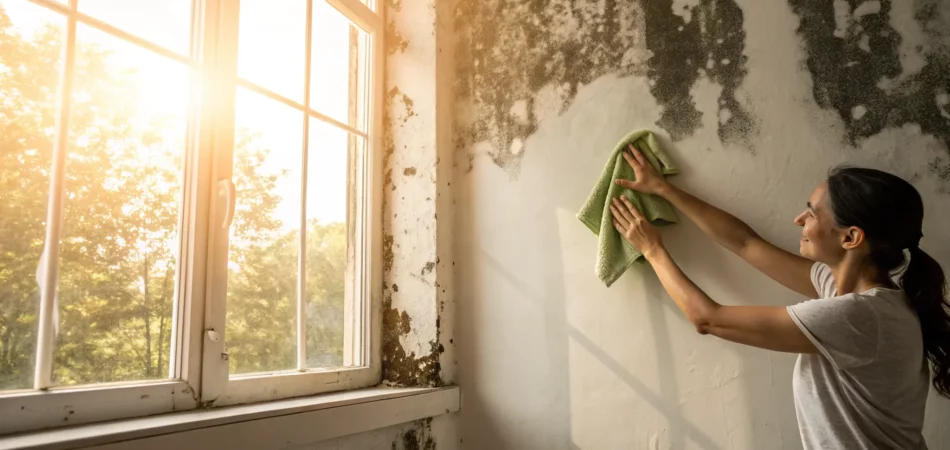
That fine black powder on your walls is more than just an eyesore. Soot is a byproduct of incomplete combustion, and its particles are acidic, oily, and can carry unpleasant odors deep into porous surfaces like drywall. Trying to clean it without a plan can lead to frustration and a bigger mess. This article provides a clear, actionable plan for anyone wondering, “how do i clean soot off walls?” We’ll break down the entire process, starting with the most critical step: removing loose particles without water. Follow these instructions to restore your walls and learn how to avoid the common mistakes that can turn a simple cleanup into a costly restoration project.
Key Takeaways
- Always Start Dry: Soot is oily, so never use water first—it will smear the stain and push it deeper into the wall. Always begin by removing loose particles with a HEPA vacuum and a dry soot sponge to lift the residue off the surface.
- Clean Systematically from Top to Bottom: Work from the ceiling down to the walls to prevent cleaned areas from getting dirty again. After the dry removal, wash walls with a degreasing solution, rinse thoroughly with clean water to prevent streaks, and let everything dry completely.
- Know When to Call for Help: While DIY methods work for small spots, widespread damage, a strong smoke odor, or soot from a house fire requires professional attention. Experts can safely handle health risks and address hidden contamination in places like your HVAC system.
What Is Soot and Why Is It So Stubborn?
Soot might look like simple dust or dirt, but it’s a much more challenging substance to handle. Its unique properties are what make it so difficult to clean and why a specific approach is necessary to remove it without causing more damage to your home.
Identify Common Soot Sources in Your Home
Before you can tackle a soot stain, it helps to know what you’re dealing with. Soot is that fine, black, or dark brown powder that appears after something burns. It’s made up of tiny carbon particles created when fuels like wood, oil, or even candle wax don’t burn completely. You might notice it after a small kitchen fire, from using your fireplace without proper ventilation, or even from burning candles frequently. Furnace puff-backs are another common culprit that can send a cloud of soot through your home’s ventilation system. Understanding where it came from is the first step in addressing the problem. For significant smoke and soot issues, a professional fire and smoke restoration service can identify all affected areas.
Understand Why Soot Is So Hard to Remove
If you’ve ever tried to wipe away soot, you know it’s not like dusting. Soot particles are oily and incredibly sticky, which is why they cling so stubbornly to walls, ceilings, and furniture. When you try to clean it with a wet rag or a standard household cleaner, you often end up smearing the greasy residue, creating a bigger mess and pushing the stain deeper into porous surfaces like drywall. This can cause permanent damage. Incorrect cleaning methods can also release these fine particles into the air, which can be a health concern. Because soot can travel through your home’s ductwork and settle in hidden places, a thorough cleanup often requires more than just surface-level wiping. A complete restoration approach ensures every trace is safely and effectively removed.
Safety First: How to Prep for Soot Cleaning
Before you even think about touching a sponge to the wall, it’s crucial to get the space ready. Proper preparation is the most important step in cleaning soot safely and effectively. These particles are oily, acidic, and can easily spread, turning a localized problem into a whole-house issue. Rushing into the cleaning process without the right prep can smear the soot deeper into porous surfaces like drywall and paint, making it nearly impossible to remove. It can also kick up fine particles into the air, allowing them to travel through your HVAC system and settle in other rooms.
Taking the time to protect yourself and contain the mess will not only make the job easier but will also prevent further damage to your home and protect your health from potentially harmful residues. Soot from different sources—like a candle versus a kitchen fire—can contain different chemicals, some of which can be toxic when inhaled or absorbed through the skin. That’s why treating this step with the seriousness it deserves is so important. Think of this as your pre-cleaning checklist to ensure a smooth and successful process from start to finish. We’ll walk through gearing up with the right safety equipment, ventilating the area properly, and protecting your belongings to keep the soot contained. Getting these three things right sets the foundation for a much cleaner, safer, and less stressful project.
Gear Up: Your Safety Equipment Checklist
Soot isn’t just dirt; it’s a collection of fine carbon particles that can irritate your skin, eyes, and lungs. That’s why you need to gear up properly before you start. Always wear safety glasses or goggles, a high-quality respirator mask (like an N95), and sturdy rubber gloves. You’ll also want to wear old, long-sleeved clothes and shoes that you can either wash separately or throw away when you’re done. This personal protective equipment (PPE) creates a barrier between you and the soot, as well as the strong cleaning solutions you may use later. Professionals handling fire & smoke restoration always prioritize safety, and you should too.
Let in Fresh Air: Ventilate the Area
Good ventilation is non-negotiable when you’re cleaning soot. The first thing you should do is shut off your home’s HVAC system to stop soot from circulating through the vents and settling in other rooms. Next, open any windows and doors in the affected area to get fresh air moving. You can even place a box fan in a window, pointing it outward to help pull the contaminated air and any fumes out of the room. This simple step helps clear out lingering odors and reduces the concentration of airborne particles, creating a much safer breathing environment while you work on your home’s environmental cleanup.
Protect Your Room and Contain the Mess
Soot particles are incredibly fine and will settle on every available surface if you’re not careful. To contain the mess, start by removing all furniture, curtains, rugs, and decor from the room. If you have large items that can’t be moved, cover them completely with plastic sheeting or thick drop cloths. Do the same for the floor, taping down the edges of the plastic to prevent soot from getting underneath. Taking the time to clear the area and protect your belongings will prevent cross-contamination and make the cleaning process much more efficient. If you have items that are too damaged to save, you may need to arrange for hauling and debris removal before you begin.
Step 1: Remove Loose Soot Particles
Before you even think about grabbing a wet cloth, the first and most important step is to remove as much loose soot as possible. Soot is oily and fine, and adding water or a liquid cleaner right away will only smear it deeper into the wall’s surface, creating a much bigger, more stubborn stain. Think of it like trying to wipe up flour with a wet sponge—you’ll just end up with a pasty mess. This initial dry-cleaning phase is a critical part of professional fire and smoke damage restoration for a reason: it gets the bulk of the residue off without grinding it in.
Your goal here is to gently lift the particles off the surface. This requires a bit of patience and the right tools. By taking the time to do this dry removal process correctly, you make the next wet-cleaning steps significantly easier and more effective. It’s the foundation for getting your walls back to their original state without causing more damage.
Start with a High-Efficiency Vacuum
Your first tool of choice should be a vacuum cleaner, preferably one with a HEPA filter to trap the fine soot particles and prevent them from becoming airborne again. Use the soft brush attachment for this task. The key is to be gentle. Hold the brush nozzle about half an inch away from the wall or ceiling. Do not let the brush touch the surface. The suction will pull the loose soot away without you needing to apply any pressure that could cause smearing. Move slowly and methodically across the entire surface, letting the vacuum do the work.
Use a Dry Soot Sponge
After vacuuming, it’s time to use a tool specifically designed for this job: a dry soot sponge. Sometimes called a chemical sponge, it’s made from vulcanized natural rubber and works by absorbing soot and smoke residue without any water. To use it, press the sponge against the wall and wipe in a single, straight line. Lift the sponge and start the next line, slightly overlapping the first. Avoid scrubbing back and forth, as this can push the soot into the wall. As the sponge gets dirty, simply use a clean side or carefully slice off the soiled layer to reveal a fresh surface.
Remember to Work from Top to Bottom
Always clean from the ceiling down to the walls. This simple rule works with gravity, not against it. If you clean the walls first, any soot you dislodge from the ceiling will fall and settle on your freshly cleaned surfaces, forcing you to do the work all over again. By starting with the ceiling and moving downward, you ensure that any falling debris lands on an area you haven’t cleaned yet. This systematic approach saves you time and frustration, leading to a much cleaner result in the end.
Step 2: Choose the Right Cleaner for Stubborn Stains
After you’ve removed all the loose soot, you’ll likely still see some stubborn, greasy stains left behind. This is where the real cleaning begins. But before you grab just any cleaner from under the sink, it’s important to know that the wrong product can make the problem much worse by smearing the soot and setting the stain permanently. Choosing the right cleaner for the job is key to getting your walls back to normal. Let’s look at a few effective options, from heavy-duty solutions to simple DIY mixes that can help you with your complete restoration project.
Using a Trisodium Phosphate (TSP) Solution
For those really tough, oily soot stains that just won’t budge, a trisodium phosphate (TSP) solution can be a lifesaver. TSP is a powerful, heavy-duty cleaning agent that cuts right through grease and grime. You can find it at most hardware stores. To use it, you’ll mix it with warm water according to the package directions. Because it’s so strong, safety is a must—always wear rubber gloves and protective eyewear. While it’s incredibly effective, TSP is a serious chemical cleaner. It’s often the kind of product professionals use for severe fire & smoke restoration, so be sure to handle it with care and test it on a small, hidden area first.
Mix a DIY Cleaning Solution That Works
If you’d rather start with something a little gentler (or just use what you have on hand), a simple DIY solution can work wonders. One of the most effective and safest options is a mixture of degreasing dish soap and warm water. Just combine about one tablespoon of soap with a quart of warm water. This simple mix is great at breaking down the greasy residue in soot without using harsh chemicals. It’s a fantastic first line of defense against moderate stains. For a bit more cleaning power without jumping straight to TSP, you can also look for a phosphate-free TSP (TSP-PF), which is a slightly less aggressive alternative.
Select a Commercial Soot and Smoke Cleaner
When you’re facing soot, your go-to all-purpose cleaner probably won’t cut it. In fact, many common household cleaners can smear the oily residue, spreading the stain and potentially damaging your walls for good. Instead, head to the hardware store and look for a product specifically designed as a soot and smoke cleaner. These formulas are created to break down the unique, greasy composition of soot without smearing it across the surface. Reading the label is key—make sure the product is safe for your wall type, whether it’s painted drywall, plaster, or wood. Using the right tool for the job makes all the difference and prevents you from creating an even bigger mess.
Step 3: Clean and Rinse Your Soot-Stained Walls
Once you’ve removed the loose soot, it’s time to tackle the stains left behind. This is where you’ll use a cleaning solution to wash the walls, but the process requires a careful approach to avoid making things worse. Remember, for widespread damage, handling the cleanup yourself can be overwhelming. A professional fire and smoke restoration team has the specialized equipment and solutions to handle the job safely and effectively. But if you’re dealing with a smaller area, these steps will guide you through the cleaning and rinsing process.
Follow This Step-by-Step Cleaning Process
With the loose soot gone, you can now wet-clean the walls. First, prepare your cleaning solution. A mixture of 1/2 cup of Trisodium Phosphate (TSP) and two quarts of water is highly effective, but be sure to wear gloves and eye protection when handling it. For a gentler option, mix two tablespoons of dish soap into two quarts of warm water.
Dip a clean sponge into your solution and wring it out until it’s just damp. Starting from the top of the wall and working your way down, wash the surface in sections. Rinse your sponge frequently in a separate bucket of clean water and change out your cleaning solution as soon as it looks dirty to avoid spreading soot back onto the walls.
Rinse Walls Correctly to Avoid Streaks
Don’t skip the rinse—it’s just as important as the wash. Any cleaning solution left behind can leave a sticky residue that attracts more dirt or causes unsightly streaks, especially if you plan to repaint. After you’ve washed a section of the wall, grab a new, clean sponge and a bucket of fresh water. Wipe down the entire area you just cleaned to remove any leftover soap or TSP. This simple action is a critical part of achieving a truly complete restoration and ensures your walls have a smooth, clean finish. Keep changing your rinse water to make sure you’re not just wiping diluted cleaner back onto the surface.
Dry the Walls and Air Out the Room
After rinsing, gently dry the walls with a clean, lint-free microfiber cloth. Patting or wiping softly will prevent you from accidentally smudging any trace amounts of soot that might remain. If you intend to paint, it’s essential that the walls are 100% dry before you even think about picking up a brush. Any trapped moisture can cause the new paint to bubble or peel.
Finally, get the air moving. Open up all the windows and set up a few fans to create a cross-breeze. This will help dry the walls faster and clear out any lingering odors or airborne particles. Proper ventilation is a key part of any post-fire environmental cleanup and will make the space feel fresh again.
Common Soot Cleaning Mistakes to Avoid
When you’re faced with soot-covered walls, your first instinct might be to grab a sponge and start scrubbing. But hold on—this is one of those situations where jumping in without a plan can do more harm than good. While it might seem like a simple cleaning task, removing soot incorrectly can cause serious damage to your home and create an even bigger mess. Understanding what not to do is just as important as knowing the right steps. A small mistake can turn a manageable cleanup into a major restoration project. Before you get started, let’s walk through the most common pitfalls so you can handle the job with confidence and avoid making the problem worse. If the damage feels overwhelming, remember that professional fire and smoke restoration services are designed to handle these exact challenges safely and effectively.
Don’t Start with Water (Here’s Why)
It feels counterintuitive, but reaching for water and a wet rag is the biggest mistake you can make when cleaning soot. Soot particles are oily and greasy, not dusty. When you add water, you don’t lift the soot away; you smear it. This creates a soupy, dark mess that gets pushed deeper into porous surfaces like drywall and paint. Using common household cleaners on soot can smear stains, spread residues, and potentially damage surfaces permanently. Always begin with dry cleaning methods, like vacuuming and using a dry-cleaning soot sponge, to remove as much loose residue as possible before introducing any liquid cleaner.
Consider Your Wall’s Paint Finish
Not all walls are created equal, and the type of paint finish you have will dictate how you should clean it. Soot clings to walls, furniture, and even ductwork, and the wall’s texture plays a big role in how stubborn it will be. Flat or matte paints are very porous and can absorb soot stains, making them difficult to clean without damaging the finish. On the other hand, semi-gloss or glossy paints are more durable and less porous, so they can typically withstand gentle washing. Before applying any cleaning solution, always test it on a small, hidden spot to see how the paint reacts.
Avoid Scrubbing Techniques That Cause Damage
Your instinct might be to apply some elbow grease and scrub the soot away, but this will only embed the fine, oily particles deeper into the wall. Aggressive scrubbing grinds the soot into the paint and drywall, which can cause permanent discoloration and damage the surface texture. Instead of scrubbing, use gentle, deliberate motions. When using a dry soot sponge, apply light pressure and wipe in a single direction to lift the soot off the surface. For the washing stage, use a soft sponge and dab or wipe gently. If you find that gentle methods aren’t working, it’s a clear sign that the damage requires professional attention.
When Is It Time to Call a Professional?
Tackling a home project yourself can be incredibly rewarding, and for minor soot stains from a candle or a small cooking mishap, the steps above will usually do the trick. But there are times when a DIY approach isn’t just difficult—it can be ineffective and even unsafe. After a significant event like a kitchen fire or puffback from a furnace, the scope of the damage often goes far beyond what you can see on the surface.
Knowing your limits is key. If the soot covers a large area, has a strong, persistent odor, or resulted from a house fire, it’s time to put down the sponge and pick up the phone. Professional restoration teams have the industrial-grade equipment, specialized training, and safety gear to handle extensive contamination correctly. They can assess the full extent of the damage, including issues you might not notice, and ensure your home is not only clean but also safe and healthy for your family. Trying to manage a large-scale cleanup on your own can lead to bigger messes and potential health hazards.
Look for Signs of Widespread Smoke Damage
Take a moment to assess the situation. Is the soot confined to one small spot, or does it stretch across multiple walls and the ceiling? Widespread damage is a clear sign you need professional help. After a fire, soot doesn’t just settle on surfaces; it gets everywhere. These tiny particles cling to walls, seep into porous materials like drywall and wood, and get pulled into your home’s ductwork. This is why you might still smell smoke long after the source is gone. A professional fire & smoke restoration service is needed to thoroughly clean your HVAC system and eliminate those hazardous residues and lingering odors for good. If the job feels overwhelming, it probably is.
Don’t Ignore Health Risks and Safety Concerns
Your health should always be the top priority. While it might seem like a simple cleaning task, soot is more than just a black stain. Soot particles are incredibly fine and can contain acids, chemicals, and other toxic materials. These particles can be inhaled or absorbed through the skin, potentially leading to serious respiratory issues and other long-term health problems. Removing soot incorrectly without the proper protective gear can expose you and your family to these risks. Professionals use respirators, gloves, and specialized cleaning agents to handle the material safely. They can also identify any structural risks left behind by a fire, ensuring your home is secure before you get back to normal life.
Keep Your Walls Clean: How to Prevent Future Soot
After all the hard work of cleaning soot off your walls, the last thing you want is for it to return. The good news is that a few simple habits can make a huge difference. Preventing soot is all about managing its sources and ensuring your home has good airflow. By being proactive, you can keep your walls looking fresh and maintain healthier air inside your home.
Create a Simple Maintenance Schedule
This doesn’t have to be complicated—just add a few key reminders to your calendar. Start with your HVAC system by regularly changing the filters to trap airborne particles. Next, schedule annual professional inspections for your furnace, fireplace, and chimney. A technician can ensure everything is burning efficiently and vented correctly, which is a major step in preventing soot buildup. This yearly checkup catches small problems before they become bigger messes that require environmental cleanup.
Manage Common Soot Sources
Soot comes from “incomplete combustion,” which happens when a flame doesn’t get enough oxygen to burn cleanly. In most homes, the biggest culprits are candles and fireplaces. If you love candles, just be smart about using them. Always trim the wick to a quarter-inch before lighting for a cleaner flame, and consider using unscented varieties, which produce less soot. If you’ve had a furnace puff-back or a small fire, addressing the source is critical. Lingering issues can continue to deposit soot, which is why professional fire and smoke restoration is so important.
Improve Your Home’s Ventilation
Good airflow is your best defense against soot. Proper ventilation carries airborne particles outside before they can stick to your walls. Make it a habit to use your kitchen’s exhaust fan every time you cook, especially when frying or broiling. When burning candles or using the fireplace, cracking a window open slightly can improve the draft and promote cleaner burning. Even running a bathroom fan helps manage airborne particles. These small actions work together to keep your indoor air moving and reduce the chances of soot settling where it doesn’t belong.
Related Articles
- A Step-by-Step Guide to Repair Drywall Water Damage
- Fire & Smoke Damage Restoration in Tampa, FL
- Flood Damage Restoration: A Step-by-Step Guide
Frequently Asked Questions
Can I just use a stain-blocking primer and paint over the soot? I know it’s tempting to look for a quick fix, but painting over soot is a recipe for disaster. The oily, greasy residue will eventually bleed through the new paint, leaving you with ugly yellow or brown stains. Plus, you’ll be sealing in that smoky odor, which can resurface later, especially in humid weather. You have to completely remove the soot residue first to give your new paint a clean, stable surface to stick to.
What makes a dry soot sponge so special? Can’t I just use a regular dry sponge? A dry soot sponge is completely different from a typical kitchen or cleaning sponge. It’s made of vulcanized natural rubber, which has a unique texture that acts almost like a giant eraser for soot. It doesn’t scrub the particles; it actually absorbs the oily residue into its pores. A regular sponge lacks this quality and will just smear the greasy soot across the wall, making the stain much worse.
How can I tell if the soot damage is something I can handle myself? A good rule of thumb is to consider the source and the size of the problem. If you have a few small streaks from a candle that burned too close to the wall, you can likely handle that with the steps we’ve outlined. However, if the soot is from a furnace puff-back or a kitchen fire and covers an area larger than you can comfortably reach, it’s time for professional help. Widespread soot often means it’s also inside your ductwork, which requires specialized cleaning.
I’ve cleaned the walls, but I can still smell smoke. What should I do? That lingering smoke smell is a sign that soot particles have penetrated deeper surfaces like drywall, insulation, or your HVAC system. Odors can be incredibly stubborn because they come from microscopic particles that have settled in hard-to-reach places. While airing out the room helps, eliminating the odor for good often requires professional techniques like thermal fogging or ozone treatments to neutralize the source of the smell.
Will the cleaning solutions damage my paint or wallpaper? This is a great question, and it’s why testing is so important. Degreasing dish soap is generally safe for most durable paint finishes, like semi-gloss or satin. However, harsh cleaners like TSP can strip the finish from flat or matte paints and may damage delicate wallpaper. Always test your chosen cleaning solution on a small, inconspicuous spot—like behind a piece of furniture or inside a closet—before you apply it to the entire wall.