
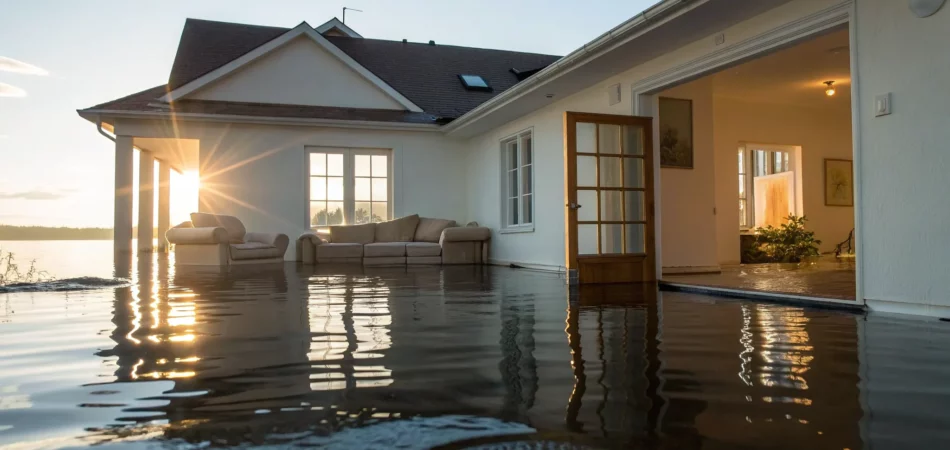
The most serious damage from a flood isn’t always what you can see. While the standing water is the most obvious problem, the real dangers often hide behind your walls, under your floors, and in the air you breathe. When your house flooded with water, moisture seeps into the structure, creating a perfect environment for dangerous mold growth and compromising the integrity of your home. This is why a professional response is so important. We’ll explain the hidden risks of water damage, the signs that indicate a serious problem, and why calling in experts is the safest way to ensure your home is truly dry and healthy.
Key Takeaways
- Act Safely and Quickly: Your first priority is getting everyone to a dry, safe area. Then, if possible, shut off your main utilities and immediately call a 24/7 restoration company to minimize the damage.
- Create a Visual Record for Insurance: Before moving or cleaning anything, use your phone to take detailed photos and videos of all affected rooms and belongings. This evidence is essential for a successful and fair insurance claim.
- Fortify Your Home Against Future Floods: Once you’ve recovered, take proactive steps like cleaning your gutters, sealing foundation cracks, and scheduling regular plumbing checks to significantly reduce the risk of it happening again.
Your House Is Flooded. Here’s What to Do Right Now
Seeing water rising in your home is a deeply unsettling experience. It’s easy to feel overwhelmed, but taking a few key steps right away can make a huge difference in protecting your family and your property. Your priority is to move through this checklist calmly and safely. Focus on one step at a time to get the situation under control before the professionals arrive. Remember, the goal is to secure the area and prevent any further damage.
Get Everyone to Safety
Before you do anything else, make sure every person and pet in the house is safe. Move everyone to a dry, secure location, whether that’s an upper floor or outside the home entirely. It’s critical to avoid all contact with the floodwater. It may look like simple water, but it can be contaminated with everything from sewage and chemicals to harmful bacteria, posing a serious health risk. If the flooding is due to a sewer backup, this step is even more important. Don’t walk through the water or allow children or pets near it. Your family’s well-being is the absolute first priority.
Shut Off Utilities
If you can do so safely, you need to turn off your home’s main utilities. The biggest immediate danger is the combination of water and electricity. If you can reach your breaker box without stepping in water, shut off the main power. If the area around the box is flooded, do not go near it. Call a licensed electrician for help. Next, turn off your main water supply valve to stop more water from entering your home’s plumbing system. This is usually located where the main water line enters your house. Finally, if you use natural gas, shut that off as well to prevent potential leaks.
Stop the Water Source
Once the utilities are off, try to identify and stop the source of the water, but only if it’s safe. If a specific appliance is overflowing or a pipe has burst, shutting off the main water valve should handle it. For issues like a failed sump pump or a leaking water heater, you may not be able to do much beyond turning off the water. If the flooding is from an external source like a storm, your focus should be on safety, not trying to block the water. Don’t take any risks. The most effective action is often calling for emergency plumbing and restoration services to take over.
Document the Damage for Insurance
Before you move or clean up anything, start documenting the damage for your insurance claim. Use your phone to take as many photos and videos as you can. Capture wide shots of every affected room and close-ups of damaged furniture, electronics, and personal belongings. Record the height of the water line on the walls and furniture. This visual evidence is incredibly important and will be the foundation of your insurance claim. A detailed record helps ensure you receive fair compensation for your losses. Keep these files in a safe place, like a cloud storage account, so you can easily access them later.
Call for Emergency Help
With the immediate safety steps taken, it’s time to call for professional help. Your first call should be to a 24/7 restoration company. Getting experts on-site quickly is crucial for minimizing long-term issues like structural damage and mold growth. A team specializing in emergency water damage has the industrial-grade equipment needed to extract water and dry your home properly. After you’ve called for restoration services, contact your insurance agent to report the flood and begin the claims process. They will guide you on the next steps required by your policy. Acting fast is the key to a successful recovery.
Why Did My House Flood? Common Causes
Finding water unexpectedly pooling in your home is a sinking feeling, and your first question is probably, “Where did this all come from?” The answer isn’t always as obvious as a hurricane raging outside. While severe weather is a major culprit, especially here in Florida, flooding can also start from a tiny, hidden leak inside your walls or a gradual issue with your home’s foundation. Understanding the source is the first critical step in tackling the problem because it helps determine the type of water you’re dealing with—whether it’s clean water from a supply line or contaminated water from a sewer backup—which dictates the entire cleanup process.
The causes of household flooding generally fall into three categories: external events like storms, internal failures like plumbing or appliance issues, and structural problems with the house itself. Sometimes, it’s a combination of factors, like heavy rain overwhelming a sump pump that was already on its last legs. No matter the reason, the clock starts ticking the moment the water arrives. Quick action is essential to prevent further destruction, structural issues, and mold growth. Identifying the cause helps you not only start the water damage restoration process correctly but also take steps to prevent it from ever happening again.
Severe Weather and Storms
Living in the Tampa area, we’re no strangers to severe weather. Hurricanes, tropical storms, and even intense daily thunderstorms can dump a massive amount of rain in a short period. When this happens, municipal storm drains and local drainage systems can become overwhelmed, causing water to rise and enter homes, especially in low-lying areas. This isn’t just a coastal problem; flash flooding can happen anywhere the ground is too saturated to absorb more water. Proper pre-disaster planning can make a huge difference, but sometimes, nature’s force is just too much for a property to handle on its own, leading to widespread water intrusion.
Burst Pipes and Plumbing Issues
One of the most common and destructive causes of flooding comes from inside your own walls. Your home’s plumbing system is a complex network, and a single failure can have catastrophic results. A burst pipe can release hundreds of gallons of water per hour, quickly saturating floors, drywall, and furniture. These failures often happen due to aging pipes, corrosion, or sudden changes in water pressure. Beyond dramatic bursts, slow and steady leaks from worn-out fittings or pinhole cracks can go unnoticed for weeks, causing hidden rot and mold growth. When you suspect a plumbing failure, calling for emergency plumbing services immediately is the best way to stop the flow and prevent further damage.
Sewer and Drainage Backups
A sewer backup is one of the most unpleasant and hazardous types of floods. This occurs when the municipal sewer system is overwhelmed—often during heavy rainfall—and raw sewage is forced back up through the pipes and into your home. It typically comes up through floor drains, toilets, and sinks in the lowest parts of the house. This isn’t just water; it’s highly contaminated “black water” filled with bacteria, viruses, and other pathogens. A situation involving sewer backups is not a DIY job. It requires specialized equipment and protocols to safely remove the waste, clean, and sanitize the affected areas to protect your family’s health.
Foundation Cracks and Poor Grading
Sometimes, water finds its way in from the ground up. Over time, your home’s foundation can develop cracks, creating easy entry points for groundwater, especially after heavy rain. Another major factor is the grading of your yard. If the land around your house slopes inward instead of away, it essentially funnels rainwater directly toward your foundation. Clogged gutters can make this problem even worse by dumping water right next to the base of your home. This constant moisture pressure can eventually lead to water seeping into your basement or crawl space, causing persistent dampness, mold, and structural concerns that require professional water damage restoration.
Leaky Appliances
The modern conveniences in our homes are often connected to a water supply, making them potential flood risks. A faulty washing machine hose, a leaking dishwasher, or a cracked refrigerator water line can all lead to significant water damage. One of the biggest culprits is the water heater. As these tanks age, they can corrode and eventually fail, releasing dozens of gallons of water into your home. Regular inspection of appliance hoses and connections can help, but failures can still happen without warning. When an appliance like a water heater fails, professional help for hot water tanks & removal ensures the unit is handled safely and the resulting water damage is addressed properly.
How to Document Damage for Your Insurance Claim
After you’ve handled the immediate safety concerns, your next focus will be on the insurance claim. Proper documentation is your best tool for a smooth and fair claims process. It can feel overwhelming to think about paperwork when your home is underwater, but taking these steps now will save you major headaches later. Your insurance adjuster will need clear, detailed proof of the damage to your property and belongings to process your claim correctly. Think of yourself as a detective building a case—the more evidence you gather, the stronger your claim will be. This record-keeping helps ensure you get the full compensation you’re entitled to for the water damage restoration ahead. It’s about creating an undeniable record of what happened and what was lost, which is critical when you’re trying to get your life back to normal.
Take Plenty of Photos and Videos
Before you move, clean, or throw anything away, grab your phone and start recording. This is the most important step. Take wide-angle photos and videos of every affected room to show the overall scope of the damage. Then, get detailed close-up shots of specific items, structural damage, and especially the high-water mark on the walls. The more visual evidence you have, the better. Open cabinets and closets to document the damage inside. This visual proof is essential for your insurance adjuster and provides a clear picture of the situation before any emergency water damage cleanup begins.
Inventory Your Damaged Belongings
While you’re taking photos, start making a detailed list of everything that was damaged. For each item, write down what it is, the brand or manufacturer, its age, and what you originally paid for it, if you can remember. If you have receipts or can find the item online, even better. This inventory of damaged personal property will be a huge help when you file your claim. It’s tedious, but a comprehensive list paired with your photos creates a powerful record that’s hard for an insurance company to dispute. It’s a key part of the complete restoration process.
Create a Timeline of Events
Jot down a simple timeline of what happened. When did you first notice the water? What was the source? When did you call for professional help? Note the date and time for each key event. This narrative helps your insurance company understand the sequence of events and shows that you took prompt action to mitigate the damage. A clear timeline provides context for the photos and inventory list, painting a full picture of the emergency from start to finish. It demonstrates that you were responsible and proactive in a difficult situation.
Save All Your Receipts
Start a folder or a digital file for every single expense related to the flood. This includes costs for any immediate repairs, cleaning supplies, and professional services. If you have to relocate temporarily, keep receipts for your hotel, meals, and other living expenses. Many of these costs may be reimbursable under your policy as “loss of use” coverage. According to ServiceMaster Restore, keeping these records is vital for getting reimbursed. Don’t throw anything away—every receipt is a potential part of your claim.
Know Your Insurance Policy: Flood vs. Homeowner’s
It’s important to understand what your insurance actually covers. A standard homeowner’s policy typically covers water damage from internal sources, like burst pipes or a faulty appliance. However, as Progressive notes, damage from external flooding—like a storm surge or overflowing river—usually requires a separate flood insurance policy, often through the National Flood Insurance Program (NFIP). Pull out your policy documents or call your agent right away to clarify your coverage. Knowing what to expect will help you prepare for the financial side of recovery.
Salvageable vs. Non-Salvageable Items Assessment
Professional assessment of salvageable versus non-salvageable items requires expertise in flood damage restoration and understanding of safety standards that protect your family’s health.
- Porous materials exposed to contaminated water (Category 2 or 3) cannot be safely restored and must be disposed of properly, including carpeting, padding, upholstered furniture, mattresses, and paper products.
- Electronics submerged in water are typically non-salvageable unless professionally cleaned and tested immediately, though restoration costs often exceed replacement values.
- Hardwood flooring may be salvageable if dried within 48-72 hours using professional equipment, but engineered flooring and laminate typically require replacement due to delamination and swelling.
- Clothing and linens can often be restored through specialized cleaning processes if contamination levels are acceptable and flooding occurs from clean water sources.
- Valuable items like antiques, artwork, and family heirlooms require specialized restoration services that may be covered under insurance personal property provisions.
- Kitchen appliances, HVAC systems, and water heaters exposed to flooding require professional inspection and often replacement due to electrical and safety concerns.
Your Guide to Water Damage Cleanup
Once the immediate dangers are handled, the cleanup process can begin. This phase is all about being methodical and thorough to prevent long-term problems like mold and structural issues. It can feel overwhelming, but breaking it down into manageable steps makes it much easier. Your main goals are to get everything dry as quickly as possible, sanitize the area, and make smart decisions about what can be salvaged. Remember, safety is the top priority throughout this entire process. Don’t hesitate to call for professional help if the job feels too big or if you’re dealing with contaminated water.
Wait for the All-Clear to Enter
Before you rush back inside, take a deep breath and wait for officials to give you the green light. After a serious flood, your home could have hidden dangers like structural damage or live electrical wires submerged in water. Entering prematurely puts you at serious risk. Even if the water came from a burst pipe, it’s wise to ensure the structure is sound and the electricity is off before you start the cleanup. Your safety, and the safety of your family, is far more important than any possession inside.
Remove All Standing Water
The first hands-on step is to get the standing water out. The longer it sits, the more damage it causes. You can start by using buckets for large amounts, then switch to a wet-dry shop vacuum or a sump pump to get the rest. Once the bulk of the water is gone, use mops and old towels to soak up what’s left on the floor. This initial water removal is a critical part of the emergency water damage response and sets the stage for the drying process that follows.
Wear Protective Gear
Never underestimate what’s lurking in floodwater. It can be a nasty mix of sewage, chemicals, bacteria, and other contaminants. To protect yourself, you absolutely must wear the right gear. This includes waterproof rubber boots, heavy-duty gloves, and an N95 mask or a P100 respirator to avoid inhaling mold spores or other harmful particles. This isn’t the time to take chances with your health; proper protective equipment is non-negotiable for a safe cleanup, especially when dealing with potential sewer backups.
Clean and Disinfect Everything
After the water is out and damaged items are removed, every surface that got wet needs a thorough cleaning and disinfecting. This includes walls, floors, and any structural elements like studs. You can use a simple but effective solution of one cup of bleach mixed with one gallon of water to wipe down all hard surfaces. This step is crucial for killing off mold and bacteria that can cause health problems and unpleasant odors down the line. Proper cleaning is a cornerstone of any complete water damage restoration project.
Dry the Area Within 48 Hours
You’re racing against the clock to prevent mold growth. Mold can begin to grow on damp surfaces within 24 to 48 hours, so drying everything out quickly is essential. Open up windows and doors to get air circulating. Use fans, dehumidifiers, and your home’s AC system to speed up the process. While it can take a few days for a house to dry completely, acting fast within that initial 48-hour window can save many items and prevent a much bigger mold problem from developing.
Decide What to Keep and What to Toss
This can be the most emotionally difficult part of the process. You’ll need to sort through your belongings and decide what’s salvageable and what’s a total loss. As a general rule, porous items like mattresses, upholstered furniture, carpets, and books that have been soaked are nearly impossible to clean and should be discarded. Before you throw anything away, take extensive photos and videos of all the damage for your insurance claim. Once you have a pile of ruined items, a professional hauling and debris removal service can help clear it away.
When to Call a Professional for Water Damage
After a flood, it’s natural to want to jump into action and start cleaning up. While a small spill from an overflowing sink might be a manageable DIY project, significant water intrusion is a different story. Trying to handle major water damage on your own can lead to bigger problems down the road, like hidden mold, warped floors, and compromised structural integrity. Knowing when to step back and call for help is crucial for protecting your property and your health. The reality is that water gets everywhere—behind walls, under floorboards, and into insulation—in ways you can’t always see. Without the right tools, you might only address the surface problem while moisture continues to damage your home’s foundation. A professional complete restoration service doesn’t just remove the water; they have a scientific process to dry, dehumidify, and sanitize the area, giving you peace of mind that the job is done right. If you’re facing more than a small puddle, it’s almost always best to bring in a certified team with industrial-grade equipment and specialized training to handle the situation safely and effectively.
Look for These Red Flags
Certain signs of water damage are immediate red flags that signal a serious problem. If you notice ceilings starting to sag, floors feeling soft or spongy underfoot, or walls beginning to bulge, these are indicators of severe water saturation that could compromise your home’s structure. Other warning signs include cracks appearing in your drywall or plaster and doors or windows that suddenly stick or won’t close properly due to warped frames. If you see any of these issues, your first priority is safety. You should leave the property immediately and call a professional restoration company. These problems go far beyond surface-level cleaning and require an expert to assess the structural safety of your home.
Dealing with Contaminated Water
Not all water is the same, and it’s critical to know what you’re dealing with. If the flooding is from a clean source like a broken supply line, the water is considered “clean water.” However, if the water came from an overflowing dishwasher, a washing machine, or a toilet bowl with urine, it’s “grey water” containing contaminants. The most dangerous type is “black water,” which comes from sewer backups or overflowing rivers and contains raw sewage, bacteria, and other hazardous materials. You should never attempt to clean up grey or black water yourself. It poses serious health risks and requires specialized protective gear and disinfection protocols that only trained professionals can provide.
Assessing Structural Damage
One of the biggest dangers of water damage is what you can’t see. Water can seep into wall cavities, under floorboards, and into your home’s insulation, weakening wooden beams and creating a perfect environment for rot. There’s also a significant risk to your electrical system. Before you can safely turn the power back on, an expert needs to inspect all affected wiring, outlets, and electrical components. A professional water damage restoration team has moisture detection tools to find hidden pockets of water and can properly assess the full extent of the damage to your home’s structure, ensuring every affected area is addressed.
Preventing Mold Growth
When your home is flooded, you’re in a race against the clock to prevent mold. Mold can begin to grow in as little as 24 to 48 hours in damp, humid conditions. Once it takes hold, it can spread quickly, causing further damage to your property and potentially leading to respiratory issues and other health problems for your family. Simply wiping surfaces down and setting up a few fans isn’t enough to stop it. Professionals use high-powered air movers and dehumidifiers to rapidly dry out the structure, including hard-to-reach areas. This fast and thorough drying process is the single most important step in preventing a widespread mold infestation.
Why a 24/7 Emergency Response Matters
When it comes to water damage, every minute counts. The longer water sits, the more it soaks into your walls, floors, and furniture, increasing the scope of the damage and the cost of repairs. Acting fast is essential to salvaging your belongings and minimizing the risk of mold. That’s why having access to a team that offers a 24/7 emergency water damage response is so important. A rapid response team can be on-site within the hour to start extracting water and begin the drying process immediately, which can make the difference between a minor cleanup and a major, expensive restoration project.
How to Prevent Future Flooding in Your Home
After going through the stress and expense of a flood, the last thing you want is a repeat performance. While you can’t control the weather, especially here in Florida, you can take proactive steps to protect your property from future water damage. Taking the time to fortify your home now can save you a massive headache later. It’s about creating layers of defense, from simple maintenance tasks to smart home upgrades. Think of it as an investment in your peace of mind. By focusing on prevention, you can significantly reduce the risk of water finding its way inside. Many of these steps are straightforward maintenance tasks you can handle yourself, while others might require professional help. The key is to be proactive and address vulnerabilities before the next big storm hits. A solid strategy can even include professional pre-disaster planning to ensure you’re ready for anything.
Keep Gutters and Drains Clear
It’s easy to forget about your gutters, but they are your home’s first line of defense against rainwater. Their job is to collect water from your roof and direct it safely away from your foundation. When they get clogged with leaves, twigs, and other debris, that water has nowhere to go but over the sides, pooling right next to your house. This can lead to water seeping into your basement or crawlspace and even causing foundation damage over time. Make it a habit to clean your gutters at least twice a year—once in the spring and again in the fall. While you’re up there, check that your downspouts are clear and extend several feet away from your home.
Seal Cracks in Your Foundation
Your home’s foundation might seem solid, but over time, small cracks can develop due to settling and soil pressure. These cracks are an open invitation for groundwater to seep into your home, especially during heavy rains. What starts as a small, damp spot can quickly turn into a major leak. Take a walk around your property and inspect the foundation for any visible cracks or gaps. Check your basement or crawlspace from the inside, too. If you find any, it’s important to have them professionally sealed with hydraulic cement or epoxy. Sealing these entry points is a relatively small fix that prevents a much larger, more expensive problem down the road.
Install a Sump Pump and Water Alarms
If your home has a basement or crawlspace, a sump pump is one of the best tools for flood prevention. This device sits in a pit in the lowest part of your home and automatically pumps out groundwater before it can reach a damaging level. For extra protection, consider a model with a battery backup, which will keep it running even if a storm knocks out the power. If you already have one, it’s a good idea to test it regularly. For another layer of security, place water alarms near appliances like washing machines and water heaters. These small, inexpensive sensors will sound an alarm at the first sign of a leak, giving you a chance to act before it becomes a disaster. If your old pump fails, you’ll need a reliable sump pump replacement.
Improve Your Yard’s Drainage
The landscaping around your home plays a huge role in water management. Ideally, your yard should have a gentle slope that directs rainwater away from your foundation. If the ground is flat or slopes toward your house, water will naturally pool against the walls and look for a way in. This is a common issue called negative grading. You can often correct this by adding compacted soil around your foundation to build up a slope. In some cases, you might need a more advanced solution like a French drain, which is a gravel-filled trench that channels water away from the property. Proper grading is a permanent fix that can make a world of difference.
Schedule Regular Plumbing Inspections
Not all floods come from the outside. A burst pipe, a failed water heater, or a leaky appliance can cause just as much damage as a major storm. These internal plumbing issues often start as small problems that go unnoticed until it’s too late. That’s why scheduling regular plumbing inspections is so important. A professional can check your pipes for corrosion, inspect appliance hoses for wear and tear, and test your water pressure. Catching a potential problem early is far less stressful and costly than dealing with an unexpected indoor flood. Having a trusted emergency plumbing service on call is great, but preventing that call in the first place is even better.
Create a Home Emergency Plan
Preparation is your best defense against panic when a disaster strikes. A home emergency plan ensures everyone in your household knows what to do if flooding occurs. This plan should include an evacuation route, a designated meeting spot, and a communication strategy in case you get separated. It’s also smart to assemble an emergency kit with essentials like water, non-perishable food, a first-aid kit, flashlights, and batteries. Keep important documents, like insurance policies and identification, in a waterproof, portable container. Finally, review your homeowner’s insurance policy annually to make sure you have adequate coverage for potential water damage. Knowing you’re prepared can bring a sense of control in an unpredictable situation.
Related Articles
- 10 Tips To Secure Your Residential Property Before A Flood
- 5 Things You Should Do When Your Home Is Damaged By Water
- The Dangers of Delaying Water Damage Repairs
- Steps to Take Immediately After Water Damage Occurs
Frequently Asked Questions
Is it safe to stay in my house after a flood? Your safety is the top priority, so it’s best to relocate until your home has been professionally assessed. Even if the standing water is gone, there are hidden dangers you can’t see, such as compromised electrical wiring, structural damage, or harmful contaminants left behind. A professional restoration team can determine when the environment is truly safe for you and your family to return.
My flood was from a burst pipe, not a storm. Will my homeowner’s insurance cover it? Generally, standard homeowner’s insurance policies cover sudden and accidental water damage from internal sources, like a burst pipe or a faulty appliance hose. Damage from external flooding, such as a storm surge or an overflowing river, typically requires a separate flood insurance policy. The best course of action is to call your insurance agent immediately to clarify your specific coverage and start the claims process.
Can I clean up a small flood myself, or do I always need to call a professional? If you’re dealing with a very small spill from a clean water source that hasn’t soaked into the flooring or drywall, you can likely handle it yourself. However, you should always call a professional if the water has spread across a room, sat for more than a day, or came from a contaminated source like a sewer backup. Professionals have the right equipment to remove hidden moisture and properly sanitize the area to prevent mold and health risks.
How long does the drying process actually take? While it might only take a few hours to remove the standing water, completely drying out the structure of your home takes much longer. Professionals use industrial-grade air movers and dehumidifiers to pull moisture from deep within walls, floors, and cavities. This scientific drying process typically takes three to five days, depending on the extent of the damage, to ensure your home is thoroughly dry and safe from mold growth.
What’s the biggest mistake people make after their house floods? The most common mistake is waiting too long to call for help. Water damage gets worse with every passing hour, as moisture soaks deeper into materials and mold begins to grow within 24 to 48 hours. Acting fast by calling a 24/7 emergency restoration service is the single most important thing you can do to minimize the damage, reduce repair costs, and get your life back to normal sooner.