
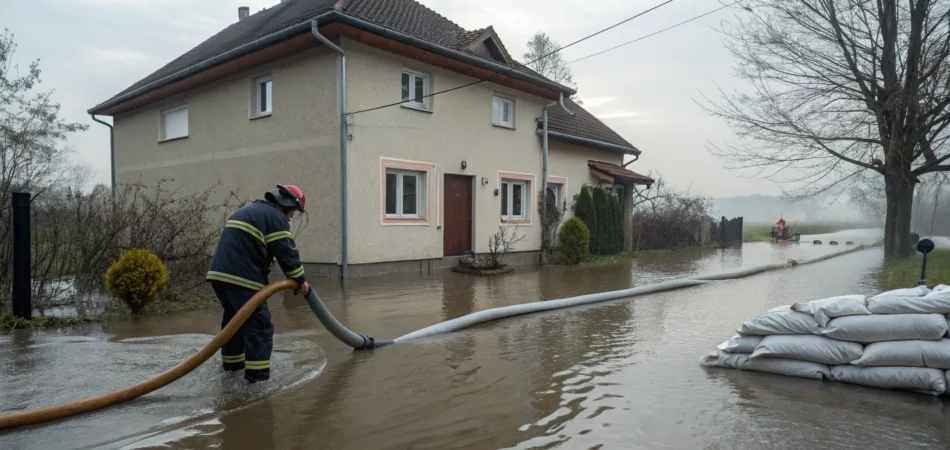
Flood Damage Restoration Near Me: What to Know
Standing in a flooded room can make you feel completely powerless. But in the middle of the chaos, you have more control than you think. The single most important decision you can make is choosing who you trust to restore your property. This choice will determine the quality of the repair, the smoothness of your insurance claim, and the long-term health of your home or business. Instead of making a panicked call, you can make an empowered one. This guide provides a clear checklist to help you vet your options. When you search for “flood damage restoration near me,” you’ll know exactly what to look for to find a reliable, professional, and trustworthy team.
Key Takeaways
- Verify the Professionals Before You Hire: Ensure any company you consider is IICRC-certified, fully licensed, and insured. This is your best protection against poor workmanship and confirms they follow industry-standard safety and restoration practices.
- Focus on Safety and Documentation First: Before doing anything else, make sure the area is safe by shutting off the power and water if possible. Then, take extensive photos and videos of the damage to provide crucial evidence for your insurance claim.
- Choose a Partner Who Manages the Entire Process: A reputable restoration company will provide a detailed estimate, clearly explain the steps from water extraction to final repairs, and communicate directly with your insurance adjuster to make the claims process smoother.
Tampa Bay Flood Zone Maps and Risk Assessment
Understanding your flood zone designation is crucial for Tampa Bay residents, as different zones carry varying insurance requirements and flooding probabilities that directly impact restoration needs and costs. FEMA flood zone maps categorize areas from Zone X (minimal risk) to Zone AE (high risk with detailed elevation requirements), with most Tampa Bay coastal areas falling into moderate to high-risk categories. Properties in Zone A, AE, or VE face mandatory flood insurance requirements if financed through federally-backed mortgages, while Zone X properties should consider coverage due to increasing storm intensity. Even “minimal risk” zones experience flooding during major storms. Professional flood damage restoration companies use these zone designations to understand typical flooding patterns, water sources, and contamination levels in your neighborhood. Zone AE properties often experience slower drainage due to elevation factors, requiring extended dehumidification and careful mold prevention protocols. Coastal Zone VE areas face saltwater intrusion that demands specialized cleaning and corrosion prevention techniques. Drywizard Restoration maintains detailed knowledge of Tampa Bay flood zones and tailors restoration approaches based on your property’s specific risk profile and typical flooding characteristics for optimal recovery outcomes.How to Choose the Right Flood Damage Restoration Company
When your property is flooded, the clock starts ticking. The decisions you make in the first few hours can have a huge impact on the extent of the damage and the cost of repairs. Choosing the right restoration company isn’t just about finding someone to remove the water; it’s about hiring a team of professionals who can protect your home or business from long-term issues like structural damage and mold. The right company will respond quickly, use the proper equipment, and have the expertise to handle the job safely and effectively. But with so many options out there, how do you know who to trust in a crisis? It comes down to asking the right questions and looking for a few key qualifications. Taking a few minutes to vet your options can save you a lot of headaches and money down the road. Let’s walk through the non-negotiables.Verify Their Certifications and Training
Before you hire anyone, check for professional certifications. This is your proof that the team has been properly trained to handle water damage according to industry standards. The most respected certification in the business comes from the Institute of Inspection, Cleaning and Restoration Certification (IICRC). An IICRC-certified firm follows best practices for water removal, drying, and sanitizing. This isn’t just a piece of paper—it means they have the technical knowledge to do the job right and prevent future problems. A certified company is committed to ongoing education and using the latest techniques to restore your property.Confirm They Offer 24/7 Emergency Service
Floods don’t stick to a 9-to-5 schedule, and neither should your restoration company. Water damage gets worse with every passing hour as materials absorb more moisture and mold begins to grow. You need a team that can be on-site immediately, day or night. Look for a company that guarantees a rapid response time. A true emergency water damage service will have crews ready to go 24/7, including on weekends and holidays. The faster they arrive, the more of your property they can save, which ultimately helps keep your restoration costs down.Check for Proper Licensing and Insurance
This step is crucial for your protection. A reputable restoration company must be fully licensed to operate in your area and carry both liability insurance and workers’ compensation. Liability insurance protects your property from any accidental damage that might occur during the restoration process. Workers’ compensation protects you from being held financially responsible if a technician gets injured on your property. Don’t just take their word for it—ask to see proof of their licenses and insurance. This is a basic sign of a professional and trustworthy business that takes its responsibilities seriously.Finding a Reputable Flood Damage Service in Your Area
When your property is flooded, the pressure to act fast can be overwhelming. But choosing the right restoration company is one of the most important decisions you’ll make. The team you hire will be responsible for the health and safety of your home or business, so it’s worth taking a moment to find a trustworthy partner. A little due diligence now can save you from major headaches later. By focusing on a company’s reputation, local feedback, and transparency, you can confidently find a team that will get the job done right.Read Online Reviews and Check BBB Ratings
Before you pick up the phone, do a quick online search. Reading through recent customer reviews gives you a real-world look at how a company operates. Pay attention to comments about their communication, timeliness, and the quality of their work. While a few negative reviews aren’t always a deal-breaker, look for patterns in the feedback. Another excellent resource is the Better Business Bureau (BBB), which provides unbiased ratings and customer complaint histories. A company with a high BBB rating and a history of positive feedback is a strong indicator that you’re dealing with professionals who stand by their work.Ask for Recommendations from Local Sources
Sometimes the best recommendations come from people you already trust. Reach out to friends, family, or neighbors in the Tampa area who may have dealt with water damage before. They can offer honest insight into their experiences and point you toward a reliable service. Your insurance agent is another great resource, as they frequently work with restoration companies and know which ones are dependable and easy to work with. A strong local reputation is built on years of quality service, so a company that comes highly recommended by people in your community is often a safe bet.Get and Compare Multiple Estimates
Don’t just go with the first company you call. It’s smart to get detailed, written estimates from at least two or three different companies. This isn’t just about comparing prices; it’s about evaluating professionalism. A reputable company will provide a thorough inspection and a clear, itemized estimate outlining the scope of their water damage restoration services. Be wary of anyone who gives you a vague quote over the phone without seeing the damage first. Comparing detailed estimates helps you understand exactly what you’re paying for and ensures there are no surprises down the line.Your First Steps After Discovering Flood Damage
Finding water in your home or business is overwhelming, but your first moves are critical. Taking a deep breath and following a clear plan can protect your safety, support your insurance claim, and get the restoration process started on the right foot. Focus on these three immediate priorities before you do anything else.Prioritize Safety: Identify Electrical and Structural Hazards
Before you even think about the damage, think about your safety. Water and electricity are a dangerous combination. If you can safely reach your breaker box, turn off the power to all affected areas. If you have any doubt, see sparks, smell burning, or have to wade through standing water to get to it, leave it alone and call an electrician or your utility company immediately. You should also shut off your main water valve to prevent more water from entering. If you’re dealing with a plumbing failure, you may need emergency plumbing services to stop the source of the leak safely.Document the Damage for Your Insurance Claim
Once the area is safe to enter, your next step is to document everything. Pull out your phone and start taking pictures and videos before you move or touch anything. Capture the extent of the flooding, the high-water marks on the walls, and any damaged furniture, appliances, or personal belongings. This visual evidence is incredibly important for your insurance claim and will help ensure you get the coverage you’re entitled to. Be as thorough as you can; you can’t have too many photos. This documentation will be the foundation of your water damage restoration claim.Call for Professional Help Immediately
Water damage gets worse the longer it sits. Mold can begin to grow in as little as 24 to 48 hours, and moisture can seep into your home’s structure, causing long-term problems. Don’t try to handle a significant flood on your own. A professional restoration company has the industrial-grade equipment and certified expertise to extract water, dry everything out properly, and prevent secondary damage. When you’re facing emergency water damage, a rapid response is key. At Drywizard, we are on-site in 45 minutes or less, 24/7, to assess the situation and start the restoration process right away.Understanding the Cost of Flood Damage Restoration
When your property is flooded, one of the first questions that comes to mind is, “How much is this going to cost?” It’s a valid concern, and the answer isn’t always straightforward. The final price for restoration depends on the unique circumstances of your situation. Several key variables determine the scope of the work, from the size of the affected area to the type of water involved. Understanding these elements can help you get a clearer picture of the investment required to bring your property back to its pre-damage condition.Factors That Influence the Final Price
The cost of water damage restoration is shaped by a few critical factors. First is the sheer extent of the damage—a small leak from an appliance is a much different project than a basement submerged after a storm. The size of the affected area also plays a big role; more square footage simply requires more labor and resources to dry and repair. Finally, the types of materials that were damaged, such as hardwood floors, carpeting, or drywall, will influence the restoration methods and costs. A professional team will assess all these elements to create an accurate and detailed estimate for the job.How Water Categories Impact Your Bill
Not all water is the same, and the type of water causing the damage significantly affects the restoration process and price. Water is classified into three categories based on its contamination level. Category 1, or “clean water,” comes from sources like a broken supply line or a burst pipe. It’s the least hazardous. Category 2, or “gray water,” is slightly contaminated water from sources like washing machines. The most serious is Category 3, or “black water,” which comes from sources like sewer backups or floodwaters and contains harmful bacteria. Black water requires specialized cleaning and safety protocols, making it the most intensive and costly to remediate.What Insurance Covers vs. Your Out-of-Pocket Costs
Your homeowner’s insurance policy can be a huge help, but it’s important to know what it typically covers. Most standard policies cover sudden and accidental damage, like a burst pipe or a failed water heater. However, they often exclude damage that occurs over time due to a lack of maintenance, such as a slow, unresolved leak. The key is to act fast. The longer water sits, the more secondary damage like mold can occur, which may complicate your claim and increase out-of-pocket costs. The best first step is to call for a professional assessment to document the damage and get a detailed estimate you can provide to your insurance adjuster.What to Expect from the Restoration Process
When your home is flooded, the path back to normal can feel overwhelming. A professional restoration company brings order to the chaos by following a proven process. Understanding what to expect can make a stressful situation feel much more manageable. From the moment the team arrives, their goal is to assess the damage, stop it from spreading, and restore your property safely. This isn’t just about removing water; it’s a multi-stage effort designed to protect your home’s structure and your family’s health. The process is methodical, starting with an immediate response and ending with your home looking like it did before the incident. A reputable team will communicate with you every step of the way, explaining what they’re doing and why it’s important. They’ll handle the heavy lifting, from the initial cleanup to coordinating with your insurance company, so you can focus on your family. The entire journey is broken down into distinct stages, each with a specific purpose: first, understanding the scope of the problem; second, removing the water and drying everything out; and third, cleaning and rebuilding. Let’s walk through these three main phases.Step 1: The Initial Damage Assessment
The moment a team specializing in emergency water damage arrives, their first priority is a thorough inspection. They need to understand exactly what they’re dealing with. This initial assessment involves identifying the water source, determining how far it has traveled, and checking for safety hazards like electrical risks. The crew will also classify the water type—whether it’s clean water from a supply line or contaminated water from a sewer backup. This detailed evaluation allows them to create a precise action plan tailored to your specific situation, ensuring every step is effective and safe from the very beginning.Step 2: Water Extraction and Structural Drying
With a plan in place, the crew gets to work removing the water. This phase starts with extracting all standing water using powerful pumps and vacuums. Once the visible water is gone, the focus shifts to the moisture you can’t see, which has soaked into materials like drywall and wood flooring. The team will set up industrial-grade air movers and dehumidifiers to create airflow and pull moisture from the structure. This structural drying process is crucial for preventing secondary issues like warping and mold growth. Proper drying is the foundation of a successful water damage restoration project.Step 3: Cleaning, Sanitizing, and Final Restoration
After the property is completely dry, the final phase begins. This involves a deep cleaning of all affected areas and belongings. The team will use professional-grade cleaning agents to sanitize surfaces, remove odors, and treat materials to prevent mold. Depending on the damage, some items may be restored while others are discarded. The last step is the actual repair work—replacing drywall, installing new carpet, or rebuilding sections of your home. The ultimate goal is a complete restoration that returns your property to its pre-flood condition, making it feel like home again.Key Questions to Ask Before You Hire
Once you have a shortlist of potential companies, it’s time to pick up the phone. Asking a few specific questions can help you separate the true professionals from the rest. This isn’t just about finding someone who can do the job—it’s about finding a partner you can trust during a stressful time. Here’s what you need to ask to make sure you’re hiring the right team for your home.What Is Your Response Time and What Equipment Do You Use?
When your property is flooded, every minute counts. The longer water sits, the greater the risk of structural damage and mold growth. Your first question should always be about response time. A top-tier company should offer 24/7 emergency service and be able to get a team to your door in under an hour. Also, ask about the tools they use. You want to hear about industrial-grade equipment like commercial air movers, powerful dehumidifiers, and moisture detection tools. The right equipment ensures the job is done thoroughly, leaving no hidden moisture behind.How Do You Structure Your Pricing and Guarantee Your Work?
No one wants financial surprises during an already stressful situation. Ask for a detailed, written estimate before any work begins. A trustworthy company will be transparent about their pricing and explain exactly what you’re paying for. Be cautious of anyone who gives you a vague quote over the phone or pressures you to commit immediately. It’s also smart to ask if they guarantee their work. A company that stands by its complete restoration services will offer a warranty or satisfaction guarantee, giving you peace of mind that the job will be done right.How Will You Communicate and Work with My Insurance?
Filing an insurance claim can feel like a full-time job. A great restoration company will take that burden off your shoulders. Ask them about their experience working with insurance providers. They should be able to document the damage thoroughly, communicate directly with your adjuster, and help you manage the necessary paperwork. This expertise is invaluable and can make the entire claims process smoother and less stressful. A company with a history of happy reviews often excels at this part of the process, acting as your advocate from start to finish.Red Flags to Watch Out For
When your property is flooded, the pressure to act fast can make you vulnerable to predatory companies. Knowing what to look for can save you from a second disaster: a botched restoration job. A trustworthy company will be transparent, professional, and ready to answer all your questions without making you feel rushed. The goal is to find a partner who will handle your complete restoration with expertise and care, not someone looking to make a quick buck from your misfortune. Unfortunately, some contractors prey on homeowners in crisis. They might show up unannounced, offer deals that sound too good to be true, or lack the proper credentials to do the job right. Hiring the wrong team can lead to bigger problems down the road, like hidden mold growth, structural issues, or denied insurance claims. To protect your investment and your peace of mind, it’s essential to recognize the warning signs of a questionable contractor. Keep an eye out for the following red flags as you search for a restoration specialist.Avoid Door-to-Door Storm Chasers
After a major storm hits the Tampa area, you might find contractors knocking on your door, offering immediate repairs. Be cautious. These “storm chasers” often travel from out of state, perform shoddy work, and disappear before you notice any issues. A reputable, local restoration company has an established presence in the community and doesn’t need to solicit business door-to-door. They are busy serving clients who seek them out based on their proven track record. Instead of trusting a stranger who shows up on your doorstep, rely on companies with deep roots in the area and a history of quality service.Be Wary of Unrealistic Prices or Timelines
If a company gives you a surprisingly low quote over the phone without ever seeing the damage, consider it a major red flag. The cost of water damage restoration depends on many factors, including the size of the affected area, the type of water, and the materials involved. A professional needs to perform a thorough inspection to provide an accurate estimate. Unbelievably low prices often lead to surprise fees later or signal that the company will cut corners, leaving you with lingering moisture and a risk of mold. Similarly, be skeptical of anyone who promises an instant fix. Proper drying takes time and specialized equipment.Steer Clear of Companies Without Credentials or References
Any legitimate restoration company will be fully licensed, insured, and certified. Ask for proof. Insurance is especially important, as it protects you from liability if a worker gets injured on your property. Look for certifications from the Institute of Inspection, Cleaning and Restoration Certification (IICRC), which is the industry standard for excellence. A trustworthy company will also be happy to provide references or point you toward their online reviews. If a contractor is hesitant to share their credentials, pressures you into signing a contract immediately, or has no verifiable history, it’s best to walk away and find a team you can trust.Working with Your Insurance Company
After the initial shock of flood damage wears off, the reality of dealing with your insurance company sets in. This part of the process can feel just as stressful as the flood itself, filled with paperwork, phone calls, and confusing policy language. But you don’t have to handle it alone. A professional restoration company does more than just dry out your property; they can be your most valuable partner in managing the insurance claim. They speak the language of adjusters and can provide the detailed documentation needed to support your claim, ensuring you get the coverage you’re entitled to. Think of your restoration team as the bridge between you and your insurer. While you focus on the safety of your family or business, they can meticulously document the extent of the damage, create a detailed scope of work, and communicate directly with your insurance adjuster. This coordination is key to a smooth and successful claims process. Choosing a company that has experience working with all major insurance providers means they understand what adjusters need to see to approve claims quickly. This partnership helps minimize delays and gets the complete restoration work started sooner, so you can get your life back to normal.How to File a Claim and Provide Documentation
Before you move a single item, your first step should be to document everything. Grab your phone and take as many photos and videos as you can from different angles. Capture the standing water, damaged furniture, soaked walls, and anything else affected by the flood. This visual evidence is critical for your insurance claim. Once you’ve documented the scene, call your insurance company immediately to report the damage and start the claims process. The sooner you get the ball rolling, the sooner an adjuster can be assigned to your case and the restoration can begin.Understand Your Policy’s Coverage and Limitations
It’s important to know that not all water damage is covered by a standard homeowner’s policy. Insurance policies typically distinguish between different sources of water. For instance, damage from sudden and accidental events like burst pipes or a washing machine overflow is usually covered. However, damage from gradual leaks you should have fixed or from natural floods often requires separate flood insurance. Take a moment to review your policy or ask your insurance agent specific questions about your coverage so you know what to expect. Understanding these details upfront helps you prepare for any potential out-of-pocket costs.Coordinating Between Your Insurer and Restoration Team
One of the biggest benefits of hiring a professional team is their ability to work directly with your insurance provider. Experienced restoration companies, like Drywizard, are skilled at creating the detailed estimates and reports that insurance companies require. They use industry-standard pricing software to ensure their quotes are fair and accurate, which helps streamline the approval process. Your restoration project manager can communicate with your adjuster, answer their technical questions, and provide all necessary paperwork. This support takes a significant burden off your shoulders, allowing you to focus on what matters most while the experts handle the logistics of your water damage restoration.How to Prevent Future Flood Damage
After going through the stress of flood restoration, the last thing you want is a repeat performance. Taking proactive steps can significantly reduce the risk of future water damage and give you peace of mind when the Florida storms roll in. It’s about shifting from a reactive mindset to a prepared one. A little bit of planning and routine care for your property can save you from major headaches, expenses, and disruptions down the road. Think of it as an investment in your property’s safety and your own well-being. Here are two key areas to focus on to protect your home or business from future flooding.Create a Pre-Disaster Plan for Your Property
The best time to prepare for a flood is long before the water starts rising. Having a clear plan of action eliminates panic and helps you make smart decisions quickly. Your plan should include a list of emergency contacts, including your insurance agent and a trusted restoration company. It’s also wise to take photos of your property and valuables for insurance purposes before any damage occurs. Ignoring even minor water issues is a costly mistake, as they can quickly escalate. A solid strategy includes knowing the immediate steps for shutting off your water and electricity safely. Developing a pre-disaster plan with a professional can ensure you’ve covered all your bases, from initial response to final repairs.Schedule Regular Maintenance and Professional Inspections
Many causes of flood damage are preventable with simple, routine upkeep. Make it a habit to check for leaky pipes under sinks, inspect your roof for damage, and clean your gutters regularly to prevent overflows. Sealing cracks in your foundation and around windows can also stop water from seeping in during heavy rains. While DIY checks are great, some problems aren’t visible to the untrained eye. Scheduling an annual professional inspection can help you catch hidden issues before they become disasters. Experts have the tools for services like leak detection, which can identify moisture in walls or under floors, saving you from the extensive damage a slow, hidden leak can cause over time.Related Articles
- How to Choose a Water Damage Restoration Company – Drywizard Restoration & Drywall Inc.
- Flood Damage Restoration: A Step-by-Step Guide – Drywizard Restoration & Drywall Inc.
- Choosing a Water Damage Company: A Quick Guide – Drywizard Restoration & Drywall Inc.