
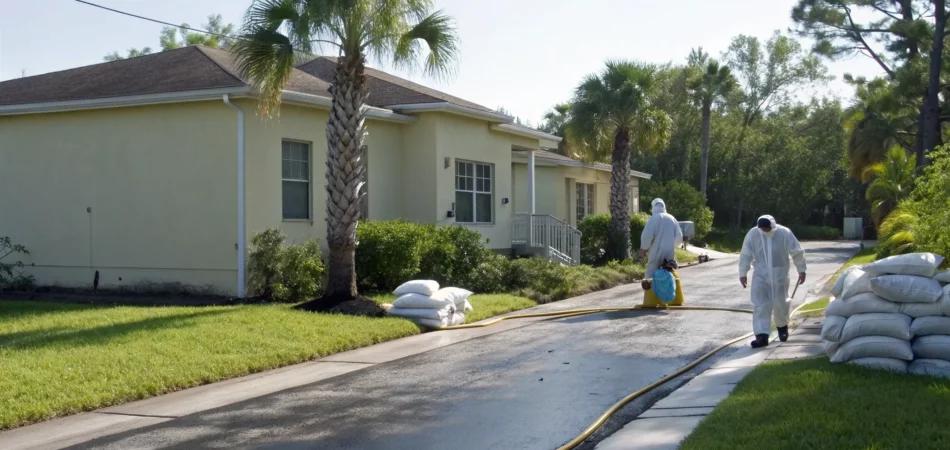
Many people think cleaning up after a flood is something they can handle with a wet vac and a few fans. While the can-do spirit is admirable, this approach often does more harm than good. Professional flood damage restoration is a science that involves specialized equipment to detect hidden moisture, proven techniques for rapid drying, and protocols to prevent dangerous mold growth. A DIY job can leave behind trapped water that silently compromises your home’s structure and air quality. Before you start tackling the cleanup yourself, let’s explore what the full restoration process entails and why calling in a certified team is the safest choice for your property.
Key Takeaways
- Speed is Your Best Tool Against Water Damage: The moment you spot water, the clock starts ticking on mold growth and structural harm. Your first call should be to a 24/7 certified restoration team that can start water extraction immediately, which is the single most effective way to limit long-term problems.
- Know Your Insurance Policy’s Fine Print: Don’t assume you’re covered. A standard homeowner’s policy handles internal sources like burst pipes, but you need separate flood insurance for storm-related water. Review your coverage now and be ready to document everything with photos if you ever need to file a claim.
- Protect Your Property with Simple Upkeep: You can significantly lower your risk with routine maintenance. Focus on keeping gutters clear to direct water away from your foundation, sealing any visible cracks, and ensuring your sump pump has a battery backup to keep it running during a power outage.
What Is Flood Damage Restoration?
When water invades your home, the aftermath can feel completely overwhelming. Flood damage restoration is the professional process of getting your property back to its pre-damage condition. Think of it as a systematic approach to cleaning up, drying out, and repairing everything the water touched. It’s not just about mopping up the visible water; it’s a comprehensive service that addresses hidden moisture, prevents mold growth, and restores the structural integrity of your home or business.
The process involves specialized equipment and techniques to handle everything from water extraction to sanitizing and deodorizing. A professional team will assess the full extent of the damage, create a detailed action plan, and manage the project from start to finish. This ensures that every affected area, from soaked carpets and drywall to compromised electrical systems, is handled safely and effectively. The ultimate goal is to make your space clean, safe, and livable again as quickly as possible. It’s about more than just repairs—it’s about restoring your peace of mind.
Understanding the Types of Flood Damage
The term “flood damage” might bring to mind major storms and rising rivers, but in reality, it covers any situation where excess water enters your property. Water damage can come from a variety of sources, each requiring a specific approach. You might be dealing with a sudden emergency like a burst pipe in the middle of the night or a slow, hidden leak that has been causing damage for weeks. Other common culprits include overflowing toilets, appliance malfunctions like a broken washing machine hose, or even a backed-up sewer line. Understanding the source is the first step in creating an effective restoration plan and preventing future issues.
A Step-by-Step Look at the Restoration Process
Once you make that first emergency call, a professional team gets to work immediately. The water damage restoration process is methodical to ensure nothing is missed. It starts with a thorough inspection and damage assessment. Next, technicians use powerful pumps and vacuums for water removal. After the standing water is gone, they begin the drying and dehumidification process using industrial-grade air movers and dehumidifiers to draw moisture out of walls, floors, and air. This is followed by cleaning and sanitizing all affected surfaces and belongings. The final step is restoration, which can involve minor repairs like replacing drywall or major reconstruction, depending on the severity of the damage.
How Long Will the Restoration Take?
One of the first questions every property owner asks is, “How long will this take?” While every situation is unique, the initial drying phase typically takes between three to five days. However, the total restoration timeline depends heavily on the extent of the damage, the type of water involved, and the materials affected. A small leak contained in one room will be much quicker to resolve than a multi-level flood. A certified restoration specialist can give you a more accurate timeline after a detailed inspection. The key is to start the process immediately, as prompt action can significantly reduce the overall time and cost of the complete restoration.
How to Choose the Right Flood Damage Restoration Company
When your property is flooded, the last thing you want is the added stress of vetting dozens of companies. Making a quick, confident choice is key to minimizing damage and getting your life back on track. But how do you know who to trust?
Focus on a few essential qualifications. A reliable restoration partner will be certified, responsive, well-equipped, and have a history of happy customers. Think of it as a checklist: if a company ticks all these boxes, you can feel good about putting your home or business in their hands. Let’s walk through what to look for.
Confirm They Have the Right Certifications
First things first, check for professional certifications. This isn’t just a fancy badge; it’s proof that the technicians follow industry-recognized standards for safety and effectiveness. The most respected credential comes from the Institute of Inspection, Cleaning and Restoration Certification (IICRC). A certified firm means the team has the expert training needed to handle water removal, drying, and repairs correctly. Hiring an uncertified company is a gamble you don’t want to take, as improper restoration can lead to bigger problems like mold and structural issues down the road.
Look for a Rapid, 24/7 Emergency Response
When you’re dealing with water damage, time is your enemy. Every hour you wait allows water to seep deeper into walls, floors, and furniture, causing more destruction. That’s why a 24/7 emergency service isn’t just a nice-to-have—it’s a must. You need a company that answers the phone day or night and can dispatch a team immediately. The best companies will guarantee an on-site arrival in under an hour. This rapid response is critical for stopping the damage in its tracks and is a clear sign of a company’s commitment to its customers.
Ask About Their Equipment and Technology
A professional restoration company should arrive with more than just a few fans and a wet vac. They need industrial-grade equipment to do the job right. Ask them about the tools they use. You should hear them mention things like high-powered water extractors, commercial-grade dehumidifiers, and air movers. They should also use moisture meters and thermal imaging cameras to detect hidden water that the naked eye can’t see. This advanced technology ensures that every last bit of moisture is found and eliminated, which is essential for preventing mold growth and long-term structural damage.
Ensure They Offer Insurance Claim Support
Navigating an insurance claim can feel like a full-time job, especially when you’re already dealing with the chaos of a flood. A great restoration company will help you with this process. While they can’t file the claim for you, they can provide detailed documentation, photos, and moisture readings to support your case. Many companies have experience working directly with all major insurance providers in the Tampa area. This support can make the claims process much smoother and help ensure you get the coverage you’re entitled to without the extra headache.
Read Customer Reviews and Check Ratings
Before you make a final decision, take a few minutes to see what past customers have to say. Look for reviews on third-party sites like Google, Yelp, and the Better Business Bureau (BBB) for unbiased feedback. While a perfect record is rare, you should see a consistent pattern of positive experiences. Pay attention to comments about communication, professionalism, and the quality of the final repairs. A company with a strong reputation and a high BBB rating has proven it can deliver on its promises, giving you peace of mind during a difficult time.
Who to Call: Tampa’s Top Flood Damage Restoration Companies
When your property is underwater, you need help, and you need it now. The minutes and hours after a flood are critical for minimizing long-term issues like structural damage and mold growth. Choosing the right restoration company can make all the difference, turning a potential disaster into a manageable problem. You need a team that’s not just fast and reliable, but also has the technical expertise and industrial-grade equipment to handle the job correctly. In the Tampa area, you have several highly-rated options to turn to in an emergency.
A great restoration company doesn’t just remove the water; they manage the entire process of complete restoration. This includes a detailed initial assessment, rapid water extraction, thorough drying and dehumidifying, and sanitizing the affected areas. They should also be equipped to handle any necessary repairs, from replacing drywall to restoring flooring, bringing your property back to its pre-damage condition. Furthermore, a top-tier company will offer support with the often-confusing insurance claim process, providing documentation and communicating directly with your provider. Finding a partner you can trust during such a stressful time is key. We’ve compiled a list of some of the top flood damage restoration companies serving the Tampa community to help you make an informed decision when it matters most. Each of these companies has a strong reputation for quality work and responsive service.
Drywizard Restoration & Drywall Inc.
As a leading local provider, Drywizard Restoration & Drywall Inc. is known for its rapid 24/7 emergency response, promising to be on-site in 45 minutes or less. This team specializes in handling all types of water damage emergencies, from major flooding to burst pipes and appliance overflows. Their IICRC-certified experts and A+ rating from the BBB reflect a strong commitment to quality and customer satisfaction. They focus on providing thorough restoration services to ensure your home or business is returned to a safe, dry, and healthy condition. With a reputation for clear communication and professionalism, Drywizard is a trusted choice for Tampa-area property owners who need immediate and reliable help.
SERVPRO
SERVPRO is a well-known national brand with a strong local presence in the Tampa area. Their extensive network allows them to provide a rapid response and mobilize significant resources for large-scale flood events. They offer comprehensive restoration services, guided by professional standards and a commitment to making it “Like it never even happened.” Homeowners and businesses often turn to SERVPRO for their established reputation and systematic approach to water mitigation, drying, and property restoration. Their uniformed professionals and branded vehicles are a familiar sight in communities affected by water damage, representing a reliable option for cleanup and recovery.
Paul Davis
Paul Davis is another highly reputable name in the restoration industry, with a focus on flood damage recovery. They are available 24/7 to respond to emergencies, offering a full spectrum of services that includes water extraction, structural drying, and complete property restoration. The team at Paul Davis is trained to handle complex situations and works diligently to return your property to its pre-loss condition. Their experience and commitment to customer service make them a solid choice for anyone facing the aftermath of a flood. They pride themselves on their organized process and ability to manage projects of all sizes, from residential homes to large commercial buildings.
Rainbow International
Rainbow International is recognized for its expertise in water damage restoration and cleanup. Their certified technicians provide a full suite of services designed to address every aspect of flood damage, from initial water removal to drying and even mold remediation if necessary. They are dedicated to restoring homes and businesses efficiently while maintaining a high standard of care and professionalism. Rainbow International emphasizes clear communication with clients throughout the recovery process, ensuring you are informed every step of the way. Their focus on a thorough and effective cleanup makes them a dependable partner for property owners dealing with the stressful effects of flooding.
Breaking Down the Cost of Flood Damage Restoration
When your home is flooded, your first thoughts are likely about safety and stopping the water. But once the immediate crisis is over, the question of cost quickly follows. Understanding the potential expenses can feel overwhelming, but knowing what goes into the final price tag can help you feel more in control. The total cost depends on your specific situation, but we can break down the factors that determine the price.
What Factors Influence the Price?
No two water damage scenarios are exactly alike, which is why restoration costs can vary so much. The price depends on the source of the water, the extent of the damage, and the materials involved. For example, cleaning up water from a burst supply line is very different from dealing with contaminated water from sewer backups. The latter requires more intensive cleaning and safety protocols, which increases the cost.
Other key factors include how much of your home was affected and what types of materials got wet. Porous materials like drywall, carpet, and insulation often need to be completely removed and replaced. The longer water sits, the more damage it causes, which can also lead to mold growth and the need for a more complex environmental cleanup.
A Look at Average Costs
While it’s impossible to give a precise number without an inspection, it helps to have a general idea of what to expect. On average, homeowners might pay anywhere from $4,000 to $8,500 for flood restoration. A minor issue, like a small leak caught early, could cost as little as a few hundred dollars. However, severe damage affecting a large area of your home, especially with contaminated water, can run much higher.
Costs are often calculated per square foot, and the rate depends on the category of water damage and the class of destruction. Think of it this way: the more complex the cleanup and the more materials that need replacing, the higher the final bill will be.
How to Get an Accurate Estimate
The only way to know the true cost of your flood damage is to have a professional conduct a thorough assessment. A certified technician will inspect your property to identify the source of the water, measure the extent of the damage, and determine which materials can be saved and which must be replaced. They use specialized equipment like moisture meters to find hidden water that could cause problems later.
After the inspection, a reputable company will provide a detailed, itemized estimate. This document should clearly outline all the services needed, from water extraction and drying to repairs and sanitization. This transparency ensures you understand exactly what you’re paying for. If you’re facing water damage, you can contact us 24/7 for an immediate assessment.
Exploring Your Payment Options
Facing an unexpected restoration bill can be stressful, but you have options. First, talk to your restoration company about any payment plans they might offer. Many professionals understand the financial strain homeowners are under and may have flexible solutions.
More importantly, contact your insurance agent as soon as possible. Your homeowner’s policy may cover certain types of water damage restoration, though flood-specific insurance is often separate. A professional restoration company can help you document the damage and communicate directly with your insurance provider to streamline the claims process, making a difficult situation a little easier to manage.
Will Insurance Cover Flood Damage Restoration?
After a flood, one of the first questions on your mind is likely, “Who is going to pay for all of this?” The answer depends entirely on your insurance coverage. Insurance policies can be tricky, and the source of the water is the most important factor in determining what’s covered. Understanding your policy before you need it is ideal, but if you’re already dealing with damage, figuring out your coverage is the immediate next step. A professional restoration company can often help you with the claims process, providing the detailed documentation your insurer will need.
Homeowner’s vs. Flood Insurance: Know the Difference
It’s a common misconception that a standard homeowner’s insurance policy covers all types of water damage. In reality, it depends on where the water came from. Your homeowner’s policy typically covers sudden and accidental damage from internal sources, like a washing machine overflow or a burst pipe. However, it almost never covers damage from natural flooding caused by events like heavy rainfall, hurricanes, or storm surges. For that, you need a separate flood insurance policy, which is often provided through the National Flood Insurance Program (NFIP). Knowing which policy applies is the first step to a successful claim.
How to File Your Claim Effectively
Once you and your family are safe, your first call should be to your insurance agent. Let them know what happened right away. They will start the claims process and explain the next steps, including what your policy covers and when you can expect an adjuster to visit your property. Most policies also require you to take reasonable steps to prevent further damage. This means you shouldn’t wait to call for professional help. A rapid-response team can begin the emergency water damage cleanup, which shows your insurer you’re being proactive and helps minimize the overall destruction.
Working with Your Insurance Adjuster
The insurance adjuster is a key person in your claim. Their job is to inspect the damage and determine the cost of repairs covered by your policy. It’s a good idea to be present for their inspection so you can point out all the affected areas and answer any questions they have. A professional restoration company can be a huge asset here. They can provide the adjuster with their own detailed assessment, moisture readings, and a clear scope of work for a complete restoration. This professional input helps ensure the adjuster’s report is accurate and that nothing gets overlooked.
Essential Documents to Keep on Hand
Documentation is your best friend during an insurance claim. Before any cleanup starts, take extensive photos and videos of everything that was damaged—the structure, your furniture, and personal belongings. Create a detailed list of all damaged items and, if possible, include their age, original cost, and replacement value. Keep a folder with all your receipts for any immediate expenses, like temporary housing or emergency repairs. Having this information organized and ready will make the process much smoother and help you get the full settlement you’re entitled to. If you need help getting an estimate for repairs, you can always contact us for a detailed assessment.
Common Mistakes to Avoid After a Flood
When your home is flooded, your first instinct is to jump into action. But in the rush to fix things, it’s easy to make mistakes that can worsen the damage or even put your safety at risk. Knowing what not to do is just as crucial as knowing the right steps to take. By avoiding these common pitfalls, you can protect your property and your family, ensuring a smoother and more effective restoration process. Let’s walk through the biggest missteps homeowners make after a flood so you can be prepared.
Ignoring Critical Safety Hazards
Your safety should always come first. Floodwater isn’t just water; it can hide serious dangers. One of the biggest risks is electrical shock. If you can safely reach your home’s breaker box, shut off the power immediately. Never enter a flooded room if the power is still on. Floodwater can also be highly contaminated with sewage, chemicals, and bacteria, posing significant health risks. It’s also important to be aware that water can weaken drywall, warp floors, and compromise your home’s structural integrity. Don’t take any chances—treat the area as a hazard zone until it has been professionally assessed.
Trying to Handle Restoration Yourself
It’s tempting to grab a mop and bucket and start cleaning up, but a DIY approach often falls short. Professional water damage restoration is about more than just removing visible water. It requires industrial-grade equipment like powerful water extractors, air movers, and dehumidifiers to completely dry out the structure. Without these tools, moisture gets trapped in walls and under floors, leading to long-term problems. Dealing with water damage yourself can be time-consuming and often leads to bigger issues down the road. Professionals have the training and gear to get the job done right the first time.
Waiting Too Long to Start the Cleanup
When it comes to water damage, every minute counts. The longer water sits, the more it soaks into porous materials like wood, drywall, and insulation, causing them to swell, warp, and deteriorate. Delaying the cleanup process gives moisture the chance to spread, turning a manageable problem into a major restoration project. A rapid response is essential to minimize the damage and prevent secondary issues from developing. That’s why having access to an emergency water damage team is so important—they can be on-site quickly to start the extraction and drying process immediately.
Overlooking the Risk of Mold
Where there’s moisture, there’s a risk of mold. It only takes 24 to 48 hours for mold spores to begin growing in a damp environment. If wet materials aren’t dried out completely, you could be facing a serious mold infestation. Mold doesn’t just cause unsightly stains and musty odors; it can also damage your home’s structure and release allergens and toxins into the air, creating an unhealthy living space. A professional restoration company won’t just remove the water; they’ll also handle the dehumidification and moisture monitoring needed to stop mold before it starts, sometimes requiring a full environmental cleanup.
Protecting Your Home from Future Flood Damage
After dealing with the stress and disruption of a flood, the last thing you want is to go through it all again. Taking proactive steps to protect your property can give you incredible peace of mind and significantly reduce the risk of future damage. It’s about shifting from a reactive mindset to a prepared one. By making a few key improvements and staying on top of routine maintenance, you can create a stronger line of defense against rising waters.
Thinking ahead is always a smart move. Creating a solid strategy before disaster strikes can make all the difference in how well your property weathers a storm. This involves looking at your home’s structure, your yard’s drainage, and even your own family’s readiness. Let’s walk through some practical, effective ways to safeguard your home. These aren’t just abstract ideas; they are concrete actions you can take to protect your investment and, more importantly, your family’s safety and comfort. A little bit of pre-disaster planning goes a long way in minimizing chaos when every second counts. We’ll cover everything from structural changes to simple maintenance habits that can save you a lot of trouble down the road.
Make Smart Structural Improvements
One of the most effective long-term strategies is to make your home itself more resistant to water. This can involve elevating your home, especially in high-risk flood zones, to physically lift it above anticipated flood levels. For shallower flooding, consider applying a waterproof veneer or sealant to your foundation, exterior walls, and around windows and doorways. This creates a barrier that can stop water from seeping in through small cracks and openings. During a complete restoration project after a flood, it’s the perfect time to incorporate these flood-resistant materials and techniques to build back stronger than before. These structural changes are a significant investment, but they offer the highest level of protection.
Keep Up with Exterior Maintenance
You’d be surprised how much of a difference simple, regular maintenance can make. Your gutters and downspouts are your home’s first line of defense against heavy rain, so keep them clear of leaves and debris to ensure water is channeled away from your foundation. The same goes for any storm drains on or near your property. Take a walk around your house periodically to inspect for cracks in the foundation or walls and seal them promptly. Proactive leak detection and repair can prevent a small issue from becoming a major entry point for floodwater during a storm. These small tasks are easy to overlook, but they are crucial for effective water management around your home.
Develop an Emergency Preparedness Plan
Protecting your home also means preparing your family. When a flood warning is issued, things can get chaotic quickly. Having a clear plan in place reduces panic and ensures everyone knows what to do. Designate a safe meeting spot and pack an emergency kit with essentials like bottled water, non-perishable food, flashlights, batteries, a first-aid kit, and any necessary medications. Keep important documents in a waterproof container that’s easy to grab and go. Discussing your pre-disaster planning with your family ensures everyone is on the same page, which is invaluable during a stressful emergency situation.
Install Protective Plumbing Devices
Your home’s plumbing system can unfortunately become an entry point for floodwater. During a flood, the municipal sewer system can get overwhelmed, forcing sewage back up into your home through toilets and drains. Installing backflow prevention valves in your sewer line can stop this from happening. Another key device is a sump pump, especially if you have a basement or crawl space. A sump pump automatically detects rising groundwater and pumps it away from your home. Consider getting a sump pump replacement with a battery backup so it continues to work even if the power goes out—which is common during severe storms.
Related Articles
- 10 Tips To Secure Your Residential Property Before A Flood
- 5 Things You Should Do When Your Home Is Damaged By Water – Drywizard Restoration & Drywall Inc.
- Steps to Take Immediately After Water Damage Occurs
- Is My Water Damage New or Has It Been Around a While? – Drywizard Restoration & Drywall Inc.
- The Dangers of Delaying Water Damage Repairs
Frequently Asked Questions
What is the very first thing I should do if I discover a flood? Your first priority is safety. If you can safely get to your breaker box, turn off the electricity to the affected areas to prevent any electrical hazards. After that, your next call should be to a professional restoration company. The sooner their team can get on-site, the more damage they can prevent. While you wait, and only if it’s safe to do so, you can start moving any sensitive items like photos, documents, and electronics to a dry area.
Is it safe to stay in my house after a flood? It’s generally best to find another place to stay until a professional has assessed the situation. Floodwater can be contaminated with bacteria and other hazards you can’t see. There’s also the risk of electrical shock and structural damage to floors and ceilings that might not be immediately obvious. A certified technician can inspect the property and let you know when it’s safe to return.
Why can’t I just use fans and a shop vac to dry everything myself? While a shop vac can remove standing water, it can’t pull moisture from deep within materials like drywall, wood framing, and carpet padding. Household fans just circulate damp air. Professionals use specialized equipment like industrial-grade dehumidifiers and high-velocity air movers to create a controlled drying environment. They also use moisture meters to find and eliminate hidden water, which is the key to preventing mold growth and long-term structural rot.
Can my furniture, rugs, and other personal items be saved? Whether your belongings can be salvaged depends on the type of water and how long the items were wet. Items damaged by clean water from a supply line have a much better chance of being restored than those soaked in contaminated water from a sewer backup. A professional restoration team can assess your belongings and determine what can be effectively cleaned and sanitized and what, unfortunately, needs to be discarded for health and safety reasons.
What causes that musty smell after water damage, and will it go away? That unpleasant, musty odor is a sign of moisture and the beginning of microbial growth, like mold and mildew. It’s a clear signal that the area is not completely dry. The smell will not go away on its own and will likely get worse. A professional restoration process eliminates this odor by thoroughly drying the structure, cleaning affected surfaces, and using special treatments to sanitize and deodorize the space, leaving the air clean and healthy.