
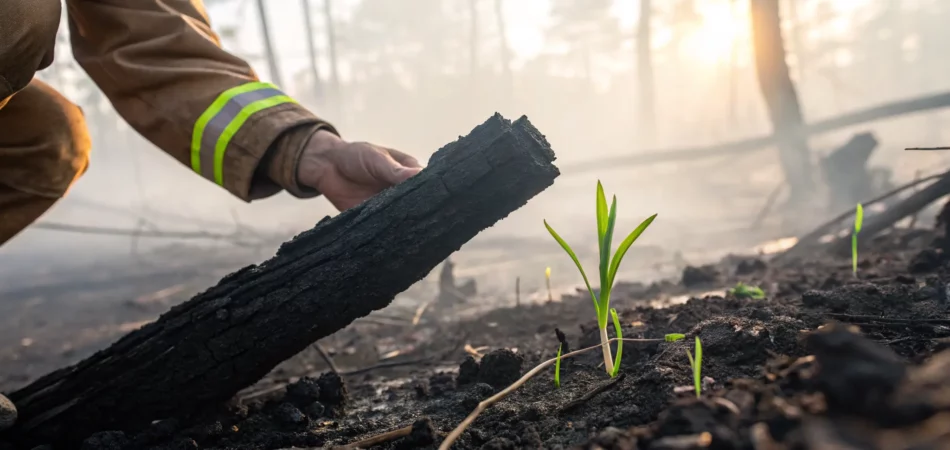
What is Fire Damage Restoration?
When you’re standing in the aftermath of a fire, the path forward can feel overwhelming. Fire damage restoration is the professional process of taking your property from its current state back to the way it was before the fire. It’s a comprehensive service that goes far beyond a simple cleanup. True fire and smoke restoration involves a multi-step approach that includes assessing the structural safety of your home, removing water from firefighting efforts, cleaning away soot and smoke residue, eliminating odors, and finally, repairing and rebuilding the damaged areas. The ultimate goal is to make your home safe, clean, and comfortable again, as if the fire never happened.
Think of your home like a patient after a serious injury. You wouldn’t just put a bandage on a deep wound and hope for the best; you’d seek professional medical care to ensure it heals properly. The same logic applies to your property after a fire. A DIY cleanup is just a bandage. Professional fire damage restoration is the complete treatment plan your home needs to fully recover. Experts diagnose the full extent of the damage—including issues with smoke, soot, and water—and apply specialized techniques and equipment to treat each problem at its source, ensuring a stable and lasting recovery for your property.
Key Takeaways
- Prioritize Safety and Professional Expertise: Attempting a DIY cleanup after a fire can expose you to toxic soot and hidden structural dangers. The safest and most effective path to recovery is to hire a certified restoration company with the proper equipment and training to handle hazardous materials.
- Understand the Full Scope of Restoration: The process goes far beyond just cleaning up ash. A complete restoration involves a multi-step plan that includes water removal from firefighting efforts, deep cleaning of soot, permanent smoke odor elimination, and structural repairs to bring your property back to its pre-fire condition.
- Act Quickly and Document Everything: After ensuring your family is safe, your most critical first steps are to call a 24/7 emergency restoration service to mitigate ongoing damage and to notify your insurance agent. Take photos and videos of the damage before anything is moved to create a clear record for your claim.
What a Fire Leaves Behind
The visible flames are just the beginning. A fire leaves behind a complex mix of damage that can affect every corner of your property. Soot and smoke are two of the biggest culprits; their acidic particles can coat surfaces, tarnish metals, and cause permanent staining if not treated quickly. What many people don’t expect is the significant water damage. The water used by firefighters to extinguish the blaze can soak into walls, floors, and furniture, creating a secondary problem that requires immediate water damage restoration to prevent mold growth. On top of it all, a persistent and unpleasant smoke odor can linger deep within porous materials, making the space unlivable.
Why You Need a Professional
While the urge to start cleaning immediately is understandable, tackling fire damage yourself can often do more harm than good. Professional restoration teams have the specialized training, experience, and commercial-grade equipment needed to handle the job safely and effectively. They use tools like air scrubbers to purify the air, thermal foggers to neutralize odors, and powerful dehumidifiers to dry out water-logged structures. More importantly, they know how to identify and handle hazardous materials and can assess whether your home is structurally sound. A professional service ensures every bit of soot is removed and every hidden pocket of moisture is addressed, protecting both your property and your family’s health.
Common Myths About Fire Damage
One of the most common myths is that you can save money with a DIY cleanup. In reality, improper cleaning techniques can smear soot, permanently setting stains and pushing particles deeper into surfaces. Another misconception is that a home will always smell like smoke after a fire. While a DIY cleaning might leave that lingering odor, professionals use advanced deodorization techniques that eliminate the smell at its source. A professional complete restoration service doesn’t just mask the odor—it removes the microscopic particles causing it, ensuring the smell is gone for good and your air quality is restored.
What to Do Right After a Fire
Standing in the aftermath of a fire is overwhelming. It’s hard to know where to even begin when you’re looking at the damage to your home or business. While your first instinct might be to jump into action, the most important thing you can do is pause and take a few careful, deliberate steps. Your safety and the success of your insurance claim depend on what you do in these first few hours.
The road to recovery starts with prioritizing safety, documenting everything you can, and knowing what to leave to the professionals. Trying to handle everything yourself can not only be dangerous but can also make the damage worse. This guide will walk you through the immediate actions you should take to protect yourself and your property, setting the stage for a smooth and effective fire and smoke restoration process. Remember, you don’t have to go through this alone; help is available.
Your Immediate Safety Checklist
Before you think about your belongings or the cleanup, your top priority is your well-being. Always listen to the firefighters and first responders on the scene. They will tell you when it is safe to re-enter your property, and you should never go back inside until they give you the official all-clear. Even after the flames are out, a fire-damaged structure can be unstable, and the air quality can be hazardous due to lingering smoke and soot. Once you and your family are in a safe location, contact any close relatives to let them know you’re okay. Then, you can start thinking about the next steps for your property.
How to Document Damage for Insurance
Once officials say it’s safe, you can begin documenting the damage for your insurance claim. This step is crucial. From a safe distance, take as many photos and videos as you can. Capture wide shots of affected rooms and close-ups of specific damage to the structure and your personal belongings. This visual evidence will be essential when you file your claim. A professional restoration company can be a huge asset here, as they work directly with your insurance provider to streamline the process. They understand the documentation insurers need and can help ensure your complete restoration is properly covered.
What Not to Touch, Move, or Clean
Your instinct might be to start cleaning up, but it’s best to leave this to the experts. Trying to wash walls or clean carpets yourself can actually cause more harm. Soot is oily and acidic, and using the wrong cleaning methods can permanently set stains into surfaces. Avoid touching soot-covered items with your bare hands, as the natural oils on your skin can react with the soot and cause further damage. Also, don’t turn on any electrical appliances or systems until a professional has inspected them. The combination of fire, soot, and water from firefighting efforts creates a complex and hazardous environment that requires specialized environmental cleanup techniques.
What Does a Fire Damage Restoration Service Cover?
When you think about the aftermath of a fire, you probably picture charred walls and ash. But the reality is much more complex. Professional fire damage restoration is a comprehensive service that addresses not just the visible burn damage, but also the hidden issues caused by smoke, soot, and the water used to put out the flames. It’s a meticulous process designed to safely and effectively bring your property back to the way it was before the incident.
A true restoration service covers the entire journey, from the moment you make that first emergency call to the final coat of paint. This includes a rapid initial assessment, securing your property to prevent further damage, and a detailed cleanup plan. The process involves removing water, cleaning away stubborn soot, eliminating persistent smoke odors, and restoring your personal belongings. Finally, it covers all the necessary repairs and rebuilding to make your house feel like home again. It’s about handling every detail so you can focus on your family.
The Initial Emergency Call and Assessment
The moment you call for help, the clock starts ticking. A professional team understands the urgency and arrives quickly to evaluate the situation. This initial assessment is critical. Experts will inspect the full extent of the fire, smoke, and water damage, determining what can be saved and what needs to be replaced. They’ll board up windows, place tarps on damaged roofs, and take immediate steps to secure your property. This fast, decisive action is the first step in a successful fire and smoke restoration plan and helps prevent any further damage from the elements or vandalism.
Removing Smoke and Soot
After a fire, smoke and soot can cover everything, seeping into porous surfaces and leaving behind a greasy, acidic residue. If left untreated, this residue can cause permanent staining and corrosion. Simply wiping it down isn’t enough. Professional restoration services use specialized equipment and cleaning agents to safely remove soot from walls, ceilings, floors, and personal belongings. This thorough environmental cleanup is essential for preventing long-term damage and ensuring the air in your home is clean and safe to breathe again.
Handling Water Damage from Firefighting
Where there’s fire, there’s almost always water damage. The massive amounts of water used by firefighters to extinguish the blaze can saturate your home’s structure, from the attic down to the foundation. This creates a perfect environment for mold growth and can cause wood to warp and drywall to crumble. A key part of the restoration process is immediate water damage restoration. Professionals use powerful pumps and industrial-grade dehumidifiers to extract all the moisture, completely drying out the property to prevent secondary damage like mold and mildew.
Repairing and Rebuilding Your Property
Once the cleanup is complete, the rebuilding phase begins. This is where your property truly starts to look like itself again. Fire damage restoration services often include construction and repair work to address any structural damage. This can range from minor repairs like replacing drywall and painting to major reconstruction, such as rebuilding walls, replacing flooring, or even repairing the roof. The goal is a complete restoration that seamlessly returns your property to its pre-fire condition, making it safe, stable, and comfortable for you and your family.
Eliminating Smoke Odors for Good
One of the most persistent reminders of a fire is the smell of smoke, which can linger for months if not properly treated. Smoke particles are microscopic and can penetrate deep into drywall, wood, and upholstery. Airing out the house or using store-bought air fresheners will only mask the problem temporarily. Professional restoration companies use advanced deodorization techniques, such as thermal fogging or ozone treatments, to neutralize odor-causing particles at their source. This ensures the smoke smell is gone for good, not just covered up.
Cleaning and Restoring Your Belongings
A fire doesn’t always mean a total loss of your personal possessions. Many items that seem ruined can often be saved. Restoration experts are trained in specialized techniques to clean and restore a wide range of personal belongings, including furniture, clothing, curtains, and even electronics. They carefully assess each item to determine the best cleaning method, working to salvage as many of your cherished possessions as possible. This compassionate approach helps you recover not just your house, but the things that make it a home.
The Fire Damage Restoration Process, Step-by-Step
Seeing your property after a fire can be overwhelming, and it’s hard to know where to even begin. Professional restoration isn’t just about cleaning up; it’s a systematic process designed to safely and completely return your space to its pre-fire condition. While every situation is unique, the core steps are methodical and proven. A certified team will guide you through each phase, from the initial emergency call to the final walkthrough. Understanding this process can help you feel more in control during a stressful time and give you a clear roadmap for what to expect as you work to get your life back on track.
This multi-stage approach ensures that nothing is missed, from hidden water damage behind walls to soot particles trapped in your ventilation system. It addresses not only the visible destruction but also the unseen hazards that can affect your property’s structure and your family’s health long after the flames are out. A professional team doesn’t just repair the damage—they stabilize your property, mitigate further issues, and meticulously restore every affected area. This process is a collaboration between technicians, project managers, and you, the property owner, with clear communication at every stage. Let’s walk through what a professional restoration looks like, step by step, so you know exactly what’s happening to bring your home back to life.
Step 1: Inspection and Damage Assessment
The moment a professional team arrives, their first priority is to conduct a thorough inspection. This isn’t just a quick look around; it’s a detailed assessment to understand the full extent of the damage. They’ll determine how far the fire, smoke, and soot have spread and evaluate the impact of the water used to extinguish the flames. This critical first step helps them figure out what can be saved and what needs to be replaced. Based on this assessment, they create a precise plan of action, giving you a clear understanding of the scope of the fire and smoke restoration work required.
Step 2: Securing the Property
After a fire, your property is vulnerable to further damage from weather, vandalism, or theft. The restoration team’s next step is to secure the site immediately. This often involves boarding up broken windows and doors and placing tarps over a damaged roof to protect the interior from the elements. They may also set up temporary fencing to secure the perimeter and keep the area safe. This crucial step prevents additional problems from compounding the initial fire damage and ensures the property is protected while the restoration work begins.
Step 3: Water Removal and Drying
Where there’s fire, there’s almost always water damage—either from firefighting efforts or from pipes that may have burst due to the heat. This standing water needs to be addressed immediately to prevent secondary damage like mold growth and structural decay. Professionals use powerful pumps and industrial-grade vacuums to extract all the water. Afterward, they strategically place high-speed air movers and dehumidifiers to thoroughly dry out walls, floors, and other affected materials. Proper water damage restoration is essential before any other repairs can begin.
Step 4: Soot and Smoke Cleanup
Once the property is dry, the intensive cleanup begins. Smoke and soot are invasive, clinging to every surface and getting into tiny crevices. This phase involves a lot of detailed manual work. Restoration specialists use specialized cleaning techniques and products to remove soot from walls, ceilings, and other structural elements. They also clean out the HVAC system and air ducts to prevent smoke particles from recirculating once you move back in. This meticulous process is vital for removing acidic soot that can cause further corrosion and discoloration if left untreated.
Step 5: Cleaning, Sanitizing, and Deodorizing
Simply wiping down surfaces isn’t enough to eliminate the lingering effects of a fire. The next step is a deep cleaning and sanitizing process to make your home healthy and safe again. Professionals use specialized equipment, like thermal foggers and ozone generators, to neutralize and remove stubborn smoke odors that have penetrated porous materials. They also clean and restore salvageable personal belongings, from furniture to textiles. This comprehensive cleaning ensures that all harmful smoke particles and bacteria are eliminated, leaving the space truly clean and odor-free.
Step 6: The Final Restoration and Rebuild
With the property clean, dry, and deodorized, the final phase can begin: rebuilding. This is where your home or business starts to look like itself again. The scope of this step can vary widely, from minor repairs like installing new drywall, painting, and laying new carpet to major reconstruction of entire sections of the property. A full-service company can handle every aspect of the complete restoration, managing all the necessary repairs and construction to bring your property back to its pre-fire condition, or even better.
How to Choose the Right Fire Restoration Company
After a fire, the last thing you want is the added stress of choosing the wrong team to help you rebuild. The company you hire will be in your home during a vulnerable time, so it’s crucial to find a trustworthy and competent partner. While it might feel overwhelming to vet companies in an emergency, knowing a few key things to look for can make all the difference. Think of it as having a checklist ready so you can make a clear-headed decision when it matters most. A great restoration company doesn’t just clean up the mess; they guide you through the process, handle the complexities, and help you get your life back to normal. They become your advocate, working with your insurance company and using their expertise to ensure your home is safe and sound again. This decision impacts not just the quality of the repairs but also your peace of mind throughout the entire recovery journey. Taking a few moments to check for the right qualifications will pay off immensely, ensuring the team you choose has the experience, equipment, and empathy to handle the job correctly from start to finish.
Look for Key Certifications
You wouldn’t hire an unlicensed doctor, so why hire an uncertified restoration team? Certifications are proof that a company meets high industry standards for safety and effectiveness. Look for a company that is licensed, bonded, and insured. This protects you from liability and ensures they’re accountable for their work. A key certification to watch for is from the IICRC (Institute of Inspection, Cleaning and Restoration Certification), which is the gold standard in the industry. Hiring a certified team means you’re getting experts who have been trained in the latest fire and smoke restoration techniques, giving you peace of mind that the job will be done right.
Confirm They Offer 24/7 Emergency Service
A fire doesn’t wait for business hours, and neither should your restoration company. The damage from a fire continues long after the flames are out. Soot and smoke can settle into porous materials, and water from firefighting efforts can lead to mold if not addressed quickly. That’s why a 24/7 emergency response is non-negotiable. You need a team that can be on-site within the hour to assess the situation and begin securing your property. A rapid response can significantly reduce the overall damage, save more of your belongings, and cut down on the time and cost of the complete restoration process.
Ask How They Work with Insurance
Dealing with insurance claims can feel like a full-time job, especially when you’re already handling the emotional toll of a fire. A reputable restoration company will lift that burden from your shoulders. Ask potential companies about their experience working with insurance providers. They should be able to provide detailed documentation, photos, and estimates directly to your adjuster to support your claim. This partnership not only streamlines the process but also helps ensure you get the coverage you’re entitled to. A team that can confidently handle the insurance side of things is an invaluable asset during your recovery.
Ensure They Have Professional-Grade Equipment
Fire restoration requires more than just soap and water. Professionals use specialized, industrial-grade equipment to handle the complex aftermath of a fire. This includes high-powered vacuums to remove soot, air scrubbers with HEPA filters to purify the air of harmful particles, and thermal foggers to neutralize stubborn smoke odors. They also use advanced moisture meters and dehumidifiers to tackle water damage from extinguishing the fire. Without this professional-grade equipment, it’s nearly impossible to perform a proper environmental cleanup and remove hidden moisture, which can lead to long-term structural problems and health risks.
How Much Will Fire Damage Restoration Cost?
After a fire, one of the first questions on your mind is likely, “How much is this going to cost?” It’s a completely valid concern. The truth is, there’s no single price tag for fire damage restoration because every situation is unique. While national averages can range from a few thousand dollars for a small kitchen fire to well over $50,000 for extensive damage, these numbers don’t tell the whole story. The final cost depends on a combination of factors, from the size of the fire to the type of materials that burned. Understanding what goes into the estimate can help you feel more in control during a stressful time.
What Factors Influence the Price?
The final bill for restoration is shaped by several key elements. The most significant is the extent of the damage—how many rooms were affected and how intensely the fire burned. Beyond the flames, you also have to consider the impact of smoke and soot, which can travel far beyond the fire’s origin. Soot removal alone can cost between $2,000 and $6,000. Then there’s the secondary damage from the water used to extinguish the fire. A professional water damage restoration process is critical to prevent mold and structural issues. The types of materials that need cleaning or replacing and the complexity of structural repairs will also heavily influence the total cost.
How Insurance Coverage Works
The good news is that your homeowner’s insurance policy typically covers the cost of fire and smoke restoration for an accidental fire. You will likely have to pay a deductible, which is the out-of-pocket amount you agreed to when you purchased your policy. To help the claims process go smoothly, document everything with photos and videos before anything is moved or cleaned. A reputable restoration company will work directly with your insurance adjuster, providing detailed estimates and documentation to make sure all necessary repairs are covered. This partnership can take a huge weight off your shoulders, allowing you to focus on your family while the experts handle the paperwork and negotiations.
The Real Cost of a DIY Cleanup
It can be tempting to try and clean up the damage yourself to save money, but this approach often leads to bigger problems. Without professional equipment and training, it’s nearly impossible to remove all the acidic soot and smoke residue, which can continue to damage surfaces long after the fire is out. You also risk missing hidden moisture that can lead to mold. Many people believe professional restoration is prohibitively expensive, but the reality is that a failed DIY attempt can result in much higher costs down the road. Investing in a professional complete restoration ensures the job is done safely and correctly the first time, protecting your property’s value and your family’s health.
The Hidden Health Risks of Fire Damage
After the firefighters leave, the most visible danger is gone, but many invisible threats remain. The aftermath of a fire creates an environment filled with hazards that can pose serious risks to your health long after the flames are extinguished. From the air you breathe to the materials in your home’s structure, understanding these hidden dangers is the first step toward ensuring your property is truly safe for your family again.
The process of making your home safe involves more than just cosmetic repairs; it requires a deep, professional cleaning to address airborne toxins and hazardous materials. Attempting to handle this on your own can expose you and your loved ones to unnecessary health risks. A professional team has the right equipment and training to manage these hazards, ensuring your home is not just rebuilt, but restored to a safe and healthy state. This is why a complete restoration plan is about protecting your property and your well-being.
Dangers of Breathing in Smoke and Soot
Even a small fire can fill your entire home with smoke and soot, and these particles are more than just a messy nuisance—they’re toxic. Soot is a powdery black substance made of fine carbon particles created by incomplete combustion. When inhaled, these microscopic particles can lodge deep in your lungs, causing or worsening respiratory problems like asthma and bronchitis. The acidic nature of soot can also irritate your eyes, skin, and sinuses. Professional fire and smoke restoration is critical for removing these harmful contaminants from every surface and purifying the air inside your home.
Hazardous Materials to Be Aware Of
Fires can uncover other hidden dangers within your home’s structure, especially in older properties. The intense heat can damage materials containing asbestos or lead, releasing these hazardous fibers and particles into the air. Asbestos was once common in insulation, flooring, and ceiling tiles, while lead was a key ingredient in paint. Exposure to either can lead to severe, long-term health issues. A professional restoration team is trained to identify and safely handle these materials, often requiring specialized environmental cleanup protocols to prevent contamination and ensure your home is safe for occupancy.
How to Protect Your Family During Restoration
Your family’s safety is the top priority. The most important rule is to never re-enter your home until the fire department says it is structurally sound and safe to do so. During the restoration process, it’s best to stay off-site to avoid exposure to soot and other hazards. A crucial part of the cleanup also involves addressing the water used to extinguish the fire. If not handled quickly, this can lead to dangerous mold growth. Ensure your restoration plan includes professional water damage restoration to thoroughly dry the structure and prevent another health risk from taking root.
How Long Does the Restoration Process Take?
After a fire, one of the first questions on your mind is likely, “How long will this take?” It’s completely understandable to want a clear timeline for getting your life back to normal and putting this stressful event behind you. The honest answer is: it depends. The fire damage restoration process is complex, and the timeline can range from just a few days for a small, contained kitchen fire to several weeks or even months for extensive structural damage that affects multiple areas of your property.
The total duration hinges on a variety of factors unique to your situation. A professional team can give you a much more accurate estimate after a thorough, on-site inspection, but understanding the variables involved can help set realistic expectations from the start. The key is to partner with a company that not only has the technical expertise but also communicates clearly and keeps you informed every step of the way. They should be able to walk you through their structured plan, from the initial cleanup and damage mitigation to the final repairs and reconstruction, so you always know what’s happening in your home or business and what to expect next.
What Affects the Project Timeline?
No two fires are exactly alike, which means no two restoration timelines are either. The biggest factor is the overall extent of the damage. A small, contained fire will naturally be a quicker fix than one that has spread through multiple rooms. The intensity of the flames, how long the fire burned, and the types of materials affected all play a role. For example, synthetic materials can create a thick, oily soot that requires more intensive cleaning. The amount of water used to extinguish the fire also significantly impacts the schedule, as drying out the structure is a critical first step in any fire and smoke restoration project.
Why a Fast Response Matters
When it comes to fire damage, every minute counts. A quick response can dramatically reduce the overall repair time and cost. Soot and smoke residue are acidic and can cause permanent staining or corrosion if left to sit. Even more pressing is the water damage left behind by firefighting efforts. Moisture creates the perfect environment for mold, which can begin to grow in as little as 24 hours. Addressing this emergency water damage immediately prevents a secondary problem that would only add more time and complexity to the restoration. That’s why getting professionals on-site as soon as possible is the single best thing you can do to shorten the recovery timeline.
Timelines for Homes vs. Businesses
While the technical process is similar, the approach to restoring a home versus a business can differ. For homeowners, the goal is to return your family to a safe, clean, and comfortable living space. For a business, the primary focus is on minimizing downtime and getting operations running again to avoid lost revenue. Professional restoration companies understand this urgency and often have specialized teams and equipment ready for commercial restoration projects. They can work efficiently to handle large-scale damage, helping your business reopen its doors as quickly as possible while ensuring the environment is safe for employees and customers.
Questions to Ask Your Restoration Company
Once the immediate danger has passed, you’ll need to hire a team to handle the cleanup and repairs. Choosing the right partner is one of the most important decisions you’ll make. Before you sign any contracts, make sure you get clear answers to a few critical questions. This will help you find a trustworthy company that will treat your home and family with respect.
What is the plan and timeline?
Every fire is different, so every restoration plan will be, too. A reputable company should be able to give you a clear, step-by-step overview of their proposed plan after their initial assessment. Ask them to walk you through the entire process, from securing the property and removing water to cleaning soot and making final repairs. While the timeline can change based on hidden damage, they should provide a realistic estimate. Understanding the scope of their fire and smoke restoration services upfront helps set clear expectations and gives you a roadmap for getting your life back to normal.
How will you keep me updated?
You’re going through a stressful event, and the last thing you need is to be left in the dark. Ask about the company’s communication process. Who will be your single point of contact? How often can you expect updates, and will they come via phone, text, or email? A professional team understands the importance of keeping you informed every step of the way. At Drywizard, we prioritize constant communication from your first emergency call until the job is finished. Clear and consistent updates are a sign of a company that respects you and your situation, helping to reduce anxiety during a difficult time.
Do you offer a warranty?
A warranty is more than just a piece of paper; it’s a promise of quality. Asking about a guarantee shows you’re looking for a company that stands behind its work. Find out what the warranty covers—is it for the structural repairs, the smoke odor removal, or both? And how long does it last? Proper restoration requires a high level of skill and specialized knowledge to do it right. A company that is confident in its team and its process will have no problem offering a warranty on their complete restoration services. This gives you peace of mind knowing the job was done correctly.
How to Prepare Your Home for a Fire Emergency
No one wants to think about a fire happening in their home, but taking a little time to prepare can make all the difference. It’s about giving yourself and your family the best possible chance to stay safe and recover more smoothly if the unexpected happens. Think of it as a bit of proactive planning that buys you invaluable peace of mind. While you can’t control every variable, you can take concrete steps to reduce risks and create a clear plan of action. This preparation is your first line of defense, ensuring that if you ever face an emergency, you can act with confidence instead of panic.
Putting a solid plan in place covers everything from simple prevention habits to knowing exactly who to call when you need help. It involves your home’s safety equipment, your family’s escape routes, and your financial protection through insurance. By addressing these areas now, you’re not just preparing for a fire; you’re building a foundation for a quicker, less stressful recovery. The goal is to minimize potential damage and, most importantly, to keep everyone safe.
Simple Fire Prevention Tips
The best way to handle a fire is to prevent it from starting in the first place. Start with the basics: check that you have working smoke detectors on every level of your home, inside each bedroom, and outside sleeping areas. Test them monthly and change the batteries at least once a year. It’s also a great idea to have fire extinguishers in key areas like the kitchen and garage, and make sure everyone in the house knows how to use one. Simple habits, like never leaving cooking unattended and being careful with candles and space heaters, go a long way in keeping your home safe.
Create a Family Emergency Plan
Your family’s safety is the top priority. Sit down together and map out two escape routes from every room in your house. Decide on a safe meeting spot outside—like a specific tree or a neighbor’s mailbox—so you can quickly account for everyone. Practice your fire drill at least twice a year, including at night. Part of your plan should also include what to do immediately after you’re safe. Keep the number for a trusted, 24/7 restoration company handy. Knowing who to call for fire & smoke restoration means you can get professional help on the way as soon as the fire department gives the all-clear.
Review Your Insurance Policy Today
The time to understand your homeowner’s insurance policy is now, not in the middle of a crisis. Pull out your documents and review your coverage. Your policy will likely cover most or all of the restoration costs if the fire was an accident, but it’s important to know your limits and deductible. Check if your policy includes coverage for personal belongings and additional living expenses if you need to relocate temporarily. To make a future claim easier, create a home inventory by taking photos or a video of your possessions. This simple step provides proof of ownership and can significantly speed up the claims process.
Related Articles
- Fire & Smoke Damage Restoration in Tampa, FL
- Flood Damage Restoration: A Step-by-Step Guide – Drywizard Restoration & Drywall Inc.
- How to Choose a Water Damage Restoration Company – Drywizard Restoration & Drywall Inc.
Frequently Asked Questions
Can I start cleaning up the soot and smoke damage myself? It’s completely understandable to want to start cleaning right away, but it’s best to wait for professionals. Soot is oily and acidic, and using household cleaners can accidentally smear it, pushing it deeper into surfaces and making stains permanent. Professionals use specific techniques and cleaning agents designed to lift soot without causing further damage, protecting your belongings and the structure of your home.
What’s the very first thing I should do after the fire department leaves? Your absolute first priority is to make sure you and your family are safe. Once you’ve been given the official all-clear to be on the property, your next call should be to a 24/7 restoration company. A rapid response is critical because the damage from soot and water can worsen by the hour. Getting experts on-site quickly can save more of your property and shorten the overall restoration timeline.
Will my home always have that smoke smell? This is a huge concern for many people, and the answer is no, not if the restoration is done correctly. That lingering smoke odor comes from microscopic particles that get trapped deep inside materials like drywall, wood, and carpet. Simply airing out the house won’t work. Professional teams use advanced deodorization methods, like thermal fogging, that neutralize these particles at the source, ensuring the smell is gone for good.
Does fire restoration also take care of the water damage from the fire hoses? Yes, a comprehensive fire restoration service always includes water damage restoration. The water used by firefighters can cause significant secondary damage, like mold growth and structural rot, if it isn’t handled immediately. A professional team will start by extracting all the water and using industrial-grade dehumidifiers to completely dry out your property before any other repairs begin.
How long will I have to be out of my house? The timeline really depends on the extent of the damage. A small kitchen fire might only take a few days to restore, while a more significant fire affecting the structure of your home could take several weeks or more. A professional restoration company will be able to give you a realistic timeline after they complete their initial, thorough inspection of the property.