
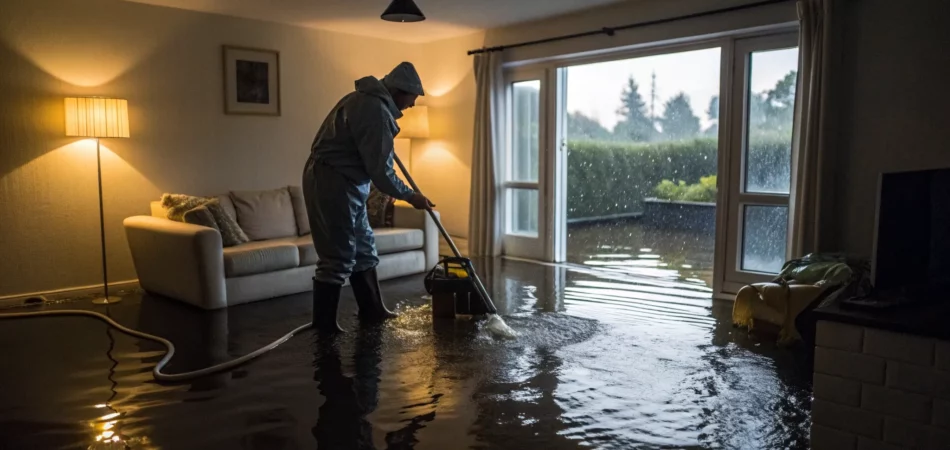
What Is Emergency Water Removal?
When water unexpectedly floods your home or business, every moment feels critical. Emergency water removal is the immediate process of extracting standing water from your property to stop damage in its tracks. Think of it as the first-response phase of a larger water damage restoration effort. This service is designed to handle sudden and severe water intrusion, whether it’s from a burst pipe in the middle of the night or a major appliance failure. The goal is simple: get the water out as quickly and completely as possible to set the stage for drying and repairs.
A common mistake homeowners make is underestimating the power of water. It’s easy to think that a small flood will dry on its own or that a shop vac can handle the job. Unfortunately, this approach often leads to bigger problems down the road. Water hides in drywall, seeps under flooring, and creates the perfect environment for mold to thrive. Professional emergency water removal is the only way to ensure every bit of moisture is found and eliminated. It’s a scientific process that protects your property’s value and your family’s health. Let’s break down what this service includes and why it’s so vital.
Key Takeaways
- Your First Moves Matter Most: In a water emergency, prioritize safety by shutting off the power, then stop the water at its source. A fast call to a 24/7 restoration service is the single most effective way to limit damage and control costs.
- Professional Drying Prevents Hidden Problems: True restoration isn’t just about removing visible water. Professionals use specialized tools to find and eliminate moisture trapped in walls and subfloors, which is essential for preventing mold growth and long-term structural rot.
- Simple Maintenance is Your Best Defense: You can avoid future water disasters with proactive habits. Regularly inspect appliance hoses and under-sink pipes, and consider installing water leak detectors in high-risk areas to catch problems before they escalate.
Common Causes of Water Emergencies
Water emergencies can spring from many sources, often without warning. In Florida, we see everything from storm-related flooding to common household mishaps. Some of the most frequent culprits include plumbing failures, such as burst pipes or leaky water heaters that finally give way. Malfunctioning appliances like washing machines, dishwashers, and refrigerators are also common sources of sudden water damage. Another serious issue is a sewer backup, which introduces contaminated water that requires immediate professional attention. Understanding these potential causes can help you stay vigilant and spot problems before they escalate into a full-blown crisis.
Warning Signs You Can’t Ignore
Sometimes, a water emergency is obvious, like a flooded basement. Other times, the signs are more subtle. Pay attention to musty odors that won’t go away, peeling paint or wallpaper, dark or discolored spots on walls and ceilings, or flooring that is starting to warp or cup. One of the biggest mistakes property owners make is assuming a small leak will dry on its own. While surface moisture might evaporate, water easily gets trapped within drywall, insulation, and subflooring. This hidden moisture creates the perfect environment for mold to grow and can slowly compromise your property’s structural integrity, leading to much bigger problems down the road.
Why Every Second Counts
When it comes to water damage, time is your enemy. The longer water sits, the more it soaks into porous materials, causing wood to swell, drywall to crumble, and furniture to delaminate. Acting fast is essential to prevent secondary damage, save your personal belongings, and stop mold and mildew from taking hold—which can happen in as little as 24 to 48 hours. A rapid response not only minimizes the physical destruction but also helps keep repair costs down. The sooner professionals can begin the emergency water removal process, the better the chances of a successful and less expensive restoration.
The Water Removal Process, Step-by-Step
When your property is flooded, a professional restoration team follows a proven method to get your space back to normal. While every situation is unique, the core process involves a few critical stages designed to remove water, dry the structure, and prevent long-term issues like mold. Understanding these steps can help you know what to expect when you make that emergency call. It’s a systematic approach that prioritizes safety and thoroughness, ensuring no moisture is left behind to cause problems down the road. From the initial inspection to the final moisture check, each step builds on the last to deliver a complete and lasting solution.
Step 1: Assess the Damage and Ensure Safety
The moment a restoration team arrives, their first priority is safety. They’ll start by inspecting the area to identify any immediate hazards, like electrical risks or structural weaknesses. This initial assessment also involves determining the extent of the damage and the type of water involved—whether it’s clean water from a supply line or contaminated water from a sewer backup. Choosing a team with specific experience in water damage restoration is crucial, as a general contractor might miss hidden hazards or fail to properly categorize the water, leading to incomplete or unsafe work. This careful evaluation sets the stage for the entire removal and restoration plan.
Step 2: Extract All Standing Water
Once the area is secure, the next step is to remove all visible, standing water as quickly as possible. Professionals use powerful, specialized equipment like truck-mounted vacuums and high-capacity submersible pumps to handle this task efficiently. For significant flooding, these industrial-grade tools are essential for extracting large volumes of water in a short amount of time. Getting the standing water out promptly is the backbone of any effective emergency water damage response, as it immediately halts the spread of moisture and minimizes how deeply it soaks into your floors, walls, and furniture.
Step 3: Dry and Dehumidify the Area
After the standing water is gone, the real work of drying begins. Porous materials like drywall, wood, and carpet can hold a surprising amount of moisture that isn’t visible to the naked eye. To tackle this hidden dampness, restoration experts strategically place industrial-strength air movers to create airflow across wet surfaces, speeding up evaporation. At the same time, powerful dehumidifiers work to pull that moisture out of the air. This combination is the only way to ensure the area is completely dried and to prevent the growth of mold, which can start to form in as little as 24 hours.
Step 4: Monitor Moisture and Document the Process
The job isn’t finished just because things feel dry to the touch. A professional team will use specialized tools like moisture meters and thermal imaging cameras to check for any remaining moisture hidden in walls, under floors, or in other hard-to-reach spots. They will monitor the drying process daily, adjusting equipment as needed until humidity and moisture levels are back to normal. Throughout this process, they document everything with photos and detailed notes. This thorough documentation is vital for a complete restoration and provides the proof you’ll need when filing an insurance claim.
How to Choose the Right Restoration Company
When you’re standing in a puddle in your living room, choosing a restoration company can feel like one more overwhelming task on a very long list. But making the right choice is the most important step you can take to get your home and life back to normal. The right team won’t just remove the water; they’ll handle the entire process with professionalism, speed, and care, preventing long-term issues like mold and structural damage.
Not all companies are created equal. You need a partner who is certified, fast, well-equipped, and can help you with the complexities of insurance claims. Think of it as hiring a project manager for your recovery—someone you can trust to see the job through from start to finish. Taking a few moments to check for these key qualifications will save you headaches, time, and money down the road. Here’s what to look for to ensure you’re putting your property in the best possible hands.
Look for IICRC Certification
Before you hire anyone, check for IICRC certification. The Institute of Inspection, Cleaning and Restoration Certification is the non-profit organization that sets the standards for the restoration industry. Think of it as a seal of approval that shows a company is serious about its work. An IICRC-certified firm means the technicians have been properly trained to handle water damage using the latest techniques and safety protocols. They understand the science behind drying and know how to achieve a complete restoration without cutting corners. This certification is your assurance that the team knows exactly what they’re doing.
Confirm 24/7 Availability and a Fast Response Time
Water damage doesn’t stick to a 9-to-5 schedule, and neither should your restoration company. Water spreads quickly, seeping into drywall, subfloors, and furniture, and mold can begin to grow in as little as 24 to 48 hours. You need a company that offers emergency water damage services around the clock and guarantees a rapid response. A team that can be on-site in under an hour can make a huge difference in minimizing the damage. When you call, ask them for their estimated arrival time. A company that prioritizes speed understands the urgency of your situation.
Ask About Their Equipment and Technology
Effective water removal requires more than a few fans and a shop vac. A professional restoration company will use commercial-grade equipment designed for powerful and efficient drying. Ask about the tools they use. You should hear them mention things like truck-mounted water extractors, industrial-strength air movers, and low-grain refrigerant dehumidifiers. They should also use moisture meters and thermal imaging cameras to detect hidden water in walls and floors. This advanced technology is critical for ensuring your property is thoroughly dried, which is a key part of any professional water damage restoration process.
Verify They Offer Insurance Claim Assistance
Dealing with a water emergency is stressful enough without having to decipher your insurance policy. A top-tier restoration company will help you with the insurance claims process. They should be experienced in working with all major insurance providers and can help you document the damage with photos and detailed notes. Many companies will even communicate directly with your insurance adjuster to explain the necessary work and provide accurate estimates. This support is invaluable, as it ensures the process moves smoothly and helps you get the coverage you’re entitled to. When you contact us, we can walk you through the steps.
Understanding the Cost of Emergency Water Removal
When you’re standing in a puddle in your living room, one of the first questions that comes to mind is, “How much is this going to cost?” It’s a completely valid concern. The cost of emergency water removal isn’t a single, fixed price—it depends on several moving parts. Understanding these factors can help you feel more in control during a stressful time and know what to expect when you call for help.
The key is to remember that the final bill reflects the complexity of the job. This includes everything from the amount of water that needs to be removed to the type of materials that were damaged. A small leak from a clean water pipe will have a very different price tag than a major sewer backup that affects multiple rooms. The goal of a professional restoration company is not just to get the water out, but to do it in a way that prevents long-term, more expensive problems down the road.
What Factors Influence the Price?
The cost of water removal is determined by the unique details of your situation. The most significant factor is time. The longer water sits, the more it soaks into materials like drywall, flooring, and insulation. This can lead to mold growth and structural issues, which are far more costly to fix. Calling for emergency water damage services right away is the single best thing you can do to manage costs. Other factors include the size of the affected area, the type of water (clean, gray, or black), and what materials need to be dried or replaced.
How Insurance Coverage Works
Many homeowners assume their insurance policy will cover any and all water damage, but that’s a common myth. Coverage really depends on the source of the problem. A sudden event, like a burst pipe, is usually covered. However, damage from gradual leaks or poor maintenance might not be. It’s also a dangerous misconception that a damp area will just dry on its own. Lingering moisture leads to mold and rot, and if an insurer determines the secondary damage could have been prevented with a faster response, they may deny that part of the claim. Always document the damage and contact your insurance agent as soon as possible.
Getting a Clear and Accurate Estimate
A trustworthy restoration company will provide a detailed, transparent estimate before any work begins. This shouldn’t just be a number; it should be a clear scope of work explaining exactly what needs to be done. Professionals use specialized equipment like moisture meters, industrial-grade dehumidifiers, and high-velocity air movers to find and eliminate all hidden moisture. This thorough approach ensures the job is done right the first time. By understanding the process, you can make an informed decision and feel confident in the team you hire. If you’re facing a water emergency, you can contact us for a clear and comprehensive estimate.
What to Do Immediately in a Water Emergency
When you discover water pooling in your home or business, it’s easy to feel overwhelmed. But taking a few key actions right away can make a huge difference in minimizing the damage. Acting quickly and safely is your top priority. Before you even think about cleanup, focus on stopping the problem at its source and protecting yourself and your property from further harm. These initial steps set the stage for a smoother and more effective restoration process.
Your First Steps: Stay Safe and Stop the Source
Your safety comes first. If there’s a lot of standing water, be extremely cautious of electrical hazards. If it’s safe to do so, turn off the circuit breakers that supply power to the affected rooms. Once the area is secure, your next goal is to stop more water from coming in. Try to identify the source—is it an overflowing toilet, a leaky appliance, or one of the common issues like burst pipes? If you can isolate the problem, shut off the water supply valve for that specific fixture. If you can’t find it or the leak is significant, don’t hesitate to shut off the main water valve to your entire property.
Protect Your Belongings and Document the Damage
With the water flow stopped, it’s time to rescue your belongings. Move any furniture, rugs, electronics, and personal items to a dry, unaffected area. You can place aluminum foil or wood blocks under the legs of heavy furniture to prevent the finish from bleeding into your carpet. While you’re moving things, start documenting everything. Use your phone to take plenty of photos and videos of the standing water, the source of the leak, and all damaged items and structures. This visual evidence is incredibly important and will be a huge help when you file your insurance claim.
Know When to Call a Professional
While you might be tempted to handle the cleanup yourself with a shop vac and some fans, water damage is often more extensive than it appears. Water seeps into drywall, under floorboards, and into insulation, creating hidden pockets of moisture that can lead to mold growth and structural issues. A professional water damage restoration team has the specialized equipment needed to extract all water—both visible and hidden—and completely dry the area. Calling for expert help ensures the job is done right, protecting your property’s value and your family’s health.
How to Prevent Future Water Emergencies
Going through a water emergency is stressful enough; the last thing you want is a repeat performance. The good news is that you can take proactive steps to protect your property. By shifting your focus from reaction to prevention, you can significantly reduce the risk of future water damage and gain peace of mind. A little bit of planning and regular attention can save you from the headache and expense of another major cleanup. Here are a few practical strategies to keep your home or business safe and dry.
Create a Regular Property Maintenance Schedule
Think of a property maintenance schedule as a regular health check-up for your home. It’s one of the most effective ways to catch small problems before they become big disasters. Make a habit of walking through your property once a season to inspect key areas. Check under sinks for drips, look for signs of moisture around toilets and tubs, and inspect the hoses connected to your washing machine, dishwasher, and refrigerator. Don’t forget to clean your gutters and ensure downspouts are directing water away from your foundation. Catching a slow drip early is much easier than dealing with a full-blown burst pipe.
Install Water Leak Detectors
For an extra layer of security, consider installing water leak detectors. These small, affordable devices can be a lifesaver. You can place them in high-risk areas like your basement, laundry room, or near the water heater. Some models sound a loud alarm when they detect moisture, while smart versions can send an alert directly to your phone. This early warning gives you the chance to shut off the water source and address the issue immediately, potentially preventing thousands of dollars in damage. It’s a simple investment that provides round-the-clock monitoring and helps you act fast when every second counts.
Common Water Damage Myths, Busted
Believing common myths about water damage can lead to costly mistakes. One of the biggest misconceptions is that a damp area will simply dry on its own. While the surface might feel dry, moisture can remain trapped in walls and subfloors, creating a perfect environment for mold and structural rot. Another myth is that you can handle it all yourself. While DIY cleanup works for small spills, professional water damage restoration uses specialized equipment to ensure the area is completely dry. Finally, never believe you can wait to address the problem. Delaying action allows water to spread and damage to worsen, increasing repair costs.
Related Articles
- Be Careful With The Water That Comes From Water Damage
- The Dangers of Delaying Water Damage Repairs
- 3 Reasons Dry Out is Critical in Water Damage Restoration
- 6 Reasons For Emergency Water Damage Cleanup Services
Frequently Asked Questions
Can I handle a small flood myself with fans and a shop vac? While it’s tempting to tackle the cleanup on your own, a shop vac and household fans can only do so much. They can remove surface water, but they can’t address the moisture that gets trapped deep within drywall, insulation, and subflooring. Professionals use specialized equipment like moisture meters and thermal cameras to find this hidden water and industrial-grade dehumidifiers to remove it, which is the only way to truly prevent long-term problems like mold and structural rot.
What’s the difference between ‘water removal’ and ‘water damage restoration‘? Think of water removal as the emergency first step. It’s the immediate process of extracting all the standing water from your property to stop the damage from getting worse. Water damage restoration is the complete process that follows. It includes not only the initial removal but also the thorough drying, dehumidifying, cleaning, and repairing of your property and belongings to return them to their pre-damage condition.
How long does the entire water removal and drying process usually take? The timeline really depends on the situation. Extracting the standing water is usually the quickest part and can often be done in a matter of hours. The structural drying phase, however, takes longer. It typically lasts for several days as industrial air movers and dehumidifiers work to pull all the remaining moisture from the air and materials. A professional team will monitor the progress daily to ensure everything is completely dry before they finish the job.
My pipe just burst. Will my homeowner’s insurance cover the damage? In most cases, yes. Standard homeowner’s insurance policies typically cover damage from sudden and accidental events, like a burst pipe or a malfunctioning appliance hose. However, they often exclude damage that results from gradual leaks or a lack of maintenance. The best course of action is to stop the water, call a professional restoration company, and then contact your insurance agent as soon as possible to start the claims process.
What happens if I wait a day or two to call for help? Waiting is one of the most costly mistakes you can make. In just 24 to 48 hours, clean water can begin to support mold growth. The longer water sits, the more it soaks into porous materials, causing drywall to swell and crumble, wood floors to warp, and furniture to delaminate. Acting immediately not only minimizes the physical destruction but also helps keep the final repair bill from escalating.