
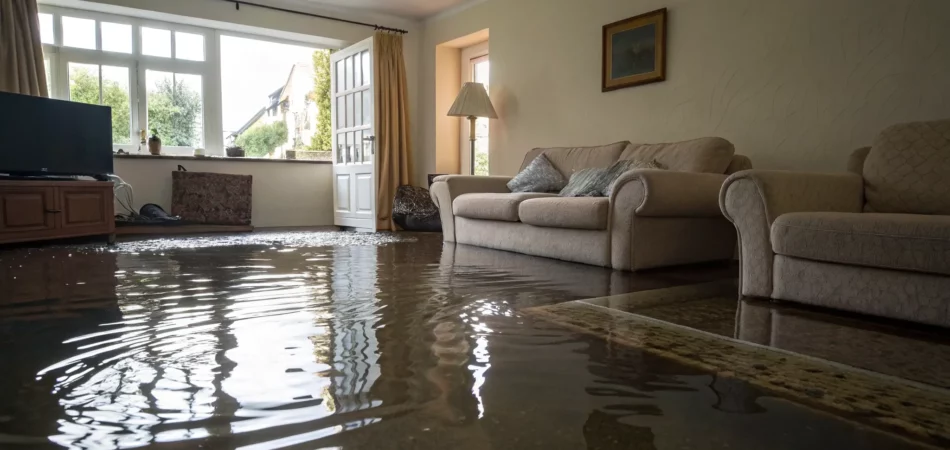
With water damage, the clock starts ticking the second you spot the problem. Every minute that passes allows water to seep deeper into your drywall, subfloors, and furniture, creating the perfect environment for mold to grow in as little as 24 hours. This isn’t a situation where you can wait and see. The speed of your response directly impacts the extent of the damage and the final cost of repairs. That’s why finding a rapid-response team is non-negotiable. We’ll explain exactly why time is so critical and guide you through the process of getting immediate, professional emergency water damage cleanup to protect your property.
Key Takeaways
- Act Immediately to Minimize Damage: The moment you spot water damage, the clock is ticking. Your first priorities should be ensuring safety, stopping the water source, and calling a 24/7 restoration professional to prevent mold growth and more extensive, costly repairs.
- Vet Your Restoration Company Carefully: The team you hire makes all the difference. Prioritize companies with IICRC-certified technicians, guaranteed 24/7 availability, and full licensing and insurance to ensure a thorough, safe, and professional restoration.
- Proactive Maintenance is Your Best Protection: You can avoid future emergencies with simple, routine checks. Regularly inspect appliance hoses and plumbing, ensure your property’s drainage slopes away from the foundation, and create a pre-disaster plan that includes knowing how to shut off your main water valve.
What Counts as a Water Damage Emergency?
Any situation involving unwanted and uncontrolled water in your home can quickly become an emergency. It’s not just about dramatic floods from a storm; a slow leak behind a wall or a sudden appliance failure can cause just as much destruction if it isn’t handled immediately. The key difference between a minor issue and a full-blown crisis is time. Water soaks into everything it touches—drywall, flooring, furniture, and insulation—and the longer it sits, the more severe the damage becomes. Recognizing the source and acting with urgency is your best defense against costly, long-term problems.
Common Causes of Sudden Water Damage
Water damage often shows up unexpectedly and comes from a variety of sources. In Florida, we’re no strangers to heavy storms and flooding, but many emergencies start right inside our homes. Some of the most frequent culprits include plumbing failures like burst pipes under a sink or in a wall, or an overflowing toilet. Malfunctioning appliances are another major cause—think of a leaky dishwasher, a broken washing machine hose, or a failing water heater. You might also face issues from clogged gutters or backed-up sewer lines. These problems can quickly saturate your ceilings, walls, and floors, turning a simple plumbing issue into a major restoration project.
Why Acting Fast is Non-Negotiable
When water damage occurs, the clock starts ticking immediately. The most critical reason to act fast is to prevent mold growth, which can begin to form in as little as 24 to 48 hours in damp conditions. Beyond mold, delays can lead to serious structural problems as water weakens drywall, warps wood floors, and compromises your home’s framework. The longer water sits, the more extensive the damage becomes, which directly translates to higher repair costs. Prompt action is not just about saving your property; it can also be crucial for your insurance claim. A professional water damage restoration team can extract the water and start the drying process before secondary damage sets in.
How to Choose the Right Emergency Water Damage Service
When you’re standing in a puddle in your living room, choosing a cleanup company can feel overwhelming. But the team you hire will determine how quickly and effectively your home gets back to normal. Making a panicked decision can lead to bigger problems, like improper drying, hidden mold, and shoddy repairs. You need a company that’s not just fast, but also thorough and trustworthy.
Think of it as a quick but crucial hiring process. You’re looking for a partner who can handle the immediate crisis and see the job through to the end. The right professionals will not only remove the water but also manage the entire complete restoration process, from drying out the structure to repairing drywall. To help you make a confident choice under pressure, focus on a few key qualifications: official certifications, round-the-clock availability, professional-grade equipment, and proper insurance. These factors separate the experts from the amateurs and ensure your property is in capable hands.
Look for IICRC Certification and Proper Licensing
First things first, check for credentials. The most important one in the restoration industry is certification from the Institute of Inspection, Cleaning and Restoration Certification (IICRC). This isn’t just a fancy acronym; it means the technicians have been professionally trained in the industry’s best practices. An IICRC-certified team knows how to handle different types of water damage, use their equipment safely, and prevent secondary issues like mold growth. Hiring a certified company ensures they have invested the time and resources to do the job right, protecting both your property and your family’s health.
Confirm 24/7 Availability and a Fast Response Time
Water damage doesn’t stick to a 9-to-5 schedule, and neither should your restoration company. When you have a burst pipe or a major leak, every minute counts. The longer water sits, the more it soaks into your floors, walls, and furniture, leading to more extensive and expensive damage. Look for a company that offers true 24/7 emergency services and guarantees a rapid response time. A team that can be on-site in under an hour is ideal, as they can start extracting water immediately and minimize the long-term impact on your home or business.
Ask About Their Equipment and Restoration Process
Effective water damage cleanup requires more than a few fans and a wet-dry vac. A professional company will use specialized, commercial-grade equipment to get the job done correctly. Ask them about their tools—they should mention things like high-powered water extractors, industrial air movers, and professional dehumidifiers. They should also use moisture meters to detect hidden water in walls and under floors. A reputable company will be happy to explain their water damage restoration process, giving you confidence that they have the technology and expertise to dry your property thoroughly.
Verify They Are Licensed, Bonded, and Insured
This final check is all about protecting yourself. Before letting any crew start work, confirm they are fully licensed, bonded, and insured. A license proves they meet state and local business requirements. Insurance protects you from liability in case a worker is injured on your property. Being bonded provides financial protection if the company fails to complete the job or causes further damage. Any legitimate company will readily provide proof of these credentials. It’s a simple step that provides essential peace of mind and ensures you’re working with a professional and accountable team.
A Look at Tampa’s Top Water Damage Cleanup Companies
When your property is flooding, you don’t have time to sift through dozens of online reviews. You need to know who you can trust to show up fast and do the job right. Making a quick, informed decision is crucial to minimizing damage and getting your life back to normal. To help you out, here’s a look at some of the top-rated water damage cleanup companies serving the Tampa area. Each of these companies offers 24/7 emergency services, which is the absolute first thing you should look for in a crisis. But beyond availability, they have different areas of focus, levels of certification, and operational scales that might make one a better fit for your specific situation. Some are large national chains with standardized processes, while others are local experts with a deep understanding of regional challenges. Understanding these nuances can help you choose a team that not only stops the water but also ensures the entire complete restoration process is handled with the highest level of care and expertise, from initial extraction to final repairs. We’ll look at what makes each company a strong contender, so you can feel confident in your choice when every minute counts.
Drywizard Restoration & Drywall Inc.
Drywizard stands out for its deep commitment to industry-leading standards. Every service technician is trained and certified by the Institute for Inspection, Cleaning, and Restoration Certification (IICRC), which is the gold standard for restoration work. This means they don’t just show up with the right equipment; they have the expert training to handle any water damage restoration project correctly from start to finish. This focus on proper, certified methods ensures a complete and thorough job, giving you peace of mind that your property is in capable hands and that no detail, like hidden moisture, will be overlooked. Their A+ BBB rating further reflects this dedication to quality and customer satisfaction.
SERVPRO
As a long-standing national brand, SERVPRO has over 50 years of experience in the cleaning and restoration industry. They offer 24/7 emergency services for both residential and commercial properties. Homeowners often recognize the name from their national advertising campaigns, which can provide a sense of familiarity during a stressful event. Their extensive network means they have a wide reach and a standardized process for handling water damage claims and cleanup. This makes them a reliable and well-known choice for many who are facing unexpected property damage and prefer to work with a large, established company.
ServiceMaster Restore
ServiceMaster Restore emphasizes the importance of a rapid response to prevent secondary damage, like structural issues or mold growth. They provide emergency water and flood damage services 24/7, 365 days a year, including holidays. This round-the-clock availability is a core part of their service model, ensuring that a team can be dispatched no matter when a disaster strikes. Their process is built around mitigating damage as quickly as possible to reduce the overall impact and cost of repairs for homeowners. They focus on getting to the scene fast to stop the problem from getting worse.
Stanley Steemer
While widely known for carpet cleaning, Stanley Steemer also offers 24/7 emergency water damage restoration services. They have trained crews that specialize specifically in water removal and cleanup, leveraging their expertise in extraction and drying. Their established presence and large operational scale allow them to dispatch teams around the clock to handle urgent situations. For homeowners who have used their other cleaning services, their water restoration division offers a familiar brand name during a stressful time. This can be a comforting choice for those who already trust the company for other home maintenance needs.
What Will Emergency Water Damage Cleanup Cost?
When you’re dealing with a water-related disaster, one of the first questions that comes to mind is, “How much will this cost to fix?” It’s a completely valid concern. The truth is, there’s no single price tag for emergency water damage cleanup because every situation is unique. The final bill depends on a combination of factors, from the source of the water to the materials that were soaked.
Understanding these variables can help you get a clearer picture of the potential costs and prepare for the restoration process. Think of it less like a fixed price and more like a custom project. A small leak contained in a bathroom is a very different job than a basement flooded by a burst pipe. Below, we’ll break down the key elements that influence the cost and what you can generally expect to pay, so you can feel more informed as you take the next steps.
Factors That Influence the Final Bill
Several key factors determine the final cost of your water damage restoration. The most significant is the extent of the damage and the size of the affected area. A larger space simply requires more labor, time, and equipment to dry and repair. The type of water involved also plays a major role. Clean water from a broken supply line is the easiest to manage, while contaminated “gray” or “black” water from sources like a sewer backup requires intensive cleaning and sanitization, increasing the cost. Finally, the materials that need to be restored—like hardwood floors, drywall, or carpeting—will impact the price.
Understanding Average Costs
While a professional estimate is the only way to get an exact figure, looking at national averages can give you a general idea. Most homeowners pay between $1,383 and $6,370 for water damage restoration, with the national average sitting around $3,860. These figures typically include both water mitigation (the initial cleanup and drying) and restoration (the repairs). For the initial water extraction and drying phase, costs can range from $4 to $12 per square foot, depending on the water category. To get a precise and transparent quote for your specific situation, it’s best to have an expert assess the damage in person.
How Insurance Coverage Works
Your homeowner’s insurance policy can be a huge help, but coverage depends on the source of the damage. Most standard policies cover sudden and accidental events, like a burst washing machine hose or a pipe that freezes and breaks. However, they typically don’t cover damage from gradual leaks or poor maintenance. It’s crucial to act fast; many policies require you to take immediate steps to mitigate the damage. This means you should call a professional water damage restoration company as soon as you discover the problem. A reputable company can document everything and work directly with your insurance adjuster to streamline the claims process.
Your First Steps After Finding Water Damage
Discovering water damage in your home or business can feel overwhelming, but your next few moves are critical. Acting quickly and methodically can significantly reduce the overall damage and make the restoration process smoother. Think of it as a three-step emergency plan: secure the area, stop the flow, and call for backup. By focusing on these immediate priorities, you can protect your property and your safety. This isn’t the time to worry about the long-term repairs; it’s about immediate damage control.
Stay Safe and Document the Damage
Your first priority is safety. If there’s significant standing water, be extremely cautious. If you can safely do so, turn off the electricity to the affected areas at the breaker box to prevent any electrical hazards. Before you move or touch a single thing, pull out your phone and start documenting. Take photos and videos of everything—the source of the water, the standing water, and every single item that has been damaged. Capture wide shots of the room and close-ups of specific damage. This evidence is absolutely essential for your insurance claim, so be as thorough as you can.
Stop the Source of the Water
Once the area is safe, your next goal is to stop more water from coming in. If the problem is from your plumbing, like with burst pipes or an overflowing appliance, you need to shut off your home’s main water supply. The main shut-off valve is often located in a basement, crawl space, or utility closet near your water heater. Turning this valve clockwise should stop the flow of water throughout your property. If the water is coming from an external source like a storm, this step might not be possible, which makes calling for professional help even more urgent.
Call Your Insurance Agent and a Restoration Pro
With the immediate threat contained, it’s time to make two very important calls. First, contact your insurance agent to report the damage and start the claims process. They will guide you on their specific requirements and next steps. Second, call a 24/7 professional restoration company. A team of experts can be on-site quickly to begin the emergency water damage cleanup. They have the industrial-grade equipment and expertise to extract water, dry out the structure, and prevent the secondary damage that leads to mold and bigger problems down the road.
Common Mistakes to Avoid After a Water Leak
When you’re standing in a puddle in your living room, panic can set in fast. It’s a stressful situation, and it’s easy to make a snap decision that could unfortunately make things worse. What you don’t do in the first few hours after discovering a leak is just as important as the steps you take. By sidestepping a few common pitfalls, you can protect your property from further harm and make the recovery process much smoother.
Waiting to Make the Call
The single biggest mistake you can make is hesitating. It’s tempting to wait and see if the problem is “that bad,” but water damage is progressive. The clock starts ticking the moment the water appears. Delaying the cleanup can lead to additional structural and secondary damage to your home or business. What starts as a wet carpet can quickly become a mold problem and warped subfloors. The longer materials stay saturated, the more complex and costly the emergency water damage restoration becomes. Your first move should be to call a professional immediately after shutting off the water source.
Trying to Handle a Major Cleanup Yourself
Your can-do spirit is admirable, but a significant water leak isn’t a DIY project. Trying to handle water damage yourself can lead to inadequate cleanup and restoration. You might mop up the visible water, but most people underestimate the complexity and hidden issues. Professionals use commercial-grade extractors, air movers, and dehumidifiers to remove water you can’t see, and they know how to work safely around electrical hazards. A DIY cleanup often leaves behind trapped moisture, which is a recipe for long-term problems. A proper water damage restoration process is about making your home safe again.
Ignoring the Threat of Hidden Moisture
Just because a surface feels dry doesn’t mean it’s actually dry. Water is sneaky—it seeps into wall cavities, under floorboards, and into insulation. Failing to address this hidden moisture can create a breeding ground for mold and bacteria, leading to serious long-term issues. Professionals use specialized tools like moisture meters and thermal imaging cameras to find every last bit of dampness. Skipping this step is a gamble with your property’s structural integrity and your family’s health. Ensuring a complete restoration means tackling both the visible damage and the hidden threats lurking beneath the surface.
What to Expect from the Professional Cleanup Process
When a restoration team arrives at your property, it can feel like a whirlwind of activity. But rest assured, there’s a proven method they follow to get your home or business back to normal as quickly and safely as possible. A professional crew will walk you through every stage, but knowing what’s coming can help ease your mind during a stressful time. The goal isn’t just to remove the water you can see, but to address the hidden moisture that can lead to long-term problems like mold and structural decay. A proper water damage restoration is a multi-step process that combines powerful technology with scientific principles to ensure your property is truly dry and safe. From the initial assessment to the final touches, each step is crucial for a successful recovery. The team will use specialized equipment to measure moisture levels and identify all affected areas, creating a detailed plan tailored to your specific situation. This systematic approach is what separates a professional job from a simple cleanup, giving you confidence that the problem has been fully resolved. Here’s a breakdown of what you can expect when the experts take over.
Step 1: Emergency Water Extraction
The first and most critical step is to remove all standing water. As soon as the team arrives and ensures the area is safe, they’ll bring in powerful, commercial-grade equipment like submersible pumps and truck-mounted vacuums to begin the extraction process. This isn’t a job for a shop vac and a few towels; the goal is to get the bulk of the water out as fast as possible to prevent it from seeping deeper into your floors, walls, and furniture. This immediate action is key to minimizing the overall damage and is a core part of any emergency water damage response.
Step 2: Drying, Dehumidifying, and Monitoring
Once the standing water is gone, the focus shifts to removing the moisture you can’t see. The restoration team will strategically place high-velocity air movers to create airflow across walls, carpets, and furniture, which speeds up evaporation. At the same time, industrial-strength dehumidifiers work to pull that moisture out of the air. Throughout this phase, which typically lasts several days, technicians will use moisture meters and thermal imaging cameras to monitor the drying process. This scientific approach ensures that your property is dried to the proper standard, which is essential for preventing mold growth and the need for further environmental cleanup.
Step 3: Cleaning, Sanitizing, and Restoring
With the property thoroughly dry, the final phase begins. The team will clean and sanitize all affected surfaces and materials to remove any bacteria, odors, or contaminants left behind by the water. This is especially important if the damage was caused by a sewer backup or floodwaters, which introduce harmful pathogens. After cleaning, the restoration work starts. This can involve minor repairs, like replacing a section of drywall, or more significant rebuilding, such as installing new flooring. The aim is to provide a complete restoration that returns your property to its pre-damage condition, making it feel like the disaster never happened.
How to Prevent Future Water Damage Emergencies
Once the water is gone and your property is restored, the last thing you want is a repeat performance. Taking a proactive approach is the best way to protect your home or business from future incidents. A little prevention goes a long way in saving you from the stress, cost, and disruption of another water emergency. By building a few simple habits and making smart improvements, you can significantly reduce your risk and gain valuable peace of mind. These steps don’t have to be complicated, but they are essential for keeping your property safe and dry for years to come.
Perform Regular Property Maintenance
Think of this as a regular health checkup for your home. At least twice a year, take a walk around your property to look for potential problems. Check under sinks and around toilets for any signs of moisture or slow drips. Inspect the hoses connected to your washing machine, dishwasher, and refrigerator for cracks or bulges. It’s also wise to have your roof inspected periodically and to always keep your gutters and downspouts clear of debris. Catching a small issue during a routine check can prevent a catastrophic burst pipe or major leak down the road.
Improve Your Yard’s Drainage
The water outside your home can be just as threatening as the water inside. Poor drainage can cause water to pool around your foundation, eventually seeping into your basement or crawlspace. Ensure the ground around your property slopes away from the building. Your gutter downspouts should extend several feet from the foundation to direct rainwater away. If you notice persistent puddles or soggy areas in your yard after it rains, you may need to consider more advanced solutions like a French drain to protect your home’s structural integrity.
Create a Pre-Disaster Plan
Knowing what to do before disaster strikes can make all the difference. Start by making sure everyone in your home or office knows where the main water shut-off valve is and how to use it. Consider installing water leak sensors in high-risk areas like the laundry room, basement, or near the water heater. For even greater protection, an automatic shut-off valve can stop a leak in its tracks. Having a pre-disaster plan in place, including having our number saved, means you can act quickly and confidently when every second counts.
Related Articles
- House Flooded With Water? What to Do Right Now – Drywizard Restoration & Drywall Inc.
- Basement Flood Cleanup Services: What to Expect – Drywizard Restoration & Drywall Inc.
- Be Careful With The Water That Comes From Water Damage – Drywizard Restoration & Drywall Inc.
Frequently Asked Questions
How long does the entire water damage restoration process take? The timeline really depends on the extent of the damage. The initial water extraction is usually completed within the first day. However, the drying phase, which is the most critical part, typically takes three to five days. During this time, we use specialized equipment to ensure everything, including the hidden spaces behind walls, is completely dry. The final restoration and repair phase can vary from a few more days to several weeks, depending on the reconstruction needed.
Is it safe for me to stay in my house during the cleanup? Your safety is the top priority. For minor leaks contained to one area, it might be possible to stay in an unaffected part of your home. However, if the damage is widespread, involves contaminated water from a sewer backup, or if the drying equipment is very loud, it’s often safer and more comfortable to arrange a temporary stay elsewhere. A professional team will assess the situation and give you a clear recommendation based on the specific risks.
Will my insurance cover the cost of the cleanup? Most standard homeowner’s insurance policies cover damage from sudden and accidental events, like a burst pipe or a washing machine overflow. They generally do not cover damage that results from gradual leaks or a lack of maintenance. The best course of action is to call your insurance agent as soon as you discover the problem to start the claims process. A professional restoration company can also help by providing detailed documentation and working directly with your adjuster.
Can my wet carpet and furniture be saved? Whether your belongings can be salvaged depends on a few factors: the type of water they were exposed to, how long they were wet, and what they are made of. Items soaked in clean water from a supply line have a much better chance of being saved than those affected by contaminated water. Porous items like mattresses and upholstered furniture are often difficult to salvage if they’ve been saturated for more than 24 hours. A restoration expert can assess your items and let you know what is recoverable.
Why can’t I just use my own fans to dry everything out? While household fans can move air around, they aren’t powerful enough to remove moisture trapped deep within materials like drywall, subflooring, and insulation. Professional restoration requires a scientific approach using high-velocity air movers to promote evaporation and industrial-grade dehumidifiers to pull that moisture out of the air. Without this specialized equipment, you risk leaving behind hidden dampness, which is the perfect breeding ground for mold.