
Water damage doesn’t always announce itself with a dramatic flood or a burst pipe. Sometimes, it’s a slow, sneaky process that starts with a musty smell you can’t quite place or a faint discoloration behind a piece of furniture. By the time you notice the paint bubbling or the wall feeling soft to the touch, the problem has likely been brewing for a while. Catching these subtle signs early is critical, but what comes next is even more important. Knowing how to assess the severity of the problem and when to act is key to protecting your home. This article will walk you through everything from initial inspection to the final steps of drywall replacement after water damage.
Key Takeaways
- Use your senses to detect damage early: Look for yellowish-brown discoloration and feel for soft, bubbling, or peeling spots on your walls and ceilings. A persistent musty smell is also a major red flag for hidden moisture and potential mold.
- Address moisture within 48 hours: The clock starts ticking as soon as drywall gets wet. You have a very limited window to prevent mold growth, so a fast response is essential to stop a small problem from becoming a major restoration project.
- Don’t risk a DIY fix for serious issues: Always call a professional for widespread damage, contaminated water sources like sewer backups, or any signs of mold. Experts have the right tools to handle the job safely and ensure no hidden moisture is left behind.
How to Spot Water-Damaged Drywall
When you’re dealing with a leak or flood, some damage is obvious. But water is sneaky, and it can cause problems that aren’t immediately apparent. Catching water-damaged drywall early is one of the best things you can do to protect your home from bigger issues like structural rot and widespread mold. The signs can be subtle at first, so it pays to know exactly what you’re looking for. Pay close attention to your walls and ceilings, especially after a storm or plumbing issue. You can often spot trouble by looking for tell-tale stains, feeling for changes in texture, and trusting your nose to sniff out musty odors.
Look for Stains and Discoloration
Discoloration is often the first red flag you’ll see. Water damage stains on drywall typically look like yellowish-brownish splotches that can grow over time. On ceilings, you might notice round, pooling shapes, which indicate water is dripping from above. On walls, you may see “high-water marks” or streaks running down from a window, fixture, or ceiling line. Don’t just paint over these spots and hope for the best. A stain is a clear signal that moisture has soaked into the drywall, and the source of the leak needs to be found and fixed. Once you spot these signs, it’s time to consider professional water damage restoration to prevent further harm.
Check for Changes in Texture
Beyond simple stains, water can physically alter the texture and integrity of your drywall. As drywall absorbs moisture, it can become soft, swollen, or crumbly to the touch. You might notice the paint starting to bubble or peel, or the joint tape pulling away from the seams. In some cases, you’ll see visible gaps forming between the drywall and the ceiling. These textural changes mean the material is losing its strength. If you press on a damp area and it feels spongy or weak, the structural integrity has been compromised, and that section of drywall will almost certainly need to be replaced. This kind of damage is common after incidents involving burst pipes.
Sniff Out Musty Odors and Mold
Sometimes, you can smell water damage before you can see it. A persistent, musty, or earthy smell in a room is a major indicator of hidden moisture and potential mold growth. Mold can begin to develop on damp drywall in as little as 24 to 48 hours, so that smell is your cue to act fast. Visible mold can appear as black, green, or white spots, but it often grows on the back of drywall, hidden from view. Because mold can pose serious health risks, especially for those with allergies or asthma, it’s not something to ignore. If you detect a musty odor, it’s crucial to call for an environmental cleanup to safely handle the situation.
Repair or Replace? How to Make the Call
After you’ve found water damage on your drywall, you’re faced with a critical question: can it be repaired, or does it need to be replaced? It’s tempting to hope for a simple patch, but making the right call is about more than just looks. It’s about protecting your home’s structural integrity and ensuring the air you breathe is healthy and safe. The choice between repair and replacement hinges on a few key things: how long the drywall was wet, the extent of the physical damage, and where the water came from. Understanding these factors will help you make a smart decision that prevents bigger, more expensive problems from developing later on. While a professional assessment is always best, knowing what to look for can give you a clear idea of what to expect.
Understand the 24-48 Hour Mold Window
Time is your biggest enemy when drywall gets wet. Mold can start growing in as little as 24 to 48 hours after moisture sets in. Drywall is porous, so it acts like a sponge, creating the perfect dark, damp environment for mold to flourish. Once it takes hold, it can cause health issues and is extremely difficult to remove completely from the material. This short timeline is why a fast response to emergency water damage is so critical. If your drywall has been soaked for more than a couple of days, the risk of mold is very high, and replacement is almost always the safest and most effective solution.
Assess the Severity of the Damage
The physical condition of the drywall will tell you a lot. Gently press on the affected area. If it feels soft, spongy, or crumbles under pressure, its structural integrity is gone. Drywall gets its strength from a solid gypsum core, and once that core is saturated, it can’t be saved. You might also notice the wall is sagging, bulging, or that the seams are separating. These are all clear signs that the material is too weak to be repaired. On the other hand, if the damage is from a small, quickly-stopped leak and the drywall still feels firm, a professional water damage restoration team may be able to dry it out properly and save it.
Know When a Simple Repair Isn’t Enough
A quick patch-and-paint job might seem like an easy fix, but it can hide serious problems lurking beneath the surface. If the drywall was wet for a long time or shows any signs of mold, simply drying it out isn’t sufficient. The material is likely compromised and could be harboring mold spores deep within its layers. You also have to consider the source of the water. If the damage came from a contaminated source, like a flood or sewer backups, the drywall must be replaced. This type of water contains bacteria and other harmful contaminants that pose a significant health risk, making professional removal and replacement essential.
Your Step-by-Step Guide to Drywall Replacement
Once you’ve decided that replacement is the right move, tackling the project can feel like a big undertaking. But breaking it down into clear, manageable steps makes the process much more straightforward. Whether you’re handling a small patch yourself or preparing for a professional team to arrive, knowing what to expect is key. This guide walks you through the essential phases of replacing water-damaged drywall, from the initial prep work to the final finishing touches. Following these steps carefully will help ensure a safe and effective repair, preventing future problems like mold growth and structural issues down the road.
Step 1: Prepare for Safety and Assess the Damage
Before you touch the wall, your first priority is safety. Turn off the electricity to the affected area at the circuit breaker to avoid any electrical hazards. Put on safety glasses, gloves, and a dust mask. Once you’re protected, you can properly assess the damage. If you see persistent stains, bubbling paint, warping, sagging, musty smells, soft spots, or visible mold, you’ll likely need to replace the drywall. Mark the boundaries of the damaged area with a pencil, extending a few inches into the dry, solid parts of the wall to ensure you remove all compromised material. This initial step is crucial for a successful water damage restoration project.
Step 2: Cut Out and Remove the Damaged Sections
With the damaged area marked, it’s time to remove it. Use a utility knife or a drywall saw to carefully cut along the lines you drew. If the drywall is soft or falling apart, you must cut out the damaged parts to prevent further issues. For more extensive damage, professionals often perform what’s called a “flood cut,” removing drywall 12 to 24 inches above the highest visible water line. This ensures all moisture trapped in the wall cavity is addressed. Once the section is cut, gently pull it away from the wall studs. Be careful to avoid damaging any wiring or plumbing hidden behind the wall.
Step 3: Thoroughly Dry and Disinfect the Area
After removing the damaged drywall, you’ll have a clear view of the wall cavity. This area needs to be completely dry before you can install a new panel. Mold can start growing behind wet drywall within 24 to 48 hours, so you need to act fast. Use high-powered fans and a dehumidifier to circulate air and pull moisture from the studs and insulation. Once everything is bone-dry, disinfect the area with a mold-killing solution to prevent future growth. This step is non-negotiable for protecting your home and health, and it’s a core part of any professional environmental cleanup.
Step 4: Install and Finish the New Drywall
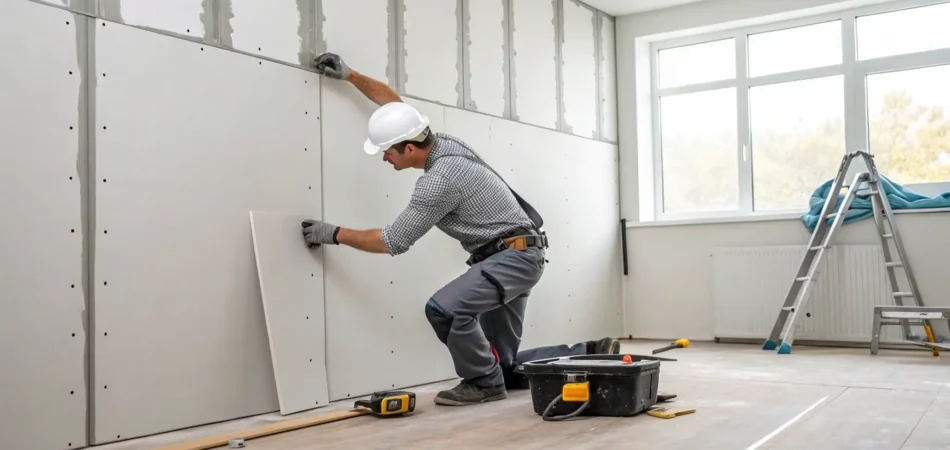
Now for the final phase: installation. Cut a new piece of drywall to the exact dimensions of the hole you created. Secure it to the wall studs with drywall screws, placing them every 12 to 16 inches. Next, apply joint compound, or “mud,” to the seams around the patch. Place drywall tape over the wet compound and press it in firmly with a putty knife. Apply another thin layer of mud over the tape, feathering the edges to blend it with the existing wall. After it dries, you’ll need to sand it smooth and apply one or two more coats, sanding between each one. This process ensures a seamless finish for your complete restoration.
What’s the Cost to Replace Water-Damaged Drywall?
When you’re dealing with the stress of water damage, the last thing you want is a surprise bill. Understanding the potential costs of drywall replacement can help you make informed decisions quickly. The final price tag isn’t just about hanging a new sheet of drywall; it involves a complete process of removal, drying, sanitizing, and restoration to ensure your home is safe and sound.
The total cost can vary widely based on the size of the affected area, the source of the water, and whether you tackle it yourself or hire professionals. While a DIY approach might seem cheaper upfront, improper handling of water-damaged materials can lead to much bigger problems, like structural issues or mold growth, which are far more expensive to fix. A professional water damage restoration service can give you an accurate estimate and ensure the job is done right the first time, protecting both your property and your peace of mind.
DIY vs. Professional: A Cost Breakdown
Deciding between a DIY repair and calling in a pro often comes down to the scale of the damage. For a very small, simple patch, you might spend between $50 and $150 on materials. However, water damage is rarely simple. Nationally, the average professional drywall repair costs around $600, but for water-related issues, that figure can easily jump to $2,500 or more. This higher cost accounts for the necessary steps that go beyond a simple patch job, including moisture detection, thorough drying, mold prevention, and proper disposal of contaminated materials. Hiring a professional ensures that no hidden moisture is left behind, which is critical for preventing long-term structural damage and mold.
Factors That Influence the Final Price
Several key factors will determine the final cost of your drywall replacement. First is the extent of the damage. A small leak contained to one wall will be much less expensive to repair than a major flood affecting multiple rooms. The source of the water also plays a big role. Clean water from a supply line is easier to manage than contaminated water from a sewer backup, which requires extensive sanitization. Finally, how long the drywall was wet is crucial. If it has been saturated for more than 24 to 48 hours, the risk of mold growth increases significantly, adding complexity and cost to the restoration process.
Tips for Handling Your Insurance Claim
If the water damage was caused by a sudden and accidental event, like a burst pipe, your homeowner’s insurance will likely cover the repairs. The first thing you should do is document everything with photos and videos before any work begins. Contact your insurance agent as soon as possible to start the claims process. It’s important to know that while most policies cover the initial water damage, they often have limited or no coverage for mold. This makes a rapid response essential. Working with an experienced restoration company can be a huge help, as they can provide detailed documentation and communicate directly with your insurance adjuster to ensure your claim is handled smoothly.
Common Mistakes to Avoid After Water Damage
When you find water damage in your home, your first instincts are critical. How you respond in those initial hours can make a huge difference in the extent of the damage and the cost of repairs. While it’s tempting to either panic or try to handle everything yourself, some common missteps can unfortunately make a bad situation worse. Knowing what not to do is just as important as knowing what to do. Let’s walk through the most frequent mistakes homeowners make so you can feel confident in your next steps.
Mistake #1: Waiting Too Long to Act
The single biggest mistake you can make is waiting. Water damage is not a “wait and see” problem. The clock starts ticking the moment the water appears, and mold can begin to grow on wet drywall in as little as 24 to 48 hours. What might seem like a small leak can quickly saturate wall cavities and subflooring, leading to structural issues and unhealthy living conditions. Acting immediately is your best defense. By addressing emergency water damage right away, you can stop the problem from spreading and prevent the growth of mold, which is much more difficult and costly to remove once it takes hold.
Mistake #2: Underestimating Hidden Moisture
Just because a surface feels dry to the touch doesn’t mean the problem is solved. Water is sneaky and travels fast, seeping into wall cavities, insulation, and under flooring where you can’t see it. This hidden moisture is a perfect breeding ground for mold and can slowly rot the structural components of your home. Simply blotting a wet spot on the drywall or running a fan isn’t enough to address the moisture trapped behind it. Professionals use specialized tools like moisture meters for accurate leak detection to find and measure moisture levels within walls and floors, ensuring every affected area is completely dried out.
Mistake #3: Tackling a Job Meant for a Pro
The DIY spirit is admirable, but significant water damage isn’t the right time for a weekend project. Without the proper training and equipment, it’s nearly impossible to properly dry, sanitize, and restore a water-damaged area. Professionals can accurately assess whether drywall can be saved or needs to be replaced. They also have high-powered air movers and dehumidifiers that are far more effective than household fans. Calling on water damage restoration experts not only ensures the job is done right but also protects your family’s health by preventing future mold growth and ensuring your home’s structural integrity remains sound.
How to Protect Your Drywall From Future Damage
After dealing with the stress and expense of replacing water-damaged drywall, the last thing you want is to go through it all again. The good news is that you can take proactive steps to protect your home. A little prevention goes a long way in keeping your walls dry, safe, and structurally sound. By staying on top of maintenance and being prepared for emergencies, you can significantly reduce the risk of future water damage. It’s all about creating a safer, drier environment for your home and family.
Perform Regular Maintenance and Inspections
Think of this as a regular health checkup for your home. At least twice a year, walk through your property specifically looking for signs of trouble. Check under sinks, behind toilets, and around appliances like your dishwasher and washing machine for any drips or moisture. Don’t forget to peek into your attic and basement for damp spots or musty smells. Catching a small issue early, like a minor pipe drip, can prevent a major disaster. If you suspect a leak but can’t find the source, professional leak detection services can pinpoint the problem before it gets out of hand.
Focus on Moisture Control and Ventilation
Humidity is a constant battle in Florida, and your drywall feels it. Keeping moisture levels in check is key to preventing water damage and mold growth. Make it a habit to run exhaust fans in bathrooms during and after showers, and use the fan over your stove when cooking. Outside, ensure your gutters and downspouts are clear of debris so rainwater flows away from your foundation. Insulating pipes can also prevent condensation and protect against unexpected temperature drops that could lead to burst pipes. A dehumidifier in particularly damp areas, like a basement or crawl space, can also make a huge difference.
Create a Home Emergency Plan
When water damage strikes, every second counts. Being prepared can save you thousands in repairs. The most important part of your plan should be knowing where your main water shut-off valve is and how to turn it off quickly. Practice it so you aren’t fumbling in a panic. You should also have the number of a trusted, 24/7 restoration company saved in your phone. When you’re facing an emergency, you don’t want to waste time searching for help. Having a plan in place means you can act fast to minimize the damage. For even greater peace of mind, consider creating a more formal pre-disaster plan for your property.
When Is It Time to Call a Restoration Expert?
While the DIY spirit is admirable, some jobs are simply too big or too risky to handle on your own. Water damage often falls into that category. Knowing when to put down the tools and pick up the phone can save you from costly mistakes, protect your home’s structural integrity, and keep your family safe. If you find yourself facing any of the following situations, it’s a clear sign that you need professional help.
For Widespread or Complicated Damage
If the water damage extends beyond a small, contained patch of drywall, it’s time to call in the experts. Widespread damage, like what you’d see after a burst pipe or significant leak, often hides more problems than you can see. If drywall stays wet for too long, it can compromise your home’s structure. Professionals have specialized equipment, like moisture meters and infrared cameras, to find every last bit of hidden water. A complete water damage restoration service ensures that the problem is fully resolved, not just patched up on the surface. Trying to manage a large-scale drying and repair process yourself can lead to missed moisture, which almost always results in bigger problems down the road.
When Your Health and Safety Are at Risk
This is a non-negotiable. If you see or smell mold, you need to call a professional immediately. Mold can begin to grow on wet drywall in as little as 24 to 48 hours, and it poses a serious health risk to you and your family. These spores can cause respiratory issues and other health problems, especially in children and the elderly. Because drywall is porous, getting rid of mold completely is extremely difficult for a homeowner. Professionals are trained in safe mold removal and environmental cleanup, using proper containment and safety gear to prevent cross-contamination and ensure your home’s air is safe to breathe again. Don’t take a chance with your health.
How to Choose a Qualified Professional
When you decide to hire help, you want to be sure you’re choosing the right team. Look for a company with a proven track record and proper certifications, like an IICRC (Institute of Inspection, Cleaning and Restoration Certification). An experienced professional can properly assess the drywall and tell you if it can be safely dried or if it needs to be completely replaced. Check for positive customer reviews and a strong local reputation. A trustworthy company will offer a thorough inspection and a clear explanation of the work needed. When you’re ready to get an expert opinion, don’t hesitate to contact a team that can provide a fast, reliable assessment.
Related Articles
- A Step-by-Step Guide to Repair Drywall Water Damage – Drywizard Restoration & Drywall Inc.
- What to Do When You Find Water on Drywall – Drywizard Restoration & Drywall Inc.
Frequently Asked Questions
Can I just paint over a small water stain on my drywall? It’s a tempting quick fix, but painting over a water stain is one of the worst things you can do. The stain is just a symptom of a deeper problem: moisture trapped inside the wall. Covering it with paint seals that moisture in, creating a perfect dark, damp place for mold to grow and for the drywall to continue to decay from the inside out. You have to find and fix the source of the leak first, then properly dry and repair the wall itself.
Is water damage on a ceiling more serious than on a wall? In many ways, yes. Water damage on a ceiling has the added threat of gravity. As the drywall becomes saturated with water, it gets incredibly heavy and can eventually collapse, which is a major safety hazard. Ceiling stains also indicate a problem coming from above, like a leaky roof or a plumbing issue on an upper floor, which can be more complex to locate and repair than a wall leak.
My wall feels dry now, but it was wet a few days ago. Am I in the clear? Not necessarily. Drywall can feel dry to the touch on the surface while the insulation and wood studs behind it are still holding a significant amount of moisture. This hidden dampness is where the real trouble starts, leading to structural rot and mold that you won’t see until it becomes a much larger problem. It’s always best to have a professional check with a moisture meter to be certain the entire wall cavity is completely dry.
What if the water came from a clean source, like a burst supply line? Do I still need to worry about mold? Yes, you absolutely do. While the water itself might start out clean, it creates the ideal damp environment that mold needs to thrive. Mold spores are naturally present in the air, and they can begin to colonize on a wet, porous surface like drywall in as little as 24 to 48 hours. The source of the water doesn’t change how quickly mold can grow once the conditions are right.
How long does it actually take for wet drywall to dry out? The drying time depends heavily on how saturated the material is and the conditions in the room. While a small, surface-level wet spot might dry in a day or two, a thoroughly soaked wall could take weeks to dry on its own. This is far too long, as it gives mold plenty of time to grow. Professionals use high-powered air movers and dehumidifiers to rapidly remove moisture from the drywall and the air, ensuring the structure is dried completely in a matter of days, not weeks.