
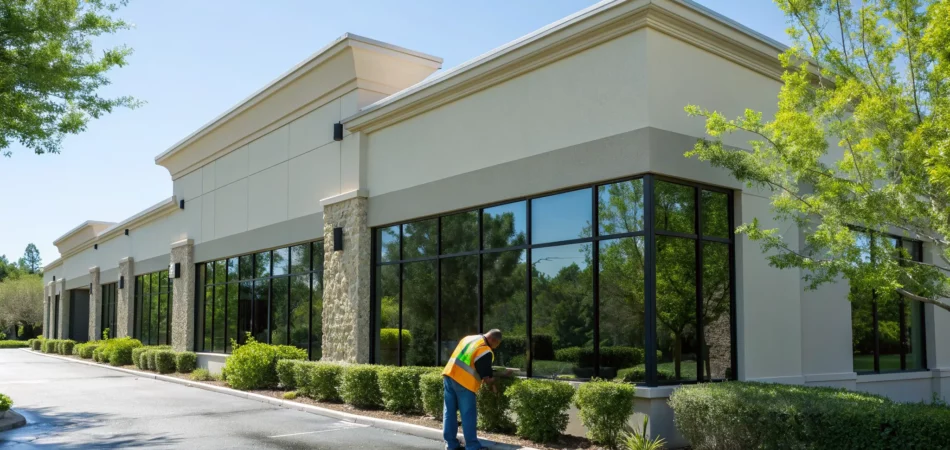
After a disaster, many property owners think a thorough cleanup is all that’s needed to get back to business. However, what you can’t see is often the most damaging. Lingering moisture behind walls can lead to mold, and soot from a small fire can travel through your HVAC system, affecting air quality for months. True commercial building restoration is a highly specialized field that addresses both visible and hidden damage. It’s a systematic process handled by certified experts who use advanced equipment to ensure your property is not just clean, but structurally sound, safe, and completely restored from the inside out.
Key Takeaways
- Your First Move Matters Most: The single best way to protect your property and control costs is to act immediately. A rapid response to water, fire, or storm damage prevents minor issues from becoming major, expensive problems like mold or structural decay.
- Prioritize Credentials Over Convenience: When choosing a restoration company, verify their qualifications. Look for IICRC certification, a proven 24/7 emergency response system, and full licensing and insurance to ensure you’re hiring a true professional who can protect your investment.
- Insist on a Detailed Plan: A vague estimate is a red flag. A reputable partner will provide a detailed scope of work that outlines every step, from cleanup to final repairs, ensuring you understand the timeline, costs, and process from the start.
What Is Commercial Building Restoration?
When your commercial property is hit by a disaster—whether it’s a burst pipe, a fire, or a major storm—the path back to normal can feel overwhelming. Commercial building restoration is the professional process of repairing and renewing a property after it has sustained damage. It’s much more than a simple cleanup job; it’s a comprehensive service designed to bring your building back to its pre-loss condition safely and efficiently. This involves everything from initial damage assessment and securing the property to water extraction, smoke removal, structural repairs, and final reconstruction.
Think of it as a lifeline for your business and your investment. A professional commercial restoration team manages the entire project, allowing you to focus on your operations while they handle the complexities of the repair. The goal is not just to fix what’s broken but to protect the building’s structural integrity, maintain its value, and ensure it meets all safety and building codes.
Protect Your Building’s Structure and Safety
After an event like a flood or fire, your first priority is safety. Water damage can quickly weaken structural components like drywall, wood beams, and flooring, while fire can compromise steel and concrete. An immediate response is crucial because it can significantly mitigate the damage and ensure the building remains structurally sound. Lingering moisture also creates the perfect environment for mold, which can pose serious health risks to your tenants and employees.
A professional restoration service addresses these immediate threats. Experts in emergency water damage will use specialized equipment to thoroughly dry the structure, preventing long-term decay and mold growth. Similarly, after a fire, they will assess and repair the structural damage while also eliminating hazardous smoke and soot residue, making the space safe for occupancy again.
Maintain Your Property’s Value
Your commercial property is a significant financial asset, and unresolved damage can quickly diminish its value. Even seemingly minor issues like water stains or a lingering smoke smell can deter potential tenants or buyers and signal neglect. Investing in professional restoration is a direct investment in your property’s long-term worth. By addressing damage promptly and correctly, you preserve the building’s condition and appeal.
A thorough restoration project doesn’t just patch up problems—it resolves them at the source. A complete restoration ensures that repairs are done correctly, preventing recurring issues that could lead to more extensive and costly damage down the road. This commitment to quality helps maintain, and can even increase, your property’s market value, protecting your investment for years to come.
Comply with Building Codes and Regulations
Navigating building codes and local regulations is one of the most challenging parts of any major repair project. Commercial properties are subject to strict codes that govern everything from electrical wiring and plumbing to structural materials and accessibility. After a disaster, any repair work must comply with these current standards, which may have changed since your building was originally constructed.
Failing to meet these requirements can result in failed inspections, fines, and legal complications. A reputable restoration company is well-versed in local and state building codes. They ensure that all repairs, especially critical ones related to fire and smoke restoration, are performed to code. This includes pulling the necessary permits and coordinating inspections, giving you peace of mind that the job is done right and your property is fully compliant.
What Services Does Commercial Restoration Cover?
When your commercial property is damaged, “restoration” means more than just a simple cleanup. It’s a comprehensive process designed to bring your building back to its pre-damage condition, making it safe, functional, and ready for business again. A professional restoration company handles a wide range of issues, from the initial emergency response to the final structural repairs. Think of it as a full-service solution that addresses every layer of damage, ensuring nothing is overlooked. This process is crucial for protecting your investment, ensuring tenant safety, and getting your operations back on track as quickly as possible. A professional team coordinates every step, from assessing the initial damage and securing the property to performing detailed repairs and final cleaning. They work to minimize business interruption while ensuring all work complies with local codes and safety standards. This integrated approach saves you the headache of hiring multiple contractors and ensures a seamless recovery from start to finish.
Water and Emergency Plumbing Repair
Water damage can strike without warning, whether from a burst pipe, a sewer backup, or a major storm. A quick and efficient response is crucial for successful restoration because it prevents secondary issues like mold growth and structural decay. Professional water damage restoration services cover everything from immediate water extraction and drying to dehumidification and sanitizing affected areas. This also includes emergency plumbing repairs to stop the source of the leak, ensuring the problem is fixed for good. The goal is to get your property dry and safe so you can avoid long-term complications and costly future repairs.
Fire and Smoke Damage Cleanup
The aftermath of a fire involves more than just repairing charred structures. Smoke and soot can travel throughout a building, settling into HVAC systems, walls, and furnishings, causing lingering odors and health hazards. A thorough fire and smoke damage cleanup is essential. This specialized service includes removing soot from all surfaces, neutralizing smoke odors, and cleaning air ducts. It also often involves water extraction and drying due to firefighting efforts. A professional team can assess the full extent of the damage, which can sometimes impact multiple floors, and create a plan to restore the property safely and completely.
Structural Repairs and Reinforcement
After a disaster, the integrity of your building is the top priority. Commercial restoration often includes significant structural repairs to ensure the property is safe and sound. The main goal is to keep the building’s design and strength intact, whether it’s a modern office complex or a historic storefront. This can involve reinforcing weakened walls, replacing damaged support beams, or rebuilding entire sections of the property. A complete restoration service ensures that every repair meets local building codes and that your property is structurally secure for your employees, tenants, and customers.
Environmental and Hazard Cleanup
Sometimes, property damage uncovers or creates environmental hazards that require specialized handling. This can include mold growth after water damage, asbestos or lead paint exposure in older buildings, or chemical spills. Professional restoration teams are trained to manage these situations safely and effectively. Services like environmental cleanup ensure that all hazardous materials are properly contained and removed according to regulations. This also extends to complex situations like hoarding cleanup, which can present unique biohazard risks. Promptly addressing these hazards is key to protecting the health of everyone who enters your building.
Exterior Restoration and Weatherproofing
The exterior of your building is its first line of defense against the elements. Damage to the roof, siding, or windows can lead to further problems inside. Exterior restoration focuses on repairing this damage and weatherproofing the building to prevent future issues. This might involve replacing broken windows, repairing the roof, or fixing cracks in the masonry. By investing in professional window services and other exterior repairs, you not only improve your property’s curb appeal but also protect it from wind, rain, and humidity, which is especially important here in Florida.
How to Choose the Right Restoration Company
When your commercial property is damaged, the pressure to get things back to normal is immense. Choosing the right restoration partner is the most important decision you’ll make in this process. The right team won’t just fix the physical damage; they’ll communicate clearly, work efficiently, and handle the complexities so you can focus on your business. A great restoration company brings expertise and peace of mind when you need it most. To make sure you’re hiring a true professional, look for a few key qualifications that separate the experts from the rest.
Look for IICRC Certification
Think of IICRC certification as the gold standard in the restoration industry. The Institute of Inspection, Cleaning and Restoration Certification (IICRC) is a non-profit organization that sets the high standards and ethics professionals follow. When a company is IICRC-certified, it means their technicians have been thoroughly trained in the best practices for restoration. They know the right techniques and have the proper equipment to handle everything from water damage restoration to fire cleanup safely and effectively. Hiring a certified firm ensures you’re getting a team that is committed to quality and ongoing education in their field.
Confirm 24/7 Emergency Response
Disasters don’t stick to a 9-to-5 schedule, and neither should your restoration company. When you’re dealing with a burst pipe or the aftermath of a fire, every minute counts. Water quickly seeps into structures, and smoke damage can become permanent if not addressed immediately. A company that offers a true 24/7 emergency response can be on-site within the hour to start mitigating the damage. This rapid action can save you thousands of dollars in secondary damages, like mold growth or structural decay, and significantly shorten your overall recovery time. Always confirm that a company has a team ready to go day or night.
Verify Licenses and Insurance
This step is non-negotiable. A legitimate restoration company must be fully licensed and insured. A license proves they meet state and local requirements to perform the work, while proper insurance protects you from liability. Imagine if a worker was injured on your property or if their work caused further damage—without adequate insurance, you could be held financially responsible. Ask for proof of general liability insurance and workers’ compensation before signing any contract. This simple verification protects your business, your property, and your investment in the restoration project.
Check Local Reviews and Reputation
Before you hire anyone, see what past customers have to say. A company’s reputation in the local community speaks volumes about its quality of work and customer service. Look for recent, detailed reviews on platforms like Google and the Better Business Bureau (BBB). Are clients happy with the communication, timeliness, and final results? A few negative reviews aren’t always a dealbreaker, but pay attention to how the company responds. A strong track record of positive feedback shows that the company consistently delivers on its promises and takes care of its clients, which is exactly what you need during a stressful time.
Common Mistakes to Avoid When Hiring a Restoration Service
When your commercial property is damaged, your first instinct is to get it fixed—fast. The pressure to act quickly can lead to hasty decisions, but choosing the wrong restoration company can turn a bad situation into a nightmare of shoddy work, hidden costs, and legal headaches. Taking a moment to vet your options is one of the most important things you can do to protect your investment.
A true professional will understand your urgency and be transparent about their qualifications, process, and pricing from the very beginning. To make sure you’re hiring a reliable partner, watch out for a few common missteps. Knowing what to look for will help you find a team that can handle the complete restoration of your property efficiently and correctly, getting your business back on its feet without unnecessary delays or complications.
Not Verifying Credentials and Licenses
Before you let any team start work on your property, you need to confirm they are properly qualified. One of the biggest mistakes property owners make is failing to check for the right licenses and certifications. This simple step can save you from major legal and financial trouble later on. A qualified company should be able to immediately provide proof of their state license and industry certifications, like those from the IICRC (Institute of Inspection, Cleaning and Restoration Certification). These credentials show that the technicians are trained in the latest industry standards for everything from water damage restoration to fire cleanup. Don’t just take their word for it—ask to see the documents.
Skipping the Detailed Scope of Work
If you get quotes from multiple companies that vary wildly in price, it’s likely because they aren’t quoting the same job. A vague estimate is a major red flag. Always insist on a detailed scope of work from any potential contractor before you sign a contract. This document should clearly outline every step of the restoration process, from the initial assessment and debris removal to the specific repairs and materials that will be used. This ensures everyone is on the same page, prevents misunderstandings about costs, and gives you a clear benchmark for comparing different offers. A detailed plan is the foundation of a successful restoration project.
Forgetting to Check References
Online reviews are a great starting point, but they don’t always tell the whole story, especially for large-scale commercial projects. A reputable restoration company should be more than willing to provide references from past clients. Neglecting to check these references is a missed opportunity to gain real insight into a company’s performance. When you speak with a past customer, you can ask about the contractor’s communication, timeliness, and the quality of their work. Hearing directly from other property owners who have been in your shoes can give you the confidence that you’re making the right choice. You can also check a company’s website for customer reviews to see their track record.
Overlooking Insurance and Bonding
This is a non-negotiable. The restoration company you hire must carry adequate liability insurance and be bonded. Insurance protects you and your property from financial loss if an accident or further damage occurs during the restoration process. Bonding offers another layer of financial protection, ensuring you won’t be left on the hook if the contractor fails to complete the job or pay their subcontractors. Ask for a certificate of insurance directly from their provider to verify that their coverage is current. Hiring an uninsured contractor puts your entire property at risk, so make this one of your first questions when you contact a company.
Challenges to Expect During a Restoration Project
Even with the best team on your side, a commercial restoration project can present a few hurdles. Knowing what to expect helps you prepare and keeps the process moving smoothly from start to finish. After an emergency like a fire or major leak, the last thing you want are more surprises. The key is to work with a restoration partner who anticipates these challenges and has a clear plan for managing them. From navigating local regulations to dealing with unexpected costs, a seasoned professional can guide you through every step, ensuring your property is restored correctly and efficiently. Being aware of these potential bumps in the road allows you to ask the right questions and feel confident in the path forward.
Handling Permits and Regulations
Restoration work, especially when it involves structural repairs or changes to plumbing and electrical systems, almost always requires permits. Local building codes in areas like Hillsborough and Pinellas County are in place to ensure safety, and your project must comply with them. If your building is in a historic district, there may be additional rules to follow. This paperwork can be a major headache if you’re trying to handle it alone. A professional restoration company will manage the entire permitting process for you, ensuring all work is documented and compliant, so you can focus on your business.
Sourcing and Matching Materials
Finding the right materials to seamlessly blend with your building’s existing finishes can be tricky. Whether it’s matching a specific type of brick, wood flooring, or custom drywall texture, the goal is to make the repaired area look like the damage never happened. This is especially important for maintaining your property’s aesthetic and value. Experienced restoration teams have a network of suppliers and the expertise to source or recreate materials, ensuring a cohesive and professional finish. This attention to detail is a critical part of a complete restoration project.
Managing Unexpected Costs
It’s common to uncover hidden issues once a restoration project begins. For example, removing a water-damaged wall might reveal mold growth or compromised structural supports that weren’t visible during the initial assessment. These discoveries can impact both the project timeline and the budget. A trustworthy restoration company will communicate with you immediately when unforeseen problems arise. They’ll provide a clear explanation of the new issue, a revised plan of action, and transparent pricing, so you’re never left in the dark about the true scope of your water damage restoration.
Minimizing Business Downtime
For any business owner, the biggest concern during a restoration project is downtime. Every day your doors are closed is a day of lost revenue and productivity. The primary goal of a professional restoration service is to get you back in business as quickly and safely as possible. They work efficiently, coordinating every phase of the project to minimize disruption. An experienced team understands the urgency of commercial restoration and will create a strategic plan to restore your property while helping you keep your operations running if possible.
What Factors Influence Restoration Costs?
When you’re facing property damage, one of the first questions on your mind is, “How much will this cost?” The truth is, there’s no simple answer. The price of a commercial restoration project depends on a unique set of variables. Understanding these factors will help you set a realistic budget, work effectively with your restoration team, and make informed decisions for your property. From the size of the affected area to the type of materials needed, several key elements come together to determine the final cost. Let’s break down exactly what influences the price tag on your restoration project.
The Scope and Condition of the Damage
The single biggest factor determining your restoration cost is the extent and type of damage your property has sustained. A small, contained leak from a supply line is a completely different project than a multi-floor flood caused by a burst pipe. Similarly, cleaning up light smoke residue after a minor incident is far less complex than rebuilding structural components after a major fire. The type of water involved also matters; clean water from a pipe is easier to handle than contaminated water from a sewer backup. The longer damage sits unattended, the more costs can rise due to secondary issues like mold growth or worsening structural decay, which require more intensive environmental cleanup and repairs.
Your Location and Material Costs
Where your commercial property is located plays a significant role in the overall cost. Labor rates, permit fees, and disposal costs can vary considerably from one county to another, even within the Tampa Bay area. The price and availability of materials like drywall, lumber, and flooring also fluctuate based on supply chain demands and local suppliers. Furthermore, the specifics of your building can influence the price. A restoration project in a historic downtown building with restricted access will present different logistical challenges—and costs—than work on a spacious, ground-floor warehouse with an open layout. A professional estimate will always take these local and site-specific variables into account.
Emergency vs. Planned Project Pricing
The urgency of the situation directly impacts the cost. Emergency services are priced differently than planned projects because they require immediate, 24/7 mobilization. When you call for emergency water damage restoration at 2 a.m., you are paying for a team’s ability to be on-site within the hour to prevent further damage. This rapid response involves higher labor costs for after-hours and weekend work. In contrast, a planned restoration—like renovating a dated space or addressing a slow leak you’ve been aware of—allows for more scheduling flexibility. This gives contractors time to source materials competitively and schedule labor during regular business hours, which can result in lower overall costs.
Planning for Hidden Costs
Even the most thorough initial assessment can’t always predict what lies behind walls or under floors. That’s why it’s essential to plan for unexpected expenses. A good rule of thumb is to set aside a contingency fund of 10% to 20% of the total estimated cost. Hidden issues are common in restoration work and can include discovering asbestos, finding extensive mold growth inside a wall cavity, or realizing that electrical or plumbing systems must be upgraded to meet current building codes. A transparent restoration partner will discuss these possibilities with you from the start. Having a solid pre-disaster plan can also help you prepare financially for these types of surprises.
When Should You Call for Restoration?
Knowing the right time to call a professional restoration service can be the difference between a minor repair and a major overhaul. As a property owner, your instinct might be to wait and see if a problem resolves itself, but when it comes to property damage, time is your biggest enemy. Acting quickly not only prevents the damage from spreading but also protects the health of your tenants and the structural integrity of your building. The key is to recognize the warning signs and understand that a swift response is the most effective way to manage a crisis and control costs.
The Importance of an Immediate Response
When you’re dealing with water, fire, or mold, every minute counts. A small leak can saturate drywall and lead to a serious mold infestation in as little as 24 to 48 hours. Similarly, the acidic soot and smoke from a fire can cause permanent staining and corrosion if left untreated. An immediate response is crucial for mitigating damage and keeping restoration costs down. Calling a team that offers emergency water damage services means you get experts on-site quickly to assess the situation, stop the source of the problem, and begin the cleanup process. This rapid action minimizes business interruption and ensures a faster, more successful recovery for your property.
Key Signs Your Building Needs Help Now
Some signs of property damage are obvious, like standing water from a burst pipe. Others are more subtle. Pay attention to musty odors, which often indicate hidden mold growth behind walls or under flooring. Look for new or expanding water stains on ceilings and walls, peeling paint, or warped floorboards. After a fire, even a small one, a lingering smoke odor means soot particles have settled into porous surfaces. Don’t ignore structural changes like sagging ceilings or new cracks in the walls. These are clear indicators that your building needs professional attention. A prompt call for commercial restoration can address these issues before they compromise your building’s safety.
The Benefits of Pre-Disaster Planning
The best way to handle a disaster is to prepare for it before it ever happens. Taking a proactive approach can save you significant time, money, and stress when an emergency strikes. A solid plan includes identifying your building’s vulnerabilities, knowing the location of shut-off valves, and having a professional restoration company on standby. Engaging in pre-disaster planning helps you create a clear action plan for your team and tenants. This preparation ensures that if the worst happens, you’re not scrambling to find help. Instead, you can make one call and know that a trusted team is on its way, minimizing downtime and protecting your investment.
Emergency vs. Planned Restoration: What’s the Difference?
When it comes to property restoration, projects generally fall into two categories: planned and emergency. A planned restoration is something you schedule, like updating an aging facade or renovating an office space. You have time to gather quotes, review materials, and set a timeline that works for your business. It’s a proactive approach to maintaining and improving your property.
Emergency restoration, on the other hand, is entirely reactive. It’s the call you have to make when a pipe bursts overnight, a fire breaks out, or a storm tears through your building. The primary goal shifts from improvement to mitigation—stopping the damage from getting worse and making the space safe again. While the end result for both is a fully functional property, the path to get there is vastly different. An emergency demands speed, precision, and a team that can handle high-stakes situations with a clear head. Understanding this distinction is key to managing the crisis effectively and getting your commercial restoration project started on the right foot.
The Need for 24/7 Rapid Response
Disasters don’t wait for business hours, and neither should your restoration team. When you’re dealing with water, fire, or smoke, every minute that passes allows the damage to spread and deepen. Water quickly soaks into drywall, flooring, and structural supports, creating the perfect environment for mold to grow within 24 to 48 hours. Smoke and soot can permeate every surface, causing odors and corrosion that become much harder to remove over time.
A company that offers a 24/7 emergency response understands this urgency. Getting experts on-site immediately means the cleanup and drying process can begin sooner, which directly limits the extent of the damage. This rapid action not only saves parts of your property that might otherwise be lost but also significantly reduces your business downtime.
Immediate Assessment and Stabilization
When a restoration crew arrives, their first job isn’t just to start cleaning—it’s to assess the situation and stabilize your property. This critical first step ensures the safety of everyone involved and prevents the initial problem from causing a cascade of new ones. Stabilization might involve boarding up broken windows, setting up temporary structural supports, shutting off water mains, or extracting standing water to halt ongoing damage.
This initial assessment provides a clear picture of the scope of work needed. A professional team will identify not only the obvious damage but also potential hidden issues, like moisture trapped behind walls or compromised electrical systems. This thorough evaluation forms the foundation for an effective water damage restoration plan, ensuring no detail is overlooked and setting the stage for a successful recovery.
Help with Insurance Claims and Documentation
Dealing with property damage is stressful enough without adding a complicated insurance claim to your plate. A reputable restoration company acts as your partner in this process. From the moment they arrive, professionals meticulously document every aspect of the damage with photos, detailed notes, and moisture readings. This evidence is exactly what your insurance adjuster needs to see to process your claim accurately and fairly.
Trying to document everything yourself while managing the crisis can lead to missed details and a weaker claim. An experienced team knows what insurers look for and can provide comprehensive reports that justify the necessary repairs. This professional documentation not only supports your claim but also helps streamline the entire process, allowing you to focus on getting your business back up and running while they handle the details of your complete restoration.
How to Prepare for a Commercial Restoration Project
Facing damage to your commercial property is overwhelming, but a clear plan can make all the difference. Taking a few proactive steps right away helps streamline the recovery process, minimize downtime, and get your business back on track sooner. Focus on three key areas: organizing your paperwork, communicating with your tenants, and finding the right professional partner. By tackling these priorities, you can move forward with confidence and clarity.
Get Your Insurance and Documents in Order
Before any work begins, your first call should be to your insurance provider. Get your policy documents ready and start a detailed record of the damage. Use your phone to take extensive photos and videos of all affected areas, capturing the scope of the problem from multiple angles. This visual evidence is crucial for your claim. Proper documentation helps ensure every aspect of the restoration is covered and that you are fairly compensated. A professional commercial restoration team can also assist you in documenting the damage and navigating the complexities of the insurance process, making sure nothing gets missed.
Plan Communication with Tenants
Unexpected damage doesn’t just disrupt your operations—it disrupts your tenants’ as well. Clear and consistent communication is essential to maintaining good relationships and managing expectations. Inform your tenants about the situation as soon as possible. Let them know what happened, what steps are being taken, and the anticipated timeline for repairs. Be honest about any potential disruptions to their business, such as limited access or utility shut-offs. Providing regular updates, even if there’s no new information, shows that you are on top of the situation and that you value their tenancy. This transparency can prevent a lot of frustration down the line.
Choose a Qualified Restoration Professional
The success of your restoration project heavily depends on the team you hire. Don’t just go with the first name you find; look for a company that specializes in commercial properties and has a proven track record of successful projects in the Tampa area. Verify that they are IICRC Certified, fully licensed, and insured. A qualified professional will not only handle the physical repairs but will also help you manage the project efficiently, from initial assessment to final walkthrough. Choosing the right partner from the start is the single most important decision you’ll make to ensure your property is restored correctly and quickly.
How Long Will Restoration Take?
“How long will this take?” It’s often the first question on a property owner’s mind after discovering damage, and for good reason. You need to know when you can get your business back to normal. The honest answer is: it depends. A small water leak in an office kitchen will have a much shorter timeline than a major fire that affects multiple floors. The scope of the damage is the single biggest factor determining the length of a restoration project.
However, the total time isn’t just about the physical repairs. It also involves inspections, insurance claim processing, and securing permits. A professional restoration team will walk you through a projected timeline after their initial assessment, but it’s important to understand the different stages and the variables that can affect them. From the initial emergency call to the final walkthrough, each step has its own timeline. We’ll break down the typical phases of a project and explore the factors that can speed up or slow down your property’s return to its pre-damage condition. Understanding these elements helps you set realistic expectations and work more effectively with your restoration partner for a complete restoration.
Understanding Project Timelines and Phases
A commercial restoration project isn’t a single task; it’s a series of carefully managed phases. It starts with an immediate response to assess the damage and stabilize your property to prevent further issues. This is followed by the cleanup phase, which might involve hauling and debris removal or specialized cleaning for smoke and soot. For water-related incidents, a critical drying and dehumidification stage comes next. Only after the property is clean, dry, and secure can the actual repair and reconstruction work begin. The final phase is a walkthrough to ensure every detail meets your approval. A transparent company will keep you informed as you move from one phase to the next.
What Can Speed Up or Delay the Process?
Several variables can influence your project’s timeline. A swift initial response is the best way to get things moving quickly, as it minimizes secondary damage. Delays often come from factors outside the physical work, such as waiting for insurance adjusters, securing building permits, or sourcing specialty materials. The complexity of the damage itself also plays a huge role; discovering hidden mold or structural issues during demolition will naturally extend the timeline. One of the most effective ways to prepare is through pre-disaster planning, which helps you make critical decisions before an emergency happens, saving valuable time when it matters most.
How Weather Plays a Role
Here in Florida, we know the weather can be unpredictable and powerful. High humidity can significantly slow the drying process after a water-related event, making professional-grade equipment essential. During hurricane season, widespread damage can strain resources, leading to longer waits for materials and labor. This is why an immediate response to any incident is so critical. Acting fast after a storm or even a simple pipe burst prevents moisture from turning into a much larger mold problem. Getting an expert team on-site for emergency water damage services right away is the key to a faster and more effective recovery, regardless of the weather.
Related Articles
Frequently Asked Questions
What’s the very first thing I should do after discovering damage? Your first priority is safety. If there’s any risk from fire, flooding, or structural instability, ensure everyone evacuates the area. Once the immediate danger has passed, your next two calls should be to your insurance agent to start the claims process and to a 24/7 emergency restoration company. Getting a professional team on-site as quickly as possible is the best way to prevent the initial damage from getting worse.
Can my business stay open during the restoration process? This really depends on the extent of the damage and the layout of your property. In some cases, it’s possible to seal off the affected areas and create safe pathways for employees and customers, allowing you to continue partial operations. A professional restoration team will work with you to develop a strategic plan that prioritizes both safety and minimizing business interruption whenever possible.
How does a restoration company help with my insurance claim? A reputable restoration company acts as a crucial partner in the insurance process. From the moment they arrive, they meticulously document all the damage with photos, detailed notes, and specialized readings, like moisture levels. They provide your insurance adjuster with a professional, detailed scope of work that justifies the necessary repairs. This thorough documentation helps ensure your claim is handled accurately and fairly, taking a significant amount of stress and guesswork off your plate.
What’s the difference between a restoration company and a general contractor? While a general contractor is perfect for planned renovations and construction, a restoration company is a team of emergency specialists. They are trained and certified to handle the specific challenges of water, fire, and mold damage. They have the industrial-grade equipment needed for rapid water extraction and structural drying, and they understand the science behind safely removing soot and eliminating smoke odor. Their entire process is built around immediate response and mitigating damage in a crisis.
How can I be sure all the hidden damage, like mold, is gone? A professional restoration isn’t just about surface-level repairs. Certified technicians use tools like moisture meters and thermal imaging cameras to detect moisture trapped behind walls and under floors that you can’t see. They follow strict industry protocols for containment and removal of hazardous materials like mold to prevent cross-contamination. The final goal is to return your property to a safe, clean, and healthy condition, addressing both visible and hidden threats.