
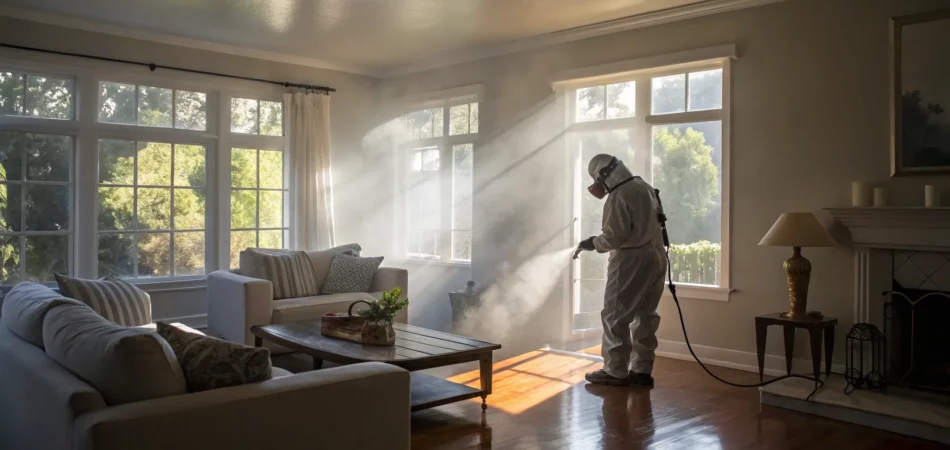
When you look at the aftermath of a fire, it’s easy to focus on the visible soot and discoloration. But the most significant threat is often invisible. Smoke leaves behind a residue of tiny, acidic particles and toxic gases that can settle deep into your walls, furniture, and even your HVAC system. That lingering smell isn’t just unpleasant—it’s a sign that these harmful contaminants are still present, affecting your home’s air quality. This guide is about more than just aesthetics; it’s about safety. We’ll show you how to properly clean smoke damage to remove these hidden dangers and ensure your home is a healthy environment again.
Key Takeaways
- Put Safety Before Cleanup: Before you do anything, get the all-clear from emergency services and wear the right protective gear, including an N95 mask and gloves. A quick assessment of the soot—whether it’s light and dusty or thick and greasy—will tell you if this is a job you can handle yourself.
- Always Start with a Dry Cleaning Method: Never use water or liquid cleaners on soot first, as this will smear the residue and push it deeper into surfaces, making it permanent. Use a HEPA-filtered vacuum and a chemical dry sponge to lift away loose particles before washing any remaining stains.
- Know When to Call for Professional Help: If the smoke odor is strong, the soot covers multiple rooms, or the residue feels oily, the job is too big for DIY methods. Professionals have the right tools to safely remove toxic residues and address hidden damage in your walls and ventilation systems.
First, What is Smoke Damage?
After a fire, the immediate danger might be over, but the smoke leaves behind a serious, lingering problem. Smoke damage isn’t just a bad smell or a bit of discoloration on the walls. It’s a physical residue composed of tiny, acidic particles and harmful gases that are created when materials don’t burn completely. These microscopic particles are surprisingly aggressive; they can be magnetic, causing them to cling to surfaces and quickly corrode metal, etch glass, and stain porous materials like drywall and wood.
The longer this residue, or soot, sits, the more damage it does and the harder it is to remove. That unpleasant odor is also a sign that these harmful particles are still present in your home, affecting air quality. Addressing the problem quickly is key to a successful cleanup. A professional fire and smoke restoration process is designed to tackle both the visible soot and the invisible odors, ensuring your home is truly clean and safe again.
The different kinds of smoke damage
Not all smoke is the same, and knowing what you’re dealing with can help you understand the cleanup challenge ahead. The type of smoke damage depends entirely on what burned.
- Protein Residue: This comes from burning food like meat or poultry. It’s often nearly invisible but leaves a greasy, sticky, yellow-to-brown film on surfaces and a very strong, foul odor.
- Natural Substance Residue: When wood, paper, or other natural materials burn, they create a dry, powdery soot that is typically gray or black. This is usually the easiest type to clean up, but it gets everywhere.
- Synthetic Residue: This is the result of burning plastics, rubber, or other man-made materials. It produces a thick, black, and smeary soot. You might even see “smoke webs,” which look like sticky, black cobwebs, stretching across corners. This type is particularly difficult to clean without smudging it further.
How smoke affects various surfaces
Smoke and soot can travel with surprising speed, often spreading throughout a property in under a minute. They move through the HVAC system and find their way into every nook and cranny, affecting areas far from the actual fire. The real problem is that soot is highly acidic. When it settles on your belongings, it immediately begins to cause damage. It can discolor paint and plastics in minutes and permanently stain porous materials like marble or grout within hours.
Even items that don’t look damaged can be a problem. Soot particles can get trapped deep within fabrics, carpets, and upholstery, creating persistent odors that are impossible to remove with surface cleaning. Keeping these contaminated items can lead to re-pollution, releasing odors and soot back into your home long after the initial cleanup. This is why a complete restoration is often necessary to address the damage you can see and the contamination you can’t.
Safety First: What to Do Immediately After a Fire
After the shock of a fire, your first instinct might be to rush inside and see what you can save. But before you even think about cleanup, you need to prioritize your safety. The immediate aftermath of a fire presents hidden dangers that can be just as threatening as the flames themselves. Soot and ash can contain harmful chemicals, the structural integrity of your home could be compromised, and electrical systems might be damaged and pose a shock hazard. Even the air you breathe can be filled with toxic particles long after the smoke has cleared.
Taking a moment to focus on safety isn’t just a good idea—it’s essential for protecting yourself and your family from injury. Before you start assessing the damage or planning your next steps, you need to make sure the area is secure. This means waiting for the official all-clear from emergency responders and gearing up properly before you re-enter the property. They have the training to identify risks that aren’t obvious, like a weakened roof support or compromised floor joists hidden beneath debris. Rushing in without professional clearance can lead to serious accidents. Tackling the cleanup process requires a clear head and a safe environment, and these initial precautions are the first step toward a successful complete restoration.
Check for structural damage
The most important rule is to only go back into your home if the fire department says it’s safe. They are trained to spot hazards you might miss. A fire can severely weaken floors, walls, and ceilings, making them unstable and at risk of collapse. You should also watch out for electrical dangers from damaged wiring and the risk of falling debris. Remember that firefighting efforts use a massive amount of water, which can lead to secondary water damage that further weakens the structure. If you see sagging ceilings or warped walls from a distance, stay out and call a professional.
Get the right protective gear
Even if the building is structurally sound, the air and surfaces inside are hazardous. Soot isn’t just messy; it’s a toxic residue that can irritate your skin and cause respiratory problems if inhaled. Before you touch anything, you must wear the right protective gear. This includes an N95 respirator mask, safety goggles to protect your eyes, and heavy-duty gloves. Regular dust masks or cloth coverings won’t be enough to filter out the fine particles in soot and smoke. Protecting yourself is non-negotiable, as improper cleanup can expose you to long-term health risks.
Your DIY Smoke Damage Cleaning Toolkit
Before you roll up your sleeves and start scrubbing, it’s important to gather the right supplies. Trying to clean smoke damage with the wrong products can actually make the problem worse by smearing soot and driving it deeper into surfaces. Having a well-stocked toolkit not only improves your chances of success but also helps keep you safe during the process. Your kit will include a mix of basic cleaning solutions and a few specialized tools designed specifically for tackling soot. Think of this as your battle plan for getting your home back to normal.
Essential cleaning supplies and solutions
You might already have some of the milder cleaning agents at home. For light smoke residue, a simple solution of warm water and a gentle dish soap can be effective. Another great option is a mixture of one cup of white vinegar per gallon of water. For tougher jobs, Tri-Sodium Phosphate (TSP) is a go-to for professional cleaners, and you can find it at most hardware stores. Just be sure to mix it according to the directions (usually 4-6 tablespoons per gallon of water) and wear protective gear, as it’s a strong chemical. A proper fire & smoke restoration process always starts with using the right cleaning agents for the job.
Specialized tools for tough soot
Soot isn’t like regular dust, so you’ll need a few special tools to remove it properly. Start with a vacuum that has a HEPA filter. This is critical because a HEPA filter can trap the tiny, harmful particles found in soot instead of just blowing them back into the air. Use a brush attachment to gently lift loose soot from walls and upholstery. Next, get a chemical dry sponge, also known as a soot sponge. These are used dry to wipe away residue without water, which prevents smearing. They work like a giant eraser for soot and are essential for the first pass on walls and ceilings before you start wet cleaning.
How to Clean Smoke Damage from Walls and Ceilings
Tackling smoke-stained walls and ceilings can feel like a huge task, but with the right approach, you can make a significant difference. The key is to work methodically and avoid common mistakes, like jumping straight to wet cleaning, which can smear the soot and make the problem worse. Your goal is to lift the residue off the surface, not rub it in.
Before you begin, remember that this process is best suited for smaller areas of damage. If you’re facing extensive staining that covers entire rooms, or if the soot feels particularly thick and greasy, your safest and most effective option is to call for professional fire & smoke restoration. Experts have specialized equipment and cleaning agents that can handle severe damage without risking the integrity of your walls. For minor smoke damage, however, a two-step cleaning process can work wonders. You’ll start with a dry method to remove loose soot, then follow up with a wet wash for any lingering stains.
Use a dry chemical sponge
Your first line of defense against soot is a dry chemical sponge, sometimes called a soot sponge. These aren’t your typical kitchen sponges; they’re made from vulcanized rubber and are designed to absorb soot and smoke particles without water. You can find them at most hardware or paint stores.
Start at the top of the wall and work your way down. Use straight, even strokes, slightly overlapping each pass. You’ll be surprised at how effectively the sponge lifts the soot from the surface. As the sponge gets dirty, you’ll need to expose a clean side. Don’t rinse it with water! Instead, once all sides are saturated, carefully slice off the dirty layer with a utility knife to reveal a fresh surface. This dry-cleaning step is essential for removing the bulk of the residue before you introduce any liquids.
Wash with a TSP or vinegar solution
After you’ve removed all the loose soot with a dry sponge, you can address any remaining stains with a cleaning solution. For tougher, oil-based soot, a solution of Tri-Sodium Phosphate (TSP) is highly effective. Mix about four to six tablespoons of TSP into a gallon of warm water, making sure to wear gloves and eye protection as it’s a strong cleaner.
If you prefer a gentler, everyday option, a simple mixture of one part white vinegar to two parts warm water also works well. Apply your chosen solution with a soft cloth, working in small, manageable sections. Gently wipe the wall, then rinse the area with a separate cloth dampened with clean water. Be careful not to oversaturate the drywall, as this can lead to secondary issues requiring water damage restoration. Let the walls air dry completely before deciding if they need another cleaning pass or are ready for a coat of stain-blocking primer and paint.
How to Clean Smoke Damage from Furniture and Fabrics
After a fire, looking at your furniture, curtains, and rugs can be heartbreaking. These items often hold sentimental value, and the thought of losing them is tough. The good news is that many pieces can be saved, but the cleaning method depends entirely on the material. Porous items like fabric and unfinished wood absorb soot and odors more deeply than hard, sealed surfaces, making them trickier to clean.
Tackling smoke damage on your own requires patience and the right techniques. For light to moderate damage, some DIY methods can be effective. However, if the soot is thick, oily, or deeply embedded, you’ll get better and safer results by calling in experts. A professional fire and smoke restoration team has specialized equipment and solutions to treat delicate items without causing further harm. Below are some steps you can try for pieces with less severe damage.
Steps for restoring wood furniture
Wood furniture can often be restored if the damage hasn’t penetrated the finish. First, avoid wiping or rubbing the dry soot, as this will just smear it and push it deeper into the grain. Instead, use a vacuum with a HEPA filter and a brush attachment to gently lift away all the loose soot particles from the surface.
Next, mix a mild cleaning solution. You can use a gentle soap with warm water or a 50/50 mixture of white vinegar and water. Before you start cleaning, always test your solution on a small, hidden spot—like the back of a table leg—to make sure it doesn’t damage the finish. If it’s safe, dampen a soft cloth with the solution, wring it out well, and gently wipe down the furniture.
How to clean upholstery and carpets
Fabrics are like sponges for soot and smoke odors, so they require a careful approach. For upholstery, carpets, and curtains, start by vacuuming thoroughly with a HEPA-filtered vacuum to remove loose soot. If you have removable cushion covers or drapes that are machine washable, launder them with your usual detergent and add a cup of baking soda or white vinegar to help neutralize the smoky smell.
For non-washable upholstery or heavily soiled carpets, it’s best to avoid DIY cleaning. Using water-based cleaners can mix with the soot and create a bigger mess that sets permanently into the fibers. These items almost always require professional techniques, like dry cleaning or specialized foam cleaners, to be salvaged properly. A complete restoration service can assess the fabric and use the correct method to clean it safely.
How Do You Get Rid of Stubborn Smoke Odors?
After a fire, the most stubborn reminder is often the smell. You can scrub away the soot and repair the visible damage, but that lingering smoke odor can seep into everything, from your drywall to your favorite armchair. This happens because smoke particles are incredibly tiny, allowing them to penetrate porous materials throughout your home. Getting rid of the smell for good requires more than just a surface-level clean; it’s about removing the microscopic particles causing the odor.
The process involves two key strategies: thoroughly ventilating the property to replace smoky air with fresh air, and deep cleaning every single surface that came into contact with the smoke. This includes soft surfaces like carpets, curtains, and upholstery, as well as hard surfaces like walls, floors, and furniture. While some light odors can be handled with household methods, a pervasive smell is a clear sign that microscopic soot particles are still hiding in your home, which can pose ongoing health risks. Tackling these stubborn odors is a critical part of a complete fire and smoke restoration process, ensuring your home is not only clean but also safe and pleasant to live in again. It’s not just about masking the scent with air fresheners—it’s about eliminating it at the source.
Ventilate and purify the air
Your first step is to get the air moving. As soon as it’s safe, open every window and door to create a cross-breeze that pushes the stale, smoky air out. You can speed this up by placing box fans in windows, facing outward to exhaust the indoor air. While fresh air is a great start, an air purifier with a HEPA filter can be a game-changer. These devices are designed to capture fine particles, including the soot and ash that carry odors. For best results, look for a model that also has an activated carbon filter, which is specifically made to trap odor-causing gas molecules and chemicals.
Deep clean to eliminate odors
Ventilation helps, but you also have to remove the odor source. Start with soft surfaces by sprinkling baking soda generously over carpets, rugs, and upholstered furniture. Let it sit for at least a few hours (or even overnight) to absorb the odors before vacuuming it up thoroughly. For hard surfaces, a solution of equal parts white vinegar and water works wonders. For extra-greasy soot, you can add a few drops of mild dish soap to your spray bottle. Remember to wash all fabrics, including curtains, bedding, and clothing. Keep in mind that a standard wash cycle may not be enough to completely remove smoke odors, so consider adding a cup of vinegar to the rinse cycle for extra deodorizing power.
What Smoke Damage Can You Handle Yourself?
After the shock of a fire, your first instinct is probably to roll up your sleeves and start cleaning. It’s a completely understandable impulse to want to restore order to your home. But when it comes to smoke damage, it’s critical to know where to draw the line between a manageable DIY task and a job that requires professional help. Even a small fire can spread soot and toxic particles throughout your home in seconds, often into places you can’t see.
The key is to accurately assess the situation before you begin. The type of material that burned, the extent of the soot, and the surfaces affected all play a huge role in determining your next steps. A minor kitchen flare-up that leaves a light film on your backsplash is very different from a fire that smolders and releases thick, oily smoke from synthetic materials into your ventilation system. Before you grab a sponge, take a moment to evaluate the damage. This careful assessment will protect both your health and your property from further harm. Making the wrong call can smear soot deeper into surfaces, permanently set stains, or expose you to hazardous materials you shouldn’t be handling without protective gear.
Signs of minor, manageable damage
So, what does “minor” smoke damage actually look like? Generally, you’re looking at a very small, contained incident, like a bit of burnt food on the stove. The damage should be localized to one room, or even just a small part of it. You might see a light dusting of soot on hard, non-porous surfaces like sealed countertops, tile, or glass. The smoke odor should be faint and confined to the immediate area. If the soot is light and dry, and hasn’t deeply penetrated walls or ceilings, you might be in DIY territory. However, even small fires can leave behind residues that need a professional touch to prevent long-term issues. If you see heavy, dark soot, notice oily stains, or if the smoke smell is strong and has spread throughout the house, these are clear signs that the damage is more than superficial.
When DIY cleaning is a good option
If you’ve confirmed the damage is truly minor, there are a few methods you can try. For light surface soot on walls, a chemical sponge (also called a dry-cleaning sponge) can be effective at lifting away residue without smearing it. For minor protein smoke—like from that burnt dinner—on a hard surface, a simple solution of one part white vinegar to two parts warm water can sometimes do the trick. However, DIY cleaning is not the right approach for most situations. If you’re dealing with greasy soot, smoke from synthetic materials like plastic, or damage to porous items like carpets, upholstery, and unsealed wood, it’s time to call in an expert. These types of residue require specialized techniques and cleaning agents. Attempting to clean them yourself can make the problem worse. When the job is too big, the safest and most effective solution is a professional fire & smoke restoration.
When Should You Call a Professional?
While it’s tempting to tackle cleanup yourself, especially for a smaller incident, smoke damage is often more complex than it appears. Knowing your limits is key to protecting both your property and your health. If the soot seems overwhelming, the smell won’t go away, or you’re just not sure where to begin, it’s a clear sign to step back. Professional restoration isn’t just about cleaning; it’s about using specialized equipment, industrial-grade cleaning agents, and proven techniques to ensure your home is truly safe and clean. Sometimes, what looks like a simple surface stain is actually a deep-set problem that household products can’t fix.
A professional team can assess the full extent of the damage, including issues you can’t see, like soot particles that have settled deep inside your walls or ventilation system. They have the training to handle different types of smoke residue and the right gear to do it safely. When you’re facing extensive damage, calling for expert fire & smoke restoration is the safest and most effective path forward. It gives you peace of mind that the job is done right and your home is healthy for your family. Trying to manage a large-scale cleanup on your own can lead to missed spots, permanent staining, and lingering health hazards.
Red flags that require an expert
Certain types of damage are simply beyond the scope of DIY methods. If you notice a thick, greasy residue on surfaces, you’re likely dealing with protein or synthetic smoke, which requires specialized chemical solvents to break down. Widespread soot covering entire rooms, ceilings, and walls is another major red flag. Porous materials like drywall, carpeting, upholstery, and unsealed wood absorb soot and odors deeply, and household cleaners won’t be enough to pull them out. If these items are heavily affected, you’ll need professional techniques like thermal fogging or ozone treatments to have any hope of saving them. When the damage is this widespread, you need a complete restoration to bring your property back to its original state.
Health and safety risks to watch for
The biggest reason to call a professional is safety. Smoke residue isn’t just dirt; it’s a toxic cocktail of chemicals like carbon monoxide and formaldehyde that can cling to every surface in your home. Breathing in these microscopic particles or absorbing them through your skin can lead to respiratory problems, headaches, and skin irritation. These risks are even greater for children, the elderly, and anyone with pre-existing health conditions. Even after you’ve cleaned visible soot, lingering particles can re-pollute your indoor air quality for months. Professionals use personal protective equipment (PPE) and containment methods to handle these hazardous materials safely, ensuring your home is not only clean but also healthy to live in again.
The Health Risks of Smoke Damage (And How to Stay Safe)
After a fire, your first instinct might be to clean up the visible mess of soot and ash. But the biggest dangers are often the ones you can’t see. Smoke doesn’t just stain your walls; it leaves behind a cocktail of toxic particles that can pose serious health risks to you and your family long after the flames are out. If you can still smell smoke, it’s a clear sign that these harmful particles are still present in your home, affecting your air quality.
Understanding these risks is the first step toward a safe recovery. It’s not just about making your home look good again—it’s about making it a healthy place to live. Proper fire and smoke restoration is crucial for removing these hidden threats. Before you even think about touching anything, it’s important to know what you’re up against and how to protect yourself during the cleanup process.
Dangers to your lungs and skin
Smoke residue is more than just dirt; it’s a complex mixture of chemicals released from burning materials. These can include dangerous substances like carbon monoxide and formaldehyde. When these tiny particles settle on surfaces, they can be easily inhaled or absorbed through your skin. Breathing them in or even just touching contaminated items can lead to a range of health issues, from headaches and skin irritation to serious respiratory problems.
These risks are even greater for children, older adults, and anyone with pre-existing conditions like asthma. The microscopic soot particles can lodge deep in the lungs, triggering allergic reactions or worsening chronic breathing difficulties. That’s why simply airing out a room isn’t enough to make it safe.
Key safety rules for cleanup
If you’re dealing with minor smoke damage, your safety should be your top priority. Always wear protective gear, including gloves, goggles, and an N95 respirator mask, to prevent direct contact with soot and inhalation of harmful particles. It’s also critical to avoid making the problem worse. Never try to wash soot off walls, painted surfaces, or upholstery with water-based cleaners without testing first. Using the wrong products can cause the soot to smear and set permanently into the surface.
For anything beyond a very small area, it’s best to leave the job to professionals. Experts have the right equipment and cleaning agents to ensure a complete restoration, effectively removing all traces of soot and odor without causing further damage.
How to Prevent Future Smoke Damage
After going through the stress of a fire, the last thing you want is a repeat experience. The best way to avoid cleaning up smoke damage is to prevent a fire from ever starting. A few simple habits and regular checks around your home can make all the difference in keeping your property and family safe. It’s about being mindful of the common culprits behind house fires and taking small, consistent steps to address them.
Start in the kitchen, where most home fires originate. Always keep an eye on food you’re cooking, especially when using grease or high heat. It’s also smart to have a fire extinguisher nearby and know how to use it. Next, take a look at your appliances and electrical systems. Clean the lint trap in your dryer after every single use—a clogged vent is a major fire hazard. Check electrical cords for any signs of fraying and avoid overloading outlets with too many plugs. If you notice flickering lights or outlets that feel warm, call an electrician right away.
Finally, be cautious with open flames and heat sources. Never leave candles unattended, and keep them far away from curtains, blankets, or anything flammable. If you use space heaters, make sure they have plenty of clearance and an automatic shut-off feature if they tip over. Taking these precautions is a key part of responsible homeownership. For businesses and homeowners who want to take preparedness a step further, creating a pre-disaster plan can help you identify risks and establish a clear protocol for any emergency.
Related Articles
- Smoke Damage Restoration: A Homeowner’s Guide – Drywizard Restoration & Drywall Inc.
- Fire Damage Restoration: A Step-by-Step Guide – Drywizard Restoration & Drywall Inc.
Frequently Asked Questions
Can I just paint over smoke stains on my walls? Painting over smoke stains is a common mistake that usually leads to more problems down the road. Soot is oily and acidic, and without proper cleaning and sealing, the stains and odors will bleed right through the new paint. You must thoroughly clean the surface with a product designed for soot, like a TSP solution, and then apply a specialized stain-blocking primer before you even think about painting.
I cleaned all the visible soot, but my house still smells like smoke. Why? That lingering smell is a sign that microscopic smoke particles have penetrated porous surfaces like drywall, carpeting, wood, and even your HVAC system. These particles are the source of the odor and can’t be removed with simple surface cleaning. Eliminating the smell for good requires deep cleaning and deodorizing techniques that neutralize the particles at their source.
Is it safe for my family to stay in the house during the cleanup process? For minor cleanup in a small, contained area, you can likely stay in the home as long as you seal off the work area and ensure good ventilation. However, for any significant restoration project, it is generally recommended that you and your pets stay elsewhere. The cleaning process can stir up soot and ash, and professionals often use equipment and cleaning agents that are best left undisturbed.
How long does professional smoke damage restoration usually take? The timeline really depends on the extent of the damage. A small kitchen fire might only take a few days to clean and restore. A more significant fire that affects multiple rooms and the structure of your home could take several weeks or even months. A professional restoration company can give you a more accurate timeline after a thorough inspection.
Will my homeowner’s insurance cover the cost of professional restoration? In most cases, standard homeowner’s insurance policies do cover fire and smoke damage restoration. However, every policy is different. It’s important to contact your insurance agent as soon as possible to review your specific coverage, understand your deductible, and start the claims process. Be sure to document the damage with photos before any cleanup begins.