
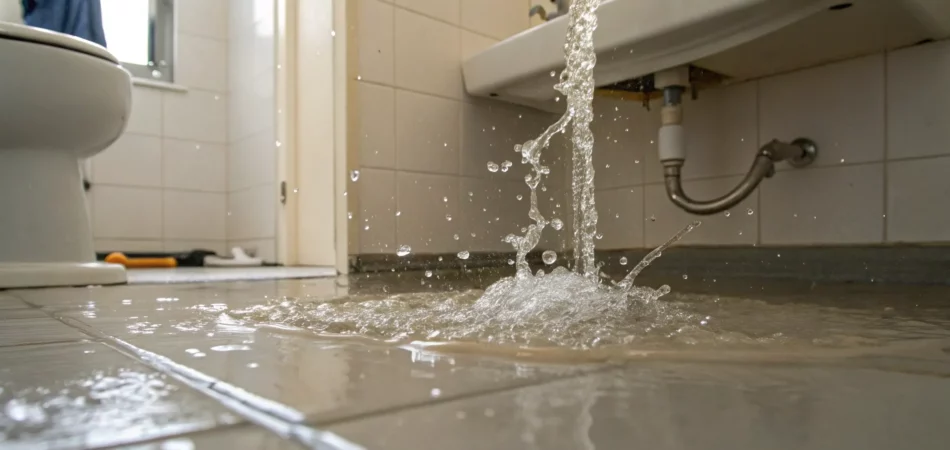
When a pipe bursts, the most obvious problem is the puddle spreading across your floor. But the real danger often lies where you can’t see it. Water is incredibly sneaky, seeping into drywall, soaking subfloors, and wicking into your home’s insulation. This hidden moisture is a breeding ground for mold and can lead to long-term structural rot if not addressed properly. Simply mopping up the visible water isn’t enough. This article will help you understand the full scope of the damage, both seen and unseen. We’ll cover how to spot the signs of hidden issues and explain why a professional burst pipe water damage repair is essential for protecting your property’s health and value.
Key Takeaways
- Prioritize Safety and Documentation First: Before you do anything else, shut off the main water valve and the electricity to the flooded area. Once the immediate danger is controlled, take extensive photos and videos of the damage for your insurance claim before you start moving things.
- Proper Drying is Non-Negotiable: Water seeps into drywall, subfloors, and insulation where you can’t see it. To prevent long-term mold and structural rot, you need industrial-grade air movers and dehumidifiers that can remove this hidden moisture completely.
- Know When to Call for Backup: If you notice sagging ceilings, smell a persistent musty odor, or are dealing with contaminated water, the situation requires professional help. A restoration team can handle the cleanup safely and manage the complex details of your insurance claim.
A Pipe Burst? Here’s What to Do Right Now
That moment of panic when you discover a burst pipe is something no property owner wants to experience. Water can spread quickly, causing significant damage in a matter of minutes. But taking a deep breath and acting fast can make a huge difference. The first few steps you take are critical for protecting your property and your safety. While these immediate actions can help control the situation, remember that a professional team is essential for handling the full scope of the cleanup and repairs. After you’ve taken these initial steps, your next call should be to an emergency water damage service to prevent long-term issues like mold and structural problems.
Shut off the main water supply
This is your absolute first priority. To stop more water from flooding your home or business, you need to cut it off at the source. When you’re dealing with a burst pipe, it’s essential to turn off the main water supply to prevent further damage. Your main water shut-off valve is typically located where the main water line enters your property—check the basement, a crawl space, or a utility closet near your water heater. In some Florida homes, it might be outside near the water meter. Turn the valve clockwise until it’s fully closed. Once the main is off, open a few faucets around the house to drain any water left in the pipes.
Turn off electricity to affected areas
Water and electricity are a dangerous combination. For everyone’s safety, you must turn off the power to the water-damaged areas of your property. Head to your home’s main electrical panel (or breaker box) and flip the breakers for the affected rooms to the “OFF” position. If the water is near your electrical systems, this step is crucial to prevent potential hazards like shocks or electrical fires. If you have to stand in water to get to your breaker box, do not touch it. Leave it alone and call a professional electrician and a restoration company immediately. Your safety is always more important than your property.
Document the damage with photos and videos
Before you move or clean up anything, pull out your phone and start documenting. This evidence is incredibly important for your insurance claim. Take clear pictures and videos of everything. Capture the source of the leak, the depth of the standing water, and close-ups of all damaged items, including furniture, electronics, flooring, and walls. It’s also a great idea to make a written list of everything that was damaged. Having a detailed visual record will make the insurance process much smoother and helps ensure you get the compensation you need for repairs and replacements.
Remove standing water quickly
The longer water sits, the more it soaks into your home’s structure and belongings, creating a perfect environment for mold growth. You need to remove standing water promptly to begin the drying process. For small amounts of water, you can use mops, towels, and buckets. If you have a wet/dry shop vacuum and it’s safe to use electricity in the area, that can be a huge help. However, for anything more than a minor puddle, you’ll need more power. A complete water damage restoration requires industrial-grade pumps and vacuums to extract water thoroughly from carpets, padding, and subfloors.
How to Assess the Water Damage
After you’ve stopped the immediate flow of water, it’s time to take a deep breath and figure out the extent of the problem. A careful assessment is the first step toward a solid recovery plan and is absolutely critical for your insurance claim. Don’t rush this part. Look closely at everything, from the obvious puddles to the less apparent signs of moisture. This initial inspection will help you understand whether you can handle the cleanup yourself or if it’s time to call in a professional team for a complete water damage restoration.
Check for structural damage
Start by looking up. Are your ceilings sagging, bubbling, or showing water stains? Check the walls for cracks, warping, or soft spots in the drywall. Floors are also a major concern—look for buckling floorboards or peeling vinyl and tile. Visible structural damage is one of the clearest signs that you’re facing a serious issue that requires professional help. These problems go beyond surface-level water and can compromise the safety of your home. If you see any of these red flags, it’s best to stay safe and contact an expert who can evaluate the integrity of your home’s structure.
Inventory your damaged items
Now, create a detailed record of everything that has been damaged. Go room by room and make a list of all affected personal belongings, furniture, electronics, and appliances. Take plenty of photos and videos from different angles to capture the full scope of the damage—this visual evidence is invaluable for your insurance claim. Be as specific as possible in your notes. For example, instead of just writing “sofa,” write “three-seat gray fabric sofa with water stains on cushions and frame.” This level of detail will make the claims process much smoother and help ensure you get fair compensation.
Measure moisture in walls and floors
Water is sneaky and can seep deep into materials that feel dry to the touch. Drywall, insulation, and wood subfloors can hold onto moisture for a long time, creating a perfect environment for mold to grow. While you can feel for dampness, professionals use specialized tools like moisture meters and thermal imaging cameras to find exactly where the water is hiding. Getting an accurate reading is key to a successful drying process. Without it, you risk leaving behind hidden pockets of moisture that can lead to much bigger problems, like rot and mold, down the road.
Look for hidden damage
Your senses are your best tools for finding damage that isn’t immediately obvious. Do you smell a musty, earthy odor? That’s a classic sign of hidden moisture or the beginning of mold growth. Even if you can’t see any water, that smell often points to a hidden leak or moisture trapped behind a wall. Also, keep an eye out for subtle visual cues like peeling paint, wallpaper that’s bubbling, or faint discoloration on walls or ceilings. These small signs can indicate a much larger burst pipe or slow leak that needs immediate attention before it causes more widespread damage.
The Right Way to Dry Water-Damaged Areas
Once you’ve removed the standing water, the next phase is all about drying everything out completely. This is arguably the most critical step in preventing long-term problems like mold and structural rot. Proper drying isn’t just about what you can see and feel; it’s about tackling the hidden moisture trapped in your floors, walls, and even the air. Getting this right requires a methodical approach and the right equipment. Here’s how to properly dry water-damaged areas and protect your home.
Use wet/dry vacuums and pumps
After mopping up the initial mess, your next best friend is a wet/dry vacuum. This tool is a workhorse for pulling water out of carpets, rugs, and hard flooring far more effectively than towels alone. Go over the affected areas slowly and repeatedly to extract as much moisture as possible. For more severe flooding, especially in a basement, you might need a submersible pump to handle the volume of water. If the amount of water is overwhelming, it’s a clear sign you need professional emergency water damage services to bring in commercial-grade extraction equipment and get the job done quickly.
Set up industrial fans and dehumidifiers
With the bulk of the water gone, your focus shifts to the moisture in the air and remaining in materials. This is where air circulation becomes key. Strategically place high-powered fans to blow air across wet surfaces like floors and walls to speed up evaporation. At the same time, run a large-capacity or industrial dehumidifier. This machine will pull that evaporated moisture directly out of the air, preventing it from settling elsewhere. This one-two punch is essential for a thorough water damage restoration process and is your best defense against the start of mold growth, which can begin in as little as 24 hours.
Remove wet materials and furniture
Anything that’s saturated needs to be moved out of the affected area. This includes area rugs, furniture, books, and boxes. Wet items not only risk being ruined but also create a humid microenvironment that slows down the drying of the room itself. Move salvageable belongings to a dry, well-ventilated space—like a garage or unaffected room—to dry out. Unfortunately, some materials like drywall, insulation, and carpet padding often can’t be saved once they’re soaked and will need to be removed and discarded. Our team can handle the complete hauling and debris removal to get your space cleared out safely.
Monitor humidity levels
How do you know when an area is truly dry? You can’t just rely on touch. The air might feel dry, but moisture could still be hiding in your drywall or subfloor. Professionals use tools like moisture meters and thermal imaging cameras to find these hidden wet spots. At home, you can use a hygrometer to monitor the room’s relative humidity. Your goal is to get it back to your home’s normal baseline, typically between 30% and 50%. Keep the fans and dehumidifiers running until you reach that target. This final check ensures you’ve achieved a complete restoration and won’t be dealing with musty smells or mold down the road.
Know When to Call for Professional Help
While it’s tempting to handle everything yourself, a burst pipe is often more than a DIY project. Knowing your limits is key to protecting your home and your health. Some situations are simply too big, too complex, or too dangerous to tackle without professional equipment and expertise. If you find yourself facing widespread water, signs of serious damage, or contaminated water, it’s time to put down the mop and pick up the phone. A professional water damage restoration team can assess the situation accurately, prevent further issues like mold, and ensure your home is safely and thoroughly dried. Trying to manage a major water event on your own can lead to bigger, more expensive problems down the road.
You see major structural damage
This is the most obvious sign that you’re out of your depth. If you notice ceilings that are sagging, floors that are buckling or warping, or walls that feel soft to the touch, you’re looking at significant structural issues. Water is incredibly heavy and can quickly compromise the integrity of materials like drywall, wood, and insulation. These aren’t just cosmetic problems; they are serious safety concerns that require immediate professional attention. An expert team can determine the extent of the damage and begin the process of stabilizing and repairing the affected structures to make your home safe again.
There’s a musty odor or mold growth
Your nose often knows before your eyes do. A persistent musty or earthy smell is a tell-tale sign of hidden moisture that has been sitting for too long. Even if you can’t see any visible water, that odor points to a leak or saturated materials behind a wall or under the floorboards. If you spot visible mold—which can appear as black, green, or white splotches—the problem is already well underway. Mold can spread quickly and negatively impact your home’s air quality, so it’s crucial to call for environmental cleanup to safely remove it and address the underlying moisture source.
The water is contaminated
Not all water is the same. If the burst pipe is connected to a sewer line or if the water has mixed with outside floodwater, you’re dealing with contaminated water. This water, often called “black water,” can contain bacteria, viruses, and other harmful contaminants that pose a serious health risk. You should never attempt to clean this up yourself without proper personal protective equipment (PPE) and sanitizing agents. Professionals have the training and specialized gear to safely handle sewer backups and decontaminate your home, ensuring it’s safe for you and your family.
You need help with a complex insurance claim
Dealing with a burst pipe is stressful enough without adding a complicated insurance claim to the mix. The process can be confusing, and insurance companies require specific documentation to process your claim correctly. A professional restoration company works with insurance adjusters all the time. They know exactly what documentation is needed, from moisture readings and photo logs to detailed estimates. Having an expert team manage the restoration can streamline your claim and help you get the coverage you’re entitled to, allowing you to focus on getting your life back to normal.
Water Damage Mistakes to Avoid
When you’re standing in a puddle in your living room, it’s easy to make rash decisions. But in the rush to fix a burst pipe, some common missteps can actually make the situation much worse, leading to more extensive damage and higher costs. The key is to act quickly but also smartly. Knowing what not to do is just as important as knowing what to do.
From waiting too long to call for help to underestimating the extent of the water, these mistakes can turn a manageable problem into a major restoration project. Let’s walk through the most frequent errors homeowners make so you can sidestep them and get your home back to normal with less stress. By avoiding these pitfalls, you protect your property and your peace of mind.
Delaying the cleanup process
The single biggest mistake you can make is waiting. Every minute that water sits, it seeps deeper into your floors, walls, and furniture, causing more damage. The first thing you should do after a pipe bursts is shut off your home’s main water supply. This immediately stops the flow and prevents the situation from escalating. Delaying the cleanup allows moisture to saturate materials, which can compromise your home’s structural integrity and create the perfect environment for mold to grow. Acting fast is critical, which is why a rapid emergency water damage response is so important.
Using the wrong drying methods
Pointing a few household fans at a wet spot and calling it a day just won’t cut it. Proper drying requires powerful, specialized equipment. Effective water damage restoration relies on industrial-grade air movers and dehumidifiers to create optimal airflow and pull moisture out of the air and surrounding materials. Using the wrong methods, like applying heat, can actually cause wood to warp and crack. Without the right tools, you risk trapping moisture inside walls and under floors, which is a direct invitation for mold and mildew to set in.
Ignoring hidden moisture
What you can’t see can definitely hurt you. Water is sneaky and can travel behind walls, under floorboards, and into your home’s insulation. You might clean up the visible puddle, but hidden moisture can continue to cause damage for weeks. A musty smell is a major red flag that water is trapped somewhere out of sight. Ignoring these signs can lead to wood rot, crumbling drywall, and serious mold infestations that are much more difficult and expensive to fix later. Professional leak detection services use tools like thermal imaging cameras to find and address moisture wherever it’s hiding.
Attempting complex DIY repairs
While it’s tempting to try and fix everything yourself, a burst pipe is usually not a simple DIY project. While you should absolutely take initial steps like shutting off the water and moving belongings, attempting complex plumbing or electrical work is risky. You could end up making the leak worse or creating a safety hazard. Professionals are trained to handle these situations safely and effectively. Instead of risking a costly mistake, focus on mitigating the immediate damage and leave the complex repairs for burst pipes to a qualified team. It’s the safest and most reliable way to ensure the job is done right.
Will Your Homeowners Insurance Cover This?
After the initial shock of a burst pipe, your next thought is probably about the cost. Dealing with insurance can feel like a second disaster, but knowing what to expect can make the process much smoother. The good news is that damage from a sudden and accidental pipe burst is one of the most common claims covered by homeowners insurance. Your policy is designed for exactly these kinds of emergencies.
However, every policy is different, and the claims process has its own set of rules. Getting familiar with the basics now will help you feel more in control and ensure you get the coverage you’re entitled to. Let’s walk through what’s typically covered, what’s not, and how you can prepare a strong claim.
Understanding what’s typically covered
Take a deep breath—most standard homeowner’s insurance policies cover water damage from burst pipes. This generally includes the cost to access and repair the broken pipe itself, as well as the funds for the necessary water damage restoration to your floors, drywall, and personal belongings. Since this type of water damage is considered sudden and accidental, it falls squarely under the protection most policies offer. Your insurance is there to help you return your home to its pre-damage condition, which includes drying, cleaning, and repairing the affected areas.
Knowing the common exclusions
While standard policies are helpful, they don’t cover everything. Coverage can be denied if the pipe burst was due to negligence, like failing to keep your home heated during a freeze. It’s also important to know that gradual damage, such as a slow leak you didn’t fix, is often excluded. Additionally, most basic policies won’t cover damage from external sources like sewer backups or failed sump pumps unless you have specific supplemental coverage. It’s always a good idea to review your policy documents or call your agent to understand the exact limits and exclusions you’re working with.
Gathering the right documents for your claim
Documentation is your best friend during an insurance claim. Before you move or throw anything away, take extensive photos and videos of the burst pipe and all affected areas and belongings. Create a detailed list of every single damaged item, from furniture to electronics. As you move through the cleanup and repair process, keep a folder with every receipt and invoice. This detailed evidence will support your claim, justify the costs, and help the process move along much faster. The more thorough you are, the easier it will be for your adjuster to approve the work.
Working with your insurance adjuster
Your insurance adjuster is the key person who assesses the damage and determines the payout. Unfortunately, communication can sometimes be confusing, and you might feel left in the dark about what’s covered until the work is done. This is where a professional restoration company becomes a powerful ally. We speak the same language as adjusters and can provide them with the detailed scope of work and moisture readings they need. We can communicate directly with your insurance company to explain why certain steps are necessary for a complete restoration, ensuring nothing is overlooked and you get the full coverage you deserve.
What to Expect from a Professional Restoration Team
When you’re standing in a flooded room, it’s hard to imagine things ever getting back to normal. But calling in a professional team is the first step toward making that happen. A certified restoration company doesn’t just show up with a few fans; they follow a meticulous, industry-standard process to handle the damage correctly from start to finish. This systematic approach is crucial for preventing long-term problems like structural issues and mold growth, which can arise from incomplete drying.
From the moment they arrive, their goal is to assess the situation, stop the damage from spreading, and create a clear plan for recovery. They bring specialized equipment and the expertise to know exactly what your property needs. The process involves several distinct phases, each one building on the last to ensure your home is not only dry but also clean, safe, and fully restored. Understanding these steps can help you feel more in control during a chaotic time. The entire water damage restoration process is designed to be thorough, efficient, and get you back into your space as quickly as possible.
Emergency water removal
The first and most critical task is to get the standing water out—fast. Professional teams use powerful, commercial-grade equipment like truck-mounted vacuums and high-capacity pumps to extract water from your home quickly. This isn’t something a standard shop vac can handle. The speed of this emergency water removal is essential for minimizing the initial damage. The less time water has to sit, the less it can soak into your flooring, seep up your walls, and ruin your belongings. This immediate action helps salvage materials that might otherwise be lost and sets the stage for the drying process.
Structural drying and dehumidification
Once the visible water is gone, the real work of drying begins. Moisture is sneaky and can hide inside drywall, under floorboards, and in your home’s insulation. Restoration experts use industrial-strength air movers and dehumidifiers to create airflow and pull that hidden moisture out of the structure itself. They don’t just guess when it’s dry; they use specialized moisture meters to detect dampness in walls and floors. This scientific approach ensures every affected area is thoroughly dried, which is the single most important step in preventing the warping, swelling, and mold growth that can follow a burst pipe.
Deep cleaning and sanitizing
After a water incident, especially one involving a burst pipe, the affected area isn’t just wet—it’s often contaminated. The water can carry dirt, rust, and other particles that get left behind. A professional team will perform a deep cleaning of all affected surfaces, including floors, walls, and salvageable personal items. They use special cleaning agents and often apply an antimicrobial treatment to sanitize the area and prevent future mold and mildew growth. This step is about more than just appearances; it’s about ensuring your home is a safe and healthy environment for you and your family after the environmental cleanup is complete.
Final repairs and restoration
The final phase is putting everything back together. This is where your home starts to look like itself again. Depending on the extent of the damage, this could involve minor repairs like replacing a section of drywall and repainting, or it could mean more significant work like laying new carpet or rebuilding entire rooms. A reputable restoration company will handle this entire process, making the transition from cleanup to reconstruction seamless. The goal of a complete restoration is to return your property to its pre-damage condition, making it feel like the disaster never even happened.
Breaking Down the Cost of Burst Pipe Repair
When you’re dealing with a burst pipe, one of the first questions that comes to mind is, “How much is this going to cost?” It’s a valid concern, and the answer isn’t always straightforward. The total expense depends on a combination of fixing the pipe itself and addressing any water damage that occurred.
The final bill can range from a few hundred to several thousand dollars. Understanding the different factors at play can help you get a clearer picture of the potential costs and prepare for the restoration process. Let’s walk through what influences the price, what average costs look like, and how your insurance might help.
Factors that influence the final cost
The cost to fix the pipe itself can vary quite a bit. On average, homeowners might pay between $200 and $1,000 for the plumbing repair alone. The final price tag depends on a few key things. First is the pipe’s location. A pipe under a sink is much easier and cheaper to access than one hidden behind a wall or under a concrete slab. The extent of the damage also matters—a small crack is a simpler fix than a complete rupture. Finally, the urgency plays a role. An after-hours emergency plumbing call will naturally cost more than a scheduled appointment.
A look at average repair costs
While fixing the pipe is the first step, the more significant expense often comes from the water damage cleanup. According to insurance industry data, the average claim for water damage from a burst pipe is around $11,650. This figure covers much more than just plumbing. It includes the cost of extracting standing water, drying out walls and floors, sanitizing the area to prevent mold, and repairing or replacing damaged materials like drywall, flooring, and insulation. This is why a rapid response is so critical; the sooner a professional water damage restoration team arrives, the more you can limit these secondary damages and control costs.
Insurance coverage vs. out-of-pocket expenses
The good news is that you may not have to cover the entire cost yourself. Most standard homeowners insurance policies cover sudden and accidental water damage, which is exactly what a burst pipe is. However, it’s important to know that this coverage typically doesn’t apply to damage caused by gradual leaks or poor maintenance. Your best bet is to pull out your policy or call your agent to understand your specific coverage and deductible. A professional restoration company can provide detailed documentation of the damage, which is essential for a smooth claims process and getting the complete restoration you need.
How to Prevent This from Happening Again
After dealing with the stress and mess of a burst pipe, the last thing you want is a repeat performance. The good news is that you can take several proactive steps to protect your home and plumbing system from future disasters. Prevention is all about being mindful of your home’s vulnerabilities and addressing them before they become emergencies. It doesn’t require a complete overhaul of your plumbing, just a few smart habits and routine checks. By focusing on insulation, temperature control, and regular maintenance, you can significantly reduce the risk of another pipe bursting and give yourself valuable peace of mind.
Insulate your exposed pipes
Pipes in unheated areas like basements, crawl spaces, attics, or garages are the most vulnerable. Even pipes running along exterior walls can be at risk during a sudden cold snap. You can find pre-slit pipe foam insulation at any hardware store, which is an easy and inexpensive DIY project. Simply cut the foam to size and wrap it around the exposed pipes. Also, take a walk around your home’s foundation and seal any cracks or openings that could let cold air in. This simple step creates a crucial barrier, keeping your pipes from reaching freezing temperatures.
Maintain a consistent home temperature
Your home’s overall temperature plays a big role in protecting your plumbing. It’s a good idea to keep your thermostat set to at least 55°F, even when you’re out of the house or away on vacation. While it might be tempting to turn the heat way down to save on energy bills, the potential cost of a burst pipe is far greater. A consistent temperature ensures that even the pipes hidden within your walls stay warm enough to prevent water from freezing and expanding. For an extra layer of protection, you can also let faucets drip slowly during extreme cold spells to keep water moving through the system.
Schedule regular plumbing inspections
Some plumbing problems develop slowly over time. Corrosion, pinhole leaks, or failing pressure regulators aren’t always obvious until it’s too late. Scheduling a professional plumbing inspection can help you catch these issues before they lead to a catastrophic failure. A licensed plumber can assess the condition of your pipes, check your water pressure, and identify any components that are nearing the end of their lifespan. Think of it as a check-up for your home’s circulatory system—a small investment that can prevent a massive headache and expensive repairs down the road.
Know your home’s plumbing layout
In a plumbing emergency, every second counts. Knowing the location of your main water shut-off valve is one of the most important pieces of information for any homeowner. If you don’t know where it is, find it now—it’s often in the basement, a crawl space, or a utility closet. Make sure everyone in your household knows its location and how to turn it off. Understanding your home’s general plumbing layout can also help you spot potential problems and communicate more effectively with professionals. This knowledge is a core part of any solid pre-disaster plan for your property.
Related Articles
- Burst Pipes in Tampa, FL – Fix Broken Pipes
- Burst Pipes – Drywizard Restoration & Drywall Inc.
- Commercial Water Damage Repair: A Step-by-Step Guide – Drywizard Restoration & Drywall Inc.
Frequently Asked Questions
Do I need to call my insurance agent before calling a restoration company? This is a great question, and the order of operations can be confusing in a crisis. Your first priority should always be to stop further damage. You should call a professional restoration company immediately after you’ve shut off the main water supply. A rapid response team can start extracting water right away, which can save you thousands in repairs. A reputable company will then work directly with your insurance provider, supplying all the necessary documentation to help streamline your claim.
How long does it take for everything to dry completely? The timeline for drying really depends on how much water was involved and what materials got wet. While a small, contained spill might dry in a couple of days, a significant burst pipe situation can take longer. Professionals don’t just guess; they use moisture meters and thermal cameras to get precise readings from deep within walls and floors. The process is complete only when these tools confirm that your home’s structure has returned to its normal, dry state, not just when surfaces feel dry to the touch.
What are the real risks if I try to handle the drying process on my own? The biggest risk is leaving behind hidden moisture. While you might get the surface of the carpet dry, water can remain trapped in the padding, subfloor, and drywall. This unseen dampness is the perfect breeding ground for mold, which can begin to grow in as little as 24 to 48 hours. Over time, this can lead to musty odors, structural rot, and poor indoor air quality, turning a water problem into a much more serious and expensive health and safety issue.
That musty smell is starting to worry me. Is it a big deal? Yes, you should absolutely take that smell seriously. A musty, earthy odor is the most common red flag for hidden moisture or the beginning of a mold problem. Even if you can’t see any visible signs of water or mold, that smell is your warning sign that moisture is trapped somewhere, likely behind a wall or under the floor. Addressing it quickly is key to preventing a small issue from spreading and causing more significant damage to your property and health.
The water came from a toilet/sewer line. Is that different from a clean water pipe bursting? This is a critical distinction. Water from a sewer backup or toilet overflow is considered “black water” and is highly contaminated with bacteria and other harmful pathogens. It poses a serious health risk and should never be handled without professional training and personal protective equipment. This is not a DIY situation. A certified team is needed to safely remove the contaminated water, dispose of affected materials, and thoroughly sanitize the entire area to make your home safe again.