
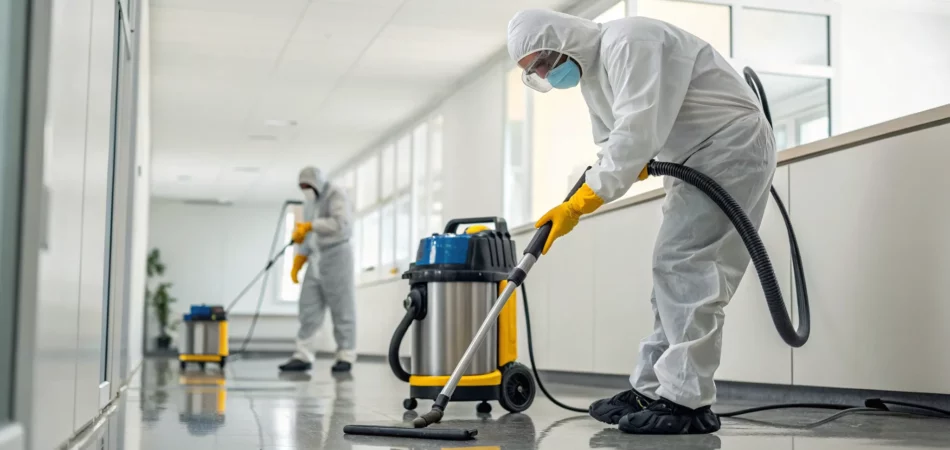
The discovery of black mold often brings immediate concerns about health risks, and for good reason. Exposure to mold spores can trigger allergic reactions and respiratory issues, making it a serious problem that demands a serious solution. While it may be tempting to try a DIY approach, improper handling can release millions of spores into the air, potentially making the situation worse. This is why professional black mold cleanup services are so critical. They use specialized containment strategies, protective gear, and air filtration equipment to safely remove the contamination and restore your home to a healthy environment, giving you total peace of mind.
Key Takeaways
- Expect a multi-step process: Professional mold cleanup isn’t just about scrubbing walls; it involves a thorough inspection, careful containment to prevent spreading spores, safe removal of contaminated materials, and final air quality testing.
- Vet your mold cleanup team carefully: Look for IICRC certification, full insurance coverage, and positive local reviews. A trustworthy company will answer all your questions and provide a detailed, written estimate before starting any work.
- Look for a permanent solution, not just a temporary fix: A quality mold remediation service will identify and address the original moisture source, offer a clear warranty for their work, and provide guidance on how to prevent future growth.
What Do Black Mold Cleanup Services Involve?
Finding black mold in your home can feel overwhelming, but tackling it with professional help is a clear, step-by-step process. It’s much more than just scrubbing a surface with bleach. A professional mold cleanup service follows a meticulous plan to not only remove the mold but also to ensure your home is safe, healthy, and protected from future growth. From the initial inspection to the final air quality check, each stage is designed to handle the problem thoroughly and give you peace of mind.
Inspecting and Testing for Mold
The first step is always a detailed inspection. A certified technician will assess the extent of the mold growth, looking for both visible signs and hidden colonies behind walls or under floors. They use specialized equipment, like moisture meters and thermal imaging cameras, to pinpoint the water source that’s feeding the mold. This could be anything from a leaky pipe to a poorly ventilated bathroom. This initial investigation is crucial because it allows the team to create a targeted remediation plan. By understanding the full scope of the problem, they can ensure every affected area is addressed, preventing the mold from returning after the cleanup.
Containing and Removing Mold Safely
Once the problem areas are identified, the team works to contain the mold. This is a critical step to prevent microscopic mold spores from spreading to other parts of your home during the removal process. Professionals use physical barriers, like plastic sheeting, and create negative air pressure to keep the contaminated area sealed off. After containment, the actual removal begins. This involves using antimicrobial treatments to clean affected surfaces and, if necessary, safely removing and disposing of porous materials like drywall, insulation, or carpet that can’t be salvaged. This careful process is a key part of a professional environmental cleanup service.
Repairing Damage and Preventing Regrowth
After the mold has been completely removed, the focus shifts to restoration. The goal is to return your home to its original condition. This can involve minor repairs like painting or replacing drywall, or more significant reconstruction depending on the extent of the damage. Just as importantly, the team will address the original source of moisture to prevent the mold from coming back. Whether it’s fixing a plumbing issue or improving ventilation, this proactive step is essential for long-term success. A true complete restoration service ensures your space is not only clean but also secure against future problems.
Verifying Clean Air After the Job Is Done
The final step is to make sure the air in your home is clean and safe to breathe. Even after all visible mold is gone, spores can remain airborne. Professionals use high-efficiency particulate air (HEPA) scrubbers and vacuums to capture these lingering spores from the air. In some cases, post-remediation testing may be done to verify that the mold levels have returned to a normal, healthy state. This last step provides confirmation that the job was done right and your home’s environment is healthy once again, giving you and your family total confidence in the results.
How to Choose the Right Mold Cleanup Service
Finding mold in your home or business can feel overwhelming, but choosing the right team to handle it doesn’t have to be. When you’re looking for a professional service, you want a company that is not only skilled but also trustworthy and reliable. The right choice gives you peace of mind that the job will be done correctly, protecting your property and your health. Focus on a few key areas: their qualifications, experience, responsiveness, and reputation. Taking a little time to vet your options ensures you partner with a team that can safely and effectively restore your space.
Check for Proper Certifications and Licensing
First things first, you want to see credentials. A reputable mold remediation company should have technicians certified by the Institute of Inspection, Cleaning and Restoration Certification (IICRC). This is the industry’s gold standard, and it means the team has received specialized training to handle mold safely and effectively. Don’t be shy about asking a potential company for proof of their certifications. This step confirms you’re working with true professionals who follow established safety protocols for environmental cleanup and won’t cut corners. It’s a simple way to filter out unqualified providers from the start.
Look for Proven Experience and Training
Beyond certifications, look for a company with a solid track record. How long have they been in business? Can they provide examples of past projects similar to yours? An experienced team has seen it all, from minor mold spots to extensive contamination after major water damage. They know how to identify the source of the moisture, contain the area to prevent spores from spreading, and perform a complete restoration of the affected space. This hands-on experience is invaluable because every mold situation is unique and often requires creative problem-solving that only comes from years on the job.
Confirm They Have Insurance and Respond Quickly
Mold waits for no one. The longer it sits, the more it spreads, which is why a company’s response time is critical. Look for a service that offers 24/7 emergency availability and can guarantee they’ll be on-site quickly. At Drywizard, we promise to be at your door in 45 minutes or less. Equally important is making sure the company is fully insured. This protects you and your property from any liability in the unlikely event that something goes wrong during the cleanup process. A professional company will always be transparent about their insurance coverage.
Read Local Reviews and Gauge Their Service
Finally, see what past customers have to say. Online reviews can offer honest insight into a company’s professionalism, communication, and quality of work. Look for patterns in the feedback. Are customers consistently happy with the results? Do they mention the team being respectful and communicative? A company with a strong local reputation, like our A+ rating with the Better Business Bureau, is a good sign. You can learn a lot about what your experience will be like by reading the reviews from your neighbors in the Tampa area.
What Does Professional Mold Cleanup Cost?
One of the first questions on every property owner’s mind is, “How much will this cost?” It’s a fair question, but the answer isn’t a simple one-size-fits-all number. The final price for professional mold cleanup depends on several unique factors specific to your situation. Think of it less like buying a product off the shelf and more like commissioning a custom service tailored to your home’s needs.
The total cost reflects not just the removal of the mold itself, but the entire process of making your home safe and healthy again. This includes containing the area to prevent spores from spreading, using specialized equipment to purify the air, and repairing any materials that were damaged. While it’s an investment, handling a mold problem correctly the first time saves you from much larger headaches and expenses down the road. We can provide a clear, detailed estimate after a thorough inspection.
Factors That Influence the Final Price
The cost of mold remediation can vary quite a bit because every situation is different. The biggest factors that influence the final price are the location and the size of the problem. Mold growing on an exposed basement wall is much easier and less costly to handle than mold hidden inside your drywall or HVAC system. The more difficult it is to access, the more labor is required.
Similarly, the total square footage of the affected area plays a huge role. A small patch of mold in a bathroom corner will be significantly less expensive to treat than an entire attic or basement. The type of material affected also matters, as some materials may need to be completely removed and replaced as part of the environmental cleanup process.
Typical Costs Based on the Size of the Problem
While a precise quote requires an in-person inspection, we can look at national averages to get a general idea. Most homeowners spend around $2,230 on mold removal, with costs typically falling between $1,128 and $3,450. For a smaller, more contained issue covering about 25 square feet, you might see prices ranging from $700 to $6,000, depending on the complexity.
If you’re dealing with a more extensive problem that spans a larger area, like 300 square feet, the costs can range from $3,000 to $7,500. These figures cover the entire remediation process, from containment to cleanup. For an accurate and transparent estimate tailored to your property, it’s always best to contact us for a professional assessment.
Understanding Fees for Additional Services
When you get a quote for mold cleanup, you’re paying for more than just scrubbing walls. Labor costs typically make up about 60% of the total bill, with certified specialists charging between $75 and $100 per hour for their expertise. This fee covers their training, safety protocols, and the use of professional-grade equipment.
Beyond labor, the final cost may include materials needed for repairs, such as new drywall, insulation, or paint. If water damage was the source of the mold, the quote will also include the cost of drying out the structure to prevent regrowth. Our goal is to provide a complete restoration, ensuring your property is not only mold-free but also structurally sound and safe for the future.
Will Your Insurance Policy Cover It?
This is a common and important question. Generally, home insurance policies may cover mold removal if the growth was caused by a sudden and accidental event, often called a “covered peril.” A perfect example is mold that develops after a burst pipe that was promptly addressed.
However, insurance typically does not cover mold resulting from long-term issues, like a slow leak you didn’t fix, poor maintenance, or general flooding (unless you have separate flood insurance). Every policy is different, so the best first step is to read your policy documents carefully and speak directly with your insurance agent to understand exactly what is and isn’t covered in your specific situation.
The Pro Toolkit: Safety Measures and Equipment
When tackling black mold, professionals don’t just show up with a bottle of bleach and a sponge. A successful and safe mold cleanup requires specialized gear, advanced equipment, and a strict set of procedures. This isn’t just about looking the part; it’s about protecting the health of your family or employees and ensuring the mold doesn’t come back. Attempting to handle a mold problem without the right tools can spread spores throughout your property, turning a contained issue into a widespread contamination.
Professionals arrive with a toolkit designed to handle every aspect of the job, from personal safety to air purification. They follow industry-standard protocols to contain the work area, safely remove contaminated materials, and sanitize the space. Understanding what this process involves can help you see why hiring a certified team is the most effective way to restore your property and your peace of mind.
Protective Gear and Containment Strategies
The first priority in any mold cleanup is safety. Professionals wear personal protective equipment (PPE), including full-body suits, gloves, goggles, and N-95 or P-100 respirators. This gear prevents them from inhaling dangerous mold spores or getting them on their skin. Before any removal begins, the team will also establish a containment zone. This involves using heavy-duty plastic sheeting and tape to seal off the affected area from the rest of your home or business. They often create negative air pressure within the zone, using fans to vent air outside. This strategy ensures that any disturbed spores are pulled out of the property, not pushed into clean areas, making the entire environmental cleanup process safer.
Advanced Air Filtration and Removal Tools
Once the area is secure, the real work begins with equipment you won’t find at your local hardware store. Professionals use high-efficiency particulate air (HEPA) vacuums to carefully clean mold from surfaces. Unlike regular vacuums, which can spread spores back into the air, HEPA filters are fine enough to trap microscopic mold spores. They also use commercial-grade air scrubbers, which are powerful air purifiers that run continuously during the project. These machines capture airborne spores, dust, and other particles, dramatically improving the air quality. This level of filtration is critical for a successful water damage restoration project where mold has taken hold.
Safe Disposal and Sanitization Methods
Simply wiping down a moldy surface isn’t enough. Porous materials like drywall, insulation, and carpet that have been contaminated often need to be removed completely. Professionals carefully cut out and bag these materials in thick, sealed plastic bags before taking them out of the containment zone. This careful process prevents cross-contamination. After removing the damaged materials, the team treats the remaining surfaces with antimicrobial chemicals to kill any lingering mold and prevent regrowth. Proper hauling and debris removal is a key step that ensures the mold is gone for good, leaving you with a clean, sanitized space.
The Health Risks of DIY vs. Professional Cleanup
While a DIY approach might seem like a way to save money, it often fails to solve the underlying problem and can put your health at risk. Without proper containment and air filtration, scrubbing or removing moldy materials can release millions of spores into your home’s air. Inhaling these spores can lead to respiratory problems, allergic reactions, and other health issues. Professionals have the training and equipment to manage these risks effectively. Investing in a professional service isn’t just about fixing the damage; it’s about protecting your property and the well-being of everyone in it. If you suspect you have a mold problem, it’s always best to contact a certified team for an assessment.
How to Vet a Mold Cleanup Company
Finding the right mold cleanup company can feel overwhelming, but knowing what to look for makes all the difference. You want a team that is not only skilled but also trustworthy and transparent. Taking the time to properly vet potential companies ensures your home is in good hands and the job gets done right the first time. It’s about asking the right questions, checking credentials, and spotting any red flags before you sign a contract.
What to Look for in Customer Reviews
When you start digging into customer reviews, look past the simple star ratings. Pay attention to the details people share about their experience. Are customers mentioning good communication, punctuality, and professionalism? Look for comments that highlight a company’s commitment to customer satisfaction and their willingness to explain the process. A pattern of positive feedback describing a team as thorough and respectful is a great sign. Also, see how the company responds to any negative reviews. A professional and proactive response shows they care about their reputation and are committed to making things right for their clients.
Key Questions to Ask During the Consultation
Your initial consultation is the perfect opportunity to gauge a company’s expertise and customer service approach. Don’t be shy about asking detailed questions. A reputable team will be happy to provide clear answers. Start with these:
- What is your process for mold remediation, from inspection to final testing?
- How do you ensure the safety of my family and home during the cleanup?
- How will you communicate with me throughout the project?
- Can you provide a detailed, itemized estimate in writing?
- Are your technicians certified, and what kind of training do they have?
A company that encourages questions and provides transparent answers is one you can feel more confident about hiring.
Red Flags and Warning Signs to Watch For
Unfortunately, not all restoration companies operate with the same level of integrity. It’s important to be aware of warning signs that could indicate a less-than-reputable service. Be cautious if a company uses scare tactics or high-pressure sales pitches to rush you into a decision. Another red flag is a vague or “one-price-fits-all” estimate without a thorough inspection. Mold remediation is a complex process, and a professional will always assess the specific situation first. If a company can’t provide proof of insurance or proper certifications, or if they seem to dismiss the health risks, it’s best to walk away and find a more qualified environmental cleanup team.
How to Verify Credentials and Check References
Before making a final decision, take a moment to verify the company’s credentials. Ask for proof of their IICRC (Institute of Inspection, Cleaning and Restoration Certification) certification, as this is the industry standard. You should also confirm they are fully licensed and insured to protect you from any liability. Don’t just take their word for it; ask to see the documents. A trustworthy company will have no problem providing them. Additionally, ask for a few recent references from jobs similar to yours. Speaking directly with past clients can give you invaluable insight into what it’s really like to work with the company and the quality of their complete restoration work.
After the Cleanup: Guarantees and Follow-Up Care
Once the black mold is gone and the equipment is packed up, the job isn’t quite finished. The final, and arguably most important, phase of the process is ensuring the mold stays gone for good. A truly professional mold cleanup service doesn’t just disappear after the initial work is done. They stand behind their efforts with clear guarantees, follow-up procedures, and support to give you lasting peace of mind. This post-cleanup care is what separates a quick fix from a permanent solution.
Understanding what to expect after the remediation is complete will help you feel confident in your investment and secure in your home’s health. From warranties that protect you against regrowth to testing that verifies clean air, this follow-up is a critical part of any complete restoration project. It’s about making sure your home is not only clean but also fortified against future mold issues. Let’s walk through what a quality follow-up plan looks like.
Understanding Warranties and Service Guarantees
A warranty from a mold remediation company is their promise to you that their work was effective. Reputable companies often guarantee that if any visible mold reappears within a specified timeframe, they will return to address it at no extra cost. This shows they are confident in their process and committed to solving your problem correctly the first time. These guarantees often hinge on passing a post-remediation clearance test, which confirms the area has been returned to a safe, normal state. A solid warranty is a clear sign you’re working with a team that values quality and customer satisfaction.
Post-Cleanup Monitoring and Testing
How do you know for sure that the air in your home is safe again? The answer is post-cleanup testing. After the remediation is complete, an independent third-party industrial hygienist should be brought in to conduct air sampling. This verification step is crucial because it provides unbiased proof that the mold spore count has returned to a normal, healthy level. It also confirms that the containment measures were successful in preventing cross-contamination. Without this final test, you’re just taking the company’s word for it. True professionals welcome this verification as proof of a job well done.
Long-Term Prevention and Maintenance Support
Effective mold cleanup isn’t just about removing the existing growth; it’s about stopping it from coming back. This means addressing the source of the moisture that allowed the mold to grow in the first place. A thorough company will help you identify and fix the underlying issue, whether it’s a slow pipe leak, poor ventilation, or residual moisture from a flood. Their support should include actionable advice for preventing future problems, such as controlling humidity and performing regular maintenance checks. This focus on long-term prevention is key to protecting your property for years to come.
Reading the Fine Print in Your Service Agreement
Before you sign any contract, take the time to read it carefully, especially the section on warranties. Understand exactly what is covered, how long the guarantee lasts, and what conditions might void it. For example, a warranty may be contingent on you fixing the original water leak that caused the mold. Knowing these details upfront prevents misunderstandings later on. Don’t hesitate to ask questions about anything that seems unclear. A transparent company will be happy to walk you through their agreement and ensure you feel comfortable with the terms.
Related Articles
- Attic Mold Removal Services: A Cost & Process Guide – Drywizard Restoration & Drywall Inc.
- Why Choose a Certified Mold Remediation Company? – Drywizard Restoration & Drywall Inc.
- Mold Removal vs. Remediation: Protect Your Home & Health | Drywizard Drywall Services, Inc.
Frequently Asked Questions
Can I just clean up a small spot of black mold myself with bleach? While it might seem like a quick fix, using bleach on mold is rarely effective, especially on porous surfaces like drywall or wood. Bleach can clean the surface color, but it often doesn’t penetrate deep enough to kill the mold’s roots. More importantly, scrubbing mold without proper containment can release millions of spores into the air, potentially spreading the problem to other areas of your home and creating a health risk.
How can I be sure the mold is completely gone after the cleanup? A professional job should end with verification. The best way to confirm the mold is gone is through post-remediation air testing conducted by an independent third party. This test measures the spore count in the air to ensure it has returned to a normal, healthy level. A reputable company will also have addressed the original moisture source, which is the most critical step in preventing the mold from returning.
Will I need to leave my home during the mold removal process? This really depends on the size and location of the mold problem. For a small, isolated area that can be completely sealed off, you can often remain in your home. However, if the contamination is widespread, affects your HVAC system, or is in a central living area, it is generally safer for you and your family to make temporary arrangements to stay elsewhere. This ensures you aren’t exposed to any airborne spores or cleaning agents during the process.
What is the most important credential to look for in a mold cleanup company? Without a doubt, you should look for a company whose technicians are certified by the Institute of Inspection, Cleaning and Restoration Certification (IICRC). This is the industry’s top standard, and it confirms the team has the proper training to handle mold safely and effectively. Along with that, always verify that the company is fully licensed and insured; this protects you and your property throughout the project.
Does homeowners insurance typically cover the cost of mold removal? It depends on the cause of the mold. Most standard insurance policies will cover mold damage if it’s the result of a sudden, accidental event that is covered by your policy, like a burst pipe. However, policies generally exclude mold caused by long-term issues like slow leaks, poor maintenance, or high humidity. The best course of action is to review your specific policy and speak directly with your insurance agent to understand your coverage.