
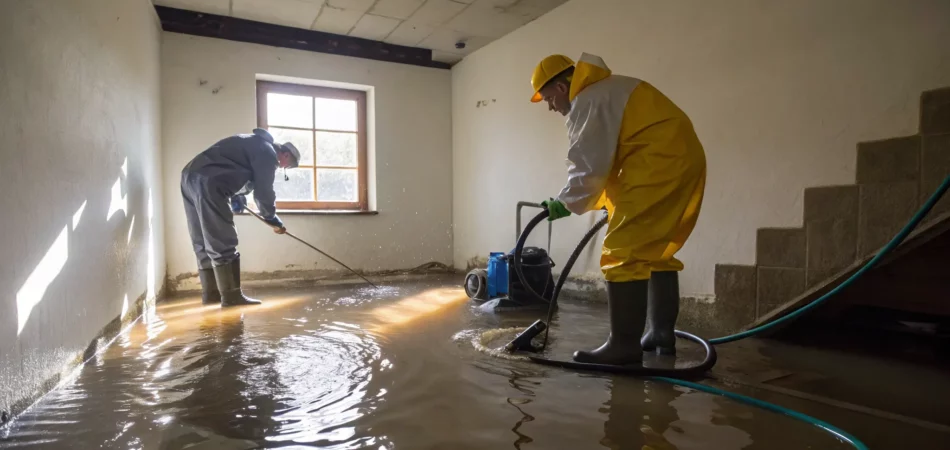
The immediate mess of a flooded basement is obvious, but the real danger lies in what you can’t see. Lingering moisture trapped behind walls and under floors can lead to serious long-term consequences, including toxic mold growth, wood rot, and compromised structural integrity. A hasty or incomplete cleanup can turn a one-time disaster into a recurring nightmare. The goal isn’t just to get your basement dry for now; it’s to ensure it stays safe and healthy for the future. Understanding the complete restoration process is key. We’ll break down how professional basement flood cleanup services tackle hidden moisture and prevent these future problems, protecting your biggest investment.
Key Takeaways
- Prioritize Safety and Proof Before Cleanup: Your first moves after discovering a flood are the most critical. Ensure the area is safe by turning off the power if you can, and then thoroughly document all damage with photos and videos for your insurance claim before touching anything.
- Professionals Tackle the Hidden Dangers: The real threat from a flood is the moisture you can’t see. A professional team uses specialized equipment to dry out structures completely, preventing the long-term mold growth and rot that can happen when moisture gets trapped behind walls and under floors.
- Simple Exterior Maintenance is Your Best Defense: You can dramatically lower your risk of a future flood with a few key habits. Regularly clean your gutters, make sure downspouts direct water far from your house, and check that the ground slopes away from your foundation.
What Do Flood Cleanup Services Actually Do?
When you’re standing in a flooded room, it’s hard to imagine how things will ever get back to normal. Calling in a professional cleanup crew is the first step, but what happens next? It’s much more than just mopping up the mess. A professional team follows a systematic process to ensure your home is not only dry but also safe and fully restored. Understanding these steps can help you feel more in control during a stressful time. From the moment they arrive, their goal is to handle the damage efficiently and prevent long-term problems like mold and structural issues. They bring specialized equipment and expertise to tackle a situation that can quickly become overwhelming, turning a chaotic scene into a managed recovery project.
Extracting Water
The first priority is to get the standing water out as quickly as possible. The longer water sits, the more damage it causes to your floors, walls, and furniture. Professional crews don’t show up with a bucket and mop; they use powerful, truck-mounted pumps and industrial-grade vacuums designed for rapid water damage restoration. This equipment can remove hundreds or even thousands of gallons of water in a short amount of time. This immediate action is crucial for salvaging building materials and preventing moisture from seeping deeper into your home’s structure, which can lead to more complicated and expensive repairs down the road.
Drying and Dehumidifying Structures
Once the visible water is gone, the real drying process begins. Your walls, floors, and even the air still hold a surprising amount of moisture, which is the perfect breeding ground for mold. To tackle this hidden dampness, professionals set up specialized equipment like high-speed air movers and commercial-grade dehumidifiers. These tools work together to create airflow across all surfaces, pulling moisture out of porous materials like drywall, wood, and carpet. They’ll use moisture meters to track progress and ensure every corner of the affected area is thoroughly dried to industry standards, stopping mold before it has a chance to grow.
Cleaning and Sanitizing Surfaces
Floodwater isn’t just water—it can be contaminated with bacteria, chemicals, and other hazards from outside or from sources like a sewer backup. Simply drying the area isn’t enough to make it safe. The next critical step is cleaning and sanitizing. Professionals use antimicrobial treatments and hospital-grade disinfectants to clean all affected surfaces, from floors and walls to any salvageable belongings. This process eliminates harmful bacteria and odors, ensuring your home is not only clean but also healthy for you and your family. This is a non-negotiable step for creating a safe living environment after a flood.
Restoring and Repairing Your Space
After the water is gone and the area is clean and dry, it’s time to rebuild. The final step is restoring your home to its pre-flood condition. This can involve a wide range of repairs, from replacing sections of drywall and installing new carpet to more significant reconstruction projects. A full-service company will manage this entire process for you, handling everything from minor fixes to major renovations. These complete restoration services are designed to make the recovery process as smooth as possible, so you can get your space—and your life—back to normal without having to juggle multiple contractors.
Florida Basement Flood Unique Challenges (High Water Table)
Florida basement flooding presents unique challenges due to the state’s notoriously high water table and sandy soil composition that requires specialized restoration approaches. Unlike northern states where basements extend well below the water table, Florida basements often sit just above or at water table level, making them susceptible to groundwater intrusion during heavy rainfall or storm surge events.
The sandy soil common throughout the Tampa Bay area provides poor drainage and can shift dramatically when saturated, potentially compromising foundation integrity and creating ongoing moisture issues. High humidity levels year-round mean basement flooding often leads to rapid mold growth within 24-48 hours, requiring immediate professional intervention with commercial-grade dehumidification equipment.
Traditional basement waterproofing methods may be insufficient in Florida’s challenging environment, necessitating comprehensive moisture management systems including interior drainage, sump pumps, and vapor barriers designed for high water table conditions.
Professional restoration companies must also account for saltwater intrusion in coastal areas, which accelerates corrosion and requires specialized cleaning protocols to prevent long-term damage.
Your First Steps After a Basement Flood
Finding water in your basement is a moment of pure panic. It’s overwhelming, and your first instinct might be to just start bailing water out. But before you grab a bucket, taking a few key steps in the right order can make a huge difference in protecting your safety, your property, and your wallet. Acting quickly is important, but acting smart is even more critical. These initial actions set the stage for a successful restoration, helping to minimize the damage and streamline the recovery process. Think of this as your immediate action plan to regain control of a chaotic situation.
Prioritize Safety: Turn Off Utilities
Before you even step into the water, your absolute first priority is safety. Water and electricity are a dangerous combination. If you can safely access your home’s circuit breaker box without walking through water, turn off the power to the basement and any other affected areas. If you have any doubt about whether it’s safe to do so, don’t risk it. The same goes for your gas line if you suspect a leak or damage. Your well-being is far more important than any possession, so always put safety first.
Identify the Water Source
Once the area is safe, try to figure out where the water is coming from. Is it a steady flow from a specific spot? You might be dealing with a burst pipe or a failed water heater. If you can identify the source and safely access your home’s main water shut-off valve, turn it off immediately. This simple action can stop the flow of water and prevent the damage from getting worse while you wait for help to arrive. If the flooding is from heavy rain or a sewer backup, stopping the source won’t be as straightforward, which makes calling for professional help even more urgent.
Document the Damage for Insurance
Before you move or clean up anything, grab your phone and start documenting everything. Take clear photos and videos of the standing water, the source of the flood if you found it, and any items that have been damaged. Capture wide shots of the entire basement and close-ups of specific damage to furniture, appliances, and structural elements like drywall. This visual evidence is incredibly important for your insurance claim. A detailed record makes the claims process smoother and helps ensure you get the full compensation you’re entitled to for the repairs and replacements.
Call for Professional Help Immediately
While it might be tempting to start the cleanup yourself, a basement flood is rarely a DIY job. Water hides in places you can’t see, seeping into drywall, insulation, and subflooring. Without proper equipment, this hidden moisture leads to mold, rot, and long-term structural problems. Calling a professional water damage restoration team right away is the most important step you can take. We have the industrial-grade pumps, air movers, and dehumidifiers needed to extract all the water—seen and unseen—and completely dry your space. Getting experts on-site quickly minimizes the damage and prevents future headaches.
How to Choose the Right Cleanup Crew
When your basement is underwater, the last thing you want is more stress from choosing the wrong cleanup company. The team you hire can make the difference between a smooth recovery and a lingering disaster. Finding a trustworthy, skilled, and fast-acting crew is your top priority. You need professionals who will not only remove the water but also protect your home from long-term issues like structural damage and mold. To make sure you’re in good hands, there are a few key things to look for when you start making calls. Think of it as a quick checklist to find the right partner to get your home back to normal. A great company will feel like a true partner, guiding you through the process with clear communication and genuine care for your property.
Look for IICRC Certification
First things first, check for credentials. The gold standard in the restoration industry is certification from the Institute of Inspection, Cleaning and Restoration Certification (IICRC). This isn’t just a fancy acronym; it means the technicians have been professionally trained on the best practices for water damage restoration. An IICRC-certified team knows how to handle a flood safely and effectively, using the right techniques to protect your property. It’s a clear sign that the company invests in quality and expertise, so you can feel confident they know exactly what they’re doing.
Confirm 24/7 Emergency Availability
A flood doesn’t wait for business hours, and your cleanup crew shouldn’t either. Water damage gets worse with every passing minute, so you need a company that offers a true 24/7 emergency response. When you call, ask about their average response time. A reliable company should be able to get a team to your door in an hour or less. This speed is critical for minimizing the extent of the damage, saving more of your belongings, and preventing mold from taking hold in your home. A fast response is the first step in taking back control of the situation.
Ask About Their Equipment and Technology
The tools used for cleanup matter just as much as the team’s training. A professional crew will arrive with more than just a few fans and a wet vac. They should have commercial-grade equipment like powerful water extractors, industrial air movers, and heavy-duty dehumidifiers. This advanced technology is designed to pull moisture from deep within structures like drywall and wood flooring. Using the right equipment is essential for a thorough drying process and is your best defense against future problems like mold, which can require extensive environmental cleanup.
Ensure They Offer Insurance Claim Support
Figuring out your insurance policy is probably the last thing you want to do in a crisis. A top-tier restoration company will help you with the claims process. They should be experienced in working with all major insurance providers and can help you document the damage with photos and detailed notes. Many will even communicate directly with your insurance adjuster to make sure all the necessary work is approved and covered. This support can be a huge relief, simplifying the process and letting you focus on your family and home.
Check Local Reviews and Reputation
Before you make a final decision, take a few minutes to see what your neighbors are saying. Look up local reviews on sites like Google and check their rating with the Better Business Bureau. You’re looking for consistent feedback that highlights professionalism, clear communication, and high-quality work. Hearing about positive experiences from other homeowners in the Tampa area can give you peace of mind that you’re hiring a company with a proven track record of helping people through the same situation you’re facing now.
The Professional Cleanup Process, Step by Step
When a professional restoration team arrives at your home, they won’t just start pumping out water. They follow a proven, methodical process to ensure your basement is safely, thoroughly, and efficiently restored. Understanding these steps can help you know what to expect and give you peace of mind that the job is being done right. Each phase is designed to tackle a specific aspect of the damage, from initial safety checks to the final coat of paint.
This systematic approach is crucial because water damage is often more than what you can see. Moisture can hide behind walls and under floors, creating a hidden risk for mold and structural problems down the line. A professional crew has the training and tools to find and address this hidden damage. They move from immediate water extraction to detailed drying, sanitizing, and finally, restoring your space to its pre-flood condition. Let’s walk through what a typical professional cleanup looks like from start to finish.
Step 1: Inspection and Damage Assessment
The moment the team arrives, their first priority is to perform a detailed inspection. Before any work begins, they need to understand the full scope of the situation. This involves identifying the source of the water, checking for potential electrical hazards, and assessing the level of contamination. They’ll determine if the flood involves clean water from a supply line or contaminated “black water” from a sewer backup. Using moisture meters, they will map out exactly how far the water has traveled, ensuring no wet spot goes unnoticed. This initial emergency water damage assessment is the blueprint for the entire restoration plan.
Step 2: Water Removal
With a clear plan in place, the crew immediately begins removing all standing water. For significant flooding, this isn’t a job for a simple shop vac. Professionals use powerful, truck-mounted vacuums and high-capacity submersible pumps to extract hundreds or even thousands of gallons of water quickly. Speed is absolutely essential during this phase. The faster the water is removed, the less time it has to seep into your home’s structure, subfloor, and drywall. This rapid extraction is the first major step in preventing secondary damage and limiting the potential for mold growth.
Step 3: Drying and Dehumidifying
Once the standing water is gone, the real drying process begins. Your basement’s walls, floors, and even the air itself are still holding a lot of moisture. The team will strategically place industrial-grade equipment, like high-speed air movers, to accelerate evaporation from carpets, wood, and concrete. At the same time, powerful dehumidifiers work to pull that moisture out of the air. Professionals will continuously monitor the temperature, humidity, and moisture levels in the affected materials to ensure your basement is returned to its normal, dry state, which is a key part of any environmental cleanup.
Step 4: Cleaning and Sanitizing
Floodwater can leave behind silt, debris, and a host of unseen contaminants. After drying, the crew will thoroughly clean all affected surfaces and belongings. This isn’t just a surface-level wipe-down; it involves specialized techniques to remove contaminants and odors. Depending on the water source, such as in cases of sewer backups, they will use EPA-approved, hospital-grade sanitizers and antimicrobial treatments. This step is critical for eliminating bacteria, preventing mold growth, and ensuring your basement is a safe and healthy environment for your family once again.
Step 5: Restoration and Final Repairs
The final step is bringing your basement back to life. Restoration can range from minor repairs, like replacing a section of drywall and painting, to more extensive work like installing new flooring or rebuilding entire sections of the room. A full-service company will handle this entire process, managing the repairs and reconstruction needed to return your space to its original condition. The goal of a complete restoration is to make it look like the flood never even happened, allowing you to get back to enjoying your home without any lingering reminders of the damage.
Understanding the Cost of Cleanup
When you’re dealing with a flooded basement, one of the first questions on your mind is, “How much is this going to cost?” The answer isn’t always straightforward, as the final bill depends on several factors. Think of it less like buying a product off the shelf and more like a custom service tailored to your specific situation. A professional team will assess the damage to give you a precise quote, but understanding the variables can help you know what to expect.
What Influences the Final Price?
The cost of a basement flood cleanup isn’t a flat fee because every situation is unique. The final price tag is influenced by how big your basement is, how much water needs to be removed, and the extent of the damage. Another key factor is the type of water involved—was it from a clean source like a burst pipe, or is it “gray” or “black” water from a sewer backup that requires more intensive sanitization? The more contaminated the water and the more widespread the damage to your floors, walls, and belongings, the more comprehensive the water damage restoration process will be.
Breaking Down the Costs
While every job is different, most homeowners can expect to pay between $2,500 and $10,000 for a full cleanup, with the average cost landing around $4,000. On a smaller scale, many cleanup services charge between $3.50 and $7.25 per square foot. This price typically covers the essential steps: extracting the standing water, professionally drying and dehumidifying the entire space, and cleaning the affected areas. Remember, these figures are a general guide. The best way to get an accurate number for your situation is to have a professional come out and provide a detailed estimate.
Working with Your Insurance Company
The good news is that your homeowner’s insurance may cover a significant portion of the cost. Your first step should always be to document the damage thoroughly—take plenty of photos and videos of the flooded area and any damaged items before anything is moved. This evidence is crucial for your claim. A professional restoration company can be your biggest ally here, not just in restoring your home but also in dealing with the insurance paperwork. They can provide the detailed documentation your insurer needs, helping to streamline the claims process and ensure your complete restoration is covered.
How to Prevent Future Basement Flooding
After going through the stress of a basement flood, the last thing you want is a repeat performance. Taking proactive steps can make all the difference in keeping your space dry and safe for years to come. Think of it as creating a defensive line for your home against water intrusion. By addressing potential weak points both inside and out, you can significantly reduce the risk of future flooding and protect your property from costly damage. Here are a few key strategies to get you started.
Install and Maintain a Sump Pump
A sump pump is your basement’s first line of defense against groundwater. Installed in the lowest part of your basement or crawlspace, its job is to pump water out and away from your foundation before it has a chance to flood. If you live in an area with a high water table or frequent heavy rains, a sump pump isn’t just a good idea—it’s essential. But installation is only half the battle. Regular maintenance ensures it will work when you need it most. You should test it periodically, especially before the rainy season, to make sure it’s ready for action. If you need a new one, consider a professional sump pump replacement to ensure it’s installed correctly.
Improve Your Home’s Drainage
How water behaves around your home’s exterior has a huge impact on your basement. Your goal is to direct every drop of rain away from your foundation. Start by cleaning your gutters regularly to prevent clogs and overflows. Make sure your downspouts extend at least six feet from your house. You should also check the grading of your yard; the ground should slope away from your foundation, not toward it. If you notice water pooling near your home after it rains, you may need to add soil to build up the slope. These simple landscaping and maintenance tasks can prevent thousands of gallons of water from pressing against your basement walls.
Seal Your Foundation
Water is persistent and will find its way through even the tiniest cracks in your foundation. Take the time to carefully inspect your basement walls, floors, and the areas around windows for any visible cracks or gaps. Sealing these openings with hydraulic cement or polyurethane caulk is a critical step in waterproofing your basement. This simple fix prevents water from seeping in during heavy downpours. If you suspect moisture is getting in but can’t find the source, professional leak detection services can pinpoint hidden vulnerabilities before they turn into major problems, giving you peace of mind.
Schedule Regular Professional Inspections
Sometimes, the biggest threats are the ones you can’t see. Hidden leaks from pipes or failing waterproofing systems can lead to sudden and severe flooding. Scheduling a yearly inspection with a professional can help you catch these potential issues early. An expert can assess your plumbing, check your sump pump, and inspect your foundation for signs of trouble. Think of it like a regular check-up for your home’s water defense system. A professional can spot wear and tear you might miss, allowing you to make small repairs now to avoid a major water damage restoration project later.
When to Call a Professional for Basement Flooding
When you discover water in your basement, your first instinct might be to grab a mop and bucket. For a tiny, clean spill, that might be enough. But most basement floods are a different beast entirely. Water from a burst pipe, a failed sump pump, or a sewer backup brings a host of complications that go beyond what you can see on the surface. Deciding whether to tackle it yourself or call for help can be the difference between a quick fix and a long-term headache involving mold, structural damage, and lingering odors.
Calling in a professional water damage restoration team isn’t giving up; it’s making a smart, strategic decision to protect your property and your health. Experts are equipped not just with powerful pumps and fans, but with the knowledge to assess the full scope of the damage, identify hidden risks, and ensure your home is returned to a safe, dry state. If you’re on the fence, certain situations are clear signals that it’s time to put down the bucket and pick up the phone.
If You’re Facing Safety Hazards or Contaminated Water
Your safety should always come first. If the floodwater is near electrical outlets, breaker boxes, or appliances, you’re dealing with a serious shock hazard. It’s crucial to stay out of the water and call a professional who knows how to safely manage the situation.
Beyond the electrical risks, you need to consider the water’s source. Floodwater can be contaminated with everything from bacteria and viruses to chemicals and raw sewage, especially if it’s from a sewer backup or has been sitting for a while. This “black water” poses significant health risks. A professional team has the personal protective equipment (PPE) and specialized cleaning agents to handle these hazardous materials safely, ensuring your basement is thoroughly sanitized.
If the Damage Is Extensive
A small puddle is one thing, but several inches of standing water across your basement is a job for the pros. When water has saturated carpets, seeped into drywall, and soaked the wooden framework of your home, the cleanup requires more than a shop vac. Extensive flooding calls for industrial-grade equipment—powerful water extractors, commercial air movers, and dehumidifiers—to remove the moisture quickly and efficiently.
A professional crew can deploy this equipment immediately to mitigate the damage. They have the experience to handle large-scale water removal and know how to create the most effective drying environment. For widespread issues, a rapid and powerful response is key to saving your belongings and preventing secondary damage like warped floors and crumbling drywall.
To Stop Mold Before It Starts
One of the biggest threats after a basement flood is mold. In the damp, dark environment of a wet basement, mold can begin to grow in as little as 24 to 48 hours. Once it takes hold, it can spread quickly through your home’s structure and HVAC system, creating a serious air quality issue and posing health risks to your family.
Simply removing the visible water isn’t enough to prevent mold. Professionals follow a strict drying and dehumidifying process to reduce moisture levels in the air and within materials like wood and drywall. They also apply antimicrobial treatments to sanitize the area and inhibit future mold growth, giving you peace of mind that your home is not only dry but also healthy.
If You Suspect Hidden Moisture
Water is sneaky. It can seep behind walls, under flooring, and into insulation, creating hidden pockets of moisture that you can’t see or feel. If left unaddressed, this trapped moisture can lead to mold, wood rot, and a slow deterioration of your home’s structure. This is where professional expertise and technology become invaluable.
Restoration experts use specialized tools like moisture meters and thermal imaging cameras for leak detection and to find every last bit of hidden dampness. By identifying and drying these hidden spots, they ensure the cleanup is truly complete. This thorough approach prevents long-term problems and protects the structural integrity of your home, saving you from more costly repairs down the road.
Related Articles
- DIY vs. Professional Water Damage Restoration
- 10 Tips To Secure Your Residential Property Before A Flood
- The Dangers of Delaying Water Damage Repairs
- Steps to Take Immediately After Water Damage Occurs
Frequently Asked Questions
How long does the entire basement flood cleanup process usually take? The timeline really depends on the specifics of the situation. For a smaller, straightforward cleanup, the drying process might take three to five days. However, for more extensive flooding that requires significant water removal and repairs, it could take a week or even longer. Factors like the size of your basement, the amount of water, and the types of materials that were soaked all play a role in how long it takes to get your space completely dry and restored.
Can any of my belongings, like carpet or furniture, be saved after a flood? This is a tough question, and the answer often depends on two things: the type of water and how long your belongings were wet. Items soaked in clean water from a supply line have a much better chance of being salvaged if they are addressed quickly. Unfortunately, porous items like carpet, mattresses, and upholstered furniture that have been saturated with contaminated water, such as from a sewer backup, usually need to be discarded for health and safety reasons. A professional can assess your items and let you know what is safe to keep.
What if I just let my basement air dry on its own? While it might seem like a simple solution, letting a flooded basement air dry is one of the riskiest things you can do. The water you can see is only part of the problem. Moisture seeps deep into drywall, wood framing, and subflooring, creating a perfect environment for mold to grow in as little as 24 hours. This hidden moisture can also lead to wood rot and serious structural damage over time. Professional equipment is designed to pull out that trapped moisture and ensure your home is truly dry and safe.
Will my homeowner’s insurance policy cover the cost of the cleanup? In many cases, yes, but it depends on the source of the water. Standard homeowner’s insurance policies typically cover damage from sudden and accidental events, like a burst pipe or a failed water heater. However, flooding from groundwater, heavy rain, or a sewer backup often requires separate coverage or a specific add-on to your policy. The best first step is to call your insurance agent immediately to understand your coverage, and a reputable restoration company can help by providing the detailed documentation your claim will require.
How can I tell if the floodwater is contaminated and unsafe? It’s always best to err on the side of caution and assume floodwater is contaminated. If the water came from a sewer backup, a toilet overflow, or entered your home from the outside during a storm, it is definitely carrying bacteria and other hazards. Even water that looks clear can become contaminated after sitting for a while as it mixes with materials in your home. Because of the health risks, you should avoid contact with the water and leave the handling and cleanup to professionals with the right safety gear.