
That musty, earthy smell in your upstairs hallway isn’t just a sign of an old house. It’s often the first red flag of a hidden problem lurking right above your head. Mold loves the dark, humid environment of an attic, where it can grow undisturbed for months, feeding on wood, insulation, and drywall. By the time you notice a ceiling stain or that persistent odor, the issue is likely more widespread than you think. This isn’t a problem you can just ignore or hope will go away. You need a clear plan to address it safely and effectively, which is where professional attic mold removal services come in.
Key Takeaways
- Treat attic mold as a serious issue: It’s more than a cosmetic problem; mold damages your home’s structure and can impact your family’s health, requiring a professional response.
- Safe removal is a science, not a DIY project: Professionals use containment zones, air filtration, and specialized tools to eliminate mold without spreading spores throughout your home—a risk you take when trying to handle it yourself.
- Long-term prevention hinges on moisture control: After removal, the key to keeping mold away is managing moisture. Focus on improving attic ventilation, controlling indoor humidity, and regularly checking for leaks.
What Is Attic Mold Removal and Why Is It Necessary?
Attic mold removal is the professional process of cleaning and eliminating mold growth from your attic. It’s a critical service because mold isn’t just an unsightly nuisance; it’s a destructive force that can compromise your home’s structural integrity and your family’s health. As mold colonies spread, they feed on organic materials like wood, drywall, and insulation, which can lead to serious and expensive structural problems over time. If left unchecked, what starts as a small patch of mold can require complete restoration work down the line.
Beyond the physical damage to your property, mold releases spores into the air you breathe. These spores can trigger allergic reactions, respiratory issues, and other health concerns for the people living in the home. Addressing an attic mold problem quickly and thoroughly is one of the most important steps you can take to protect both your investment and your well-being. It’s not a problem that will resolve itself, and professional intervention is almost always necessary to ensure it’s gone for good.
What Causes Mold in Your Attic?
Mold loves dark, damp environments, and your attic can easily become the perfect breeding ground. The primary culprit is often condensation, which happens when warm, moist air from your living spaces rises and meets the cooler surfaces of the attic, like the underside of the roof. This moisture, combined with the wood and insulation in your attic, creates an ideal home for mold. Other common causes include poor ventilation that traps humid air, hidden roof leaks that introduce water damage, and bathroom or kitchen fans that improperly vent into the attic instead of outside.
The Health Risks of Mold Exposure
Living with mold can lead to a surprising number of health issues, especially for children, the elderly, and anyone with a compromised immune system. Exposure to mold spores can cause a range of symptoms, from persistent allergies, coughing, and sneezing to more severe respiratory problems and asthma attacks. It’s a common misconception that mold is only a problem for those with pre-existing allergies, but prolonged exposure can affect anyone. The sooner you address the source, the better you can protect your family’s health and the structural safety of your home.
Telltale Signs of Attic Mold
Since you probably don’t spend much time in your attic, you need to know what to look for. Often, your nose will notice a problem before your eyes do; a persistent musty or earthy smell is a classic sign of hidden mold. Visually, you might see dark stains or discoloration on the wooden beams, rafters, or the underside of the roof sheathing. Other warning signs include damp or clumpy insulation, peeling paint on the ceilings of the rooms below, or visible water stains. If you notice any of these red flags, it’s time to contact a professional for an inspection.
How Much Does Attic Mold Removal Cost?
Figuring out the cost of attic mold removal can feel a bit like a guessing game, but it doesn’t have to be. While every situation is unique, understanding the typical price range and the factors that influence it can help you budget and make an informed decision. The final price tag depends on the size of the problem, how difficult it is to access, and what materials are affected. Let’s break down what you can expect.
A Breakdown of Average Costs
For a typical attic mold problem, you can generally expect the cost to fall somewhere between $1,000 and $4,000. Attics often land in this price range because they present unique challenges. The space can be cramped and hard to work in, and the mold has often spread into the insulation. Unfortunately, once insulation is compromised by mold, it can’t be salvaged and must be completely removed and replaced, which adds to the overall cost of the project. The price covers not just the removal itself but also the crucial steps of containing the area to prevent spores from spreading to the rest of your home.
What Factors Influence the Final Price?
Several key factors will determine your final bill. The most obvious one is the sheer size of the infestation—a small, contained patch will cost significantly less to treat than mold that has spread across your entire attic. Accessibility also plays a huge role. Hard-to-reach areas require more time and specialized equipment, which increases labor costs—often the biggest part of the invoice.
The type of materials affected matters, too. Mold on solid wood joists can sometimes be cleaned and sealed, but porous materials like drywall and insulation almost always require full replacement. The extent of the damage will determine if you need simple remediation or a more complete restoration of the space.
Will Your Homeowner’s Insurance Cover It?
This is the big question for many homeowners, and the answer is: it depends. The best first step is to call your insurance company and review your policy. Generally, insurance will cover mold removal if the mold was caused by a “covered peril”—a sudden and accidental event. For example, if a pipe suddenly bursts in your attic and the resulting water damage leads to mold, your policy will likely cover the remediation.
However, insurance typically does not cover mold that results from long-term neglect or a gradual maintenance issue, like a slow roof leak you haven’t fixed. They see this as the homeowner’s responsibility. Acting quickly when you discover water damage is key to ensuring you have a better chance at coverage.
How Professionals Remove Attic Mold
When you hire a professional team for mold removal, you’re not just paying for a deep clean. You’re investing in a systematic process designed to safely eliminate mold and prevent it from returning. Unlike a DIY approach, which can often spread spores and make the problem worse, professional environmental cleanup follows strict protocols to protect your home and your family’s health. The process involves much more than just scrubbing away visible spots; it’s a comprehensive strategy that addresses the contamination at its source, cleans the air, and ensures all affected materials are handled correctly. From the moment they arrive, certified technicians focus on containment, using specialized equipment and techniques to get the job done right.
Safety Protocols and Containment
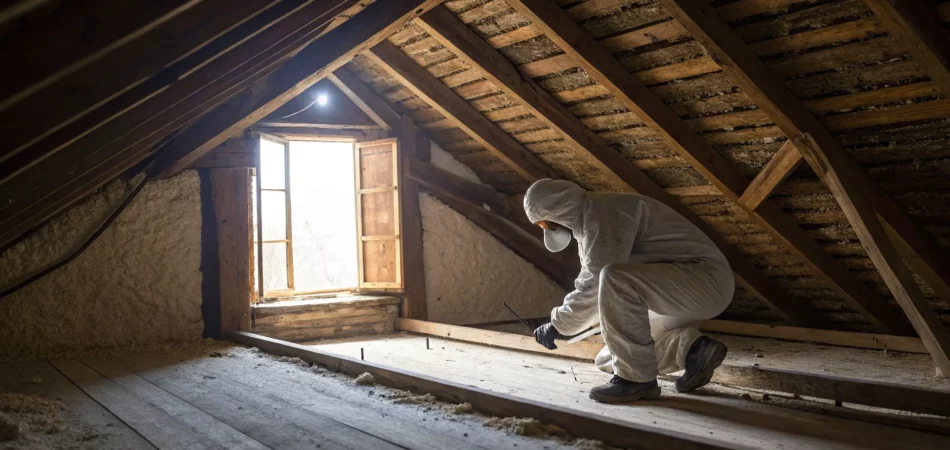
The first and most critical step a professional takes is to isolate the attic from the rest of your home. This isn’t as simple as just closing the attic door. Technicians create a full containment zone using heavy-duty plastic sheeting and negative air pressure machines. This setup ensures that as mold is disturbed during removal, the airborne spores are trapped within the work area instead of spreading to your living spaces. They also wear extensive personal protective equipment (PPE), including full-face respirators, gloves, and disposable coveralls. This level of precaution is essential for both their safety and for preventing cross-contamination throughout your property.
Professional Tools and Techniques
Forget about that bottle of bleach under the sink. Professionals use EPA-approved, industrial-grade antimicrobial and antifungal agents that are specifically formulated to kill mold and its roots, especially on porous surfaces like wood. Bleach might remove the surface stain, but it doesn’t penetrate materials to kill the underlying growth. Technicians use a combination of methods, including wire brushing, sanding, and media blasting (like dry ice blasting) to physically remove mold from framing and sheathing. After removal, they apply a specialized sealant or encapsulant that makes surfaces mold-resistant and helps prevent any future growth, ensuring a long-term solution.
The Air Filtration and Cleanup Process
Once the mold has been physically removed, the job is still not done. Microscopic mold spores can linger in the air, ready to settle and start a new colony. To combat this, professionals use high-powered air scrubbers equipped with HEPA filters. These machines run continuously throughout the project, capturing airborne particles and purifying the air. The final cleanup involves HEPA vacuuming all surfaces within the containment zone to remove any remaining dust and spores. Any contaminated materials that couldn’t be salvaged, like insulation or drywall, are carefully bagged, which is where a hauling and debris removal service comes in to dispose of them according to industry regulations.
How to Choose the Right Mold Removal Service
Finding mold in your attic is stressful enough; you shouldn’t have to worry about whether you’ve hired the right team for the job. Choosing a qualified and trustworthy mold removal service is the most important step you can take to protect your home and family. A great company will not only eliminate the existing mold but also help you understand how to prevent it from returning. To find the best fit, you’ll want to look for specific credentials, ask the right questions, and understand why this is a job best left to the pros.
Essential Certifications to Look For
When you start vetting companies, the first thing to check for is proper certification and insurance. This is non-negotiable. Look for technicians certified by the Institute of Inspection, Cleaning and Restoration Certification (IICRC), which is the industry standard for restoration services. This certification means the team has been trained in the latest, most effective mold removal techniques. Also, confirm the company has comprehensive liability insurance. This protects you and your property in the unlikely event that something goes wrong during the remediation process. A professional company will always be upfront about their qualifications.
Key Questions to Ask a Contractor
Before you sign a contract, have a list of questions ready. Start by asking if a detailed inspection and testing are included in their price, so you aren’t surprised by hidden fees. A crucial question is, “How will you contain the area to stop mold spores from spreading?” Proper containment is key to preventing cross-contamination to other parts of your home. You should also ask about their process, the timeline, and if they can provide references or show you customer reviews. Their answers will give you a clear picture of their expertise and customer service standards.
Why DIY Mold Removal Is a Bad Idea
It can be tempting to grab a bottle of bleach and try to handle a mold problem yourself, but this often does more harm than good. For one, you likely don’t have the professional-grade solutions or protective gear to handle mold safely. More importantly, scrubbing visible mold can release millions of spores into the air, spreading the problem to new areas. Professionals use specialized equipment like air scrubbers and containment barriers to manage the worksite safely. They have the expertise to perform a thorough environmental cleanup and ensure the mold is completely and safely removed, something a DIY approach can rarely guarantee.
The Mold Removal Process: What to Expect
Finding mold in your attic can feel overwhelming, but knowing what comes next can make the situation much more manageable. When you call in a professional team, they follow a structured process designed to safely and completely remove the mold and address the root cause of the problem. This isn’t just about cleaning what you can see; it’s a comprehensive approach to restore your home’s air quality and prevent future growth. From the first look to the final cleanup, every step is handled with precision. Understanding this workflow will give you peace of mind and help you know what’s happening in your home every step of the way. Let’s walk through what you can expect when the professionals arrive.
The Initial Inspection and Assessment
The very first thing a certified mold remediation expert will do is a thorough inspection of your attic. This step is about more than just spotting visible mold; it’s a fact-finding mission to understand the full scope of the issue. The team will identify the source of the moisture that allowed the mold to grow in the first place—whether it’s a roof leak, poor ventilation, or condensation. They’ll assess how far the mold has spread and what materials have been affected. This detailed environmental cleanup assessment is critical because it forms the basis for a targeted and effective removal plan, ensuring no corner is overlooked.
How to Prepare Your Home for the Service
While the professionals handle the heavy lifting, there are a few things you can do to prepare your home and make the process go smoothly. The remediation team will need clear access to the attic and surrounding areas, so removing any personal belongings, boxes, or furniture from the immediate vicinity is a huge help. This not only protects your items but also gives the crew the space they need to work safely and efficiently. It’s also a good idea to create a clear path from the entrance of your home to the work area. You don’t need to worry about buying special gear or cleaning agents—the pros bring everything they need for a safe and contained project.
Understanding the Project Timeline
The time it takes to complete an attic mold removal project can vary. A small, contained area might only take a day or two, while a more extensive infestation could require a longer timeline. The duration depends heavily on the size of the affected area, the type of materials involved, and the complexity of the underlying moisture problem. Professionals follow strict industry standards, like the IICRC S520, to ensure the job is done right, which includes containment, removal, and drying. This commitment to a thorough process is key to a successful complete restoration and ensures the mold won’t be a recurring issue. Your contractor will provide a more precise timeline after the initial assessment.
How to Prevent Mold from Coming Back
After you’ve had mold professionally removed, the last thing you want is a repeat performance. Keeping mold from returning comes down to controlling the one thing it needs to survive: moisture. By taking a few proactive steps, you can make your attic an inhospitable place for mold and keep your home healthy for the long haul. These strategies focus on creating an environment where mold simply can’t thrive, giving you peace of mind.
Smart Ventilation and Moisture Control Strategies
Mold loves stagnant, damp air, which is why your attic can be a prime spot for it to grow. The main culprit is often condensation. This happens when warm, moist air from your living space rises and hits the cooler surfaces of your attic, creating water droplets. To stop this cycle, focus on airflow and humidity control. Make sure your attic has proper ventilation with clear soffit and ridge vents to keep air moving. Inside your home, aim to keep the humidity level between 30% and 50% using your air conditioner or a dehumidifier. Proper insulation also plays a key role by helping to regulate the attic temperature, which is a critical part of any long-term water damage restoration plan.
Regular Maintenance and Inspection Tips
Staying ahead of mold requires a little bit of routine maintenance. It’s a good idea to peek into your attic a few times a year, especially after heavy rain or a storm. Look for any new water stains on the wood, feel for dampness in the insulation, and check for condensation on the underside of the roof. Make sure all your home’s exhaust fans—from the kitchen and bathrooms—are vented directly outside, not into the attic. This is a common oversight that pumps moisture right where you don’t want it. If you spot a roof leak, get it fixed right away. Catching these small issues early is the best way to prevent a big problem down the road. If you find something concerning, don’t hesitate to contact us for a professional assessment.
Related Articles
- Mold Removal and Mold Remediation: The Real Difference – Drywizard Restoration & Drywall Inc.
- A Step-by-Step Guide to Repair Drywall Water Damage – Drywizard Restoration & Drywall Inc.
- Factors Affecting Mold Growth Following Water Damage
Frequently Asked Questions
Do I need to leave my home during the attic mold removal? For most attic mold projects, you won’t need to relocate. Professional teams are experts at setting up a containment zone that completely isolates the attic from your living spaces. They use plastic sheeting and negative air pressure to ensure no dust or spores escape the work area. However, if the infestation is particularly severe or if anyone in your household has significant respiratory sensitivities, it might be more comfortable to be away during the most intensive parts of the removal process.
Can’t I just use bleach or paint over the mold myself? This is a common question, but trying to handle mold with bleach or paint is a mistake. Bleach can sometimes remove the surface color of mold on non-porous materials, but it doesn’t penetrate porous surfaces like wood to kill the roots. Painting over mold is even worse; it simply hides the problem and can trap moisture, which allows the mold to continue growing unseen. A DIY approach often releases spores into the air, spreading the contamination to other parts of your home.
Is a musty smell in my house a sure sign of attic mold? A persistent musty odor is one of the most reliable clues that you have a mold problem somewhere in your home. Since mold thrives in dark, damp places, the attic is a very common source. While the smell strongly suggests mold, it’s not absolute proof that the issue is in your attic. The best course of action is to have a professional inspection to pinpoint the exact source and determine the extent of the problem.
What happens to my attic insulation if it has mold on it? Unfortunately, once mold gets into your insulation, the material cannot be saved. Insulation is extremely porous, making it impossible to clean thoroughly and guarantee that all the microscopic mold spores have been removed. For a successful remediation, any contaminated insulation must be carefully bagged, removed, and replaced with new material after the area has been fully cleaned and treated.
How can I be sure all the mold is gone after the job is done? A professional mold removal service doesn’t stop once the visible mold is gone. The process includes using HEPA air scrubbers to capture airborne spores and HEPA vacuums to clean all surfaces within the contained area. Reputable companies follow strict industry standards to ensure the job is complete. For total peace of mind, you can also request post-remediation air quality testing to verify that the spore count in your attic has returned to a normal, healthy level.