
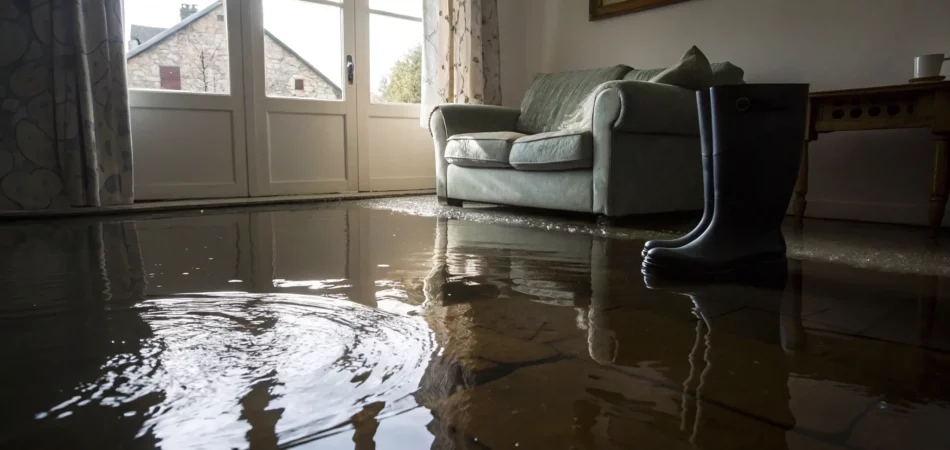
The puddle on your floor is just the tip of the iceberg. The real threat from water damage is the moisture you can’t see, the water that’s already soaking deep into your home’s structure. This hidden dampness is where mold begins to grow and where wood framing can start to rot, compromising the integrity of your property. You can’t fix this with a shop vac and a few fans; it requires specialized equipment and scientific methods. That’s the true value of a professional 24 hour water damage service. They have the tools to find and eliminate every trace of moisture, protecting your home and your family’s health.
Key Takeaways
- Time Is Your Biggest Enemy: Water damage worsens exponentially. Calling a 24/7 service immediately is the single most important step to prevent mold, protect your home’s structure, and keep repair costs from spiraling.
- Not All Water Damage Is the Same: The source of the water—whether it’s clean, gray, or black—dictates the health risks and cleanup method. Any situation involving contaminated water or widespread flooding requires IICRC-certified professionals to handle safely.
- Take Safe, Smart Steps While You Wait: Before help arrives, your two main jobs are to ensure safety and document everything. Shut off the water and power to the affected area, then use your phone to take extensive photos and videos for your insurance claim.
Why Is 24-Hour Water Damage Service So Important?
When you discover a burst pipe or a leaking appliance, it’s easy to feel overwhelmed. Your first instinct might be to grab some towels and hope for the best, but when it comes to water damage, every single minute counts. The difference between a quick cleanup and a major, costly renovation often comes down to how quickly you act. Water doesn’t just sit there; it seeps into every porous surface, weakening structures, ruining belongings, and creating the perfect environment for mold.
That’s why a 24-hour response is not just a convenience—it’s a necessity. Acting immediately stops the damage from spreading and prevents a series of secondary problems that can be far more destructive than the initial leak. Think of it as property first aid. The faster a professional team can get on-site to extract the water and start the drying process, the better the outcome for your home or business. A swift response protects your property’s value, your health, and your peace of mind.
The First 48 Hours Are Critical
The clock starts ticking the moment water enters your property. Within just 24 to 48 hours, the environment can become a breeding ground for mold and bacteria. Once mold takes hold, it releases spores into the air, which can cause allergic reactions and respiratory issues. It also begins to eat away at organic materials like wood, drywall, and insulation, causing them to rot and decay. This is why you can’t afford to wait. Getting the water out and thoroughly drying the affected areas within this critical window is the key to preventing a much bigger, more hazardous problem down the road.
How to Stop Mold and Secondary Damage Before They Start
Beyond mold, delays in addressing water damage can lead to a cascade of other issues. Water-logged drywall will swell and crumble. Wood floors can warp and buckle. The structural integrity of your home can even be compromised as joists and support beams absorb moisture and weaken. Plus, there’s the risk of electrical shorts if water comes into contact with wiring. Professional water damage restoration isn’t just about removing visible water; it’s about using specialized equipment to extract moisture from deep within these materials. Acting fast is your best defense against this chain reaction of damage, saving you from more extensive and expensive repairs.
Common Water Damage Myths, Busted
Many property owners hesitate to call for help, often because of a few common misconceptions. One major myth is that only a massive flood qualifies as an emergency. In reality, even a small, slow leak from a toilet or dishwasher can cause significant hidden damage over time. Another myth is that you can handle it yourself with a few fans and a shop vac. While that might help with surface water, it won’t remove the moisture trapped in your subfloor or behind your walls. This hidden dampness is where mold and rot thrive. Any situation involving unwanted water requires an immediate response, which is why emergency water damage services exist.
Is Your Water Damage an Emergency?
When you find water where it shouldn’t be, it’s easy to panic. But not all water situations are created equal. The first step in figuring out your next move is to understand what kind of water you’re dealing with. Restoration professionals classify water damage into three categories based on the contamination level of the source, which tells us a lot about the potential health risks and the right way to handle the cleanup.
Category 1 is the least severe, while Category 3 is a serious biohazard that requires extreme caution. The tricky part is that water can change categories over time. A clean water leak from a pipe can become contaminated (Category 2 or 3) if it sits for too long or comes into contact with dirt, bacteria, or chemicals in your home. That’s why acting fast is so important, no matter where the water came from. Knowing the difference can help you protect your family’s health and understand when you absolutely need to call for emergency water damage services. It’s the key to preventing a small problem from turning into a major restoration project.
Understanding Clean Water (Category 1)
Category 1 water, or “clean water,” comes from a sanitary source. Think of it as water that would be safe to drink before it leaked. Common sources include overflowing sinks, broken water supply lines for your appliances, or a burst pipe carrying fresh water. While this type of water isn’t immediately harmful to your health, it can still cause significant damage to your property. If left unaddressed, it will soak into drywall, flooring, and furniture, creating the perfect environment for mold to grow. What starts as a clean water problem can quickly become a much bigger, more contaminated issue if not handled promptly.
What Is Gray Water? (Category 2)
Category 2 water, or “gray water,” is significantly contaminated and can cause illness if you come into contact with it. This water contains chemical or biological contaminants from sources like washing machine overflows, dishwasher leaks, or even a failed sump pump. It might look cloudy and often has a noticeable odor. Because it already contains waste products and bacteria, it’s crucial to handle a gray water situation with care. You should avoid touching it directly and keep pets and children away from the affected area. This type of water damage requires professional equipment and cleaning protocols to ensure the area is properly sanitized.
The Dangers of Black Water (Category 3)
Category 3 water, known as “black water,” is grossly contaminated and poses a serious health risk. This is the most dangerous type of water damage, as it contains harmful bacteria, viruses, and other pathogens. The most common sources of black water are sewer backups, overflowing toilets containing feces, and natural floodwaters that have mixed with sewage and other ground contaminants. You should never attempt to clean up black water on your own. It requires immediate professional intervention from certified experts who have the right protective gear and specialized equipment to safely handle the removal and disinfection process.
Signs You Need to Call for Help Immediately
Knowing the type of water is helpful, but some situations are clear-cut emergencies regardless of the source. It’s time to call for professional help right away if you notice any of the following signs:
- The water has spread to multiple rooms or levels of your property.
- You’re dealing with gray or black water from a sewage backup or flood.
- There is more than an inch of standing water.
- The water damage has been present for more than 24 hours, increasing the risk of mold.
- You see structural issues like sagging ceilings or warped walls, or you suspect electrical hazards.
If your situation fits any of these descriptions, don’t wait. A rapid response can prevent further damage and keep repair costs down.
What to Expect When You Call for Help: Our Process, Step-by-Step
Facing water damage can feel overwhelming, but knowing what comes next can make a world of difference. When you call us, you’re not just getting a cleanup crew; you’re getting a clear, professional plan to get your property—and your life—back to normal. We believe in constant communication, so you’ll never be left wondering what’s happening. From the moment we arrive, our IICRC-certified experts follow a proven process designed to be as efficient and stress-free as possible. Here’s a look at exactly what you can expect.
Your First Call: What We’ll Ask
That first call is all about getting you help, fast. When you reach out to us, our friendly dispatcher will gather the essential details to understand your situation. We’ll ask for your name and address, of course, but we’ll also need to know a bit about the water damage itself. Is it from a burst pipe or a backed-up sewer line? When did it happen? Which rooms are affected? This information helps us dispatch the right team with the right equipment. We’ll also ask about your electricity to ensure our team’s safety upon arrival. This quick conversation is the first step in our promise to be on-site in 45 minutes or less.
Arrival and On-Site Damage Assessment
Once our team arrives, our first priority is to perform a thorough inspection. We don’t just start pumping water; we create a detailed plan. Using advanced moisture detection equipment, we’ll identify the full extent of the damage, including moisture that might be hidden behind walls or under floors. We’ll also determine the water category—whether it’s clean, gray, or black water—to ensure we use the correct procedures for safe and effective cleanup. This comprehensive assessment allows us to map out the most effective water damage restoration strategy and explain the entire process to you before we begin any work.
Step 1: Immediate Water Extraction
With a solid plan in place, our team gets to work on the most urgent task: removing the standing water. Using powerful, truck-mounted extraction units and submersible pumps, we can remove hundreds or even thousands of gallons of water from your property in a short amount of time. This rapid extraction is a critical part of our emergency water damage response, as it immediately halts the spread of damage and prevents water from being absorbed further into porous materials like drywall and wood flooring. Getting the bulk of the water out quickly is the key to minimizing long-term issues and setting the stage for a successful drying process.
Step 2: Drying and Dehumidifying
After the standing water is gone, the real science of drying begins. Your floors, walls, and other materials might look dry, but they are still holding onto a significant amount of moisture. We bring in industrial-grade air movers to create strategic airflow across all affected surfaces, which speeds up evaporation. At the same time, powerful dehumidifiers work to pull that moisture out of the air. Our technicians will carefully monitor the drying process using moisture meters, adjusting equipment as needed to ensure every corner of your property is returned to its proper moisture level. This meticulous step is essential for preventing mold growth and structural damage.
Step 3: Complete Restoration and Repairs
The final step is putting everything back together. Once your property is completely dry and sanitized, our team transitions from mitigation to repair. This phase can involve anything from minor fixes, like replacing a section of drywall and painting, to more significant reconstruction, such as rebuilding entire rooms. As a full-service restoration company, we handle it all. Our goal is to provide a complete restoration that returns your home or business to its pre-damage condition. We take pride in our craftsmanship, ensuring the final result is seamless and makes it feel like the damage never even happened.
How to Choose the Right 24-Hour Water Damage Company
When your property is flooding, you don’t have time to scroll through dozens of reviews and websites. You need to make a quick, confident decision. But how do you know who to trust when the pressure is on? Choosing the right company comes down to a few key factors: their qualifications, their speed, and how they support you through the entire process. It’s about finding a team that not only has the right equipment but also the right expertise and attitude to handle a stressful situation with professionalism and care.
A great restoration company does more than just remove water. They are certified professionals who respond immediately, communicate clearly, and can even help you manage the complexities of an insurance claim. They understand that they’re not just fixing a building; they’re helping people get their lives back on track. Knowing what to look for ahead of time can make all the difference in a crisis. Think of it as having a mental checklist ready, so you can find a reliable partner who will guide you through the complete restoration and get your property back to normal as quickly as possible. This section will walk you through exactly what to look for, so you can feel confident in your choice, even in an emergency.
Look for Key Certifications (Like IICRC)
When you’re looking for a professional, you want someone who knows the official rulebook, not someone who just wings it. In the restoration world, that rulebook is set by the IICRC (Institute of Inspection, Cleaning and Restoration Certification). An IICRC certification is a non-negotiable. It means the technicians are trained in the industry’s best practices and follow strict standards for water damage restoration. This isn’t just a fancy badge; it’s your assurance that the job will be done safely, thoroughly, and correctly, preventing future problems like mold and structural weakness.
Verify Their Response Time and Licensing
With water damage, the clock is always ticking. The longer water sits, the more damage it causes. That’s why a company’s response time is so critical. You need a team that offers a true 24/7 emergency response and can be at your door in under an hour. At Drywizard, we guarantee we’ll be on-site in 45 minutes or less. Also, always confirm the company is fully licensed and insured to operate in your area. This protects you and holds the company accountable for their work, ensuring they meet local regulations and professional standards.
Ask About Their Insurance Claim Process
Let’s be honest: dealing with an insurance claim is the last thing you want to handle during a property emergency. A truly helpful restoration company will guide you through it. Ask potential companies if they assist with the insurance process. The best teams will help you document the damage properly, communicate directly with your insurance adjuster, and provide all the necessary paperwork to make your claim as smooth and stress-free as possible. This level of support is a hallmark of a company that is genuinely there to help you recover from start to finish.
Smart Questions to Ask on Your First Call
That first phone call is your chance to vet a company quickly. Don’t be afraid to ask direct questions to make sure they’re the right fit. You’re in a stressful situation, and you deserve clear answers.
Here are a few smart questions to ask:
- How soon can you have a team at my property?
- Are your technicians IICRC certified?
- Can you help me with my insurance claim?
- What are the immediate steps you’ll take upon arrival?
A professional and experienced company will be able to answer these questions confidently, giving you the peace of mind that you’re putting your property in good hands.
What Factors Influence the Cost of Restoration?
When you’re dealing with unexpected water damage, one of the first questions on your mind is likely, “How much is this going to cost?” It’s a completely valid concern, and the answer depends on a few key variables. The final price tag for a restoration project isn’t one-size-fits-all because every situation is unique. Understanding what drives the cost can help you know what to expect and make informed decisions.
The three main factors that influence the cost are the type and severity of the damage, the size of the affected area, and your specific insurance policy. A small, clean water leak in your bathroom will cost significantly less to fix than a widespread sewer backup that affects multiple rooms. Our team always provides a clear and detailed assessment upfront, so you’re never in the dark about the scope of the work or the investment required for a complete restoration. We believe in total transparency, ensuring you have all the information you need from the very beginning.
The Type and Severity of Water Damage
Not all water is the same. The source of the water plays a huge role in the restoration process and its cost. A leak from a clean supply line is much simpler to handle than a flood caused by a sewer backup, which contains harmful contaminants. The more contaminated the water (classified as gray or black water), the more intensive the cleanup and sanitization process will be. Severity also matters. If water has been sitting for more than 24-48 hours, the risk of mold growth increases, which adds another layer to the restoration. Acting fast is the best way to keep costs down and protect your property.
The Size of the Affected Area
It makes sense that the larger the area, the more it will cost to restore. A flooded basement requires more resources—labor, equipment, and time—than a small puddle from an overflowing sink. The cost covers everything from extracting the standing water to setting up industrial-grade air movers and dehumidifiers to thoroughly dry the structure. It also includes any necessary repairs, like replacing drywall, flooring, or insulation that was damaged beyond repair. Whether it’s a single room in your home or an entire floor of your commercial property, we scale our response to fit the exact size and needs of the job.
Your Insurance Coverage
Your homeowner’s insurance policy is a critical piece of the puzzle. Most standard policies cover sudden and accidental water damage, like a burst pipe or a faulty appliance hose. However, coverage can vary, and you’ll typically have a deductible to pay out of pocket. The good news is that you don’t have to figure this out alone. We work with all insurance companies and can help you through the claims process. Our team documents everything meticulously to provide your insurer with the necessary information, making the experience as smooth and stress-free as possible for you.
What to Do Before Help Arrives
You’ve made the call, and our team is on the way. We know this is a stressful time, but taking a few key steps right now can make a huge difference. By acting quickly and safely, you can help prevent further damage and get a head start on the restoration process. Think of this as your pre-arrival checklist to protect your property and prepare for a smooth recovery.
Prioritize Safety: Shut Off Water and Power
Your safety is the number one priority. Before you do anything else, stop the source of the water. You can usually do this by turning the main water valve to your property clockwise until it stops. This is a crucial first step to prevent further damage. If the water damage is significant or you see standing water near electrical outlets, go to your breaker box and shut off the electricity to the affected areas. Water and electricity are a dangerous combination, and it’s always better to be cautious. If you feel unsafe or aren’t sure how to do this, please wait for our certified technicians to arrive.
Document the Damage for Your Insurance Claim
Once the area is safe, grab your smartphone. Walk through the affected areas and take as many photos and videos as you can. Capture wide shots of the rooms and close-ups of damaged belongings, saturated carpets, and warped baseboards. This documentation is incredibly valuable when you file your insurance claim and helps ensure you get the coverage you deserve. It also gives our team a preliminary look at the situation, which helps us plan for a complete restoration of your home or business. Don’t move anything until you’ve photographed it in place.
Common Mistakes to Avoid While You Wait
While waiting for help, what you don’t do is just as important as what you do. The biggest mistake is thinking the problem can wait. Water damage from issues like burst pipes or overflowing appliances gets worse with every passing minute, leading to mold growth and structural issues. Avoid using a standard household vacuum to remove water, as this poses a serious risk of electric shock. Don’t place newspaper on wet surfaces, as the ink can transfer and cause permanent stains. Finally, if the ceiling is sagging or wet, stay out of the room and don’t turn on any lights or ceiling fans.
Related Articles
- Emergency Water Removal Process: 4 Key Steps
- How to Choose a Water Damage Restoration Company
- Emergency Water Damage Cleanup: Your First Steps
Frequently Asked Questions
Can I just wait until morning to call about a small leak? It’s tempting to put it off, especially if it seems minor, but waiting is one of the costliest mistakes you can make. Water soaks into drywall, subfloors, and insulation almost immediately. Within just 24 to 48 hours, that damp environment becomes the perfect place for mold to start growing, which introduces a whole new set of problems and expenses. Acting fast, even for a small leak, stops the damage in its tracks and is the best way to prevent a much bigger, more complicated repair down the road.
Is all water damage the same, or are some situations more dangerous? Not all water damage is created equal, and some situations are definitely more hazardous than others. The main difference comes down to the water’s source. A leak from a clean water supply line is much less of a health risk than a sewer backup or natural floodwaters. This contaminated “black water” contains bacteria and other pathogens that can be very harmful. No matter the source, any standing water can become contaminated over time as it mixes with household materials, so every situation requires a professional assessment to ensure it’s handled safely.
Will I have to move out of my house during the restoration process? This really depends on the extent of the damage. For a contained issue in one or two rooms, you can typically stay in your home while we work. We make sure to seal off the affected area to minimize disruption. However, if the damage is widespread, affects essential areas like your kitchen or only bathroom, or involves significant contamination from black water, it may be safer and more practical for you to relocate temporarily while we complete the restoration and repairs.
Will my homeowner’s insurance cover this? In most cases, yes. Standard homeowner’s insurance policies typically cover damage that is sudden and accidental, like a burst pipe or a malfunctioning appliance hose. However, they generally don’t cover damage from gradual leaks or issues caused by a lack of maintenance. It’s also important to know that flood damage from natural disasters usually requires a separate policy. We work with all insurance companies and can help you document everything properly to make the claims process as smooth as possible.
What’s the biggest mistake people make when they discover water damage? The most common mistake is underestimating the problem and trying to handle it alone with towels or a shop vac. While that might remove the surface water you can see, it does nothing for the moisture that has already soaked deep into your walls, floors, and cabinetry. This hidden dampness is what leads to mold, rot, and long-term structural problems. Calling a professional ensures that specialized equipment is used to find and dry all hidden moisture, protecting your property’s health and value.