
By Caleb Suszko, IICRC Certified | Drywizard Restoration & Drywall Inc.
Water damage is stressful enough on its own. But for Tampa homeowners, the real danger often starts after the water is gone. Florida’s year-round heat and humidity create the perfect environment for mold to take hold fast, sometimes within 24 to 48 hours of a water event. Whether you’re dealing with a burst pipe, an appliance leak, or storm flooding, knowing how to prevent mold growth after water damage can save you thousands in remediation costs and protect your family’s health.
This guide walks you through exactly what to do, step by step, to keep mold from gaining a foothold in your home after water damage.
Key Takeaways
- Mold can start growing within 24 to 48 hours after water damage occurs, making rapid response critical for Tampa homeowners.
- Removing standing water immediately and running dehumidifiers and fans reduces the moisture mold needs to thrive.
- Florida’s high humidity (often 70% or higher) means even minor leaks can lead to mold if not addressed quickly.
- Hidden moisture behind walls and under floors is the most common cause of mold growth that homeowners miss.
- Professional water damage restoration with industrial-grade equipment is the most reliable way to prevent mold after significant water events.
Why Mold Grows So Quickly After Water Damage in Florida
Mold needs three things to grow: moisture, warmth, and organic material. Tampa delivers all three in abundance. With average temperatures between 72°F and 90°F year-round and relative humidity that regularly exceeds 70%, your home already provides a hospitable environment for mold spores. Add water damage to the equation, and you’ve created ideal growing conditions.
Here’s what makes Tampa particularly vulnerable:
- Year-round warmth keeps temperatures in mold’s ideal growth range (60°F to 80°F) almost every day
- High ambient humidity means even after you remove standing water, the air itself carries moisture that can feed mold growth
- Hurricane and storm season (June through November) brings recurring flood risk
- Aging plumbing in many Tampa-area homes increases the risk of hidden leaks behind walls and under slab foundations
Unlike drier climates where a small leak might dry out on its own, water damage in Florida demands immediate action. Every hour you wait gives mold a better chance to establish colonies in your drywall, carpet, insulation, and wood framing.
The First 24 Hours: Critical Steps to Prevent Mold
The first day after water damage is the most important window for mold prevention. Here’s what to do immediately.
1. Stop the Water Source
Before anything else, stop the flow of water. Turn off the main water supply if you’re dealing with a pipe burst or appliance failure. If storm flooding is the cause, wait until it’s safe to begin cleanup.
For emergencies like burst pipes or sewer backups, call a professional immediately. Drywizard’s emergency team is available 24/7 and can be on-site in 45 minutes or less.
2. Remove Standing Water Immediately
Standing water is the primary fuel source for mold growth. Remove it as fast as possible using:
- Wet/dry vacuums for small areas
- Mops and towels for surface water
- Pumps for significant flooding
For anything beyond a minor spill, professional water damage restoration equipment, including industrial extractors, removes water far more effectively than consumer-grade tools.
3. Document Everything for Insurance
Before you discard any damaged materials, take detailed photos and videos of all affected areas. Document:
- The source of the water damage
- All rooms and surfaces affected
- Damaged furniture, flooring, and personal items
- Any visible mold growth (even small spots)
This documentation is critical for your insurance claim process and can protect you from coverage disputes later.
4. Start Air Circulation and Dehumidification
Moisture in the air is just as dangerous as standing water when it comes to mold prevention. Start drying the space immediately:
- Open windows and doors (weather permitting) to improve ventilation
- Run fans to circulate air across wet surfaces
- Set up dehumidifiers to pull moisture from the air, aiming for indoor humidity below 50%
- Turn on your HVAC system if it wasn’t affected by the water damage
In Tampa’s humid climate, dehumidification is especially important. Simply opening windows may not be enough since outdoor humidity levels often exceed what’s already inside your home.
What to Remove and What to Save After Water Damage
Not everything affected by water damage needs to be thrown away, but some materials are mold magnets that should be removed promptly.
Materials That Usually Need Removal
- Wet carpet and padding: Carpet padding absorbs water like a sponge and rarely dries completely
- Saturated drywall: Drywall that has absorbed water will wick moisture upward and become a breeding ground for mold
- Wet insulation: Both fiberglass and cellulose insulation lose their effectiveness when wet and trap moisture
- Ceiling tiles: Porous and nearly impossible to dry fully
Materials That Can Often Be Saved
- Hardwood floors: May be salvageable with proper drying if addressed within 24 to 48 hours
- Solid wood furniture: Can often be dried and treated
- Tile and vinyl flooring: Non-porous surfaces that can be cleaned and dried
- Metal fixtures and appliances: Wipe down, dry, and monitor
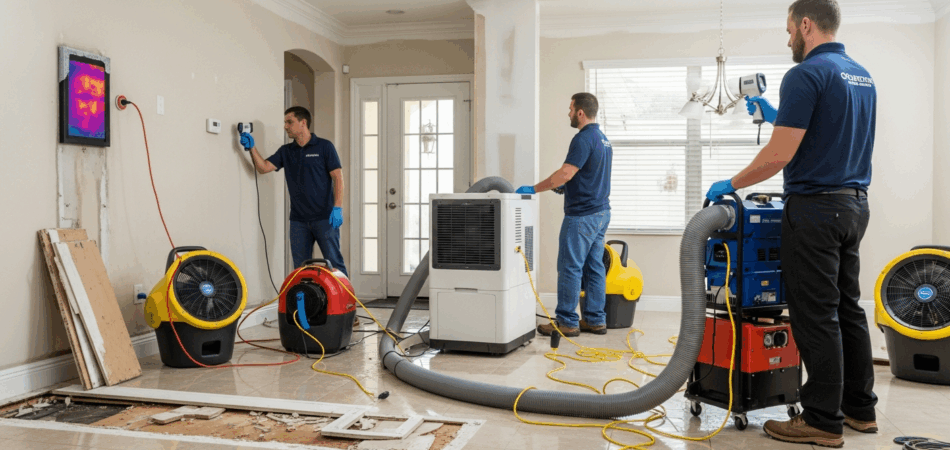
The key factor is time. The faster you begin the drying process, the more materials you can save. Professional restoration teams use moisture meters and thermal imaging cameras to identify hidden moisture that’s invisible to the naked eye.
Hidden Moisture: The Biggest Mold Risk Tampa Homeowners Miss
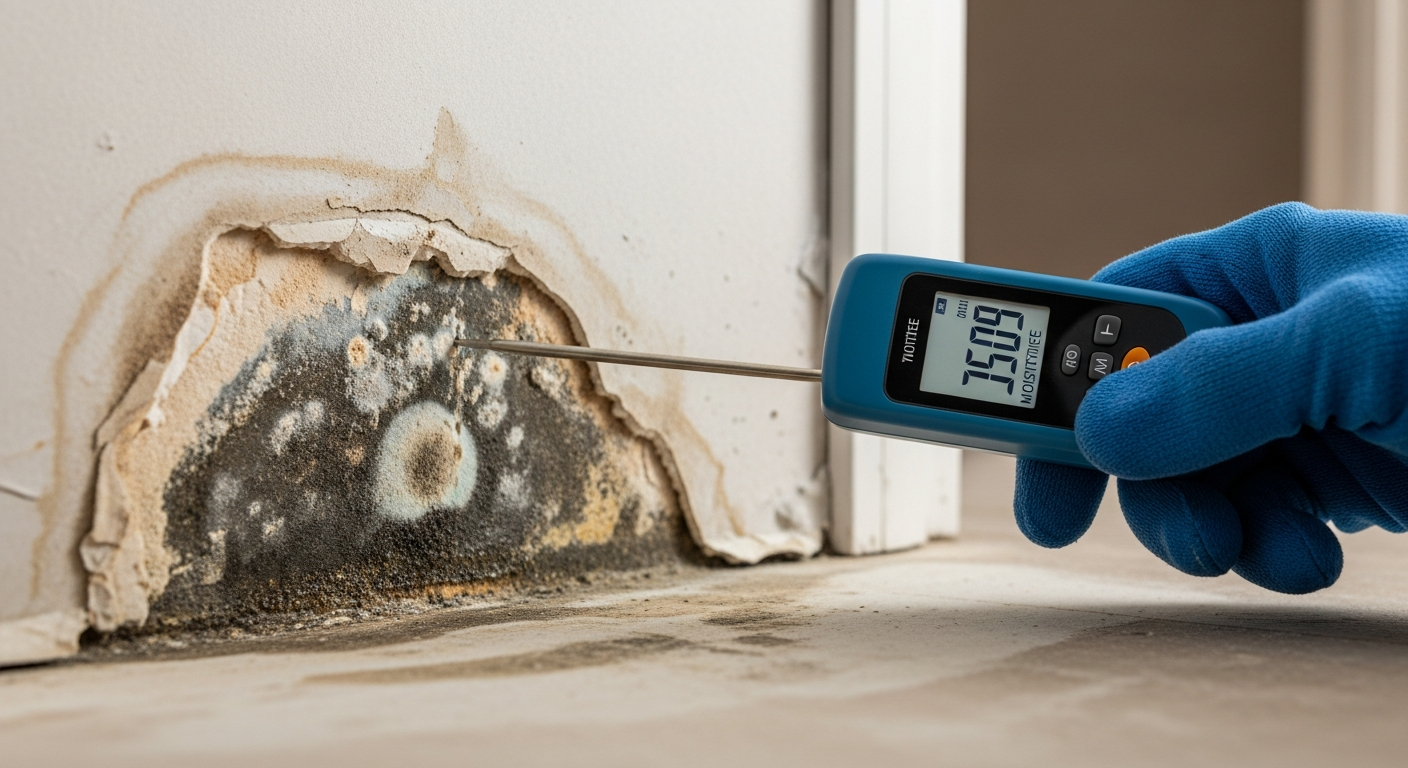
The water you can see is only part of the problem. Hidden moisture behind walls, under floors, and inside ceiling cavities is the most common cause of post-water-damage mold growth.
Where Hidden Moisture Hides
- Behind drywall: Water wicks up through drywall, sometimes 12 to 18 inches above the visible water line
- Under vinyl and laminate flooring: Water seeps underneath and gets trapped between the subfloor and the flooring material
- Inside wall cavities: Insulation holds moisture and prevents air circulation
- Around plumbing fixtures: Slow leaks around toilets, sinks, and tub connections often go unnoticed for weeks
- In HVAC ductwork: Condensation and water intrusion can create mold colonies inside your air ducts
How Professionals Detect Hidden Moisture
Professional water damage restoration companies like Drywizard use specialized equipment to find moisture you can’t see:
- Infrared thermal imaging cameras detect temperature differences caused by moisture behind walls
- Pin-type and pinless moisture meters measure moisture content in drywall, wood, and concrete
- Hygrometers monitor ambient humidity levels in each room
This is why professional leak detection matters. A restoration done without proper moisture mapping often leaves hidden pockets of dampness that lead to mold growth weeks or months later.
Dehumidification and Drying: Your Best Defense Against Mold
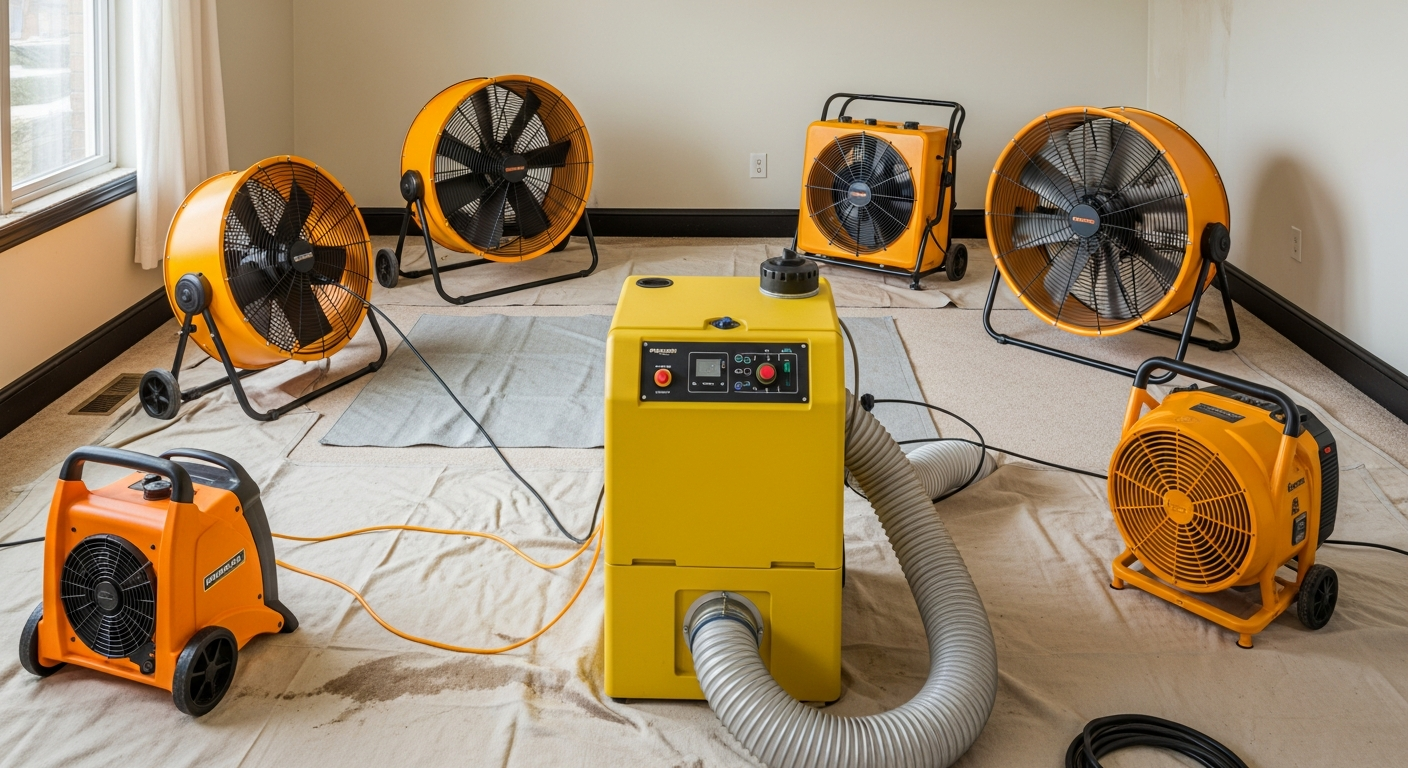
Proper drying is the single most effective mold prevention strategy. In Tampa’s climate, this almost always requires mechanical dehumidification rather than relying on natural air drying alone.
Professional Drying Standards
Restoration professionals follow IICRC S500 standards for water damage drying, which include:
- Moisture mapping to document all affected areas before drying begins
- Daily moisture readings at checkpoints throughout the structure
- Target moisture levels based on the type of material (wood, drywall, concrete)
- Complete drying verification before any reconstruction begins
What the Drying Process Looks Like
A professional drying setup for a Tampa home typically includes:
- Industrial dehumidifiers rated for large-volume moisture removal (far more powerful than consumer units)
- High-velocity air movers positioned to create airflow across wet surfaces
- Air scrubbers with HEPA filtration to capture airborne mold spores
- Daily monitoring with moisture readings to track drying progress
The drying process usually takes 3 to 5 days for moderate water damage, though Tampa’s humidity can extend this timeline. Cutting the process short is one of the most common mistakes homeowners make.
DIY Drying Limitations
Consumer-grade dehumidifiers and box fans can help with minor moisture issues, but they have significant limitations:
- Residential dehumidifiers remove 30 to 50 pints per day; industrial units remove 150+ pints per day
- Box fans move air but don’t create the directed airflow patterns needed for structural drying
- Without moisture meters, there’s no way to confirm when materials are truly dry
For anything beyond a small, contained spill, professional drying equipment is the most reliable way to prevent mold.
Cleaning and Disinfecting After Water Damage
Once the area is dry, cleaning and disinfecting prevents mold spores from colonizing any remaining surfaces.
Step-by-Step Cleaning Process
- Remove all debris from the affected area
- Scrub hard surfaces with warm water and a mild detergent to remove dirt and organic matter
- Apply an EPA-registered disinfectant or a solution of 1 cup bleach per gallon of water to non-porous surfaces
- Allow surfaces to air dry completely after disinfecting
- Apply anti-microbial treatments to wood framing, subfloors, and other structural materials
Important Safety Notes
- Never mix bleach with ammonia or other cleaners, as this creates toxic fumes
- Wear protective equipment: gloves, N95 mask, and eye protection
- Ventilate the area well during and after cleaning
- Do not use bleach on porous materials like drywall or wood; it can’t penetrate deep enough to kill mold roots
For Category 2 (gray water) or Category 3 (black water) damage from sewage or contaminated sources, professional cleanup is essential. These situations require specialized environmental cleanup procedures to ensure safety.
When to Call a Professional for Mold Prevention
While minor water spills can often be handled with a mop, fan, and dehumidifier, many water damage situations require professional help to prevent mold effectively.
Call a Professional When:
- Water damage covers more than 10 square feet (roughly a 3×3 area)
- Water has been standing for more than 24 hours
- The water source is contaminated (sewage, floodwater, or gray water)
- You can already see or smell mold
- Water has reached wall cavities, insulation, or subfloors
- Your home has elderly residents, children, or anyone with respiratory conditions
What a Professional Restoration Team Provides
When you call Drywizard for emergency water damage response, here’s what to expect:
- Rapid response: On-site within 45 minutes, 24/7
- Full inspection: Moisture mapping and damage assessment using thermal imaging
- Water extraction: Industrial-grade pumps and extractors
- Structural drying: Dehumidifiers, air movers, and daily monitoring
- Anti-microbial treatment: Preventive application to all affected structural materials
- Insurance coordination: Direct billing and documentation support
Professional restoration is an investment that often pays for itself by preventing the far more expensive problem of mold remediation, which can cost $10,000 or more for a significant infestation.
Long-Term Mold Prevention Tips for Tampa Homeowners
Preventing mold isn’t just about responding to water damage. It’s about creating conditions in your home that make mold growth difficult year-round.
Control Indoor Humidity
- Keep indoor humidity between 30% and 50% using your HVAC system and supplemental dehumidifiers
- Use exhaust fans in bathrooms and kitchens during and after use
- Make sure your dryer vents to the outside, not into a crawl space or attic
- Consider a whole-home dehumidifier for older Tampa homes that struggle with humidity control
Maintain Your Home’s Water Systems
- Inspect washing machine hoses, water heater connections, and supply lines annually
- Check under sinks and around toilets for slow leaks regularly
- Clean gutters and downspouts to prevent water from pooling near your foundation
- Ensure your home’s grading directs rainwater away from the structure
Prepare for Storm Season
Tampa’s hurricane season runs from June through November. Protect your home with a pre-disaster plan that includes:
- Knowing the location of your main water shutoff valve
- Having a battery-powered dehumidifier or generator ready
- Keeping emergency contact numbers for your restoration company and insurance provider
- Reviewing your homeowner’s insurance policy for water damage and mold coverage
Frequently Asked Questions
How quickly does mold grow after water damage?
Mold can begin growing within 24 to 48 hours after water damage in favorable conditions. In Tampa’s warm, humid climate, mold growth can start even faster, especially in enclosed spaces with poor ventilation. This is why professionals recommend beginning the drying process within the first 24 hours.
Does homeowners insurance cover mold from water damage?
Most standard homeowners insurance policies in Florida cover mold that results from a “sudden and accidental” water event, such as a burst pipe. However, mold from long-term neglect, maintenance failures, or flooding (which requires separate flood insurance) is typically not covered. Document everything and file your claim promptly.
Can I prevent mold by just running a dehumidifier?
A dehumidifier helps but is usually not sufficient on its own after significant water damage. You also need to remove standing water, extract moisture from materials like drywall and carpet, clean and disinfect surfaces, and ensure hidden moisture pockets are addressed. A dehumidifier is one part of a complete drying strategy.
What does mold smell like?
Mold produces a distinct musty, earthy odor that many people describe as similar to wet cardboard or damp socks. If you notice this smell after water damage, even if you can’t see mold, it’s a strong indicator that hidden mold growth has already begun. Contact a professional for inspection.
How much does professional mold prevention cost compared to mold remediation?
Professional water damage restoration and mold prevention typically costs between $1,000 and $5,000 depending on the scope of the damage. Mold remediation after an established infestation can cost $10,000 to $30,000 or more. Investing in proper prevention immediately after water damage is significantly more cost-effective.
Protect Your Tampa Home From Mold After Water Damage
Mold prevention after water damage comes down to speed, thoroughness, and the right equipment. In Tampa’s humid climate, every hour counts. Remove standing water immediately, start dehumidification, document everything for insurance, and don’t cut the drying process short.
If you’re dealing with water damage in your Tampa home and want to make sure mold doesn’t become your next problem, Drywizard Restoration & Drywall Inc. is here to help. Our IICRC-certified team responds 24/7 and can be on-site in 45 minutes or less.
Call (813) 684-4800 for a free estimate or visit our contact page to schedule an assessment.
Dehumidification and Drying: Your Best Defense Against Mold
Proper drying is the single most effective mold prevention strategy. In Tampa’s climate, this almost always requires mechanical dehumidification rather than relying on natural air drying alone.
Professional Drying Standards
Restoration professionals follow IICRC S500 standards for water damage drying, which include:
- Moisture mapping to document all affected areas before drying begins
- Daily moisture readings at checkpoints throughout the structure
- Target moisture levels based on the type of material (wood, drywall, concrete)
- Complete drying verification before any reconstruction begins
What the Drying Process Looks Like
A professional drying setup for a Tampa home typically includes:
- Industrial dehumidifiers rated for large-volume moisture removal (far more powerful than consumer units)
- High-velocity air movers positioned to create airflow across wet surfaces
- Air scrubbers with HEPA filtration to capture airborne mold spores
- Daily monitoring with moisture readings to track drying progress
The drying process usually takes 3 to 5 days for moderate water damage, though Tampa’s humidity can extend this timeline. Cutting the process short is one of the most common mistakes homeowners make.
DIY Drying Limitations
Consumer-grade dehumidifiers and box fans can help with minor moisture issues, but they have significant limitations:
- Residential dehumidifiers remove 30 to 50 pints per day; industrial units remove 150+ pints per day
- Box fans move air but don’t create the directed airflow patterns needed for structural drying
- Without moisture meters, there’s no way to confirm when materials are truly dry
For anything beyond a small, contained spill, professional drying equipment is the most reliable way to prevent mold.
Cleaning and Disinfecting After Water Damage
Once the area is dry, cleaning and disinfecting prevents mold spores from colonizing any remaining surfaces.
Step-by-Step Cleaning Process
- Remove all debris from the affected area
- Scrub hard surfaces with warm water and a mild detergent to remove dirt and organic matter
- Apply an EPA-registered disinfectant or a solution of 1 cup bleach per gallon of water to non-porous surfaces
- Allow surfaces to air dry completely after disinfecting
- Apply anti-microbial treatments to wood framing, subfloors, and other structural materials
Important Safety Notes
- Never mix bleach with ammonia or other cleaners, as this creates toxic fumes
- Wear protective equipment: gloves, N95 mask, and eye protection
- Ventilate the area well during and after cleaning
- Do not use bleach on porous materials like drywall or wood; it can’t penetrate deep enough to kill mold roots
For Category 2 (gray water) or Category 3 (black water) damage from sewage or contaminated sources, professional cleanup is essential. These situations require specialized environmental cleanup procedures to ensure safety.
When to Call a Professional for Mold Prevention
While minor water spills can often be handled with a mop, fan, and dehumidifier, many water damage situations require professional help to prevent mold effectively.
Call a Professional When:
- Water damage covers more than 10 square feet (roughly a 3×3 area)
- Water has been standing for more than 24 hours
- The water source is contaminated (sewage, floodwater, or gray water)
- You can already see or smell mold
- Water has reached wall cavities, insulation, or subfloors
- Your home has elderly residents, children, or anyone with respiratory conditions
What a Professional Restoration Team Provides
When you call Drywizard for emergency water damage response, here’s what to expect:
- Rapid response: On-site within 45 minutes, 24/7
- Full inspection: Moisture mapping and damage assessment using thermal imaging
- Water extraction: Industrial-grade pumps and extractors
- Structural drying: Dehumidifiers, air movers, and daily monitoring
- Anti-microbial treatment: Preventive application to all affected structural materials
- Insurance coordination: Direct billing and documentation support
Professional restoration is an investment that often pays for itself by preventing the far more expensive problem of mold remediation, which can cost $10,000 or more for a significant infestation.
Long-Term Mold Prevention Tips for Tampa Homeowners
Preventing mold isn’t just about responding to water damage. It’s about creating conditions in your home that make mold growth difficult year-round.
Control Indoor Humidity
- Keep indoor humidity between 30% and 50% using your HVAC system and supplemental dehumidifiers
- Use exhaust fans in bathrooms and kitchens during and after use
- Make sure your dryer vents to the outside, not into a crawl space or attic
- Consider a whole-home dehumidifier for older Tampa homes that struggle with humidity control
Maintain Your Home’s Water Systems
- Inspect washing machine hoses, water heater connections, and supply lines annually
- Check under sinks and around toilets for slow leaks regularly
- Clean gutters and downspouts to prevent water from pooling near your foundation
- Ensure your home’s grading directs rainwater away from the structure
Prepare for Storm Season
Tampa’s hurricane season runs from June through November. Protect your home with a pre-disaster plan that includes:
- Knowing the location of your main water shutoff valve
- Having a battery-powered dehumidifier or generator ready
- Keeping emergency contact numbers for your restoration company and insurance provider
- Reviewing your homeowner’s insurance policy for water damage and mold coverage
Frequently Asked Questions
How quickly does mold grow after water damage?
Mold can begin growing within 24 to 48 hours after water damage in favorable conditions. In Tampa’s warm, humid climate, mold growth can start even faster, especially in enclosed spaces with poor ventilation. This is why professionals recommend beginning the drying process within the first 24 hours.
Does homeowners insurance cover mold from water damage?
Most standard homeowners insurance policies in Florida cover mold that results from a “sudden and accidental” water event, such as a burst pipe. However, mold from long-term neglect, maintenance failures, or flooding (which requires separate flood insurance) is typically not covered. Document everything and file your claim promptly.
Can I prevent mold by just running a dehumidifier?
A dehumidifier helps but is usually not sufficient on its own after significant water damage. You also need to remove standing water, extract moisture from materials like drywall and carpet, clean and disinfect surfaces, and ensure hidden moisture pockets are addressed. A dehumidifier is one part of a complete drying strategy.
What does mold smell like?
Mold produces a distinct musty, earthy odor that many people describe as similar to wet cardboard or damp socks. If you notice this smell after water damage, even if you can’t see mold, it’s a strong indicator that hidden mold growth has already begun. Contact a professional for inspection.
How much does professional mold prevention cost compared to mold remediation?
Professional water damage restoration and mold prevention typically costs between $1,000 and $5,000 depending on the scope of the damage. Mold remediation after an established infestation can cost $10,000 to $30,000 or more. Investing in proper prevention immediately after water damage is significantly more cost-effective.
Protect Your Tampa Home From Mold After Water Damage
Mold prevention after water damage comes down to speed, thoroughness, and the right equipment. In Tampa’s humid climate, every hour counts. Remove standing water immediately, start dehumidification, document everything for insurance, and don’t cut the drying process short.
If you’re dealing with water damage in your Tampa home and want to make sure mold doesn’t become your next problem, Drywizard Restoration & Drywall Inc. is here to help. Our IICRC-certified team responds 24/7 and can be on-site in 45 minutes or less.
Call (813) 684-4800 for a free estimate or visit our contact page to schedule an assessment.