

Water damage can strike without warning, and dealing with the aftermath is stressful enough without the added confusion of navigating your insurance claim. For Florida homeowners, the claims process carries unique challenges, from strict filing deadlines to specific coverage exclusions that differ from other states.
Filing your water damage insurance claim correctly from the start can mean the difference between a fully covered restoration and a denied claim that leaves you paying out of pocket. This guide walks you through every step of the process, from the moment you discover the damage to receiving your final payout.
What Florida Homeowners Insurance Typically Covers (and What It Doesn’t)
Before filing a claim, it helps to understand what your policy likely covers. Florida homeowners insurance policies generally cover sudden and accidental water damage that originates inside your home. This includes:
- Burst or broken pipes that release water suddenly
- Appliance malfunctions (washing machines, dishwashers, water heaters)
- Accidental overflows from toilets, sinks, or bathtubs
- Storm damage that causes roof leaks allowing rainwater inside
- Firefighting water damage from extinguishing efforts
However, most Florida policies do not cover:
- Gradual leaks or slow seepage that develops over time
- Deferred maintenance issues (neglected plumbing, worn-out appliances)
- Flood damage from rising water, storm surge, or overflowing rivers (requires a separate flood insurance policy through NFIP or a private carrier)
- Sewer or drain backups unless you have a specific endorsement
- Mold damage that results from a homeowner’s failure to mitigate
The key distinction Florida insurers look at is whether the damage was sudden and accidental versus gradual and preventable. Review your specific policy declarations page before a loss occurs so you know your coverage limits, deductibles, and any endorsements you carry.
Step 1: Stop the Water Source and Protect Your Property
The moment you discover water damage, your first priority is stopping the source. Shut off the main water supply valve to your home if the damage is from a plumbing issue. If you cannot locate or stop the source safely, call a 24/7 emergency water damage service immediately.
Your insurance policy requires you to take reasonable steps to prevent further damage. This is a critical legal obligation in Florida. Failing to mitigate can give the insurer grounds to reduce or deny your claim. Reasonable mitigation steps include:
- Turning off the water supply at the main shutoff valve
- Moving furniture and valuables away from the affected area
- Placing towels or containers to catch active drips
- Turning off electricity to affected areas if water is near outlets or wiring
Do not wait for the insurance adjuster to arrive before taking action. Professional mitigation and the claims process happen simultaneously, not sequentially. Learn more about steps to take immediately after water damage occurs.
Step 2: Document Everything Before Cleanup Begins
Documentation is the backbone of a successful water damage claim. Before any cleanup or restoration work starts, create a thorough record of the damage:
Photos and Videos
- Photograph every affected room from multiple angles, including wide shots and close-ups
- Capture the source of the water if visible (burst pipe, appliance leak, roof penetration)
- Document damaged belongings individually, especially high-value items
- Record video walkthroughs narrating what you see and when you discovered it
Written Records
- Note the date and time you first discovered the damage
- Write down what happened leading up to discovery (were you home? was the damage sudden?)
- List all damaged items with descriptions, approximate age, and estimated replacement cost
- Save all receipts for emergency purchases (fans, dehumidifiers, temporary repairs)
Professional Documentation
A certified restoration company will generate detailed documentation that supports your claim, including moisture readings, drying logs, and photographic progress reports. Working with an insurance restoration specialist who understands the claims process can significantly strengthen your filing.
Step 3: Notify Your Insurance Company Promptly
Florida law generally bars new or reopened property insurance claims unless notice is given within one year of the date of loss. Supplemental claims for additional damage discovered later require notice within 18 months of the date of loss. These are hard deadlines.
However, waiting anywhere close to those limits is a mistake. Best practice is to notify your insurer within 24 to 48 hours of discovering the damage. Prompt reporting:
- Starts the insurer’s 60-day clock to pay or deny your claim (per Florida statute)
- Demonstrates you are acting in good faith
- Prevents the insurer from arguing the damage worsened due to delayed reporting
- Gets the adjuster scheduling process started sooner
What to Have Ready When You Call
- Your policy number and policyholder name
- The date and time you discovered the damage
- A brief description of what happened and the extent of the damage
- The address of the damaged property
- Contact information for your restoration company, if you have already engaged one
Write down the claim number the insurer assigns, the name of the representative you spoke with, and the date and time of the call. Keep this record with all your claim documents.
Step 4: Meet with the Insurance Adjuster
After you file your claim, the insurance company will send an adjuster to inspect the damage. In Florida, the insurer has 60 days from receiving notice to pay or deny your claim. The adjuster visit typically happens within the first one to two weeks.
Before the Adjuster Arrives
- Ensure all your documentation (photos, videos, inventory lists) is organized and accessible
- Do not discard damaged materials before the adjuster has inspected them (unless they pose a health hazard)
- Have your restoration company’s preliminary assessment or scope of work ready if available
During the Inspection
- Walk the adjuster through every affected area and point out damage they might miss (behind walls, under flooring, in attic spaces)
- Show your documentation, including the timeline of events and photos from when the damage was first discovered
- Ask questions about anything you do not understand in their assessment
- Take notes on what the adjuster says and does during the inspection
After the Inspection
The adjuster will prepare an estimate of the damage. Review it carefully. If it seems low or does not account for all the damage, you have the right to dispute it. A detailed scope of work from your restoration company can serve as supporting evidence if the estimate needs to be supplemented.
Step 5: Work with a Professional Restoration Company
Engaging a professional water damage restoration company early in the process provides several advantages for your claim:
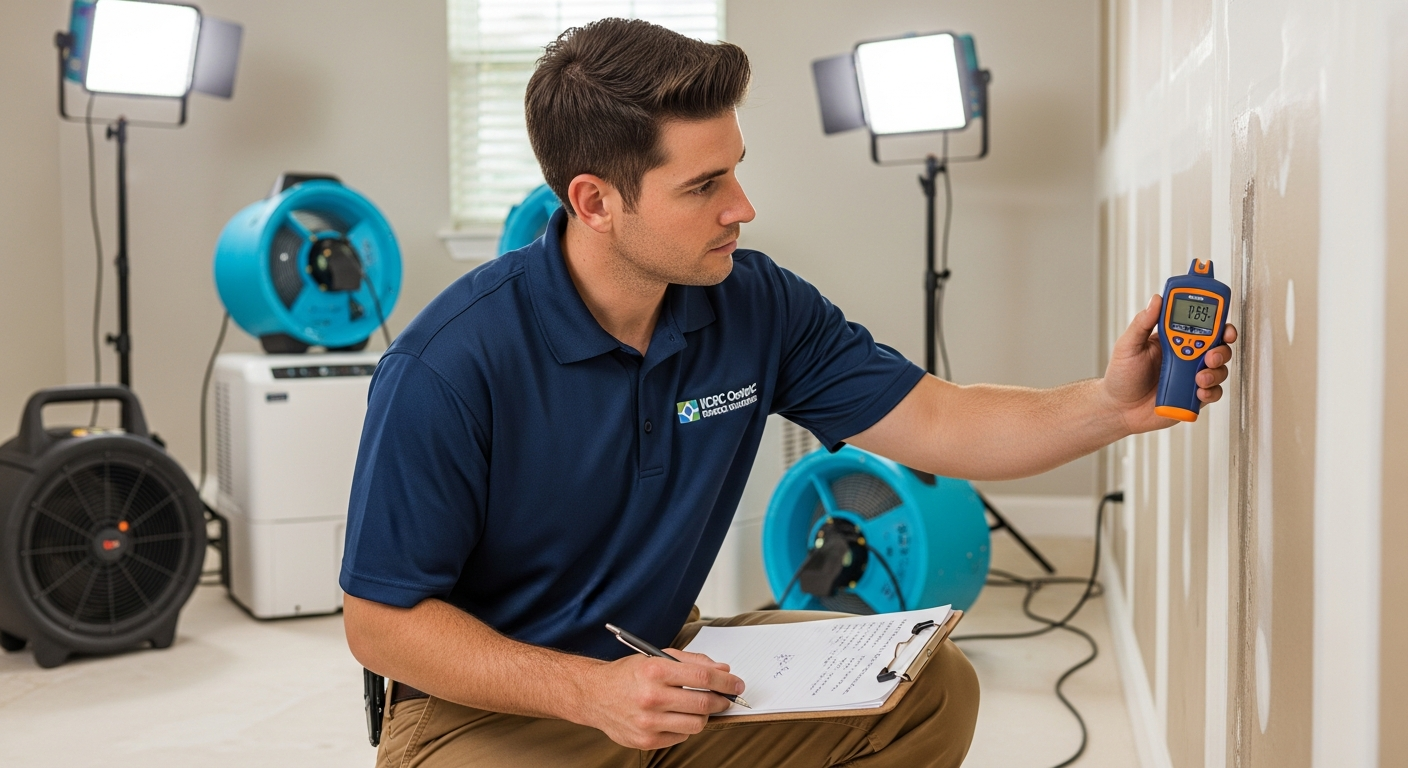
- Accurate damage assessment using moisture meters, thermal imaging, and industry-standard testing
- Detailed documentation that aligns with what insurance companies expect, including IICRC-standard drying logs
- Direct insurance billing so you do not have to manage payments between your insurer and contractors
- Proper mitigation that satisfies your policy’s requirement to prevent further damage
At Drywizard Restoration, we work directly with insurance companies throughout the Tampa Bay area. Our IICRC-certified team documents every step of the mitigation and restoration process, providing your adjuster with the professional-grade records that support full claim approval. We arrive on site in 45 minutes or less for emergency water damage situations.
Step 6: Review and Negotiate the Settlement
Once the adjuster submits their report, your insurer will issue a settlement offer. This is not always the final word. Common scenarios include:
The Offer Matches the Damage
If the settlement covers the full scope of restoration, sign the agreement and proceed with repairs. Your restoration company should confirm the settlement amount aligns with the actual scope of work.
The Offer Is Too Low
If the offer does not cover the full extent of the damage:
- Request a detailed breakdown of the adjuster’s estimate
- Provide your restoration company’s scope of work and cost estimate as a counter
- Submit supplemental documentation for any damage the adjuster may have missed
- Consider hiring a public adjuster who works on your behalf (they typically charge 10-20% of the settlement)
The Claim Is Denied
If your claim is denied:
- Request the denial in writing with a specific explanation
- Review your policy language carefully against the stated reason
- File a formal appeal with additional documentation
- Contact the Florida Department of Financial Services if you believe the denial is unjustified
- Consult with a property insurance attorney if the amount warrants legal representation
Common Reasons Water Damage Claims Get Denied in Florida
Understanding why claims get denied can help you avoid these pitfalls:
- Gradual or maintenance-related damage — The insurer determines the damage was not sudden but developed over time due to neglected maintenance
- Late reporting — Filing the claim outside the statutory notice period
- Insufficient documentation — Lack of photos, videos, or professional damage assessments
- Failure to mitigate — Not taking reasonable steps to prevent further damage after the initial event
- Policy exclusions — The type of water damage falls under a specific exclusion (flooding, sewer backup without endorsement)
- Misrepresentation — Inaccurate information on the claim application
The single most effective thing you can do to prevent a denial is document thoroughly and report promptly. Professional restoration companies that work with insurers regularly can help ensure your documentation meets the standard adjusters expect.
Frequently Asked Questions
How long do I have to file a water damage claim in Florida?
Florida law generally requires that you notify your insurer within one year of the date of loss. Supplemental claims for additional damage discovered later must be filed within 18 months. However, you should report damage within 24 to 48 hours for the best outcome.
Does homeowners insurance cover water damage from a leaking roof?
If the roof leak is caused by a sudden, covered peril (such as storm damage), the resulting water damage is typically covered. If the roof leak is due to age, wear, or deferred maintenance, the claim will likely be denied.
Should I start cleanup before the insurance adjuster arrives?
Yes. Your policy requires you to mitigate further damage. Begin professional water extraction and drying immediately. Document everything thoroughly before and during cleanup so the adjuster can still assess the full scope of the original damage.
Can my insurance company deny a water damage claim?
Yes. Common denial reasons include gradual damage, late reporting, insufficient documentation, and policy exclusions. You have the right to appeal a denial and can hire a public adjuster or attorney if needed.
How much does water damage restoration cost in Florida?
Costs vary widely based on the extent of damage, category of water, and affected materials. Minor water damage cleanup may start around $1,000 to $3,000, while major restoration involving structural drying, demolition, and drywall replacement can exceed $10,000 to $30,000. Your insurance coverage will determine your out-of-pocket expense.
Does Drywizard work with my insurance company?
Yes. Drywizard Restoration bills insurance companies directly throughout the Tampa Bay area. Our team handles the documentation and communication that your insurer requires, taking that burden off your shoulders while ensuring the claim is properly supported.
Take Action Now to Protect Your Claim
Time is the most critical factor in a successful water damage insurance claim. The longer water sits in your home, the more damage it causes and the harder it becomes to prove the loss was sudden and accidental.
If you are dealing with water damage in the Tampa Bay area, call Drywizard Restoration at (813) 684-4800 for 24/7 emergency response. We arrive on site in 45 minutes or less, begin professional mitigation immediately, and provide the insurance-grade documentation that keeps your claim on track.
Contact us for a free estimate and let our IICRC-certified team handle both the restoration and the insurance paperwork.