
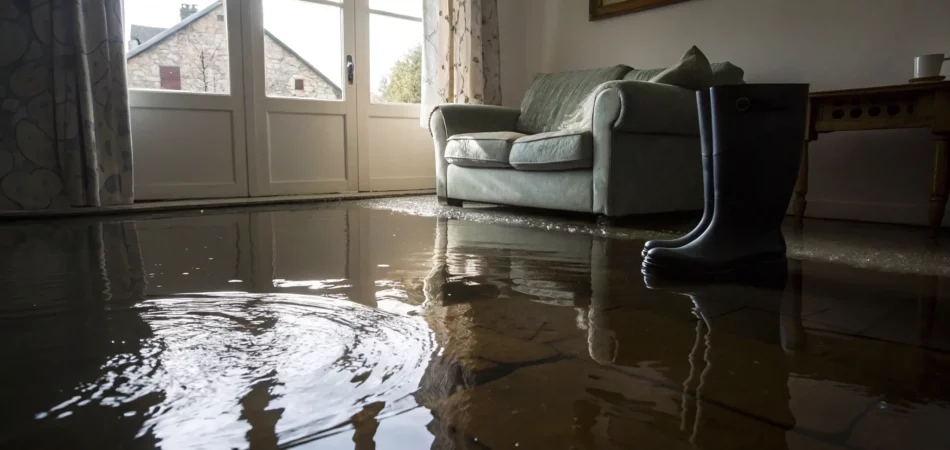
Every minute counts when water invades your Tampa home. Within 24 hours, standing water can warp hardwood floors, saturate drywall beyond repair, and create the warm, humid conditions that mold spores need to colonize an entire room. Yet most homeowners freeze up, unsure whether to grab a mop or call their insurance agent first.
For a detailed walkthrough on stopping mold before it starts, read our guide on mold prevention after water damage. Understanding the factors that affect mold growth can also help you prioritize your response.
This hour-by-hour guide walks you through exactly what to do after water damage, from the moment you discover the problem through the critical first full day. Following this timeline can mean the difference between a manageable restoration project and a six-figure rebuild.
Key Takeaways
- The first 60 minutes determine your outcome. Shutting off the water source, cutting power to affected areas, and calling a 24/7 restoration team immediately limits damage and keeps repair costs down.
- Documentation before cleanup protects your claim. Take photos and video of every affected area before you touch anything. Florida homeowners have one year to file a property insurance claim notice, but early documentation strengthens your case.
- Professional water extraction within 2-4 hours prevents mold. Household tools remove surface water, but industrial equipment pulls moisture from inside walls, subfloors, and insulation where mold starts growing in as little as 24 hours.
Hours 0-1: Stop the Damage and Protect Your Family
The moment you discover water in your home, your priorities are safety and containment, in that order. Do not wade into standing water until you have confirmed the electricity is off in the affected area.
Ensure Everyone’s Safety
If water is near electrical outlets, appliances, or your breaker panel, do not enter the room. Water conducts electricity, and even a few inches of standing water near a live outlet can deliver a fatal shock. Get everyone, including pets, out of the affected area immediately.
If you can safely reach your electrical panel without stepping through water, shut off the breakers for the affected zones. If you cannot reach the panel safely, leave the house and call your utility company.
Shut Off the Water Source
Locate and turn off the source of the water. For a burst pipe, shut off your home’s main water valve. For an appliance leak, close the supply valves behind the unit. If the water is coming from outside due to storm flooding or a sewer backup, there may be nothing you can do to stop it, which makes calling a professional restoration team even more urgent.
Call a 24/7 Restoration Company
Time is your most valuable resource right now. A certified water damage restoration team can have crews on-site in under an hour with industrial-grade extraction equipment, moisture meters, and structural drying systems. In Tampa’s subtropical climate, where average humidity sits above 70%, the window before mold begins growing is even shorter than in drier regions.
When choosing a restoration company, verify three things before they arrive:
- IICRC certification (the industry standard for water damage restoration training)
- 24/7 emergency availability with a guaranteed response time
- Direct insurance billing so you are not paying out of pocket during a crisis
Hours 1-4: Document Everything and Begin Water Removal
Once the immediate danger has passed and help is on the way, shift your focus to documentation and initial water removal. These steps protect both your property and your insurance claim.
Photograph and Video Every Affected Area
Before you move furniture, pull up carpet, or mop a single drop of water, document the damage thoroughly. Use your phone to take clear photos and video of:
- Standing water levels (place a ruler or tape measure for scale)
- Damaged walls, ceilings, and flooring
- Affected furniture, electronics, and personal items
- The source of the water if visible
- Any pre-existing damage you want to distinguish from the new event
This documentation is critical for your insurance claim. Your adjuster was not there when the damage happened, so your photos and video become the primary evidence of the initial scope.
Start Removing Standing Water
While you wait for the professional crew, you can begin removing water with whatever tools you have available. A wet/dry vacuum, buckets, mops, and towels all help reduce the volume of standing water. Focus on the areas with the most accumulation first.
However, understand the limits of household tools. A standard shop vacuum removes surface water, but it cannot extract moisture that has already soaked into carpet padding, drywall, or subflooring. That hidden moisture is where the real damage occurs, and it requires professional extraction equipment to address properly.
Move Valuables to Dry Ground
If you can do so safely, relocate important items out of the affected area:
- Electronics and electrical equipment
- Photographs, documents, and irreplaceable personal items
- Furniture legs (place aluminum foil or plastic under legs still on wet carpet to prevent staining)
- Clothing and linens
Do not attempt to operate any electronics that have come into contact with water. Even if they appear dry on the surface, internal moisture can cause short circuits and permanent damage.
Hours 4-8: Professional Assessment and Extraction Begin
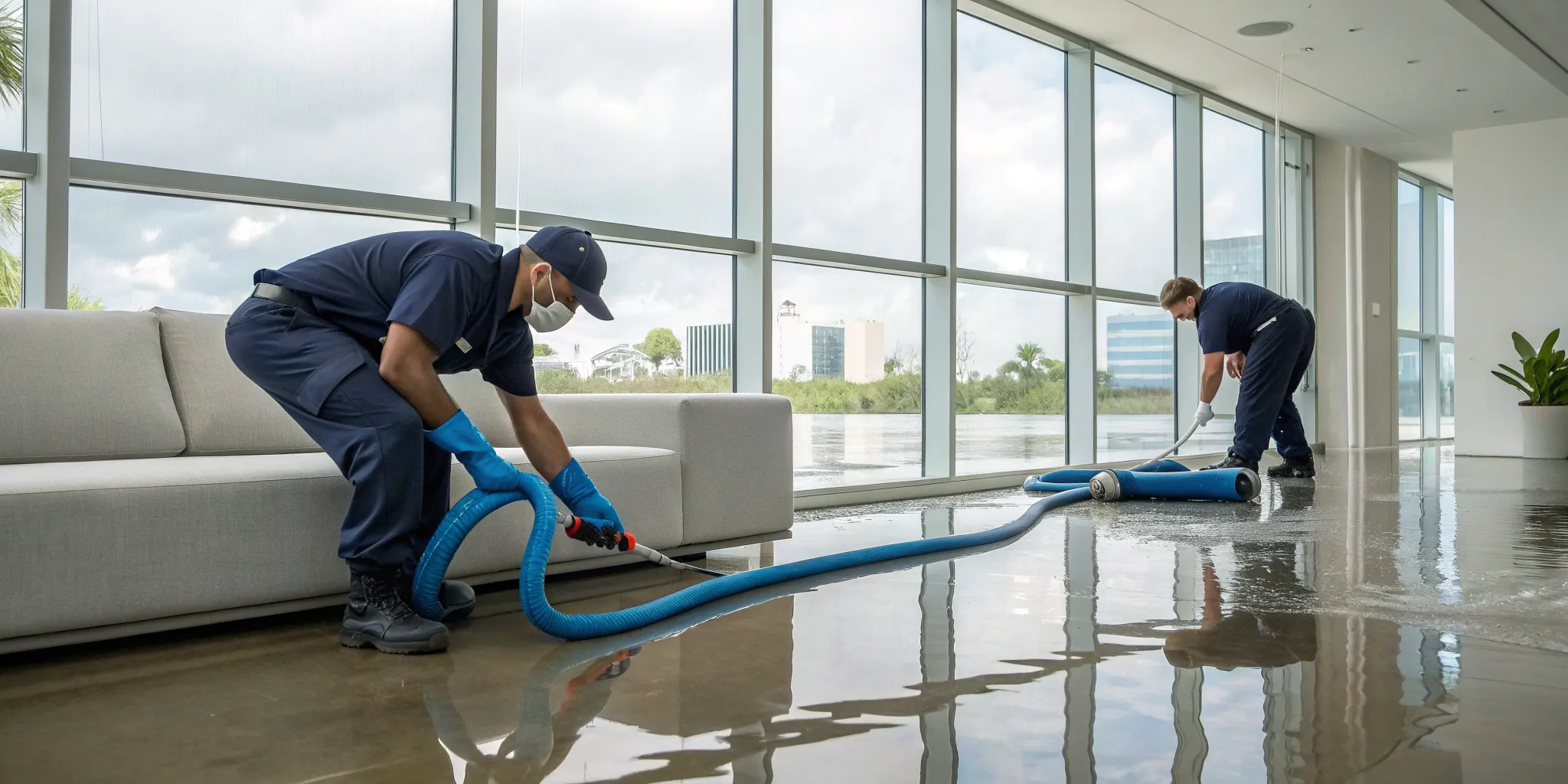
This is when a professional restoration team transforms the situation from crisis management to systematic recovery. Here is what happens when a certified crew arrives at your Tampa home.
Moisture Mapping and Damage Assessment
Using infrared cameras, penetrating moisture meters, and hygrometers, the restoration team maps every area where moisture has penetrated. This step often reveals damage that is invisible to the naked eye. Water travels along framing members, wicks up drywall through capillary action, and pools in insulation cavities above ceilings.
The assessment determines the category and class of water damage, which dictates the restoration approach:
- Category 1 (Clean water): Broken supply lines, faucets, or appliance malfunctions
- Category 2 (Gray water): Dishwasher or washing machine overflow, toilet overflow with urine
- Category 3 (Black water): Sewage backups, storm flooding, toilet overflow with feces
Industrial Water Extraction
Professional truck-mounted extractors and submersible pumps can remove hundreds of gallons per hour, far beyond what any household tool can handle. The team extracts water from:
- Carpet and carpet padding (often removed for separate drying or disposal)
- Hardwood and laminate flooring
- Wall cavities (through small extraction ports)
- Concrete slabs (using weighted extraction tools)
In Tampa’s heat, standing water also becomes a biological hazard quickly. Warm water breeds bacteria, and the organic materials in most homes, like wood, paper, and fabric, provide an ideal food source. Professional extraction stops this process before it accelerates.
Hours 8-16: Structural Drying and Dehumidification
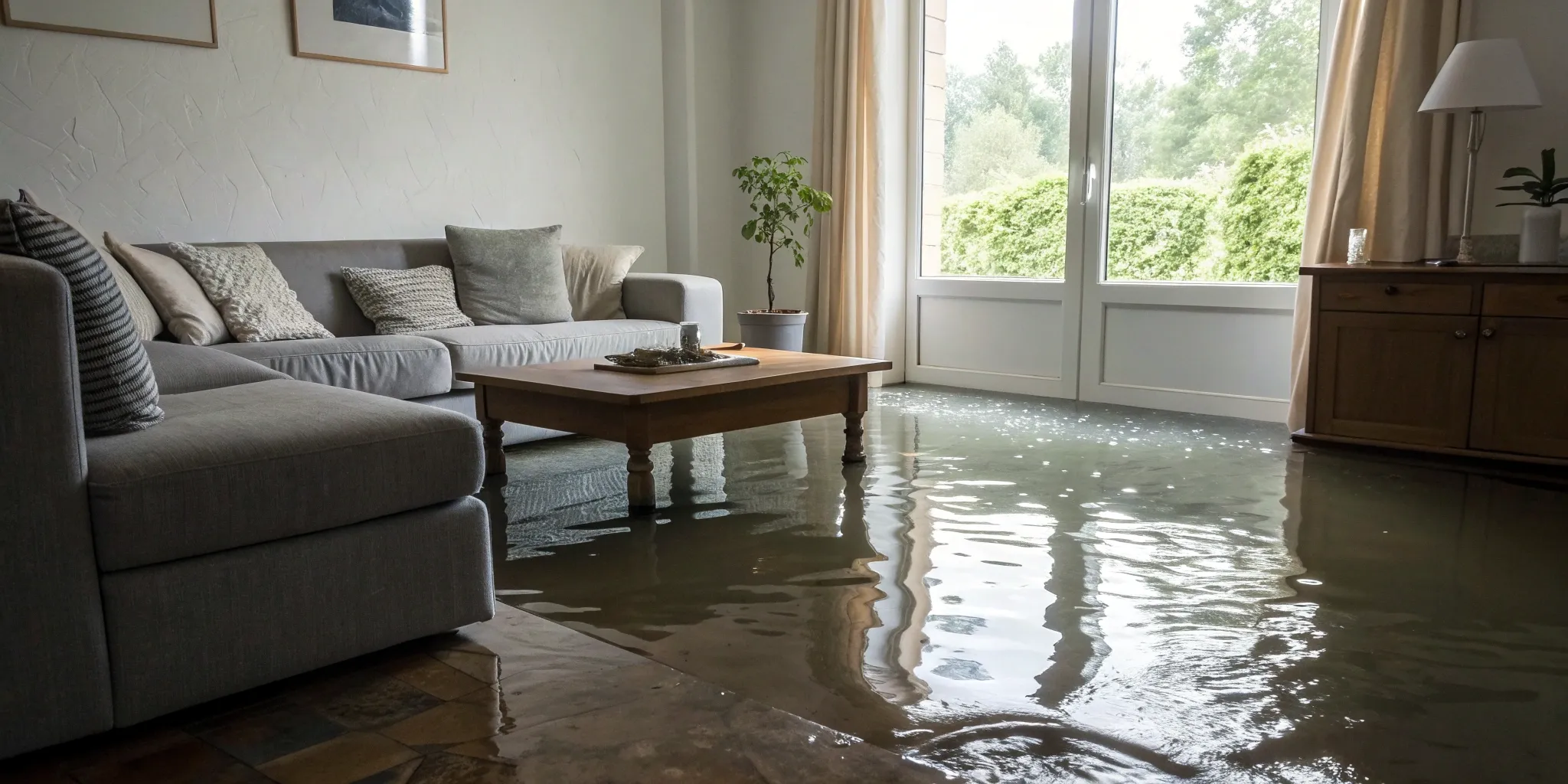
With the bulk water removed, the focus shifts to the moisture trapped inside your home’s structure. This phase is where professional equipment makes the greatest difference.
Industrial Air Movers and Dehumidifiers
The restoration team places high-velocity air movers to create airflow patterns that pull moisture out of wet materials. Commercial dehumidifiers, which can remove 30 or more gallons of water from the air per day, capture that moisture before it can resettle on other surfaces.
In a typical Tampa home, a water damage affecting two to three rooms may require 8 to 12 air movers and 2 to 4 commercial dehumidifiers running simultaneously. The team calibrates equipment placement based on the moisture map, targeting the wettest areas first while maintaining airflow throughout the drying zone.
Antimicrobial Treatment
Depending on the water category and the materials affected, the team may apply antimicrobial agents to prevent bacterial growth and mold colonization during the drying process. This step is especially important in Tampa, where outdoor mold spore counts remain high year-round due to the subtropical climate.
Monitoring and Adjustment
Drying is not a set-it-and-forget-it process. The restoration team monitors moisture levels at least once daily, often more frequently in the first 24 hours. They use moisture meters to track the drying curve of each affected material and adjust equipment placement as conditions change.
If a wall section is not drying at the expected rate, it may indicate trapped water behind an obstruction or a material that needs to be removed. This data-driven approach prevents the most common restoration mistake: declaring a structure dry before all moisture has been eliminated.
Hours 16-24: Insurance Coordination and Next Steps
By hour 16, the emergency phase transitions into the managed restoration phase. Your property is stabilized, equipment is running, and the immediate threat of secondary damage has been addressed.
File Your Insurance Claim
If you have not already contacted your insurance company, do so now. Provide them with:
- Your policy number and contact information
- The date and time the damage was discovered
- The suspected cause of the water damage
- A summary of the affected areas and the documentation you captured
- The name and contact information of the restoration company on-site
A reputable restoration company will work directly with your insurance adjuster, providing detailed moisture readings, photographic documentation, and scope-of-work estimates. Direct insurance billing eliminates the burden of upfront payments during an already stressful situation.
Understand the Restoration Timeline
The drying phase for a typical Tampa water damage event takes 3 to 5 days, depending on the extent of damage, the materials involved, and ambient conditions. After drying is verified through moisture readings that meet IICRC S500 standards, complete restoration begins.
Restoration may include:
- Drywall replacement and finishing
- Flooring repair or replacement
- Painting and trim work
- Cabinet and fixture reinstallation
- Final sanitization and air quality testing
The entire process from water event to move-back-in can range from one week for minor damage to several months for extensive events affecting multiple rooms or levels.
Tampa-Specific Risks Every Homeowner Should Know
Living in the Tampa Bay area means dealing with water damage risks that homeowners in other regions rarely face.
Hurricane and Storm Season
From June through November, Tampa sits in the path of tropical storms and hurricanes that can drive water into homes through roof damage, window failures, and rising floodwater. The 2024 hurricane season, which included Hurricanes Helene and Milton, generated over 96,000 insurance claims across the Tampa Bay region. Having a pre-disaster plan in place before storm season means faster response when the unexpected happens.
Year-Round Humidity and Mold Risk
Tampa’s average relative humidity stays above 70% for most of the year. This means that even minor water intrusion events can lead to mold growth faster than in drier climates. The 24-hour window that restoration professionals reference as the mold growth threshold is a best-case scenario. In Tampa’s summer months, mold can begin colonizing damp materials in as few as 12 hours.
Aging Plumbing Infrastructure
Many Tampa-area homes, especially in established neighborhoods like Valrico, Brandon, and Riverview, have plumbing systems that are 20 to 40 years old. Copper pipes corrode, PVC joints weaken, and supply lines to appliances degrade over time. Regular plumbing inspection and preventive maintenance is one of the most cost-effective ways to avoid a water damage emergency.
Frequently Asked Questions
How quickly can mold start growing after water damage?
Mold spores can begin colonizing damp surfaces in as little as 24 to 48 hours under ideal conditions. In Tampa’s warm, humid climate, this timeline can be even shorter, sometimes as few as 12 hours during summer months. Professional water extraction and structural drying within the first few hours is the most effective way to prevent mold growth.
Should I start cleaning up water damage myself or wait for professionals?
Start with safety actions immediately: shut off water and electricity, then document the damage with photos and video. You can begin removing standing water with a wet/dry vacuum or towels while waiting for professionals, but avoid disturbing walls or flooring. Professional equipment is required to remove the hidden moisture inside walls, subfloors, and insulation that causes the most long-term damage.
Does homeowners insurance cover water damage restoration in Florida?
Most Florida homeowners policies cover sudden and accidental water damage, such as a burst pipe or appliance malfunction. However, damage from gradual leaks, poor maintenance, or flooding typically requires separate flood insurance. Contact your insurance company as soon as possible after discovering damage, and document everything before cleanup begins.
How long does the water damage restoration process take?
The active drying phase typically takes 3 to 5 days, monitored daily with professional moisture meters. Complete restoration, including drywall replacement, flooring repair, and finishing work, can take one week to several months depending on the severity of the damage.
What is the difference between water mitigation and water restoration?
Water mitigation refers to the emergency phase: stopping the water source, extracting standing water, and setting up drying equipment to prevent further damage. Water restoration is the rebuilding phase: replacing damaged drywall, flooring, and other materials to return your home to its pre-damage condition. Both are typically covered under a single insurance claim.
Caleb Suszko is the owner of Drywizard Restoration and Drywall Inc., an IICRC-certified restoration company serving Tampa Bay homeowners since 2007. With over 14 years of restoration experience and a commitment to 24/7 emergency response, Caleb and his team have helped thousands of Tampa-area families recover from water damage emergencies.
Water Damage Restoration Across Tampa Bay
Drywizard Restoration & Drywall Inc. proudly serves homeowners and businesses throughout the Tampa Bay metro area. No matter where you are in the region, our IICRC-certified team can be on-site in 45 minutes or less. We provide 24/7 emergency water damage restoration in these communities:
- Water Damage Restoration in Valrico, FL
- Water Damage Restoration in Brandon, FL
- Water Damage Restoration in Riverview, FL
- Water Damage Restoration in Sun City Center, FL
- Water Damage Restoration in Citrus Park, FL
- Water Damage Restoration in Temple Terrace, FL
- Water Damage Restoration in Apollo Beach, FL
- Water Damage Restoration in Plant City, FL
- Water Damage Restoration in Lutz, FL
- Water Damage Restoration in Seffner, FL
Need immediate help? Call (813) 684-4800 for 24/7 emergency service anywhere in the Tampa Bay area.