
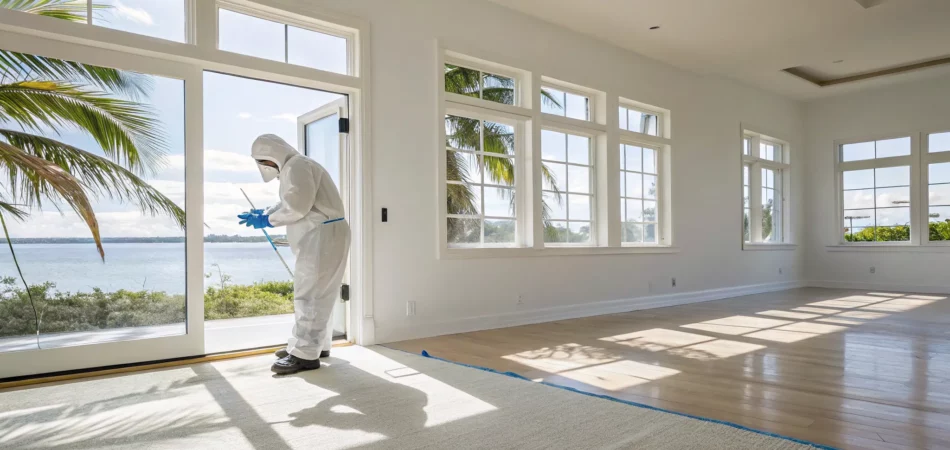
That lingering musty odor you can’t quite place or the allergy symptoms that seem to flare up only at home could be pointing to an unwelcome guest. Mold often thrives out of sight, growing behind walls or under floors, silently impacting your home’s air quality and your family’s health. For anyone with asthma or respiratory sensitivities, this hidden issue can be especially concerning. Before you reach for a bottle of bleach, it’s critical to understand the risks and the right way to handle the problem. We’ll cover the entire process of professional mold removal Florida homeowners should know about, from safe containment to permanent solutions.
Key Takeaways
- True mold removal addresses both the growth and its water source: Simply cleaning the visible mold isn’t enough for a permanent fix. A professional finds and repairs the underlying moisture issue, such as a hidden leak or high humidity, to prevent the mold from returning.
- DIY scrubbing often spreads the problem: Without proper containment, scrubbing mold can release millions of spores into the air, contaminating other areas of your home. Professionals use containment zones and air filtration to safely remove mold and protect your air quality.
- Always vet your mold removal company: Protect your home by hiring a qualified team. Before you commit, confirm the company has the proper state licenses, carries sufficient liability insurance, and has a strong history of positive customer reviews.
What is Professional Mold Removal?
When you discover mold in your home, your first instinct might be to grab a bottle of bleach and start scrubbing. But true professional mold removal, often called remediation, is much more than a surface-level cleaning. It’s a comprehensive process designed to find the source of the mold, contain it, remove it safely, and prevent it from returning. Think of it this way: simply wiping away visible mold is like mowing over a weed. You’ve handled the part you can see, but the root system is still there, ready to grow back.
A professional service addresses the entire problem. Experts use specialized equipment to identify the moisture source that’s feeding the mold, which is the most critical step. From there, they establish containment to stop spores from spreading to other areas of your home during removal. The process involves removing contaminated materials, cleaning and sanitizing the area, and ensuring everything is completely dry. Engaging a professional environmental cleanup team ensures the job is done right, protecting both your property and your family’s health from a problem that can quickly get out of hand.
Why Florida is a Hotspot for Mold
If it feels like mold is a constant battle in Florida, you’re not wrong. Our state’s signature warmth and humidity create the perfect environment for mold to thrive. Mold spores are a natural part of our ecosystem and are always present in the air. They’re generally harmless until they find a damp surface to land on, and then they can begin to grow and multiply within 24 to 48 hours.
In Florida, high humidity means there’s almost always enough moisture in the air to support mold growth. Add in a common issue like a leaky roof after a storm, a pipe with a slow drip, or condensation from your AC unit, and you have a recipe for an infestation. This is why prompt and thorough water damage restoration is so crucial for local homeowners.
The Health Dangers of Mold
Beyond the unsightly appearance and musty smell, mold can pose significant health risks. When mold grows, it releases spores into the air that you and your family can inhale. For many people, this can trigger allergic reactions with symptoms like sneezing, a runny nose, itchy eyes, and skin rashes. For individuals with asthma or other respiratory conditions, mold exposure can lead to more severe reactions, including difficulty breathing and asthma attacks.
Some types of mold can also produce mycotoxins, which can cause more serious health issues with prolonged exposure. You don’t have to identify the type of mold yourself to take action. If you or your family members are experiencing persistent, unexplained allergy-like symptoms, it’s worth considering if mold is the culprit. Protecting your family’s health is the most important reason to contact us at the first sign of trouble.
Signs You Have a Mold Problem
Sometimes mold is obvious, but it often grows in hidden places like behind walls, under flooring, or in attics. You have to be a bit of a detective and use all your senses. If you’re wondering whether you have a mold issue, here are some of the most common signs to look for:
- A musty odor. Often described as smelling earthy or damp, this distinct smell is one of the most reliable indicators of mold growth, even if you can’t see it.
- Visible growth. Mold can appear in various colors, including black, green, white, or orange, and may look fuzzy, slimy, or spotted.
- Water damage. Look for signs of moisture like water stains on ceilings or walls, peeling or bubbling paint, and warped flooring. Where there’s water damage, mold often follows.
- Health symptoms. If your allergies or respiratory issues seem to flare up when you’re at home but get better when you leave, it could be a reaction to indoor mold.
If you notice any of these signs, it’s a good idea to investigate further. A hidden water issue is a common cause, so professional leak detection can often uncover the source of the problem.
What Does a Professional Mold Removal Service Do?
When you hire a professional mold removal service, you’re getting much more than a simple cleaning. It’s a comprehensive process designed to safely eliminate mold, restore your home’s environment, and prevent the problem from returning. A certified team follows a strict, multi-step plan to tackle the issue from every angle, ensuring the health of your family and the integrity of your property. This process goes far beyond what a DIY approach can accomplish, addressing both the visible contamination and the hidden source. Let’s walk through what you can expect from a true professional service.
Mold Inspection and Testing
The process begins with a detective-style investigation. A professional team won’t just look at the visible mold; they’ll hunt for the source. This involves a detailed visual inspection and often includes using tools like moisture meters and thermal imaging cameras to find hidden water damage behind walls or under floors. They may also recommend air and surface sampling to identify the specific type of mold and the concentration of spores in your home. This testing phase is critical because it provides the blueprint for a targeted and effective removal strategy. This thorough environmental cleanup assessment is the foundation for a successful remediation.
Safe Mold Containment and Removal
Once the scope of the problem is clear, the top priority is safety and containment. Professionals know that disturbing mold can release millions of spores into the air, potentially making the problem worse. To prevent this, they establish a containment zone using plastic sheeting and negative air pressure machines. This isolates the affected area from the rest of your home. Technicians wear full personal protective equipment (PPE) while carefully removing all mold-infested materials, such as drywall, insulation, or carpeting. These materials are then bagged and disposed of according to strict industry and local guidelines, ensuring a safe and complete restoration of the space.
Restoring Your Home’s Air Quality
Simply removing the contaminated materials isn’t enough to make your home safe again. Microscopic mold spores can linger in the air, ready to settle and start new colonies. That’s why professional services include a deep air cleaning process. They use high-powered HEPA (High-Efficiency Particulate Air) air scrubbers and vacuums to capture any remaining airborne spores. After the physical mold is gone, the team will also clean and sanitize surrounding surfaces, furniture, and other belongings that may have been affected. This step is essential for purifying the air you breathe and is a standard part of any comprehensive fire and smoke restoration process, where air quality is also a major concern.
Preventing Mold from Coming Back
The final, and perhaps most important, step is addressing the root cause. A reputable company doesn’t just treat the symptom (the mold); they fix the underlying moisture problem that allowed it to grow. This could mean repairing a leaky pipe, improving ventilation in a bathroom, or regrading your yard to direct water away from the foundation. By tackling the source, they help protect your home from future mold issues. They should also provide you with practical advice on how to maintain proper humidity levels. This focus on prevention is a key part of any effective water damage restoration plan and ensures your home stays healthy long-term.
How to Choose the Right Mold Removal Company
Finding the right mold removal company can feel overwhelming, but you don’t have to make the decision in the dark. Knowing what to look for can help you hire a qualified, trustworthy team to handle the job safely and effectively. The right professionals will not only remove the mold but also help you protect your property from future problems. Focus on a company’s credentials, responsiveness, and reputation to ensure you’re putting your home in good hands.
Check for Certifications and Licenses
When you’re vetting a mold removal company, the first thing to look for is proper certification and licensing. This isn’t just a nice-to-have; it’s a critical indicator of their expertise and professionalism. In Florida, for example, licensed mold professionals must pass a state-approved exam to prove they are qualified to handle mold issues safely. Hiring a certified team ensures they have the right training for a thorough environmental cleanup and understand the science behind effective mold remediation. Don’t hesitate to ask a company for proof of their credentials. A reputable service will be happy to provide them.
Verify Insurance and Response Times
Next, confirm that the company carries adequate insurance. This protects you from any liability if an accident happens on your property during the remediation process. Florida law requires mold remediators to carry at least $1 million in general liability insurance. Beyond insurance, ask about their response time. Mold can spread quickly, especially after water damage, so a fast response is essential. A company that can be on-site quickly, like within the hour, can prevent the problem from getting worse. This is especially important when you need emergency water damage services that often lead to mold growth.
Read Reviews and Ask About Experience
Finally, take some time to investigate the company’s track record. Reading online reviews from previous customers gives you honest insight into their reliability, communication, and quality of work. While it can be tempting to try and handle a small mold spot yourself, it’s often a bigger issue than it appears. A professional team has the experience to identify the source of the mold and ensure it’s completely removed. Look for a company with a long history of positive feedback and proven experience in mold remediation. This will give you peace of mind that you’re making the right choice for your home and family.
The Professional Mold Removal Process: Step-by-Step
When you hire a professional team, you’re not just getting a simple cleaning service. You’re getting a systematic, carefully planned process designed to safely and completely remove mold from your property. Understanding these steps can help you know what to expect and why professional intervention is so important for your home and health. From the initial inspection to the final verification, every stage is handled with precision to ensure the problem is solved for good.
The Initial Assessment and Safety Plan
The first thing our certified technicians do when they arrive is a thorough assessment. This isn’t just a quick look around; it’s a detailed investigation to identify the source of the moisture and determine the full extent of the mold growth, including what might be hidden behind walls or under floors. Based on these findings, we create a detailed remediation plan. A critical part of this plan is safety. We establish strict protocols to protect both our team and your family, which includes using personal protective equipment (PPE) like respirators and gloves and planning for the safe disposal of contaminated materials.
Containing the Mold
One of the biggest risks during mold removal is cross-contamination, where spores are accidentally spread to unaffected areas of your home. To prevent this, we establish a secure containment zone. This involves using heavy-duty plastic sheeting and tape to seal off the work area from the rest of your house, including doorways and air vents. We also use specialized equipment like negative air machines fitted with HEPA filters. These machines pull air from the contained area, filter out the mold spores, and vent the clean air outside, creating a negative pressure system that keeps any airborne contaminants from escaping.
The Removal and Verification Process
With the area safely contained, the removal begins. For porous materials like drywall, carpet, and insulation that have been contaminated, the safest and most effective solution is to cut them out, bag them securely, and dispose of them according to regulations. Non-porous surfaces like tile or concrete are cleaned with antimicrobial agents. After the physical mold is removed, we conduct a thorough environmental cleanup of the entire contained space, often using HEPA vacuums to capture any lingering spores. Finally, we address the moisture source that caused the problem in the first place, ensuring your home is dry, clean, and safe.
Common Mold Removal Myths, Busted
When you find mold in your home, your first instinct might be to search for a quick fix. Unfortunately, there’s a lot of misinformation out there that can lead to bigger problems, wasted money, and even health risks. Believing these common myths can turn a manageable issue into a major restoration project. Let’s clear the air and look at the facts behind some of the most persistent mold removal myths so you can make the best decision for your home and family. Understanding the truth is the first step toward getting rid of mold for good.
Myth: DIY Removal is Good Enough
It’s tempting to grab a scrub brush and try to handle a mold problem yourself. While this might seem like a cost-effective solution, it often does more harm than good. Without proper containment, scrubbing can release millions of mold spores into the air, spreading the contamination to other areas of your home. Professionals use specialized equipment like negative air machines and personal protective gear to prevent cross-contamination. More importantly, a DIY approach rarely addresses the underlying moisture issue that caused the mold in the first place. True environmental cleanup requires identifying and fixing the source of the problem to ensure the mold doesn’t come right back.
Myth: Bleach Kills All Mold
Bleach is a go-to cleaner for many household chores, but it’s not the right tool for mold removal. While it can kill surface mold on non-porous materials like tile or glass, it’s ineffective on porous surfaces like drywall, wood, and carpet. On these materials, the chlorine in bleach often can’t penetrate to the mold’s “roots,” leaving the underlying problem to grow back. It essentially just whitens the mold, making you think the problem is gone. A professional water damage restoration service uses EPA-approved antimicrobial treatments that are designed to eliminate mold at its source without the harsh side effects of bleach.
Myth: You Don’t Need Professional Testing
If you can see a small patch of mold, you might assume that’s the full extent of the issue. However, visible mold can be the tip of the iceberg. Mold often thrives in hidden, damp places like behind walls, under flooring, or inside your HVAC system. Without professional testing, you’re just guessing. A certified mold inspector can take air and surface samples to identify the type of mold you have and determine the concentration of spores throughout your home. This data is crucial for creating an effective remediation plan and ensuring a complete restoration of your property to a safe, healthy condition.
How Much Does Professional Mold Removal Cost?
Let’s talk about one of the biggest questions on every homeowner’s mind: the cost. When you discover mold, your first thought is getting rid of it, and your second is probably about what it will do to your budget. The truth is, there isn’t a single flat fee for mold removal because every situation is unique. On average, you can expect the cost to range from $10 to $25 per square foot.
This price range is a helpful starting point, but the final number on your invoice will depend on the specifics of your home’s situation. The size of the mold growth, where it’s located, and what’s causing it all play a significant role. A small, contained spot of mold will cost much less to fix than a widespread problem hidden inside your walls. The best way to get an accurate number is to have a professional come out for an assessment.
What Influences the Price?
Several key factors determine the final cost of mold remediation. First is the size of the affected area. A small patch of mold covering a few square feet is a much simpler job than a problem that has spread throughout an entire room or attic. Accessibility also matters. Mold growing in a crawlspace or behind drywall is harder to get to and requires more labor and specialized equipment, which can increase the price. The underlying cause of the moisture that allowed the mold to grow in the first place must also be addressed. Fixing the source, whether it’s from a slow leak or major water damage, will be part of the overall project cost.
Understanding Costs and Insurance
Many homeowners hope their insurance will cover the cost of mold removal, and sometimes it does, but it’s not always guaranteed. Coverage typically depends on the source of the mold. If the mold grew because of a sudden and accidental event that’s covered by your policy, like a burst pipe, there’s a good chance your insurance will help pay for the remediation. However, if the mold is the result of a slow leak you didn’t fix or general lack of maintenance, it likely won’t be covered. The best first step is to review your policy and call your insurance agent. A professional restoration company can also provide the necessary documentation to help you with the claims process.
Why Hiring a Pro is Worth It
When you spot mold, your first instinct might be to grab a bottle of bleach and a scrub brush. While the DIY spirit is admirable, mold is one of those problems where calling in a professional is the smartest and safest choice. Tackling it yourself can spread spores to other parts of your home and expose you to serious health risks.
A professional team has the right training, equipment, and safety protocols to handle the situation correctly from the start. They don’t just clean up the visible mold; they address the entire problem, from containment to air purification. Investing in professional service means you’re investing in your family’s health and the long-term integrity of your home.
Protect Your Health and Your Home
Mold isn’t just an unsightly nuisance; it can release spores into the air that may cause allergic reactions, respiratory issues, and other health problems. Attempting to remove it without proper containment gear can make things worse by sending those spores airborne. Professional mold remediation specialists use industry-grade equipment like air scrubbers and negative air pressure machines to contain the affected area. This process prevents cross-contamination and ensures the air your family breathes stays clean. A professional environmental cleanup service is designed to handle these hazards, protecting both your property and your well-being.
Get to the Root of the Problem
Simply scrubbing mold off a surface doesn’t solve the underlying issue. Mold needs moisture to grow, so if you don’t find and fix the water source, it will almost certainly return. Professionals are trained to identify the source of the moisture, whether it’s a hidden pipe leak, condensation, or high humidity. They use specialized tools to perform thorough leak detection and assess the situation. By addressing the root cause, they not only remove the existing mold but also implement strategies to prevent it from coming back, giving you a lasting solution instead of a temporary fix.
Preserve Your Property’s Value
Ignoring a mold problem or handling it improperly can lead to significant structural damage over time. Mold can eat away at drywall, wood framing, and other building materials, leading to costly repairs down the road. Professional mold removal is an investment in your property’s value. Proper remediation stops the damage, and having certified documentation that the issue was handled correctly is a major asset if you ever decide to sell your home. A complete restoration service ensures your home is not only safe and mold-free but also structurally sound, protecting one of your biggest investments.
Related Articles
- Attic Mold Removal Services: A Cost & Process Guide – Drywizard Restoration & Drywall Inc.
- Mold Removal vs. Remediation: Protect Your Home & Health | Drywizard Drywall Services, Inc.
- Bathroom Mold Cleanup Service: A Homeowner’s Guide – Drywizard Restoration & Drywall Inc.
Frequently Asked Questions
What’s the difference between mold removal and mold remediation? Think of “mold removal” as just one step in a much larger process called “mold remediation.” Remediation is the complete strategy for solving a mold problem. It includes inspecting and assessing the damage, finding the moisture source, containing the area to prevent spores from spreading, removing the contaminated materials, cleaning the air, and making sure the problem won’t come back. Simply removing the visible mold without this full approach is like putting a bandage on a problem that needs stitches.
Can I just paint over a small mold spot? Painting over mold is one of the worst things you can do. While it might seem like a quick fix, the paint simply covers up the problem. It doesn’t kill the mold, and it won’t stop it from growing. The mold will continue to thrive underneath the paint, eating away at the drywall or wood, and the moisture that caused it in the first place is still there. You’ll end up with a much bigger, more expensive problem down the line.
How long does the professional mold removal process usually take? The timeline really depends on the scope of the job. A small, contained issue in a bathroom might only take one to three days to resolve completely. However, a more extensive problem that has spread to multiple rooms or is hidden inside walls could take a week or longer. The process includes not just the removal itself but also the time it takes to thoroughly dry the area and perform any necessary repairs to fix the original moisture source.
Is it safe for my family to be in the house during the removal process? Your family’s safety is the top priority. For very small jobs in a well-contained area, it might be possible to stay in the home. However, for most projects, especially those involving significant contamination or work on your HVAC system, we strongly recommend that you and your pets make arrangements to stay elsewhere. This ensures you aren’t exposed to any airborne spores and allows the technicians to work efficiently and safely.
My house has a musty smell, but I can’t see any mold. What should I do? That musty, earthy smell is one of the most common and reliable signs of hidden mold. Even if you can’t see it, the odor means there is likely a moisture problem and mold growth somewhere out of sight, like behind a wall, under the floor, or in your attic. Don’t ignore it. The best first step is to call a professional for an inspection. We can use tools like moisture meters and thermal cameras to find the hidden source of the problem.
Water Damage Restoration Across Tampa Bay
Drywizard Restoration & Drywall Inc. proudly serves homeowners and businesses throughout the Tampa Bay metro area. No matter where you are in the region, our IICRC-certified team can be on-site in 45 minutes or less. We provide 24/7 emergency water damage restoration in these communities:
- Water Damage Restoration in Valrico, FL
- Water Damage Restoration in Brandon, FL
- Water Damage Restoration in Riverview, FL
- Water Damage Restoration in Sun City Center, FL
- Water Damage Restoration in Citrus Park, FL
- Water Damage Restoration in Temple Terrace, FL
- Water Damage Restoration in Apollo Beach, FL
- Water Damage Restoration in Plant City, FL
- Water Damage Restoration in Lutz, FL
- Water Damage Restoration in Seffner, FL
Need immediate help? Call (813) 684-4800 for 24/7 emergency service anywhere in the Tampa Bay area.