
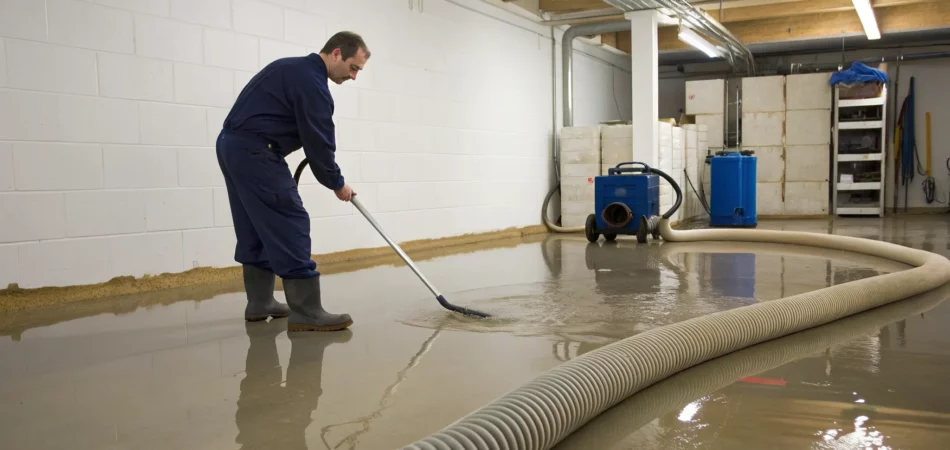
A flooded basement is a race against the clock. Within minutes, water begins to soak into porous materials like wood and drywall. Within 24 to 48 hours, mold can start to grow, turning a water problem into a serious health hazard. The speed of the response is the single most important factor in minimizing damage and keeping restoration costs down. This is where a 24/7 emergency team makes all the difference. Instead of losing precious time trying to figure out what to do, you can have experts on-site immediately. We’ll explore how professional basement flood cleanup services use rapid response and a systematic approach to stop damage in its tracks and restore your home correctly.
Key Takeaways
- Restoration is a multi-step process: True flood cleanup involves more than just removing water. It requires professional drying to eliminate hidden moisture, sanitizing to prevent mold, and repairing any damage to make your space safe and whole again.
- Hiring a certified pro protects your property and health: A professional team uses specialized equipment for a thorough job, handles contaminated water safely, and provides the detailed documentation you need to streamline your insurance claim.
- Proactive maintenance is the best prevention: You can significantly reduce the risk of another flood with a few key habits. Keep your gutters clean, test your sump pump regularly, and schedule routine plumbing inspections to catch problems early.
What Does Professional Basement Flood Cleanup Involve?
When you see standing water in your basement, your first thought might be to grab a bucket or a shop vac. While that’s a start, professional flood cleanup is a much more thorough process. It’s a systematic approach designed not just to remove the water, but to dry, clean, and restore the area to prevent long-term problems like structural damage and mold. A professional team follows a series of critical steps to ensure your home is safe, dry, and healthy again. From the initial assessment to the final repairs, every action is deliberate and backed by industry expertise. Understanding this process can help you see why calling in the experts is the best move for your property and your peace of mind.
Removing Water and Moisture
The first and most urgent step is getting the water out. Professionals don’t just use any old vacuum; they bring in powerful, truck-mounted extraction units and submersible pumps to remove large volumes of water quickly. This rapid removal is key to minimizing how much water soaks into your drywall, flooring, and structural wood. Once the standing water is gone, they use specialized tools to address hidden moisture. This initial phase of emergency water damage response is crucial for setting the stage for a successful restoration and preventing secondary damage from spreading throughout your home.
Drying Out the Structure
Simply removing the water isn’t enough. Moisture hides deep inside porous materials like concrete, wood, and drywall, creating a perfect environment for mold and rot. To handle this, professionals set up industrial-grade air movers and dehumidifiers. These machines create airflow across walls, carpets, and floors to accelerate evaporation while powerful dehumidifiers pull that moisture out of the air. This strategic drying process is monitored with moisture meters to ensure every part of the structure is returned to its proper moisture level, guaranteeing no hidden damp spots are left behind to cause problems later.
Preventing Mold Growth
Floodwater, especially from sewer backups or ground flooding, is often contaminated with bacteria, viruses, and other unpleasant things. After the drying process, a crucial step is to clean and sanitize every affected surface. Professionals use EPA-approved antimicrobial treatments to disinfect the area, which helps prevent mold from growing. This isn’t just a quick wipe-down; it’s a thorough cleaning of all surfaces, including hidden areas inside wall cavities. This part of the environmental cleanup process is essential for protecting your family’s health and maintaining good air quality in your home.
Assessing and Documenting the Damage
Throughout the cleanup process, a professional team conducts a detailed assessment of the damage. They identify which materials are salvageable and which need to be removed and replaced. This includes checking for structural issues and potential electrical hazards. They also meticulously document everything with photos, moisture readings, and detailed notes. This documentation is incredibly valuable when you file an insurance claim. Having a professional report simplifies the process and provides clear evidence to support your claim, helping you get the coverage you need for a complete restoration.
Why Call a Pro for a Flooded Basement?
When you discover standing water in your basement, your first instinct might be to grab a bucket and a mop. While the DIY spirit is admirable, a flooded basement is one of those jobs that’s almost always better left to the professionals. The water you can see is often just the beginning of the problem. What you can’t see, like moisture trapped in drywall or contaminants in the water, can lead to much bigger issues down the road, including mold growth and structural damage. Trying to handle it yourself can feel overwhelming, and it’s easy to miss critical steps that protect your property’s value and your family’s health.
Hiring a professional restoration company isn’t just about convenience; it’s about getting a scientifically-backed solution. Certified technicians have the experience to handle the situation safely and efficiently, ensuring your basement is returned to a dry, clean, and safe condition. They can manage the entire process, from water removal to dealing with your insurance company, giving you peace of mind during a stressful time. It’s the difference between a quick fix and a true, lasting solution that prevents future headaches.
Access to the Right Tools and Training
Properly cleaning up a flood requires more than a shop vac and a few fans. Professional restoration is a scientific process that relies on specialized equipment and skilled technicians. Professionals arrive with industrial-grade tools like truck-mounted water extractors, high-velocity air movers, and commercial dehumidifiers that remove moisture far more effectively than anything you can rent. They also use moisture meters and thermal imaging cameras to find hidden water pockets inside walls and under floors. This ensures every bit of moisture is eliminated, which is key to preventing long-term damage and mold.
Protecting Your Health from Contaminated Water
Floodwater is rarely clean. It can be filled with bacteria, viruses, chemicals, and other contaminants picked up along its path. This is especially true if the flooding is caused by sewer backups or overland flooding, which introduces hazardous waste into your home. Exposure to this contaminated water can pose serious health risks. Professionals are trained to handle these biohazards safely. They wear personal protective equipment (PPE) and use EPA-approved antimicrobial treatments to clean, disinfect, and sanitize the affected areas, making your home safe for your family again.
Simplifying Your Insurance Claim
Dealing with a flooded basement is stressful enough without adding a complicated insurance claim to your plate. A professional restoration company can be your biggest ally in this process. They meticulously document every step of the cleanup, taking photos, recording moisture readings, and creating a detailed scope of the damage. This comprehensive documentation is exactly what insurance adjusters need to process your claim quickly and fairly. Many companies will even communicate directly with your insurance provider, helping to streamline the process and ensure you get the coverage you’re entitled to for a complete restoration.
Acting Fast to Prevent Further Damage
When it comes to water damage, time is of the essence. The longer water sits, the more damage it causes. It soaks into drywall, warps wood flooring, and ruins insulation. Within just 24 to 48 hours, mold can begin to grow, creating a new set of problems. A professional crew understands this urgency. Companies that offer 24/7 services can be on-site within an hour to start the extraction process. This rapid response for emergency water damage is critical to minimizing the destruction, saving more of your property, and reducing the overall cost of repairs.
The Cleanup Process: What to Expect
When you call in a professional team, you’re not just getting someone with a mop and a bucket. You’re getting a structured, methodical approach to a chaotic situation. Knowing what the pros will do can help you feel more in control during a stressful time. A certified restoration company follows a proven process to handle water damage safely and effectively, from the initial assessment to the final repairs. This ensures that every corner is addressed, from visible standing water to hidden moisture that could cause problems later.
The goal is to move quickly and efficiently to minimize damage and get your home back to normal. Each step builds on the last, starting with making the area safe and ending with a fully restored space. We’ll walk through the five key stages of professional basement flood cleanup so you know exactly what’s happening after our team arrives. This systematic process is designed to be thorough, preventing long-term issues like structural damage and mold growth while restoring your peace of mind.
Step 1: Initial Inspection and Safety Check
The moment a restoration team arrives, their first priority is safety. Before any cleanup begins, they will conduct a thorough inspection to identify and address immediate hazards. This includes shutting off the electricity to prevent electrocution risks and locating the source of the water, whether it’s a plumbing failure like a burst pipe or an issue with the foundation. They’ll also assess the type of water (clean, gray, or black) to determine the level of contamination. This initial assessment creates a detailed plan for extraction, drying, and restoration.
Step 2: Water Extraction
With the area secured, the next step is to remove all standing water. Professionals don’t use shop vacs; they use powerful, truck-mounted pumps and vacuums designed for high-volume water extraction. This equipment removes hundreds or even thousands of gallons of water quickly, which is critical for preventing moisture from seeping deeper into your home’s structure. The faster the water is removed, the less damage it can cause to drywall, flooring, and subflooring. This phase is the most visible part of the water damage restoration process and sets the stage for drying.
Step 3: Drying and Dehumidifying
Just because the standing water is gone doesn’t mean the basement is dry. Porous materials like wood, drywall, and concrete retain a significant amount of moisture. To address this, professionals set up industrial-grade air movers and dehumidifiers. The air movers create airflow across surfaces to accelerate evaporation, while powerful dehumidifiers pull that moisture out of the air. The team will use moisture meters to monitor the drying process, ensuring that your home’s structural components are returned to their appropriate moisture levels before moving on.
Step 4: Cleaning and Sanitizing
Floodwater, especially from sources like sewer backups or ground flooding, can contain bacteria, viruses, and other harmful contaminants. After the drying phase, every affected surface needs to be thoroughly cleaned and sanitized. Professionals use antimicrobial treatments to disinfect walls, floors, and any remaining items. This step is essential for preventing mold growth and eliminating odors, ensuring the basement is not only dry but also safe and healthy for your family. This level of environmental cleanup protects your home and your health from long-term risks.
Step 5: Restoration and Repairs
The final step is bringing your basement back to its pre-flood condition. This can range from minor repairs, like replacing a section of drywall or carpet, to major reconstruction. The restoration phase may involve replacing flooring, installing new insulation, painting, and addressing any other structural damage. A professional team handles the entire process, making the space look and feel like the flood never happened. The goal of complete restoration is to seamlessly return your property to its original state, ensuring it is safe, clean, and fully functional once again.
How to Choose the Right Flood Cleanup Company
When your basement is underwater, you need help, and you need it fast. But choosing the wrong company can turn a bad situation into a nightmare of shoddy work, hidden costs, and lingering problems like mold. Finding a trustworthy and competent team is the most important step you can take to get your home back to normal. Here’s a straightforward guide to vetting a flood cleanup company so you can hire with confidence.
Look for IICRC Certification
This might sound like alphabet soup, but it’s one of the most important credentials to look for. The IICRC (Institute of Inspection Cleaning and Restoration Certification) is the organization that sets the standards for the restoration industry. When a company is IICRC-certified, it means their technicians have been properly trained to handle water damage the right way. They know how to use moisture meters to find hidden water, apply the correct drying techniques, and prevent long-term issues. Hiring a certified team ensures your water damage restoration is done to a professional standard, not just guesswork.
Confirm 24/7 Emergency Availability
A burst pipe or a backed-up drain doesn’t wait for business hours. Water damage gets worse with every passing minute, seeping into drywall, warping floorboards, and creating a perfect environment for mold. You need a company that’s ready to go 24/7, including holidays and weekends. Ask about their response time. A truly professional service will be able to guarantee they can be on-site quickly to start the water extraction process. When you’re dealing with an emergency, a rapid response is critical to minimizing the damage to your property.
Ask About Their Equipment and Technology
Professional flood cleanup requires specialized tools. Your household shop vac and a few box fans simply won’t cut it. A reputable company will use commercial-grade equipment, including powerful truck-mounted water extractors, industrial air movers, and large dehumidifiers. They should also use moisture detection tools like thermal imaging cameras and hygrometers to find and measure moisture that’s invisible to the naked eye. This technology is essential for ensuring your home is completely dry, which is key to a successful complete restoration.
Verify They’re Licensed and Insured
This is a non-negotiable. Any contractor you let into your home should be fully licensed and insured, and a flood cleanup company is no exception. A license proves they meet state and local requirements to perform the work. Insurance, including general liability and worker’s compensation, protects you from being held responsible if a worker gets injured on your property or if your home sustains accidental damage during the cleanup process. Don’t be afraid to ask for proof of both. A legitimate company will be happy to provide it.
Check Customer Reviews and Local Reputation
Before you make a final decision, take a few minutes to see what past customers have to say. Look for reviews on Google, the Better Business Bureau (BBB), and other third-party sites. While one or two negative comments might not be a dealbreaker, a pattern of poor communication, missed appointments, or incomplete work is a major red flag. A company with a long history of positive reviews and a strong local reputation is more likely to provide the reliable, high-quality service you need during a stressful time.
Understanding the Cost of Professional Cleanup
When your basement is underwater, one of the first questions you’ll have is about the cost. While there’s no single price tag for flood cleanup, understanding the variables can help you know what to expect. The final bill depends on several key factors, including the amount of water that needs to be removed, the size of your basement, and the type of water involved. For example, cleaning up a few inches of clean water from a burst pipe will be less complex and costly than handling a major backup of contaminated sewer water.
The extent of the damage also plays a huge role. If water has soaked into drywall, flooring, and structural elements, the job will require more intensive labor and materials for drying and restoration. A professional team will assess all these elements to determine the scope of the work. They will evaluate what can be salvaged and what needs to be replaced, which directly impacts the overall cost. The goal is to provide a thorough and safe restoration, and the price will reflect the specific services needed to bring your basement back to its pre-flood condition.
Factors That Influence the Final Price
The cost of professional basement flood cleanup isn’t a one-size-fits-all number. It’s calculated based on the unique details of your situation. The most significant factor is the category of water damage. Category 1 is clean water from a supply line, while Category 3 is highly contaminated black water from sewer backups, which requires extensive safety protocols and sanitization. Other key factors include the size of the flooded area, how long the water has been sitting, and the materials affected. Porous materials like carpet and drywall often need to be removed and replaced, adding to the cost. The more complex the job, the more it will influence the final price.
Getting a Clear Estimate
Before any work begins, you should receive a clear and detailed estimate from the restoration company. A trustworthy professional won’t just give you a number; they will walk you through a line-by-line breakdown of the services required. This should include costs for water extraction, drying and dehumidification, cleaning and sanitizing, and any necessary repairs or materials. This transparency is crucial for your peace of mind. Don’t hesitate to ask questions if something is unclear. A reputable company will be happy to explain every part of the process, ensuring you feel confident before they start the complete restoration of your property.
Working with Your Insurance
Dealing with an insurance claim can feel like a full-time job, especially when you’re already stressed about property damage. A professional restoration company can make this process much smoother. They are experienced in documenting every aspect of the damage with photos, moisture readings, and detailed reports that your insurance adjuster will need. This thorough documentation helps validate your claim and ensures you get the coverage you’re entitled to. Many companies, including Drywizard, will communicate directly with your insurance provider, helping to streamline the process and reduce the burden on you. This partnership ensures all the necessary paperwork is handled correctly from the start.
How to Prevent Your Basement from Flooding Again
After going through the stress of a basement flood, the last thing you want is a repeat performance. The good news is you can take control and significantly reduce the risk of future water damage. By being proactive, you can protect your home, your belongings, and your peace of mind. These preventative steps are some of the most effective ways to keep your basement dry for good.
Maintain Gutters and Proper Drainage
Think of your gutters as the first line of defense against water intrusion. When they’re clogged with leaves and debris, rainwater can’t flow freely. Instead, it spills over the sides and pools right next to your foundation, creating immense pressure and searching for any crack to seep through. Make it a habit to clean your gutters at least twice a year. Also, check your downspouts. They should extend at least six feet away from your house to direct water to a safe distance where it can be absorbed into the ground without threatening your basement.
Install and Test Your Sump Pump
If you have a basement in Florida, a sump pump is a non-negotiable piece of equipment. This device sits in a pit in the lowest part of your basement and automatically pumps out groundwater before it can reach a damaging level. But it’s not a “set it and forget it” tool. You should test it every few months, and especially before the rainy season begins. Simply pour a bucket of water into the pit to make sure the pump kicks on. If it doesn’t, you may need a professional sump pump replacement to avoid a disaster during the next downpour.
Waterproof Your Foundation
Sometimes, water finds its way in directly through the basement walls. Over time, concrete can develop small cracks that allow moisture to seep inside. Waterproofing your foundation is a fantastic long-term solution. This can involve sealing the interior and exterior walls with a waterproof barrier that blocks moisture from penetrating the concrete. In some cases, installing an exterior drainage system, like a French drain, can also help by redirecting groundwater away from the foundation altogether. It’s an investment that pays for itself by preventing costly water damage restoration down the road.
Schedule Regular Plumbing Inspections
Not all basement floods come from the outside. A slow leak from a pipe or a sudden failure of a hot water tank can cause just as much damage. That’s why scheduling regular plumbing inspections is so important. A professional can spot corrosion on pipes, check for pinhole leaks, and assess the health of your appliances before they fail. Having an expert perform leak detection can uncover hidden issues within your walls or under your floors, allowing you to make repairs on your own terms instead of in the middle of an emergency.
Related Articles
- Basement Flood Cleanup Services: What to Expect – Drywizard Restoration & Drywall Inc.
- Basement Flood Cleanup Services & Costs | Drywizard Drywall Services, Inc.
Frequently Asked Questions
How long does the whole cleanup and restoration process take? The timeline really depends on the extent of the flooding and the materials involved. The initial water extraction and drying phase typically takes a few days. A professional team uses moisture meters to confirm when everything is completely dry. The final restoration, which includes repairs like replacing drywall or flooring, can take longer depending on the scope of the damage.
Can I just handle a minor flood myself? Even if it looks like a small amount of water, it’s best to call a professional. Water is incredibly good at hiding in places you can’t see, like behind baseboards, under flooring, and inside wall cavities. Without specialized equipment to detect and remove this hidden moisture, you risk developing serious mold problems and long-term structural damage that can be far more costly to fix later.
What should I do right after I discover my basement is flooded? Your first priority is safety. If you can safely get to your breaker box, shut off the electricity to the flooded area to prevent any electrical hazards. After that, your next call should be to a professional restoration company. Their team can be on-site quickly to assess the situation and begin the cleanup process, which is critical for minimizing damage.
Will my homeowners insurance cover the cost of professional cleanup? Coverage often depends on your specific policy and the source of the water. For example, damage from a burst pipe is usually covered, while overland flooding might require a separate flood insurance policy. A professional restoration company can help by providing detailed documentation, photos, and moisture readings to support your claim and will often communicate directly with your insurance adjuster to make the process smoother for you.
Do I need to worry about mold even after the water is gone? Yes, mold is a significant concern after any water event. Mold spores are everywhere, and they can begin to grow on damp surfaces in as little as 24 to 48 hours. This is why professional drying and sanitizing are so important. Even if an area feels dry to the touch, it may still hold enough moisture for mold to thrive. Professionals use antimicrobial treatments to ensure the area is properly cleaned and safe.
Water Damage Restoration Across Tampa Bay
Drywizard Restoration & Drywall Inc. proudly serves homeowners and businesses throughout the Tampa Bay metro area. No matter where you are in the region, our IICRC-certified team can be on-site in 45 minutes or less. We provide 24/7 emergency water damage restoration in these communities:
- Water Damage Restoration in Valrico, FL
- Water Damage Restoration in Brandon, FL
- Water Damage Restoration in Riverview, FL
- Water Damage Restoration in Sun City Center, FL
- Water Damage Restoration in Citrus Park, FL
- Water Damage Restoration in Temple Terrace, FL
- Water Damage Restoration in Apollo Beach, FL
- Water Damage Restoration in Plant City, FL
- Water Damage Restoration in Lutz, FL
- Water Damage Restoration in Seffner, FL
Need immediate help? Call (813) 684-4800 for 24/7 emergency service anywhere in the Tampa Bay area.