
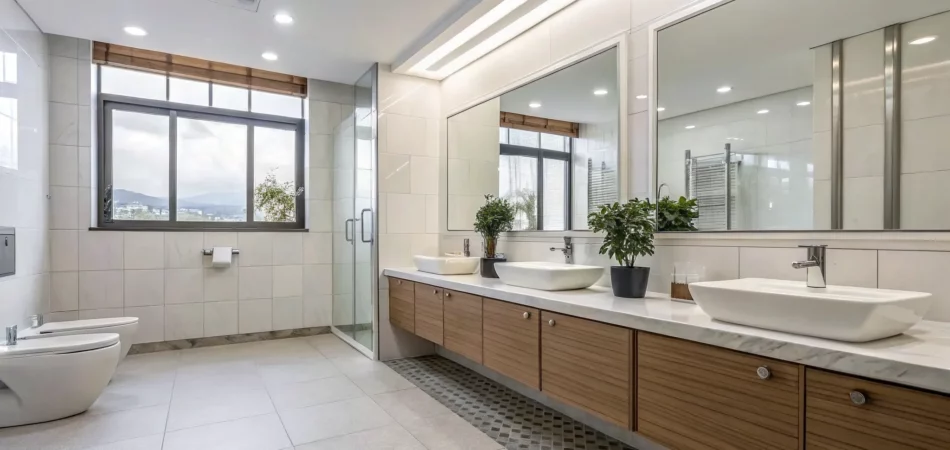
What you can see is rarely the whole story when it comes to mold. That patch of discoloration on the ceiling or along the baseboards is often just the tip of the iceberg. Behind your walls, under your floor, or in your ceiling, a much larger colony could be thriving on moisture from a hidden leak or poor ventilation. This is why professional intervention is so critical. Experts have the tools and training to not only remove the visible mold but also to find and fix the source of the water that’s feeding it. Before you tackle the problem yourself, read on to learn how a professional bathroom mold cleanup service operates and why their comprehensive approach is the only way to truly solve the problem.
Key Takeaways
- Recognize the signs of a bigger problem: Large patches of mold, recurring growth after cleaning, and persistent musty odors are clear indicators of an underlying moisture issue that requires professional attention.
- Vet your professionals carefully: Prioritize hiring a company with IICRC-certified technicians, full licensing, and proper insurance. Reading recent customer reviews will also help you choose a trustworthy and effective team.
- Stay proactive with moisture control: The best way to prevent mold from returning is to manage moisture. Make it a habit to run your exhaust fan, promptly fix any leaks, and keep bathroom surfaces dry.
When to Call a Pro for Bathroom Mold
It’s tempting to tackle a small spot of bathroom mold with a scrub brush and some cleaner. Sometimes, that’s all it takes. But other times, that visible patch is just a hint of a much bigger problem lurking out of sight. Knowing when to put down the sponge and pick up the phone can save you a lot of time, money, and stress, while also protecting your home and your health.
If you’re dealing with a large area of mold (generally more than 10 square feet), or if the mold comes back after you’ve cleaned it, it’s time to call in a professional. Mold often points to an underlying moisture issue, like a slow leak or poor ventilation. A professional restoration company won’t just clean the mold; they’ll find and fix the source of the water. This complete restoration approach is the only way to ensure the mold doesn’t return. Ignoring the signs of a serious mold problem can lead to structural damage and potential health concerns for your family.
The Mold Goes Deeper Than the Surface
One of the most common mistakes homeowners make is assuming mold is only a surface issue. You might scrub away the discoloration on your grout or drywall, but what you can’t see is often the real problem. Mold remediation takes more than just a can-do attitude. The visible growth could be connected to a much larger colony behind the wall, feeding on moisture from a hidden leak. Ignoring this possibility can lead to stubborn problems and surface mold that comes back again and again. Professionals have specialized equipment to detect hidden moisture and mold, ensuring the entire problem is handled correctly from the start.
A Musty Odor Lingers
Your nose is one of the best tools for detecting a hidden mold problem. If you notice a persistent musty or earthy smell in your bathroom that doesn’t go away, it’s a classic sign of mold. This odor is caused by microbial volatile organic compounds (MVOCs), which are gases produced by mold. Even if you can’t see any mold, that distinct smell is a major red flag that it’s growing somewhere. A professional leak detection service can help pinpoint the source of the moisture that’s allowing mold to thrive in a hidden space, like under the floor or behind the vanity.
You Notice Water Stains or Peeling Paint
Visible signs of water damage are your walls crying out for help. If you see dark or yellowish stains on the ceiling or walls, or if your paint has started to bubble, warp, or peel, you have a moisture problem. These are clear indicators that water is getting trapped where it shouldn’t be, creating the perfect environment for mold to grow. Simply painting over the stain is a temporary fix that does nothing to solve the underlying issue. You need to address the source of the water damage to prevent further structural issues and stop mold in its tracks.
You’re Facing Unexplained Health Issues
Have you or your family members been dealing with persistent allergies, stuffy noses, coughing, or headaches that seem to get worse when you’re at home? Mold could be the culprit. According to industry experts, homeowners often feel that unresolved mold issues are causing health problems. The spores released by mold can irritate the respiratory system and trigger allergic reactions in sensitive individuals. If your bathroom mold problem coincides with unexplained health symptoms, it’s crucial to prioritize your family’s well-being and call for a professional environmental cleanup to safely remove the mold and improve your home’s air quality.
How to Choose the Right Mold Cleanup Service
Finding mold in your bathroom can feel overwhelming, but choosing the right company to handle it shouldn’t add to your stress. Not all remediation services are the same, and your choice directly impacts your home’s safety and your family’s health. Taking a few minutes to vet potential companies will help you find a trustworthy partner who can solve the problem for good. Think of it as a job interview; you want to hire the most qualified candidate to protect your biggest investment. A little research now can save you from bigger headaches and expenses down the road.
Look for IICRC Certification
When you’re looking for a professional, you want someone who truly is an expert. In the restoration industry, the gold standard for expertise is certification from the Institute of Inspection, Cleaning and Restoration Certification (IICRC). This certification means the technicians have been formally trained in the best practices for mold removal. Effective environmental cleanup takes more than just a can-do attitude and a willingness to scrub surfaces. IICRC-certified pros understand the science behind mold growth and use specialized equipment and techniques to eliminate it safely, ensuring spores don’t spread to other areas of your home. Hiring a certified team gives you peace of mind that the job will be done right the first time.
Confirm They Offer 24/7 Emergency Service
Mold doesn’t wait for business hours to grow, especially after a water leak. Issues like poor ventilation, high humidity, and dampness from a burst pipe create the perfect environment for mold to thrive. The longer moisture sits, the more extensive the mold problem becomes. That’s why it’s so important to choose a company that offers 24/7 emergency service. A rapid response team can get to your home quickly to assess the situation and begin the remediation process, preventing further damage. A company that can be on-site in under an hour can make a huge difference in containing the problem and protecting your property.
Verify Their Insurance and Licensing
This step is non-negotiable. A legitimate mold remediation company must be fully licensed and insured. Ask for proof of general liability insurance and workers’ compensation. This protects you from any liability if a worker is injured on your property. Proper licensing also confirms that the company meets local and state regulations for performing this type of work. Be wary of any provider who can’t readily produce these documents. Red flags should include companies that perform mold inspections and remediation without the proper permits or insurance. A professional company will have no problem providing you with their credentials, ensuring you and your home are protected throughout the complete restoration process.
Check Their Reviews and BBB Rating
What past customers have to say is one of the best predictors of the service you’ll receive. Look for recent reviews on Google, Yelp, and other third-party sites. You want to see a consistent pattern of positive feedback about their professionalism, communication, and effectiveness. Pay attention to how the company responds to any negative reviews, too. A company’s reviews can help you avoid a situation where you feel the mold issues were not effectively addressed. Also, check their rating with the Better Business Bureau (BBB). An A+ rating indicates the company is committed to resolving customer concerns and operates with integrity.
What Does Professional Mold Remediation Involve?
When you bring in a certified team, you’re getting much more than a simple scrub-down. Professional mold remediation is a meticulous, multi-step process designed to safely eliminate mold and prevent it from returning. It’s about tackling the problem at its source and restoring your home to a safe, healthy condition. While every situation is unique, the pros generally follow a proven strategy to get the job done right. Here’s a look at what you can expect when the experts arrive.
Step 1: Inspection and Moisture Assessment
The first thing a professional team will do is a thorough inspection of your bathroom. They aren’t just looking for visible mold; they’re playing detective to find out how extensive the growth is and, more importantly, where the moisture is coming from. This involves using specialized tools to measure moisture levels in walls, floors, and ceilings. Identifying and addressing the root cause, whether it’s a slow leak or poor ventilation, is the critical first step. Without fixing the water problem, any water damage restoration efforts would be temporary, and the mold would just come right back.
Step 2: Containment and Air Filtration
Once the scope of the problem is clear, the team’s next priority is to prevent mold spores from spreading to other areas of your home. They will set up a containment zone, often using plastic sheeting and creating negative air pressure to direct airflow out of the house. High-efficiency particulate air (HEPA) filters and air scrubbers are then used to capture microscopic mold spores from the air. This step is crucial for protecting your family’s health and ensuring the rest of your home remains uncontaminated during the cleanup. This level of environmental cleanup is something a DIY approach simply can’t match.
Step 3: Safe Mold Removal
With the area contained and the air being filtered, the crew begins the physical removal of mold. This involves using antimicrobial and antifungal treatments to clean mold from surfaces. For porous materials like drywall, insulation, or carpet that are heavily infested, the only safe option is to remove and discard them. The team will carefully bag, seal, and dispose of these contaminated materials according to local regulations. This careful process of hauling and debris removal minimizes the risk of cross-contamination and ensures the mold is truly gone from your home.
Step 4: Restoration and Repairs
After all the mold-affected materials are removed, the team will thoroughly clean and sanitize the area, including using HEPA vacuums to capture any lingering spores. But the job isn’t finished until your bathroom is back to normal. The final step is restoration. This can involve anything from replacing drywall and painting to installing new flooring or fixing the original plumbing leak. A true professional service provides complete restoration, ensuring your bathroom is not only mold-free but also fully repaired and ready for you to use again, just like it was before.
How Much Does Bathroom Mold Cleanup Cost?
Let’s talk numbers. When you’re budgeting for professional mold removal, it’s helpful to have a ballpark figure in mind. Nationally, the average cost is around $2,300, but the price can range anywhere from a few hundred dollars to over $7,000. This wide range is because every mold situation is unique. The final cost depends on the size of the affected area, the type of mold, and the complexity of the job. Think of it in terms of square footage: you might see prices between $2.50 and $25 per square foot, which covers both the labor and materials needed for a thorough cleanup.
The key takeaway is that you won’t know the true cost until a professional assesses the situation. A small, surface-level mold patch on your shower tile will be much less expensive to handle than a widespread infestation that has crept behind your walls and under your flooring. That’s why a detailed inspection is the first step in any reputable environmental cleanup process. It helps define the scope of the work and gives you a clear, accurate price tag for getting your bathroom back to a safe and healthy state.
What Factors Affect the Price?
Several key things influence the final bill for mold remediation. First is the sheer amount of mold and where it’s located. A small, contained spot is a simpler fix than mold that has spread throughout the bathroom. If it’s hiding in hard-to-reach places like inside walls or under cabinets, the labor costs will naturally be higher.
The type of mold also matters. Certain varieties, especially black mold, are more hazardous and require specialized containment and removal procedures to keep everyone safe. Finally, the source of the moisture must be addressed. If the mold is a result of a hidden leak, the cost of water damage restoration will be part of the overall project.
Will Your Insurance Cover It?
This is a big question for many homeowners, and the answer is: it depends. Many standard homeowner’s insurance policies do offer coverage for mold, but usually only if the mold is the result of a “covered peril.” For example, if a sudden pipe burst causes water damage and subsequent mold growth, your policy will likely cover the cleanup.
However, if the mold grew because of a slow, long-term leak you didn’t fix or poor ventilation, your claim might be denied. The best first step is to pull out your policy and read the fine print. Then, call your insurance agent to discuss your specific situation. They can clarify what your policy covers and guide you on how to proceed with a claim for issues like burst pipes.
How to Get an Accurate Estimate
The only way to know exactly what your bathroom mold cleanup will cost is to get a professional estimate. A certified mold remediation specialist will conduct a thorough inspection to identify the extent of the growth, the type of mold, and the underlying moisture source. This assessment is crucial for developing an effective removal plan and providing you with a precise quote.
Don’t hesitate to get a few different quotes to compare services and pricing. A trustworthy company will be transparent about their process and costs. When you’re ready for a clear and honest assessment, you can contact us for a detailed estimate. This will give you the concrete information you need to make an informed decision for your home and family.
What to Ask Before You Hire a Mold Service
Choosing a mold cleanup service can feel overwhelming, but asking the right questions upfront will help you find a trustworthy team. Think of it as a job interview where you’re the hiring manager. You want to make sure you’re bringing in qualified professionals who will respect your home and solve the problem for good. Getting clear answers on their qualifications, process, and safety measures will give you peace of mind and ensure the job is done right the first time.
Ask About Certifications and Experience
Before you let anyone start working in your home, ask about their credentials. Are their technicians certified? Look for companies whose teams are certified by the Institute of Inspection, Cleaning and Restoration Certification (IICRC), as this is the industry standard for restoration. This certification means they’ve been trained in the best practices for safe and thorough mold removal. Don’t be shy about asking how long they’ve been in business and if they have specific experience with bathroom mold, which often involves working in tight spaces and around plumbing fixtures. An experienced, certified team knows exactly how to handle the unique challenges your bathroom presents.
Clarify the Timeline and Guarantees
One of the biggest frustrations for homeowners is a project that drags on forever or doesn’t actually fix the problem. To avoid this, ask for a clear and realistic timeline before any work begins. A professional company should be able to outline the entire process, from initial inspection to final repairs, and give you an estimated completion date. It’s also smart to ask if they offer any guarantees on their work. What happens if the mold returns? A reputable service will stand behind their complete restoration process and provide a clear policy on how they handle any recurring issues, giving you confidence in their work.
Inquire About Equipment and Safety Protocols
Proper mold remediation requires more than just a bottle of bleach. Ask the company what kind of equipment they use. Professionals should mention things like HEPA air scrubbers, commercial-grade dehumidifiers, and containment barriers. These tools are essential for trapping mold spores and preventing them from spreading to other areas of your home. Also, ask about their safety protocols. The crew should always use personal protective equipment (PPE), like masks and suits, to protect themselves and ensure your family’s safety. This focus on professional-grade equipment and safety is a key part of any effective environmental cleanup.
How to Prevent Mold from Coming Back
After you’ve had your bathroom professionally cleaned, the last thing you want is a repeat performance. The good news is that preventing mold from returning is entirely possible. It all comes down to controlling the one thing mold needs to thrive: moisture. By making a few simple adjustments to your daily habits and home maintenance, you can create an environment where mold simply can’t get a foothold. Think of it as setting up a strong defense to protect your home and health.
Improve Your Bathroom’s Ventilation
Your bathroom is naturally a high-humidity zone, especially after a hot shower. Proper ventilation is your first line of defense. Make it a non-negotiable habit to run your exhaust fan every time you shower or bathe and leave it on for at least 30 minutes afterward. If you don’t have a fan, cracking a window open will also help the steam escape. It’s also a good idea to check that your fan vents directly outside, not into your attic, which can just move the moisture problem to another part of your house. Keeping the air moving is essential to stop mold from growing back.
Control Daily Moisture
Mold can begin to grow in as little as 24 to 48 hours when moisture is present. That’s why managing day-to-day dampness is so important. Aim to keep your home’s humidity level between 30% and 50%. After showering, use a squeegee to wipe down the walls and glass door. Don’t forget to hang your towels and bathmats so they can dry completely between uses. Most importantly, address any plumbing issues right away. Even a tiny drip from a faucet can create a chronic moisture problem. If you suspect a hidden issue, professional leak detection can pinpoint the source before it leads to mold.
Stick to a Maintenance Routine
A consistent cleaning schedule is key to keeping your bathroom fresh and mold-free. Wipe down your bathroom walls and surfaces regularly with a cleaner designed to inhibit mold growth. Once a week, take a moment to check under the sink and around the base of your toilet and tub for any signs of water. Catching a problem early can save you a major headache later. If you notice peeling paint, discolored grout, or persistent musty smells, it could be a sign of underlying water damage restoration needs. Staying proactive with these small tasks will make a huge difference in keeping mold away for good.
Related Articles
- Mold Removal vs. Remediation: Protect Your Home & Health
- Clearwater Mold Remediation: What to Expect & Cost
Frequently Asked Questions
Can’t I just use bleach to clean the mold myself? While it’s a common go-to, bleach isn’t the best solution for mold, especially on porous surfaces like drywall or wood. Bleach can sometimes remove the surface color of the mold, making you think the problem is gone, but it often fails to kill the mold’s roots. This means the mold can grow back quickly. Professional remediation uses specialized antimicrobial agents that are designed to eliminate mold completely and, most importantly, professionals will find and fix the moisture source that allowed the mold to grow in the first place.
How long does the professional mold removal process usually take? The timeline really depends on the scope of the problem. A small, contained area of mold in a bathroom might be resolved in as little as a day. However, if the mold has spread behind walls or under the floor and requires significant material removal and restoration, the process could take several days. A professional team will give you a clear and realistic timeline after their initial inspection.
Is all mold, especially black mold, dangerous to my health? The term “black mold” can cause a lot of alarm, but the color of the mold doesn’t always indicate its level of danger. While some molds can produce toxins, any type of mold can cause allergic reactions and respiratory irritation in sensitive people. The safest approach is to treat any significant mold growth as a potential health concern and have it handled by certified professionals who can remove it safely without spreading spores throughout your home.
Will I have to move out of my house during the cleanup? For most bathroom mold jobs, you likely won’t need to leave your home. Professionals are experts at setting up containment zones with plastic sheeting and negative air pressure to keep the work area isolated from the rest of your house. If the problem is extremely widespread and affects your home’s HVAC system, they might recommend you stay elsewhere for a short time for your comfort and safety, but this is less common for bathroom-specific issues.
What’s the difference between mold removal and mold remediation? This is a great question because the terms are often used interchangeably, but they mean different things. Mold removal is simply the act of cleaning the visible mold. Mold remediation is a much more comprehensive process. It involves not only removing the mold but also containing the area, filtering the air to remove spores, addressing the moisture problem that caused the growth, and restoring any damaged materials to bring your bathroom back to its original condition.
Water Damage Restoration Across Tampa Bay
Drywizard Restoration & Drywall Inc. proudly serves homeowners and businesses throughout the Tampa Bay metro area. No matter where you are in the region, our IICRC-certified team can be on-site in 45 minutes or less. We provide 24/7 emergency water damage restoration in these communities:
- Water Damage Restoration in Valrico, FL
- Water Damage Restoration in Brandon, FL
- Water Damage Restoration in Riverview, FL
- Water Damage Restoration in Sun City Center, FL
- Water Damage Restoration in Citrus Park, FL
- Water Damage Restoration in Temple Terrace, FL
- Water Damage Restoration in Apollo Beach, FL
- Water Damage Restoration in Plant City, FL
- Water Damage Restoration in Lutz, FL
- Water Damage Restoration in Seffner, FL
Need immediate help? Call (813) 684-4800 for 24/7 emergency service anywhere in the Tampa Bay area.