
Many people think a small leak is something they can handle with a shop vac and a few towels. The reality is that water is incredibly destructive, seeping into drywall, subfloors, and insulation where you can’t see it. By the time you notice a problem, the damage could be extensive. That’s why a quick call to a professional is so important. When you search for a “water extraction company near me,” you’re not just looking for someone to dry your carpets; you’re looking for an expert who can prevent long-term issues like mold and structural rot. This guide explains what these professionals do, why their specialized equipment is essential, and how their rapid response can save you thousands in future repairs.
Key Takeaways
- Look for IICRC certification and a guaranteed rapid response: These are the two most important qualifications. A certified team has the right training to prevent long-term issues like mold, while a fast response is crucial for minimizing the initial damage to your property.
- The job isn’t done when the water is gone: Professional restoration is a multi-day process that includes thoroughly drying the structure with specialized equipment. This step targets hidden moisture in walls and floors to prevent rot and protect your home’s integrity.
- Ask direct questions before any work begins: Protect yourself by getting clear answers about a company’s experience, their process, how they handle insurance claims, and any service warranties. A trustworthy professional will be transparent and ready to provide proof of their credentials.
What Does a Water Extraction Company Actually Do?
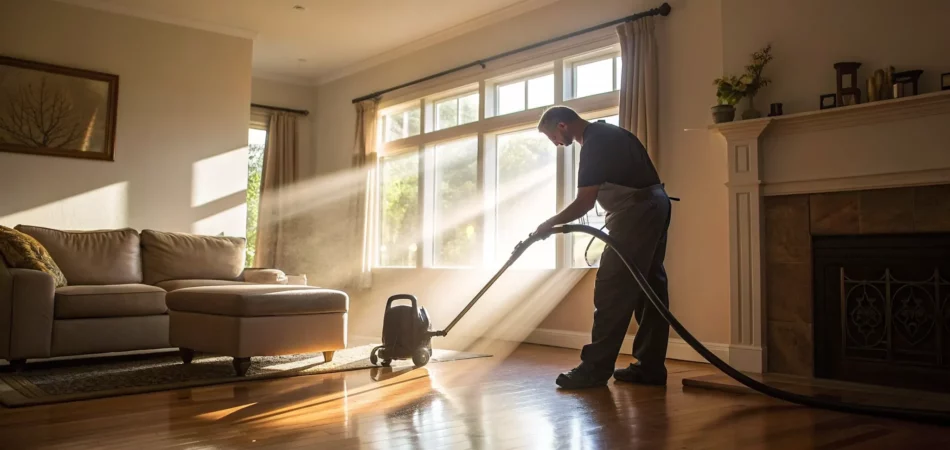
When you’re standing in ankle-deep water in your living room, it’s easy to think a water extraction company just shows up with a big vacuum. While that’s part of it, their job is much more comprehensive. A professional team handles the entire crisis from start to finish, ensuring your home is not only dry but also safe and structurally sound. They are the first responders for your property, equipped with the tools and expertise to manage the immediate chaos and prevent long-term problems like structural rot and mold. Think of them as your partner in getting your home—and your life—back to normal. From the initial assessment to the final drying checks, their goal is a complete restoration of your space.
Emergency Water Removal
The first and most critical task is getting the standing water out, and fast. Whether it’s from a burst pipe, a sewer backup, or a major flood, professionals arrive with powerful, truck-mounted extraction units and submersible pumps designed to remove large volumes of water quickly. This isn’t a job for a shop vac and a bucket. The speed of emergency water removal is crucial because it minimizes the initial damage and stops water from seeping deeper into your floors, walls, and furniture. By getting the bulk of the water out immediately, they set the stage for the drying process and significantly reduce the risk of permanent damage.
Drying and Dehumidifying Your Space
Once the visible water is gone, the hidden moisture becomes the main enemy. Water saturates everything it touches, from drywall and insulation to wood subfloors. To tackle this, professionals set up specialized drying equipment. This includes high-velocity air movers that create airflow across surfaces to accelerate evaporation and commercial-grade dehumidifiers that pull that moisture out of the air. This combination is key to a successful water damage restoration project. They’ll strategically place this equipment throughout the affected area to create the perfect drying environment, preventing warping, swelling, and other structural issues that can happen when materials don’t dry properly.
Assessing and Documenting the Damage
A huge part of a water extraction company’s job is playing detective. Before they even start removing water, they work to find and stop the source of the leak. Using tools like moisture meters and infrared cameras, they can see exactly how far the water has traveled, even behind walls and under floors. This thorough assessment is vital for creating an effective drying plan. They will also meticulously document everything with photos and detailed notes. This documentation is incredibly important when you file an insurance claim, as it provides clear proof of the extent of the damage and the professional steps taken to fix it, making the process much smoother for you.
Preventing and Removing Mold
Where there’s moisture, there’s a risk of mold—and it can start growing in as little as 24 to 48 hours. A professional water extraction company knows this and takes proactive steps to prevent it. After the area is dry, they often apply antimicrobial treatments to surfaces to inhibit mold growth. If mold has already started to appear, they are trained in safe and effective removal techniques. Proper environmental cleanup is not just about protecting your property; it’s about protecting your family’s health from the potential hazards that mold and other contaminants can create. This final step ensures your home is truly clean and safe.
How to Find a Reputable Water Extraction Company
When you’re dealing with a water emergency, the last thing you want is to hire the wrong team. The company you choose will determine how quickly your life gets back to normal and how well your property is protected from long-term issues like mold and structural damage. Finding a trustworthy professional doesn’t have to be overwhelming, even when you’re in a hurry. By focusing on a few key areas—local presence, customer feedback, insurance recommendations, and professional credentials—you can confidently find a reliable partner to handle the cleanup. These steps will help you sort through the options and select a company that is not only fast but also thorough and professional, ensuring the job is done right the first time.
Search Online and Check Local Directories
Your first instinct is probably the right one: grab your phone and search online. Using terms like “water extraction near me” or “emergency water removal Tampa” will give you a list of local companies. Look for professionals who clearly state they offer 24/7 emergency services. A company’s website should detail its offerings, from water damage restoration to sewage cleanup and structural drying. A strong local presence is a good sign, as it means they can get to you quickly. A company that is established in your community is also more likely to have a solid reputation to uphold.
Read Customer Reviews and Testimonials
Reviews are your best friend when you need to vet a company fast. Look at feedback on Google, Yelp, and the company’s own website. Don’t just look at the star rating; read what people are actually saying. You’ll find that the best companies consistently receive praise for being quick, polite, professional, and knowledgeable. Pay attention to comments about their communication and how they handled unexpected issues. Seeing positive customer feedback can give you the peace of mind that you’re making the right call during a stressful time.
Ask Your Insurance Company for Referrals
Your homeowner’s insurance agent is a great resource. They deal with property damage claims all the time and often have a list of pre-approved, reputable restoration companies they trust. Calling your agent for a referral can save you time and ensure you’re working with a company that knows how to properly document everything for your claim. It’s also a good time to clarify your coverage. A standard policy usually covers sudden accidents like a burst pipe, but it’s wise to confirm the details before the work begins.
Verify Credentials and Certifications
Legitimate water extraction companies will have the right credentials, and they won’t hide them. The most important one to look for is certification from the Institute of Inspection, Cleaning and Restoration Certification (IICRC). This is the industry’s top standard-setting organization. An IICRC-certified team has the training to handle water damage safely and effectively, focusing on drying the entire structure, not just the carpets. This expertise is crucial for preventing mold growth and ensuring a complete restoration of your property. Always confirm a company’s credentials before letting them start work.
What to Look For in a Water Extraction Company
When you’re dealing with water damage, the company you call can make all the difference. The right team will not only remove the water but also protect your property from long-term issues like mold and structural damage. But with so many options out there, how do you choose? It comes down to a few key qualifications that separate the professionals from the rest. Focusing on credentials, availability, and the right tools will help you find a reliable partner to get your home or business back to normal quickly and safely. Think of it as a checklist for peace of mind during a stressful situation.
IICRC Certification and Proper Credentials
First things first, check for an IICRC certification. The Institute of Inspection, Cleaning and Restoration Certification is the industry’s top standards-setter. When a company is IICRC-certified, it means their technicians have been trained on the latest techniques and best practices for water restoration. This isn’t just a fancy badge; it’s your assurance that the team knows exactly how to handle the situation without cutting corners. A certified professional understands the science behind drying and will work to prevent secondary damage. Don’t be afraid to ask a company about their credentials—a reputable one will be proud to share them.
24/7 Emergency Availability
Water damage doesn’t stick to a 9-to-5 schedule, and neither should your restoration company. A burst pipe at 2 a.m. needs immediate attention to prevent the damage from spreading. Look for a company that offers true 24/7 emergency services, 365 days a year. The longer water sits, the more it soaks into your floors, walls, and furniture, leading to more extensive and expensive repairs. A company that can promise a rapid response, like being on-site in under an hour, understands the urgency of your situation and is equipped to minimize the damage from the moment they arrive.
Proper Licensing and Insurance
This one is non-negotiable. Any contractor you hire to work on your property must be fully licensed and insured. Licensing proves they meet state and local requirements to perform the work, while insurance protects you from liability. If an uninsured worker gets injured on your property, you could be held responsible. A professional water extraction company will carry both general liability and worker’s compensation insurance. Ask for proof before any work begins. This simple step protects your finances and ensures you’re working with a legitimate, accountable business that takes its responsibilities seriously.
High-Quality Equipment and Technology
Your shop vac isn’t going to cut it for a major water issue. A professional water damage restoration company uses specialized, high-powered equipment to get the job done right. This includes industrial-grade water extractors, submersible pumps for deep water, and commercial air movers and dehumidifiers. This technology is designed to remove water from deep within carpets and building materials and control the humidity to prevent mold growth. When you’re vetting a company, ask about the equipment they use. Their answer will tell you a lot about their ability to handle the job efficiently and effectively.
How Much Does Water Extraction Cost?
When you’re dealing with a flooded room, the first question on your mind is likely, “How much is this going to cost?” It’s a valid concern, and the answer isn’t always straightforward. The final price tag for water extraction depends on a unique set of circumstances in your home or business. Think of it less like a fixed menu price and more like a custom quote tailored to the specific situation.
Several key variables come into play, from the size of the affected area to the type of water you’re dealing with. Understanding these factors can help you get a clearer picture of the potential costs and feel more prepared when you call in the professionals. Let’s break down what influences the price of getting your space dry and safe again.
Key Factors That Influence the Price
The cost of water extraction is shaped by the specifics of the damage. A small, contained leak from a clean pipe will be much less expensive to handle than a basement that has been sitting in contaminated water for days. The main factors that determine the price include the overall size of the affected area (measured in square feet), how long the water has been present, and the type of water involved. The longer materials stay saturated, the more complex and costly the water damage restoration process becomes. The urgency of the job and the specific equipment needed to properly dry out the structure also play a significant role in the final bill.
How the Type of Damage Affects the Cost
Not all water is the same, and the type of water in your home directly impacts the cost of removal. Water damage is typically sorted into three categories. Category 1 is “clean water” from a source like a broken supply line, which is the least expensive to mitigate. Category 2, or “gray water,” has some contaminants—think of water from a washing machine overflow. The most serious and costly is Category 3, “black water,” which is highly contaminated and poses health risks. This includes situations like a sewer backup or floodwaters from a storm. Safely handling black water requires specialized protective gear and disinfection protocols, which increases the labor and material costs.
Emergency Fees and After-Hours Rates
Water damage doesn’t stick to a 9-to-5 schedule, which is why 24/7 emergency services are so critical. If you need help in the middle of the night, on a weekend, or during a holiday, you can expect to pay a premium for the immediate response. Most companies charge extra for after-hours calls, which can add anywhere from $50 to $200 on top of their standard rates. While nobody likes paying extra fees, this cost covers having a certified team on standby, ready to go at a moment’s notice. Paying for a rapid response can save you thousands in the long run by preventing secondary damage like mold growth and structural decay, making emergency water damage services a worthwhile investment.
Potential Hidden Costs and Additional Repairs
The initial quote for water extraction typically covers just that—removing the water and drying the area. However, the water is often just the beginning of the problem. The process may reveal other issues that need to be addressed. For example, if drywall, flooring, or insulation is damaged beyond repair, it will need to be replaced. You might also face costs for structural repairs, mold remediation, or even permits for significant reconstruction work. It’s important to remember that a water extraction company focuses on mitigation, but a full recovery might require a complete restoration service to get your property back to its pre-damage condition. Always ask what is and isn’t included in the initial estimate.
How Fast Should a Water Extraction Company Respond?
When you’re dealing with a burst pipe or a flooded basement, time is not on your side. The difference between a quick cleanup and a major restoration project can come down to minutes. A professional water extraction company should treat your call with urgency, because every moment water sits, it causes more damage to your property. That’s why we commit to being on-site in 45 minutes or less. While industry standards vary, a rapid response is the number one thing you should look for. It’s the first and most critical step in getting your home or business back to normal.
Understanding Standard Response Times
Once a team arrives, the water damage restoration process follows a general timeline. The first step is always a thorough assessment, which usually takes an hour or two. This is where professionals identify the source of the water, determine the extent of the damage, and create a plan of action. The actual water extraction can take anywhere from one to three days, depending on how much water needs to be removed. After the standing water is gone, the drying and dehumidifying phase begins, which can last three to seven days. This ensures all hidden moisture is removed from walls, floors, and air.
Why a Fast Response Is Crucial
Getting a team to your property quickly is essential for minimizing long-term problems. Ideally, the water removal process should begin within 24 to 48 hours. After that window, the risk of mold growth increases dramatically. Water quickly soaks into porous materials like drywall, wood, and insulation, compromising the structural integrity of your home. A fast response to emergency water damage not only prevents mold but also saves you from more extensive and costly repairs down the road. The sooner the water is gone, the sooner your property can be properly dried and restored.
What Affects Their Arrival Time?
Several factors can influence how quickly a water extraction team can get to you. The time of day you call can play a role—Tampa rush hour is no joke. The severity of the situation and a company’s current workload, especially after a major storm hits the area, can also cause delays. This is why it’s so important to choose a company that prioritizes 24/7 availability and has the resources to handle multiple jobs. When you’re facing an emergency, you shouldn’t have to wait in a queue. A guaranteed rapid response time means you get the immediate help you need.
Key Questions to Ask Before You Hire
When your property is damaged, the last thing you want is the added stress of choosing the wrong restoration company. Making a quick decision is important, but making an informed one is critical. Before you agree to any work, take a moment to ask a few key questions. A trustworthy and professional company will have no problem providing clear, direct answers. Think of this as a quick interview to ensure you’re putting your property in the right hands. Getting this information upfront helps set clear expectations, prevents surprises down the road, and gives you peace of mind that the job will be done right.
Their Experience with Your Type of Damage
Not all water damage is created equal. The approach for a flooded basement is very different from the one needed for a hidden leak behind a wall or a sewer backup. Ask any potential company about their specific experience with your type of problem. You can say, “Have you handled damage from a burst washing machine hose before?” or “What’s your experience with storm-related flooding?” Many people think only major disasters require professional help, but even smaller issues can lead to mold and structural problems if not handled correctly. You want a team that has seen it all and knows exactly how to tackle your situation, big or small.
Their Equipment, Process, and Timeline
A professional restoration company should be able to walk you through their plan of action. Ask them what kind of equipment they use—look for terms like industrial-grade dehumidifiers, air movers, and moisture meters. You should also ask for a general overview of their water damage restoration process. While every situation is unique, a typical project involves water extraction (1-3 days) followed by drying and dehumidifying (3-7 days). Understanding their process and the technology they use will give you confidence that they can handle the job efficiently and effectively, preventing secondary damage like mold growth.
The Estimated Scope and Completion Date
While it can be difficult to give an exact completion date before work begins, a company should be able to provide an estimated scope and timeline after an initial inspection. Ask for a breakdown of the phases, from the initial assessment to the final touches of a complete restoration. A clear plan shows they have a strategy and helps you understand what to expect. Be sure to ask how they handle unexpected issues that might affect the timeline. Good communication is key, and a reliable company will keep you informed every step of the way.
Payment Options and Service Warranties
Discussing money is never fun, but it’s essential to do it before any work starts. Ask for a detailed estimate and find out what payment options are available. It’s also a great idea to ask how they work with insurance companies, as this can save you a major headache. Finally, inquire about any service warranties or guarantees they offer on their work. This shows they stand behind their quality and gives you an extra layer of protection. Understanding all the financial aspects upfront ensures there are no surprises when you get the final bill.
Red Flags to Watch For When Hiring
When your property is flooded, the pressure to hire someone—anyone—is immense. But making a rushed decision can lead to bigger problems, from shoddy work to outright scams. Knowing what to watch out for can protect your home and your wallet during an already stressful time. A professional restoration company understands you’re in a vulnerable position and will prioritize clear communication and transparency from the start. They will be ready to answer all your questions without hesitation.
The key is to look for signs of professionalism and legitimacy. A trustworthy company will have a strong local presence, verifiable credentials, and a history of satisfied customers. They won’t pressure you into making an immediate decision or use confusing language to describe their process. Instead, they will walk you through their plan for complete restoration and provide clear, upfront information about costs and timelines. Think of it this way: a true expert wants you to feel confident and informed, while a scammer thrives on chaos and confusion. Taking just a few extra minutes to spot the following red flags can save you from a major headache down the road.
Unsolicited Door-to-Door Offers
If someone shows up at your door unannounced offering water extraction services, especially after a major storm, be very cautious. This is a common tactic used by “storm chasers” who move from town to town to capitalize on disasters. These individuals often lack the proper training, insurance, or equipment to do the job right. Reputable, local companies don’t need to solicit business this way; their reputation and community ties bring customers to them. It’s always better to do your own research and reach out to a company you’ve vetted yourself rather than accepting an offer from a stranger at your door.
Vague Estimates or Cash-Only Demands
A legitimate water extraction company will always provide a detailed, written estimate that breaks down the costs for labor, materials, and equipment. If a company gives you a vague verbal quote or a price that seems too good to be true, consider it a major red flag. Also, be wary of anyone who insists on a large upfront deposit or demands to be paid in cash only. This can be a sign that they are trying to avoid creating a paper trail or plan to disappear once they have your money. A professional business will have transparent pricing, offer multiple payment options, and be experienced in working directly with your insurance company.
Missing Licenses or Credentials
Don’t just take a company’s word for it—ask for proof of their licenses, insurance, and certifications. The most important credential in the restoration industry is an IICRC (Institute of Inspection, Cleaning and Restoration Certification). This certification means their technicians have been properly trained to handle water damage restoration according to strict industry standards. If a company is hesitant to provide these documents or can’t prove they are properly insured, walk away. Hiring an uncertified or uninsured company puts you at risk for poor workmanship and leaves you liable for any accidents that happen on your property.
Poor Communication or Unprofessional Conduct
From your very first phone call, pay attention to how the company communicates. Are they professional and empathetic? Do they answer your questions clearly and patiently? If they are difficult to get ahold of, rush you off the phone, or use high-pressure sales tactics, it’s a sign of what’s to come. A restoration project requires constant communication and trust between you and the team working in your home. If a company exhibits unprofessional behavior from the start, it’s unlikely to improve once they have the job. Trust your instincts—if something feels off, it’s best to find another company that makes you feel comfortable and confident in their abilities.
How to Budget for Water Extraction Services
Facing water damage is stressful enough without the added worry of how you’re going to pay for it. While it’s impossible to predict the exact cost of an emergency, you can prepare a financial plan to handle unexpected property damage. Budgeting for water extraction isn’t just about setting money aside; it’s about understanding the process, knowing what your insurance covers, and recognizing what factors influence the final bill. When you’re prepared, you can make clear-headed decisions instead of panicked ones.
Many people are surprised by the true cost of water damage because they underestimate the scope of the work. It’s more than just removing the visible water. The process involves specialized equipment, detailed moisture detection, and often, significant repairs. By getting familiar with common cost misconceptions, reviewing your insurance policy, and creating a basic emergency plan, you can feel more in control when a crisis hits. This knowledge helps you make smart choices and ensures you get the professional help you need without delay, which can save you a lot of money in the long run.
Common Misconceptions About Restoration Costs
One of the biggest mistakes homeowners make is assuming the job is done once the standing water is gone. In reality, water extraction is just the first step. A complete water damage restoration is a complex process that includes thoroughly drying the structure, dehumidifying the air, cleaning and sanitizing affected areas, and repairing any damage. Another common myth is that small leaks aren’t a big deal. The truth is, even a minor leak can seep into subfloors and drywall, leading to mold growth and structural problems if it’s not addressed right away. Ignoring a small issue almost always results in a much more expensive and complicated repair down the road.
Understanding Your Insurance Coverage
Your homeowner’s insurance policy is your first line of defense, but it’s crucial to know what it actually covers. Most standard policies will cover sudden and accidental damage, like what happens from a burst pipe or a faulty appliance. However, they typically do not cover damage from gradual leaks, outside flooding, or sewer backups unless you have specific add-ons. The best thing you can do is review your policy before you need it. When damage does occur, document everything with photos and videos and contact your insurance agent immediately. A professional restoration company can also help by providing detailed documentation and working directly with your insurance adjuster to support your claim.
Planning for Unexpected Property Damage
When it comes to water damage, time is money. The longer water is allowed to sit, the more it soaks into your home’s materials, leading to more extensive damage and higher repair costs. Acting quickly is the single most effective way to keep costs down. While you can’t stop every disaster, you can prepare for one. Consider setting up an emergency savings fund specifically for home repairs. It’s also a great idea to have a pre-disaster plan in place. This can be as simple as knowing where your main water shut-off valve is and having the number of a trusted 24/7 restoration company saved in your phone. This preparation saves you precious time and reduces stress when an emergency happens.
A Step-by-Step Look at the Water Extraction Process
When your property is flooded, understanding what the professionals are doing can bring a sense of calm to a chaotic situation. The water extraction and restoration process is methodical, designed to safely and efficiently return your space to normal. While every situation is unique, the core steps remain the same. It all starts with a call and a rapid response to begin the water damage restoration process and prevent any further issues from developing. Knowing what to expect can help you feel more in control as the experts get to work.
Step 1: Initial Assessment and Safety Check
The moment a restoration team arrives, their first priority is safety. Before any equipment is turned on, they conduct a detailed inspection of the affected area. This involves identifying the source of the water, determining the extent of the damage, and checking for potential hazards like electrical risks or compromised structural integrity. This initial assessment is critical for creating an effective plan and can take anywhere from a few hours to a full day. This careful evaluation ensures that the emergency water damage is handled correctly from the very beginning, setting the stage for a successful restoration.
Step 2: Water Removal and Extraction
Once the area is secure, the main event begins: removing all the standing water. Professionals use powerful, specialized equipment like submersible pumps and truck-mounted vacuums to extract thousands of gallons of water quickly. This phase is crucial for halting the spread of damage and is typically one of the most intensive parts of the job. Depending on the volume of water and the size of the area, the initial extraction can take anywhere from one to three days. The goal is to remove as much water as possible to prepare the space for the next critical step.
Step 3: Drying and Monitoring
Just because the visible water is gone doesn’t mean the job is done. Moisture can hide deep within porous materials like drywall, wood, and carpet padding, creating a perfect environment for mold. To handle this, technicians bring in industrial-grade air movers and dehumidifiers to pull the remaining moisture out of the air and affected materials. This drying and dehumidification process can last from three to seven days. Throughout this time, the team will use moisture meters to monitor progress and ensure your property is dried to the proper standard, preventing long-term problems.
What to Expect for a Full Restoration Timeline
It’s important to remember that the entire restoration process takes time. To minimize damage, remediation should ideally start within 24 to 48 hours of the incident. The initial extraction and drying are just the first phases. A complete restoration—which can include repairs like replacing drywall or flooring—will extend the timeline. The total duration depends entirely on the severity of the damage. The most critical factor is acting fast, which is why a rapid emergency response is so important for protecting your property and getting your life back on track.
Related Articles
- Emergency Water Removal Process: 4 Key Steps
- How to Choose a Water Damage Restoration Company – Drywizard Restoration & Drywall Inc.
Frequently Asked Questions
Can I just use a shop vac and some fans to dry out the water myself? While it might seem like a good first step, relying on household tools for a significant water issue can lead to bigger problems. A shop vac can’t remove water from deep within carpets, padding, and subfloors, and regular fans don’t create the specific airflow needed for structural drying. Professionals use specialized equipment to control humidity and pull hidden moisture from materials, which is the only way to truly prevent long-term issues like mold growth and wood rot.
What should I do while I’m waiting for the professionals to arrive? Your safety is the top priority. If you can do so safely, turn off the electricity to the affected area at the breaker box. Avoid walking through standing water, especially if the power is still on. You can also move any furniture, rugs, and personal belongings out of the water to a dry spot. This helps prevent further damage to your things while you wait for the experts to take over the situation.
Will my homeowner’s insurance cover the cost of water extraction? In many cases, yes, but it depends on the source of the water. Standard homeowner’s insurance policies typically cover sudden and accidental damage, such as a burst pipe or a washing machine overflow. However, they usually don’t cover damage from gradual leaks, poor maintenance, or natural floods. The best course of action is to call your insurance agent as soon as possible to report the damage and clarify your specific coverage.
How long until my home is back to normal? The timeline really depends on the extent of the damage. The initial water extraction and structural drying phase can take several days. After that, the full restoration process begins, which might include replacing drywall, flooring, or other building materials. A professional team can give you a more accurate timeline after their initial assessment, but the most important factor is starting the process immediately to keep the overall project as short as possible.
Is the musty smell after water damage normal, and will it go away? That musty odor is a clear sign that moisture is still trapped somewhere, creating an environment for mold and mildew to grow. It’s not something that will just air out on its own. A professional water restoration process is designed to eliminate that smell by thoroughly drying the entire structure and applying antimicrobial treatments. Once the source of the moisture is gone, the odor will be too.
Water Damage Restoration Across Tampa Bay
Drywizard Restoration & Drywall Inc. proudly serves homeowners and businesses throughout the Tampa Bay metro area. No matter where you are in the region, our IICRC-certified team can be on-site in 45 minutes or less. We provide 24/7 emergency water damage restoration in these communities:
- Water Damage Restoration in Valrico, FL
- Water Damage Restoration in Brandon, FL
- Water Damage Restoration in Riverview, FL
- Water Damage Restoration in Sun City Center, FL
- Water Damage Restoration in Citrus Park, FL
- Water Damage Restoration in Temple Terrace, FL
- Water Damage Restoration in Apollo Beach, FL
- Water Damage Restoration in Plant City, FL
- Water Damage Restoration in Lutz, FL
- Water Damage Restoration in Seffner, FL
Need immediate help? Call (813) 684-4800 for 24/7 emergency service anywhere in the Tampa Bay area.