
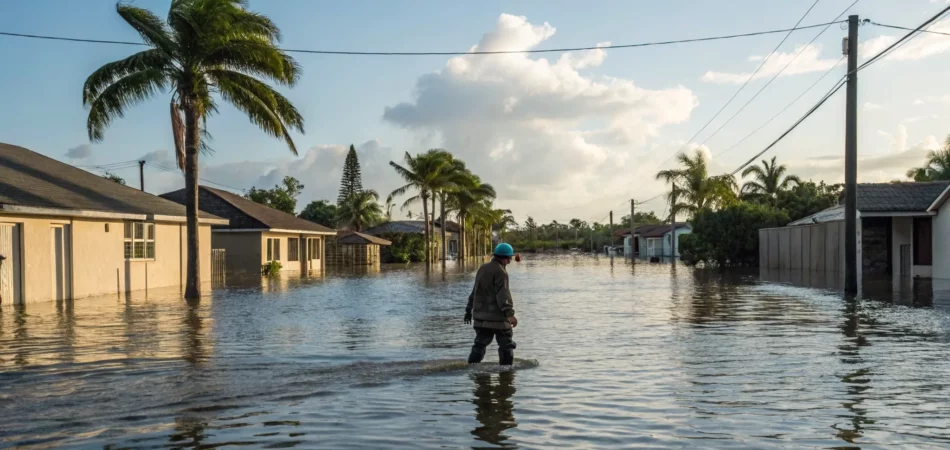
The moments after discovering flood damage are chaotic, and your first move is likely a frantic search for “flood damage restoration companies near me.” But in that critical moment, you’re not just hiring a cleanup crew; you’re choosing a partner to protect one of your biggest investments. The right company can mean the difference between a smooth recovery and a prolonged nightmare of secondary damage, mold growth, and insurance claim headaches. This guide will empower you to make the best choice for your property. We’ll cover the essential credentials, equipment, and services that separate the true professionals from the rest, ensuring your home is restored safely and completely.
Key Takeaways
- Prioritize a Rapid, Certified Response: The first few hours after a flood are the most critical. Immediately calling a 24/7 restoration company with IICRC certification is the single best step you can take to minimize long-term damage and prevent mold growth.
- Verify Credentials Before You Hire: Protect yourself by doing a quick background check. A trustworthy company will always provide proof of their license and insurance, have a strong BBB rating, and offer a detailed, written estimate without pressure.
- Document Everything for a Smoother Claim: Before any work begins, use your phone to take extensive photos and videos of the damage. This visual evidence is your most powerful tool for streamlining the insurance process and ensuring you get the coverage you need.
What Services Do Flood Restoration Companies Offer?
When you’re dealing with a flood, the word “restoration” means a lot more than just mopping up the mess. A professional flood restoration company provides a start-to-finish service designed to bring your property back to the way it was before the damage occurred. It’s a multi-step process that tackles everything from the initial water removal to the final repairs, ensuring your home or business is safe, clean, and structurally sound.
Think of it as a comprehensive recovery plan for your property. Professionals don’t just handle the visible problems; they use specialized equipment and expertise to find and fix hidden issues that could cause long-term trouble, like trapped moisture or mold. A full-service team manages the entire water damage restoration process, so you can focus on getting things back to normal without having to coordinate multiple contractors. This integrated approach is crucial because each step builds on the last. Improper water extraction can lead to ineffective drying, which in turn creates a perfect environment for mold. A true restoration expert understands these connections and executes a plan that addresses every angle of the damage. It’s about making a stressful situation as manageable as possible by providing a clear, effective path back to normalcy.
Extracting Water
The first and most urgent step in any flood situation is getting the standing water out. Professional restoration teams use powerful, commercial-grade pumps and vacuums to quickly remove hundreds or even thousands of gallons of water from your property. This isn’t a job for a shop vac and a bucket; speed is absolutely essential to minimize damage to your floors, walls, and furniture. The faster the water is gone, the less time it has to soak into materials and cause them to warp, swell, or break down. This immediate response is a core part of any emergency water damage service and sets the stage for the entire recovery process.
Drying and Dehumidifying
Once the standing water is removed, the real drying begins. Water is sneaky and can seep into drywall, subfloors, and wall cavities, creating pockets of hidden moisture. Restoration experts use industrial-strength air movers and dehumidifiers to create airflow and pull remaining moisture out of the air and surrounding materials. They also use specialized tools like moisture meters and thermal imaging cameras to detect dampness that isn’t visible to the naked eye. This thorough drying process is critical for preventing the structural integrity of your home from being compromised and is a key step in stopping mold before it can even start.
Preventing and Removing Mold
Where there’s water, there’s often a risk of mold. Mold can begin to grow in as little as 24 to 48 hours in a damp environment, posing a serious health risk and causing further damage to your property. A professional restoration company will inspect for any signs of mold growth. If any is found, they will use specialized techniques to contain and remove it safely. They also clean and sanitize the affected areas with antimicrobial treatments to prevent future mold problems. This focus on environmental cleanup ensures the air in your home is healthy and your property is safe for you and your family.
Repairing and Rebuilding
After the water is gone and the property is completely dry, the final step is to repair and rebuild the damaged areas. Restoration isn’t complete until your home looks and feels like it did before the flood. This phase can involve anything from minor repairs, like replacing a section of drywall or installing new carpet, to major reconstruction projects. A full-service company can handle everything, including painting, flooring, and even significant structural work. The goal is a complete restoration that seamlessly returns your property to its pre-loss condition, making the damage a distant memory.
How to Find a Reliable Flood Restoration Company
When your home is flooded, the last thing you want to do is spend hours vetting companies. You need someone reliable, and you need them fast. But a hasty decision can lead to shoddy work and more headaches down the road. Finding the right team is about knowing where to look and what to ask. These steps will help you quickly find a trustworthy professional who can get your home back to normal.
Search Online and Check Local Directories
Your first instinct is probably to search online, and that’s a great place to start. Use specific terms like “emergency water damage repair in Tampa” to find local options. Beyond a standard search, use trusted directories to get a better sense of a company’s reputation. The Better Business Bureau (BBB) is an excellent resource for finding and evaluating local restoration companies. It provides a layer of verification, helping you sort through the options and focus on businesses with a proven track record in your community.
Check Reviews and BBB Ratings
Once you have a shortlist, it’s time to dig into their reputation. Look for companies with a large number of recent, positive reviews on multiple platforms. Don’t just look at the star rating; read what past customers have to say about their communication, speed, and the quality of their work. Pay close attention to how the company responds to negative feedback. A professional response shows they care about customer satisfaction. Also, check their BBB rating, which ranges from A+ to F. A company with a high rating and positive customer reviews is a strong indicator of reliability and quality service.
Ask Your Insurance Company for Referrals
Your insurance agent can be a valuable ally. Most insurance companies maintain a list of preferred or pre-approved restoration vendors they have worked with before. Asking them for a referral has two major benefits. First, these companies are already vetted, so you can be confident in their qualifications. Second, they are familiar with the insurance claims process, which can make your life much easier. A company that knows how to properly document damage and communicate with adjusters can help ensure your claim is processed smoothly and without unnecessary delays.
Get Recommendations from Friends and Family
Don’t underestimate the power of a personal recommendation. Reach out to friends, family, neighbors, or even colleagues in your local area who may have dealt with a similar situation. Hearing about their firsthand experience is invaluable. Ask them specific questions: Was the team professional and respectful? Did they communicate clearly throughout the process? Were they happy with the final result? A glowing recommendation from someone you trust is often the most reliable way to find a company that will treat you and your home with care.
What to Look For in a Restoration Company
When you’re dealing with flood damage, the last thing you want is to hire the wrong team for the job. The company you choose can make the difference between a smooth recovery and a prolonged nightmare. Finding a trustworthy, skilled, and reliable partner is key to getting your property—and your life—back to normal. But with so many options out there, how do you know who to trust?
It comes down to looking for a few key indicators of quality and professionalism. A great restoration company will have the right credentials, be ready to act at a moment’s notice, and use the best tools for the job. They’ll also understand the financial and emotional stress you’re under and be able to help you handle the insurance process. Let’s walk through the essential qualities to look for.
IICRC Certification and Professional Training
First, check for professional certifications. The most respected credential in the industry is from the Institute of Inspection, Cleaning and Restoration Certification (IICRC). This isn’t just a fancy acronym; it means the company’s technicians have gone through rigorous training and passed exams on the industry’s best practices. An IICRC-certified team knows the proper procedures for water removal, drying, and sanitizing to prevent future issues like mold growth. When a company invests in this level of training, it shows a serious commitment to quality and safety. Always look for the IICRC logo on a company’s website or ask for their credentials. This ensures the people working in your home are true certified experts.
24/7 Availability and Fast Response
Flood damage doesn’t wait for business hours, and neither should your restoration company. Water spreads quickly, seeping into drywall, subfloors, and furniture, causing more damage with every passing minute. That’s why you need a company that offers 24/7 availability and guarantees a rapid response. The best companies can be on-site in under an hour to start the assessment and water extraction process immediately. This speed is critical for minimizing structural damage and preventing mold from taking hold. When you call, one of the first questions you should ask is about their response time for an emergency water damage situation. A company that can get to you quickly is one that takes your emergency seriously.
Proper Insurance and Bonding
This is a non-negotiable. Any restoration company you hire must be fully licensed, insured, and bonded. Liability insurance protects you and your property in case of accidental damage during the restoration process. Worker’s compensation insurance protects you from being held liable if a technician is injured while working in your home. Being “bonded” provides another layer of financial protection, ensuring the company will fulfill its contractual obligations. Don’t just take their word for it—ask to see proof of their insurance and licenses before any work begins. A reputable company will have no problem providing this documentation and will be transparent about the protections they have in place for their clients.
Modern Equipment and Technology
The difference between a professional restoration and a shoddy job often comes down to the equipment. A top-tier company will use advanced, commercial-grade tools, not just a few shop vacs and fans. Look for teams that use high-powered water extractors, industrial-strength air movers, and powerful dehumidifiers to dry out the structure completely. They should also use specialized technology like thermal imaging cameras and moisture meters to detect hidden water trapped behind walls or under floors. This state-of-the-art equipment ensures that every last bit of moisture is removed, which is essential for a successful water damage restoration and preventing long-term problems.
Experience with the Insurance Claims Process
Dealing with an insurance claim can be one of the most confusing and stressful parts of flood recovery. A seasoned restoration company will have extensive experience working with insurance providers. They can help you by providing detailed documentation of the damage, including photos, moisture readings, and a comprehensive list of all the work that needs to be done. Many companies will communicate directly with your insurance adjuster to explain the scope of the work and ensure all necessary repairs are covered. This support can be invaluable, saving you time and helping you get the full settlement you’re entitled to. Choosing a company that understands this process can make your complete restoration journey much smoother.
Essential Questions to Ask Before Hiring
Once you have a few potential restoration companies on your list, it’s time to make some calls. I know how overwhelming this can feel, especially when you’re stressed and just want the problem fixed. But taking a few minutes to ask the right questions now can save you from major headaches later. Think of this as a quick interview to ensure you’re putting your property in the right hands. A trustworthy company will be happy to answer your questions clearly and confidently. If you get vague answers or feel rushed, that’s a red flag.
Your goal is to find a team that is not only skilled but also transparent and communicative. You need to understand their process, their timeline, and their pricing before any work begins. This conversation sets the tone for the entire project. You’re looking for a partner who will guide you through the restoration, keep you informed, and respect your home or business. Don’t be afraid to be direct—you’re the customer, and you deserve to feel completely comfortable with the team you hire. Use the questions below as your guide to finding a reliable professional you can trust with your property.
What Is Your Guaranteed Response Time?
When you’re dealing with water damage, every minute counts. Water quickly soaks into drywall, flooring, and furniture, and mold can begin to grow in as little as 24 to 48 hours. This is why your first question should always be about response time. Ask them, “How quickly can you have a team at my property?” A top-tier emergency water damage service will operate 24/7 and should be able to guarantee an arrival time. For example, at Drywizard, we promise to be on-site in 45 minutes or less because we know that a rapid response is the key to minimizing damage and keeping restoration costs down. A vague answer like “as soon as possible” isn’t good enough.
Can I Get a Detailed, Written Estimate?
Never agree to work without a clear, itemized estimate in writing. A verbal quote isn’t enough and can lead to surprise charges later. A professional estimate should break down the anticipated costs for water extraction, drying, materials, and labor. This document is not only crucial for your own financial planning but will also be essential when you file your insurance claim. It allows you to see exactly what you’re paying for and helps you compare offers from different companies. A company that is hesitant to provide a detailed estimate may not be transparent about its pricing, so it’s best to steer clear.
What Is the Project Timeline?
While it’s impossible to predict an exact completion date at the very beginning, an experienced restoration manager should be able to give you a realistic project timeline. Ask them to walk you through the expected phases of the water damage restoration process, from the initial drying period (which often takes three to five days) to the final repairs. Understanding the general schedule helps you manage your own expectations and make necessary arrangements, whether that means working from a different location or planning for a temporary stay elsewhere. A clear timeline shows that the company has a structured, professional approach to getting your life back to normal.
How Will You Communicate Progress Updates?
During a restoration project, being left in the dark is incredibly stressful. You need a company that prioritizes clear and consistent communication. Ask who your main point of contact will be and how often you can expect to receive updates on the work. Will they call you daily? Send texts with photos? A great company will keep you in the loop every step of the way, explaining what they’ve done, what’s next, and any challenges they’ve encountered. This level of communication is a hallmark of excellent customer service, which you can often verify by checking a company’s online reviews.
Do You Offer a Warranty or Follow-Up Services?
A reputable restoration company will stand behind its work. Before you sign a contract, ask if they offer a warranty or satisfaction guarantee on their services. This is your assurance that if an issue arises after the job is complete—for instance, if mold reappears in an area they treated—they will return to fix it. A warranty shows that the company is confident in the quality of its work and is committed to a long-term solution, not just a quick fix. This is especially important for complex jobs like a complete restoration, where you want total peace of mind.
How to Handle the Insurance Claim Process
Dealing with insurance on top of property damage can feel overwhelming, but you don’t have to go it alone. A clear, step-by-step approach can make the process much more manageable. The right restoration partner will not only repair the damage but also help you with the insurance paperwork, ensuring you have all the documentation you need for a smooth and successful claim.
Understand Your Policy and Coverage
First, get familiar with your insurance policy. Most standard homeowner’s policies cover restoration costs from sudden events like storms or burst pipes. Still, every policy differs. Review your documents or call your agent to understand your specific coverage, deductible, and any exclusions. Knowing these details upfront prevents surprises and helps you set realistic expectations for a smooth claims process.
File Your Claim Correctly
Once you know you’re covered, file your claim immediately. Contact your insurance company to report the incident with details about what happened and when. Be ready with your policy number and a clear description of the situation. The sooner you start, the sooner you get help. A professional team can provide the technical details your insurer needs for a complete water damage restoration claim, making the process easier.
Work with the Insurance Adjuster
Your insurance company will assign an adjuster to inspect the damage and estimate repair costs. It’s smart to be present for this inspection to answer questions and point out all areas of concern. We can also be on-site during the visit to provide our professional assessment, ensuring nothing is overlooked. This collaboration helps ensure your claim accurately reflects the full scope of the complete restoration needed.
Document Everything for Your Claim
Before cleanup begins, document everything. If it’s safe, take plenty of photos and videos of affected areas and damaged belongings. Create a detailed list of everything that was damaged, from furniture to personal items. This visual proof is crucial for your insurance company to understand the loss and will strengthen your claim. Our team also creates detailed documentation during the fire & smoke restoration process, providing extra support.
How Much Does Flood Damage Restoration Cost?
When your home is flooded, one of the first questions that comes to mind is, “How much will this cost to fix?” It’s a valid concern, and while there’s no single price tag, understanding the factors involved can help you prepare. The total cost of water damage restoration depends heavily on the specifics of your situation, but we can look at national averages to get a general idea. Most homeowners in the U.S. spend between $1,364 and $6,291, with the average project costing around $3,826. Let’s break down what goes into that number.
What Influences the Final Price
The final bill for flood restoration isn’t arbitrary; it’s based on several key factors. The size of the affected area is the most obvious—a flooded bathroom will cost less than a submerged basement. The type of water also plays a huge role. Clean water from a supply line is the simplest to handle. Greywater (from appliances) and blackwater (from sewer backups) contain contaminants and require much more intensive cleaning and sanitizing, which increases the cost. The extent of the damage, including how long the water has been sitting and what materials it has soaked into, will also significantly impact the price.
Costs for Water Removal and Drying
The first and most critical step is getting the water out and drying the space completely. This phase involves using powerful, specialized equipment like truck-mounted extractors, commercial-grade dehumidifiers, and high-velocity air movers. The goal is to remove all standing water and pull moisture from porous materials like wood and drywall. On average, homeowners can expect to spend between $2,500 and $4,500 for professional water removal and drying services. This initial cost stops the damage from getting worse and sets the stage for any necessary repairs.
Expenses for Repairs and Rebuilding
Once your property is thoroughly dry, the repair phase begins. This is where your home starts to look like itself again. Costs here can vary widely depending on what was damaged. Common repairs include replacing drywall, insulation, and flooring. If structural elements like subfloors or joists were affected, the cost will be higher. Generally, homeowners spend an additional $2,000 to $3,000 to repair the damage left behind by the water. A complete restoration service will handle everything from the initial drying to the final coat of paint, ensuring a seamless process.
Why You Should Get Multiple Estimates
Because costs can differ based on the severity and class of water damage, it’s smart to get a few detailed estimates before committing to a company. A trustworthy restoration professional will provide a comprehensive, written quote that breaks down the scope of work and associated costs. This allows you to compare services and ensure you’re getting a fair price for the work required. When you contact a professional, ask for an itemized estimate so you know exactly what you’re paying for, from water extraction to material replacement.
Red Flags: How to Avoid Restoration Scams
When your property is flooded, you’re under immense stress and need help fast. Unfortunately, this vulnerability can attract scammers looking to take advantage of the chaos. Knowing the warning signs of a fraudulent or unqualified contractor is the best way to protect your home and your finances. A legitimate restoration company will be transparent, professional, and patient, guiding you through the process without pressure. If a contractor’s offer seems off or you feel rushed into a decision, trust your gut. Taking a moment to verify their credentials can save you from a much bigger headache down the road. Your priority is to hire a team that will solve your problems, not create new ones.
Unsolicited Door-to-Door Offers
After a major storm or neighborhood-wide flooding, you might find contractors knocking on your door. While it seems convenient, this is often a tactic used by “storm chasers” who travel to disaster areas to make a quick buck. They may not be local, licensed, or even qualified to do the work. Reputable companies are typically busy responding to calls from existing and new clients. Instead of trusting a stranger who shows up unannounced, take the time to research local companies with a proven track record. You should be the one to initiate contact for emergency water damage services.
Demands for Large Upfront Payments
It’s standard practice for a contractor to ask for a reasonable deposit to cover initial material costs. However, be extremely cautious of any company that demands a large percentage—or the full amount—of the project cost upfront, especially in cash. This is a major red flag. Scammers may take your money and disappear without ever starting or completing the job. A professional restoration company will have a clear payment schedule, provide a detailed written contract, and often work directly with your insurance provider, which streamlines the payment process and adds a layer of security for you.
Promises That Seem Too Good to Be True
If a company’s quote is dramatically lower than all the others, or if they promise to have your home fully restored in an unbelievably short amount of time, you should be skeptical. Quality restoration work takes time, specialized equipment, and expertise. An unusually low bid often means the company is cutting corners, using subpar materials, or plans to add hidden fees later. Proper water damage restoration is a meticulous process that includes thorough drying and mold prevention—steps that simply can’t be rushed without risking long-term structural damage and health hazards.
Lack of Proper Licensing and Insurance
This is a non-negotiable. Any company you hire must be fully licensed and insured. Ask for proof of their general liability insurance and worker’s compensation coverage. Without it, you could be held financially responsible if a worker is injured on your property. You should also look for professional certifications. The Institute of Inspection, Cleaning and Restoration Certification (IICRC) is the gold standard in the industry. A certified firm demonstrates a commitment to professional standards and ongoing training. A legitimate company will gladly provide you with their credentials and answer any questions you have.
The Restoration Process: What to Expect
Facing property damage is incredibly stressful, but knowing what the recovery process looks like can bring a sense of control. A professional restoration company follows a clear, systematic approach to get your home or business back to normal safely and efficiently. While every situation is unique, the core steps generally remain the same. From the moment our team arrives, we focus on assessing the damage, creating a solid plan, and keeping you in the loop. This structured process ensures that nothing is missed and that your property is restored to its pre-damage condition. Here’s a step-by-step look at what you can expect when you work with a restoration team.
The Initial Assessment and Inspection
The first thing our certified technicians will do upon arrival is conduct a detailed inspection. This isn’t just a quick look around; it’s a thorough assessment to understand the full scope of the situation. We’ll identify the source of the water, determine the extent of the damage, and classify the type of water involved, which is crucial for safety and proper treatment. This initial step allows us to create a precise action plan for emergency water damage and provide you with an accurate estimate. We use moisture detection equipment to find hidden water in walls and under floors, ensuring we have a complete picture before any work begins.
The Water Removal and Drying Phase
Once we have a plan, the immediate priority is to remove all standing water. We use powerful, truck-mounted pumps and vacuums to extract water from your property quickly. Getting the bulk of the water out prevents it from seeping deeper into your home’s structure and causing more problems. After the water is gone, the drying phase begins. This involves strategically placing industrial-grade air movers and dehumidifiers to circulate air and remove excess moisture from materials like drywall, wood, and carpet. This part of the water damage restoration process is critical for preventing mold growth and secondary damage.
Regular Communication and Updates
We know how unsettling it is to be displaced from your home or to have your business disrupted. That’s why we make communication a top priority. You’ll never be left wondering what’s happening with your property. Our project manager will provide you with regular updates on our progress, explain the next steps, and be available to answer any questions you have along the way. We believe that keeping you informed helps reduce stress and builds trust, which is why so many of our clients have left positive reviews about their experience. You’ll always have a direct line to our team, ensuring you feel confident and supported from start to finish.
The Final Walk-Through and Sign-Off
The job isn’t finished until you are 100% satisfied. Once all restoration and repair work is done, we’ll conduct a final walk-through with you. This is your opportunity to inspect every detail of the work, ask any final questions, and confirm that your property has been returned to its pre-loss condition. We’ll review everything that was done and ensure all affected areas are clean, dry, and safe. Our goal is to provide a complete restoration that meets your expectations. Only when you are completely happy with the results will we consider the project complete and ask you to sign off.
How to Prepare for the Restoration Team’s Arrival
Waiting for help to arrive after discovering property damage can feel overwhelming. While the most important step is calling a professional, there are a few things you can do to protect your home and prepare for the restoration crew. Taking these small, actionable steps can help you regain a sense of control during a stressful situation and make the restoration process smoother for everyone involved.
Prioritize Safety First
Before you do anything else, assess the safety of the area. If you’re dealing with significant water damage, your first concern should be the risk of electrocution. If you can safely access your home’s breaker box, turn off the electricity to the affected areas. You should also shut off the main water valve to prevent more water from entering. However, if you have to walk through standing water to do this, do not attempt it. Instead, wait for the professionals. Your safety is the top priority, and our team is equipped to handle these hazards when we arrive for any emergency water damage situation.
Document the Damage for Insurance
Once the immediate safety risks are managed, grab your phone and start documenting everything. Take clear photos and videos of the affected rooms and any damaged belongings. Capture the extent of the damage from multiple angles—get wide shots of the entire space and close-ups of specific items. This visual evidence is incredibly important for your insurance claim. The more detailed your documentation is, the easier it will be to work with your insurance adjuster. Keep these files organized in a safe place, as you’ll need to share them when you file your claim and begin the complete restoration process.
Protect Your Undamaged Belongings
If the area is safe to enter, take some time to move undamaged items out of harm’s way. Relocate things like family photos, important documents, and small electronics to a dry, unaffected part of your home. For larger furniture, you can protect it from further damage by placing small wood blocks or aluminum foil squares under the legs to lift them off wet carpet or flooring. Don’t try to lift heavy, waterlogged furniture on your own. Just focus on saving what you can safely move. This simple step not only protects your possessions but also clears the way for our water damage restoration team to work more efficiently.
Arrange for a Temporary Place to Stay
Depending on the severity of the damage, your home may not be safe to live in during the restoration. Water and fire damage can compromise your home’s structural integrity, and the air quality can be affected by contaminants or mold growth. The restoration process itself can also be loud and disruptive, involving industrial-grade fans and dehumidifiers running around the clock. For your comfort and safety, it’s a good idea to arrange a temporary place to stay for your family and pets. This ensures you have a safe space while professionals handle the environmental cleanup and restore your home.
Your First Steps After Discovering Flood Damage
Finding flood damage in your home is overwhelming, but your first moves are critical. Acting quickly can prevent more extensive damage and protect your family’s health. The key is to focus on safety first, then immediately get the right people involved to start the recovery process. Taking a few organized steps right away will set you up for a smoother restoration and insurance claim experience. It’s a stressful situation, but a clear plan will help you feel more in control.
What to Do Immediately
Your first priority is safety. If you can do so without standing in water, turn off the electricity and gas to the affected areas to prevent electrical shocks or gas leaks. Avoid walking through standing water, as it could be contaminated or hide unseen hazards. If the water level is high, it’s best to evacuate the area entirely. Remember that mold can begin to grow within 24 to 48 hours, so time is of the essence. Once you’ve addressed immediate safety concerns, you can begin to assess the situation and prepare for the next steps in handling the emergency water damage.
Call Your Insurance Company
Next, contact your insurance agent to report the damage. The sooner you start the claims process, the better. Have your policy number handy and be prepared to describe the extent of the flooding. Ask your agent about your coverage, what your policy requires from you, and what the next steps are for filing a claim. They can provide specific instructions on documenting the damage and may even recommend pre-approved restoration companies. Keep a log of every conversation you have with your insurance provider, including the date, time, and the name of the person you spoke with. This organization will be invaluable later.
Call a 24/7 Restoration Professional
While you’re waiting for your insurance adjuster, you need to call a professional restoration company. Water damage doesn’t wait for business hours, so you need a team that offers 24/7 emergency services. A professional crew has the industrial-grade equipment and certified expertise to extract water, dry out your property, and prevent mold growth safely and effectively. At Drywizard, we guarantee to be on-site in 45 minutes or less to start the water damage restoration process. Getting an expert involved immediately minimizes long-term damage and helps get your life back to normal faster.
Create Your Action Plan
Before the restoration team arrives, start documenting everything. Use your phone to take plenty of photos and videos of the flooded areas and any damaged belongings. This visual evidence is incredibly important for your insurance claim. Make a list of all damaged items, from furniture and electronics to personal keepsakes. This initial inventory will be a huge help when you file your official claim. Having this documentation ready will streamline the entire process, ensuring you have the proof needed for a successful complete restoration and a fair insurance settlement.
Related Articles
- How to Find the Best Flood Damage Restoration Near Me – Drywizard Restoration & Drywall Inc.
- Flood Damage Restoration Services: A 5-Step Guide – Drywizard Restoration & Drywall Inc.
Frequently Asked Questions
How long does the whole restoration process usually take? The timeline really depends on the extent of the damage. The initial water removal and drying phase typically takes three to five days. After that, the repair and rebuilding stage can range from a few days for simple fixes, like replacing carpet and drywall, to several weeks for more significant reconstruction. A professional team will give you a more precise timeline after their initial assessment.
Will my homeowner’s insurance cover flood damage restoration? It depends on the source of the water. Standard homeowner’s insurance policies usually cover damage from sudden and accidental events inside your home, like a burst pipe or a washing machine overflow. However, they typically do not cover damage from natural floods, like rising rivers or storm surges. For that, you would need a separate flood insurance policy. It’s always best to call your agent immediately to clarify your specific coverage.
Can I clean up a small flood myself? While it might be tempting to handle a minor leak with towels and a shop vac, it’s often not a good idea. Water is incredibly sneaky and can seep into subfloors, wall cavities, and insulation. Without professional equipment like moisture meters and industrial dehumidifiers, it’s nearly impossible to ensure the area is completely dry. That lingering moisture is the perfect breeding ground for mold, which can cause much bigger problems down the road.
Do I have to use the restoration company my insurance company suggests? No, you don’t. While your insurance provider may offer a list of “preferred vendors,” you have the right to choose any licensed and qualified restoration company you trust. The most important thing is to hire a team that you feel comfortable with, has excellent reviews, and is IICRC-certified. A reputable company will work with any insurance provider to process your claim.
What happens to my furniture and personal belongings during the restoration? Your restoration team will help you manage your belongings. Some items may be moved to an unaffected area of your home during the cleanup process. For more extensive projects, they may recommend a “pack-out,” where your belongings are carefully inventoried, packed, and moved to a secure, climate-controlled facility for cleaning and storage. They will be returned once your home is fully restored.
Water Damage Restoration Across Tampa Bay
Drywizard Restoration & Drywall Inc. proudly serves homeowners and businesses throughout the Tampa Bay metro area. No matter where you are in the region, our IICRC-certified team can be on-site in 45 minutes or less. We provide 24/7 emergency water damage restoration in these communities:
- Water Damage Restoration in Valrico, FL
- Water Damage Restoration in Brandon, FL
- Water Damage Restoration in Riverview, FL
- Water Damage Restoration in Sun City Center, FL
- Water Damage Restoration in Citrus Park, FL
- Water Damage Restoration in Temple Terrace, FL
- Water Damage Restoration in Apollo Beach, FL
- Water Damage Restoration in Plant City, FL
- Water Damage Restoration in Lutz, FL
- Water Damage Restoration in Seffner, FL
Need immediate help? Call (813) 684-4800 for 24/7 emergency service anywhere in the Tampa Bay area.