
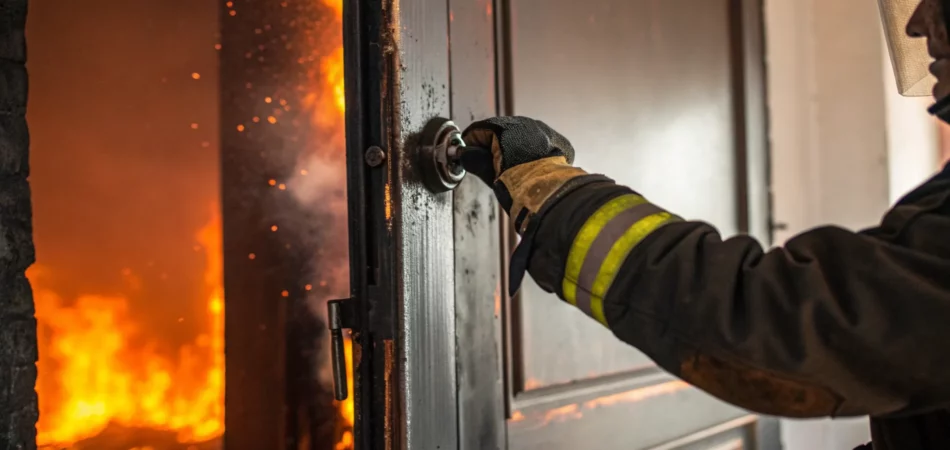
The damage from a fire goes far beyond what you can see. While charred walls and burned belongings are the most obvious signs of destruction, the hidden dangers are often more destructive. Acidic soot and smoke particles travel throughout your property, settling into walls, furniture, and ventilation systems, causing permanent staining and lingering odors. Meanwhile, the water used to fight the fire can quickly lead to structural issues and mold growth. True emergency fire damage repair addresses all these problems—the seen and the unseen. This article breaks down the entire restoration process, explaining how professionals tackle every layer of damage to make your property safe and whole again.
Key Takeaways
- Immediate Action Prevents Further Damage: The first 48 hours after a fire are the most important for recovery. A rapid response from a professional team is essential to address acidic soot and water from firefighting efforts before they cause permanent staining, corrosion, or mold growth.
- Understand the Full Scope of Damage: Effective restoration goes beyond repairing what was burned. It involves a comprehensive plan to remove invasive smoke and soot, address structural issues, and properly dry out water damage to prevent long-term problems.
- Hire a Certified and Insured Professional: Protect yourself by choosing a team that is IICRC-certified, fully licensed, and insured. These credentials guarantee the technicians are properly trained and that you are not liable for accidents or further damage during the repair process.
What Is Emergency Fire Damage Repair?
When the fire trucks leave, the sense of relief is quickly followed by a wave of uncertainty. What happens now? This is where emergency fire damage repair comes in. It’s the immediate, professional response that happens right after a fire to make your property safe and prevent any further harm. Think of it as the first aid your home or business needs. As soon as the fire department says it’s safe to enter, a restoration team should be on its way to board up broken windows, tarp any holes in the roof, and assess the full scope of the damage.
This rapid response is so important because the damage doesn’t stop when the flames are out. Acidic soot and smoke continue to settle into walls and furniture, causing permanent stains and lingering odors. Meanwhile, the water used to fight the fire can quickly lead to mold growth and structural problems. Getting a professional team on-site immediately helps stop this secondary damage in its tracks. The main goal of emergency fire and smoke restoration is to stabilize your property and create a solid plan to bring it back to the way it was.
Breaking Down the Types of Fire Damage
When you think of fire damage, you probably picture charred walls and burned belongings. While that’s a major part of it, the reality is more complex. The damage comes in several forms, and each requires a specific approach. First, there’s the obvious damage from the flames themselves, which can compromise the structural integrity of your home.
Beyond that, you have smoke and soot damage. These acidic particles travel everywhere, clinging to walls, furniture, and even getting inside your ventilation system. If left untreated, they can cause permanent staining and corrosion. Finally, there’s the water damage left behind by firefighting efforts. All that water can saturate drywall, flooring, and insulation, creating the perfect environment for mold to grow within just a day or two.
Why You Need to Act Fast
After a fire, time is not on your side. The first 24 to 48 hours are the most critical for minimizing long-term damage and recovery costs. The longer soot and smoke residue sit on surfaces, the more they will etch, stain, and discolor them. Metal fixtures can begin to tarnish and rust, and porous materials like wood and drywall will absorb odors that become much harder to remove later.
Acting quickly also addresses the immediate safety risks. A fire can weaken floors, walls, and ceilings, making the structure unsafe to enter. An emergency response team will secure the property to prevent accidents and protect it from weather or vandalism. By getting professionals on-site immediately, you kickstart the restoration process, which can significantly reduce the overall time and expense needed to get your life back to normal.
What to Expect During the Fire Damage Restoration Process
Walking through your property after a fire can feel overwhelming. It’s hard to know where to even begin. That’s where a professional restoration team comes in. The process isn’t just about cleaning up; it’s a systematic, step-by-step approach designed to safely and effectively bring your home or business back to life. From the initial safety assessment to the final touches that make your space feel like your own again, every action is carefully planned to ensure nothing is missed. You’re not just dealing with the visible charring, but also the hidden damage from smoke, soot, and water.
A professional fire and smoke restoration service handles the entire project, coordinating all the moving parts so you don’t have to. This includes dealing with soot and smoke residue, addressing water damage from firefighting efforts, and performing structural repairs. The goal is to restore your property to its pre-fire condition as efficiently as possible while keeping you informed along the way. We document every step, which is crucial for your insurance claim, and work to salvage as many of your personal belongings as possible. Understanding these steps can help demystify the process and give you a clear roadmap for what’s ahead, turning a chaotic situation into a manageable recovery plan.
Step 1: Assess Safety and Secure Your Property
Your safety is the absolute first priority. After the fire department has extinguished the blaze and declared it safe to enter, our restoration team’s first job is to conduct a comprehensive safety and damage assessment. We identify any potential hazards, from compromised structural elements to electrical risks. Once the immediate dangers are understood, we move quickly to secure your property. This often involves boarding up broken windows, covering damaged roofs with tarps, and setting up temporary fencing to prevent unauthorized access. Securing the site protects it from weather, vandalism, and further damage while we plan the restoration.
Step 2: Remove Smoke and Soot
Smoke and soot are incredibly invasive, clinging to every surface and seeping into hidden spaces. They aren’t just messy; they’re also acidic and can cause further damage and corrosion if left untreated. This step involves a meticulous deep-cleaning process using specialized equipment and techniques. Our IICRC-certified technicians carefully clean all affected surfaces, including walls, ceilings, and personal belongings. We use specific cleaning agents designed for different materials to effectively remove soot without causing additional harm. This thorough environmental cleanup is essential for preparing your property for repairs and deodorization.
Step 3: Evaluate and Repair Structural Damage
The intense heat of a fire can seriously weaken a building’s framework, compromising its structural integrity. A critical part of the restoration process is evaluating the extent of this damage. Our experts will inspect everything from the foundation and load-bearing walls to the roof trusses to determine what needs to be repaired or rebuilt. Whether it requires minor repairs or significant reconstruction, addressing structural issues is non-negotiable for ensuring the long-term safety and stability of your property. This phase of the complete restoration ensures your home or business is not just clean, but structurally sound.
Step 4: Address Water Damage from Firefighting
It’s an unfortunate irony that the water used to save your property can also cause extensive damage. Firefighting efforts can leave behind gallons of water, soaking into drywall, flooring, and insulation. If not addressed immediately, this can lead to mold growth, rot, and further structural problems. Our team begins by extracting all standing water and then uses industrial-grade air movers and dehumidifiers to thoroughly dry the affected areas. Proper water damage restoration is a crucial step in preventing long-term issues and is handled with the same urgency as the fire damage itself.
Step 5: Eliminate Odors and Restore Air Quality
Even after all the visible soot and damage are gone, a persistent smoke odor can linger, making your property feel uninhabitable. Simply cleaning and airing out the space is rarely enough. We use advanced deodorization techniques to neutralize stubborn odors at their source. This may involve using thermal foggers, which recreate the fire’s heat to penetrate the same surfaces as the smoke, or ozone treatments to break down odor molecules. By eliminating these smells and filtering the air, we restore a clean, healthy, and breathable environment, which is the final step in making your house feel like home again.
How Fast Should You Expect Help to Arrive?
After a fire, the clock starts ticking immediately. The speed of the response can dramatically change the outcome of the restoration, affecting everything from the structural integrity of your home to which personal belongings can be saved. So, when you make that critical call for help, what’s a reasonable timeframe to expect? Understanding the timeline is the first step in getting your property—and your life—back on track. It’s not just about convenience; it’s about minimizing long-term damage and costs.
What a Professional Response Time Looks Like
When you’re facing an emergency, you need help, and you need it now. A top-tier fire and smoke restoration company understands this urgency. The industry standard for a rapid response team is to be on-site within an hour of your call. At Drywizard, we commit to arriving in 45 minutes or less because we know every second counts. This immediate action isn’t just for show; it allows technicians to assess the situation, secure the property, and begin mitigating damage from soot, smoke, and the water used to extinguish the flames before it gets worse. A fast response is the hallmark of a true professional.
The Critical First 48 Hours
The first 24 to 48 hours after a fire are absolutely crucial. During this window, the real battle to save your property is won or lost. Soot and smoke residue are acidic and can quickly cause permanent staining, etching, and corrosion on surfaces. The longer they sit, the more destructive they become. Furthermore, any water damage from firefighting efforts can lead to mold growth in as little as 24 hours. Acting within this critical timeframe allows a restoration team to salvage more of your belongings, prevent secondary damage, and ultimately reduce the overall repair costs and timeline.
How to Stay Safe During the Repair Process
Your safety is the number one priority. A fire-damaged structure can be filled with hidden dangers, from compromised floors and ceilings to electrical hazards and poor air quality. It’s best to wait for professionals to declare an area safe before you re-enter. If you absolutely must go inside for a brief time, wear protective gear like an N-95 mask, heavy-duty gloves, and sturdy, closed-toe shoes. A professional team will handle the hazardous environmental cleanup and ensure the site is secure, so you don’t have to put yourself at risk. Let the experts manage the dangers while you focus on what comes next.
Understanding the Cost of Fire Damage Repair
After a fire, one of the first questions on your mind is likely, “How much will this cost to fix?” It’s a completely valid concern, but the answer isn’t a simple one. The final cost of fire damage repair depends on a combination of factors, from the extent of the flames to the type of materials in your home. Think of it less like a fixed price tag and more like a custom project. A professional restoration team will assess your specific situation to give you an accurate estimate, but understanding the key variables can help you know what to expect as you begin the recovery process.
The Scope and Type of Damage
When we talk about fire damage, it’s easy to only picture the areas burned by flames. But the reality is much more complex. The cost of restoration must account for multiple types of damage. Soot and smoke can travel far beyond the fire’s origin, settling on walls, inside air ducts, and on your personal belongings. On top of that, the water used by firefighters to extinguish the blaze can cause significant secondary damage, leading to mold growth if not addressed quickly. A thorough restoration plan will address all these issues, ensuring your home is truly clean and safe.
Your Property’s Size and Materials
The size of the affected area is a major factor in the overall cost—more square footage simply requires more labor and resources to restore. But the materials that make up your home also play a huge role. Different materials react to heat and smoke in unique ways. For example, cleaning soot from natural wood is a different process than cleaning it from drywall or synthetic carpet. Some materials might even release harmful toxins when burned, requiring specialized cleaning techniques. A professional assessment is critical to identify these challenges and create a safe and effective plan for a complete restoration.
The Specific Services You’ll Need
A comprehensive fire damage repair project involves several distinct steps, and each one contributes to the total cost. The process typically starts with securing your property by boarding up windows and covering damaged roofs. Next comes the cleanup, which includes water extraction, soot and smoke removal, and sanitizing all affected surfaces. Depending on the severity, you may also need services like hauling and debris removal, air purification to eliminate odors, and repairs to the structural elements of your home. Each service is essential for bringing your property back to its pre-fire condition.
How Insurance Coverage Factors In
For most homeowners, insurance is the key to managing restoration costs. After you file a claim, your insurance company will send an adjuster to evaluate the damage and estimate the cost of repairs. This estimate forms the basis of your payout. A professional restoration company like Drywizard can be a huge asset here, as we work directly with insurance providers. We use the same industry-standard software as most adjusters, which helps streamline the claims process and ensures all necessary repairs are documented and covered. We can help you navigate the paperwork so you can focus on getting your life back to normal.
How to Choose the Right Fire Damage Repair Team
After the shock of a fire, you’re faced with the urgent task of starting the recovery process. The team you hire to handle the restoration will be your partner in putting your home or business back together, so it’s a decision you want to get right. While it’s tempting to just pick the first name you find, taking a moment to look for a few key qualities can make a world of difference in the quality of the work and your peace of mind. You need a team that is not only skilled but also reliable, professional, and ready to act fast. This means finding experts who communicate clearly, treat your property with respect, and have a proven track record of success in the Tampa area. They should be able to handle everything from soot removal to structural repairs and even the water damage left behind by firefighters. The right company will guide you through every step, from the initial assessment to the final touches of a complete restoration, ensuring the process is as smooth as possible during a difficult time.
Look for Essential Certifications
When you’re looking for a restoration team, certifications are your proof of their expertise. Think of it as a professional’s report card. The leading certification in the industry comes from the IICRC (Institute of Inspection, Cleaning and Restoration Certification). A company with IICRC-certified technicians has invested in training its team on the latest, most effective methods for fire and smoke restoration. This means they understand the complex chemical reactions of smoke and soot and know how to properly clean different materials without causing more damage. Hiring a certified team ensures the people working on your property are true professionals who will get the job done right.
Verify Their License and Insurance
This step is an absolute must. Before you let any team begin work, confirm they are fully licensed and insured. A license proves they are a legitimate business that meets state and local requirements. Insurance is even more critical because it protects you. If a worker is accidentally injured on your property or if your property sustains further damage during the restoration process, the company’s insurance policy should cover it. Without it, you could be held liable. A professional company will always be upfront with this information and have positive customer reviews to back up their reputation. It’s a simple check that saves you from potential financial and legal headaches.
Confirm 24/7 Availability and a Fast Response
Fire damage doesn’t stick to a 9-to-5 schedule, and neither should your restoration team. The aftermath of a fire creates a ticking clock. Soot and smoke residue are acidic and can quickly cause permanent staining and corrosion, while water from firefighting efforts can lead to mold growth. That’s why you need a company that offers 24/7 emergency services and can guarantee a fast response time. The sooner professionals can get on-site to assess the damage, secure your property, and begin mitigation, the more of your home and belongings can be salvaged. A team that’s ready to go anytime, day or night, is essential for minimizing damage and costs.
Your First Steps After a Fire
The moments after a fire can feel chaotic and overwhelming. Once the immediate danger has passed and the fire department has left, you’re faced with the question, “What now?” Taking the right steps right away can make a huge difference in the recovery process. Here’s what you should focus on first.
Prioritize Safety: When to Call the Professionals
Your first instinct might be to rush inside to see the damage for yourself, but please wait. Even after the flames are out, a fire-damaged property is full of hidden hazards. Structural elements could be weakened, posing a collapse risk, and the air can be filled with toxic soot and smoke particles. The fire department will tell you when it’s safe to re-enter, but that doesn’t mean the environment is truly clean or stable.
Your very next call should be to a certified fire and smoke restoration team. Professionals have the right protective gear and equipment to safely assess the situation, identify risks you can’t see, and begin securing your property to prevent any further issues.
Common Myths About Fire Damage Repair
One of the biggest misconceptions about fire damage is that you can handle the cleanup on your own. It’s easy to underestimate the extent of the problem. Fire damage isn’t just about what’s been burned; it’s also about the pervasive soot that settles on every surface and the smoke that seeps into walls, vents, and furniture.
Scrubbing walls might seem like a solution, but improper cleaning techniques can actually push soot deeper into materials, making it impossible to remove. Professionals use specialized techniques and equipment for environmental cleanup to ensure all hazardous residues are gone for good, protecting your property and your health.
How to Document Damage for Your Insurance Claim
Before anything is moved or cleaned, you need to document everything for your insurance claim. If it is safe to enter your property, use your phone to take extensive photos and videos of the damage. Go room by room and capture the destruction from different angles. Don’t just focus on the big things; get close-ups of damaged furniture, electronics, and personal belongings.
Make a written list of everything that was damaged or destroyed. The more detailed your documentation is, the smoother your insurance claim process will be. This evidence is critical for showing your adjuster the full extent of your loss and ensuring you get the compensation you need for a complete restoration.
How You Can Help Prevent Further Damage
The first 24 to 48 hours after a fire are critical. Acting quickly can significantly reduce the amount of permanent damage to your home and belongings. While you wait for professionals to arrive, there are a few safe things you can do. If the roof is damaged, a tarp can prevent water from getting in. You can also board up broken windows or doors to secure the property from theft or weather.
Limit your movement inside the house to prevent soot particles from being ground into carpets and upholstery. Avoid turning on any electrical appliances until they’ve been checked for safety. These small actions help protect your home from secondary damage while the emergency response team is on its way.
Related Articles
Frequently Asked Questions
Can I try to clean up the soot and smoke damage myself? It’s completely understandable to want to start cleaning right away, but it’s best to wait for professionals. Soot is oily and acidic, and using the wrong cleaning products can smear the residue and push it deeper into surfaces, causing permanent stains. More importantly, soot particles can be hazardous to your health if inhaled. A professional team has the proper safety gear and specialized cleaning agents to remove soot and smoke residue safely and effectively.
How long will the entire fire restoration process take? There isn’t a one-size-fits-all answer, as the timeline really depends on the extent of the damage. A small fire contained to one room will be a much quicker project than a fire that caused significant structural issues and smoke damage throughout the entire property. Once our team completes a full assessment, we can give you a much clearer and more realistic timeline. Our focus is always on doing the job right so you can return to a safe and fully restored home.
What happens to my personal belongings that were damaged in the fire? Before you throw anything away, it’s important to have it all documented for your insurance claim. Our restoration team can help you sort through your belongings to determine what can be saved and what is unfortunately a total loss. You’d be surprised what can be restored with professional cleaning techniques, from furniture and clothing to important documents. We work to salvage as much as possible to help you keep the things that matter most.
Will my house ever smell normal again after the smoke? Yes, absolutely. That lingering smoke odor is a major concern for most people, and we take it very seriously. Getting rid of the smell for good requires more than just airing out the house. We use advanced deodorization methods, like thermal fogging, that neutralize the odor-causing particles at a molecular level. This process reaches every place the smoke did—including inside walls and ventilation systems—to permanently eliminate the odor, not just mask it.
Should I call my insurance company first, or the restoration company? In an emergency situation, your first call should be to a 24/7 restoration company like us. The most critical step after a fire is to prevent any further damage from soot and water, which is exactly what your insurance provider wants, too. We can get on-site immediately to secure your property and begin the mitigation process. We will also thoroughly document everything for your insurance claim and can help you through that process from start to finish.
Water Damage Restoration Across Tampa Bay
Drywizard Restoration & Drywall Inc. proudly serves homeowners and businesses throughout the Tampa Bay metro area. No matter where you are in the region, our IICRC-certified team can be on-site in 45 minutes or less. We provide 24/7 emergency water damage restoration in these communities:
- Water Damage Restoration in Valrico, FL
- Water Damage Restoration in Brandon, FL
- Water Damage Restoration in Riverview, FL
- Water Damage Restoration in Sun City Center, FL
- Water Damage Restoration in Citrus Park, FL
- Water Damage Restoration in Temple Terrace, FL
- Water Damage Restoration in Apollo Beach, FL
- Water Damage Restoration in Plant City, FL
- Water Damage Restoration in Lutz, FL
- Water Damage Restoration in Seffner, FL
Need immediate help? Call (813) 684-4800 for 24/7 emergency service anywhere in the Tampa Bay area.