
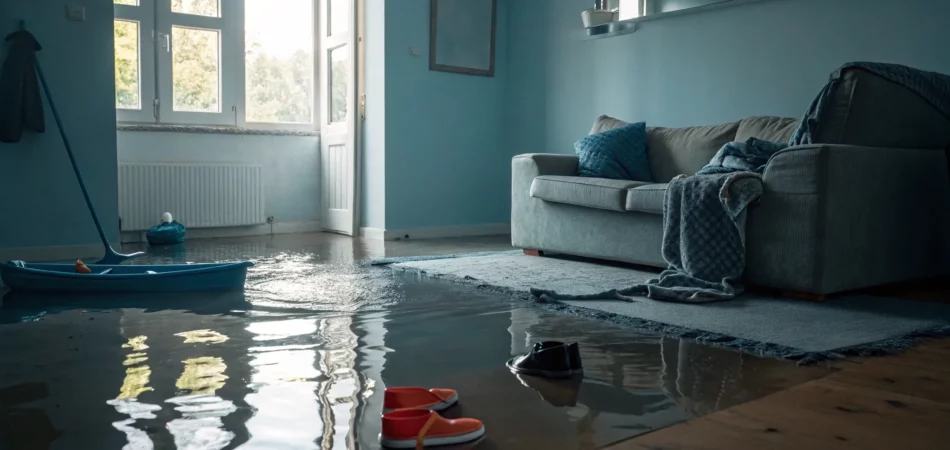
When your home floods, the damage you see is only part of the problem. The real, long-term issues are the ones that hide behind your walls and under your floors. Lingering moisture leads to warped wood, crumbling drywall, and dangerous mold growth that can affect your family’s health for years. A quick cleanup isn’t enough; you need a thorough drying process to protect your home’s structure and value. Understanding what to do when house floods is about more than just removing water—it’s about preventing these costly secondary damages. This guide explains the right way to dry out your home to ensure a complete and safe recovery.
Key Takeaways
- Focus on Safety First, Not Stuff: Your immediate priority in a flood is to turn off utilities like power and water. Treat all floodwater as contaminated and evacuate the area before attempting to save any possessions.
- Control the Damage and Document the Scene: After ensuring safety, stop the water source and move valuables to higher ground. Before you clean anything, take detailed photos and videos of all affected areas to create a clear record for your insurance claim.
- Prevent Long-Term Problems with Professional Drying: True recovery goes beyond removing visible water. To prevent hidden mold and structural damage, your home must be thoroughly dried with professional-grade equipment, as household fans can’t eliminate deep, trapped moisture.
Your Immediate Safety Checklist for a House Flood
When water is rising in your home, it’s easy to feel overwhelmed. Your first instinct might be to save your belongings, but your top priority must be your safety and the safety of your family. Before you do anything else, run through this immediate safety checklist. These steps are critical for preventing injury and securing the area until professional help can arrive. Taking a few moments to address these safety concerns first can make all the difference in a crisis.
Shut Off Utilities
The most immediate danger in a flood isn’t always the water itself—it’s the risk of electrocution or a gas leak. Before re-entering a flooded area, you need to cut the power. Find your home’s main circuit breaker and switch it off. You should also shut off the main water valve to stop more water from entering your home. If you smell gas or suspect a leak, turn off the gas supply as well. If floodwater has reached the height of your electrical outlets, do not turn the power back on yourself. It’s essential to have a qualified electrician inspect the system first to ensure it’s safe.
Evacuate if Necessary
Your personal safety is more important than any possession. If the flooding is severe, widespread, or caused by an external event like a storm, local authorities may issue an evacuation order. If you are told to leave, do so immediately. Never try to walk, swim, or drive through fast-moving floodwater, and do not attempt to drive around barricades. Even if the flooding is contained within your home from a source like a burst pipe, you should still evacuate everyone from the affected area until you’ve shut off the utilities and can assess the situation from a safe distance.
Avoid Contaminated Floodwater
It’s a mistake to assume floodwater is clean. Whether it comes from a storm, a sewer backup, or even a broken appliance, the water can be filled with dangerous contaminants. Floodwater often contains bacteria, viruses, raw sewage, chemicals, and other hazardous materials that can make you seriously ill. Direct contact with this water can lead to skin infections and other health issues. Always treat all floodwater as if it is highly contaminated and avoid touching it with your bare skin. This is especially critical when dealing with sewer backups, which pose significant health risks.
Wear Protective Gear
If you must enter the flooded area for a brief time (for instance, to turn off a utility you can safely reach), you need to protect yourself. At a minimum, wear waterproof boots and rubber or nitrile gloves. This will protect you from direct contact with contaminated water. It’s also wise to wear an N95 mask or a P100 respirator, as mold can begin to grow within 24 to 48 hours, releasing spores into the air that are harmful to breathe. Proper protective gear is a non-negotiable part of a safe water damage restoration process.
How to Minimize Damage While You Wait for Help
After you’ve called for help, it can feel like there’s nothing to do but wait. But taking a few key actions can make a huge difference in protecting your property and belongings. While our team is on its way—and we’ll be there in 45 minutes or less—these steps can help you control the situation and reduce the overall impact of the water. Your safety is the top priority, so only perform these actions if you can do so without risk. These proactive measures can help contain the damage and make the restoration process smoother once we arrive.
Find and Stop the Water Source
The single most important thing you can do is stop more water from entering your home. If you know the source—like a burst pipe or overflowing appliance—and can safely access the shut-off valve for that specific fixture, turn it off. If you can’t find the individual valve or the source is unclear, it’s best to shut off the main water supply to your house. This valve is usually located in a basement, crawl space, or on an exterior wall. Stopping the flow of water is the first step in any emergency plumbing situation and prevents a bad problem from getting much worse.
Block and Redirect Water Flow
Once the source is off, focus on containment. Your goal is to keep the water from spreading to other rooms. You can create makeshift barriers using rolled-up towels, blankets, or even aluminum foil at the bottom of doorways. If you have sandbags, now is the time to use them. For smaller leaks, use buckets and mops to soak up as much water as you can. This helps protect flooring, drywall, and furniture in unaffected areas of your home, limiting the scope of the damage we’ll need to address when we get there.
Move Valuables to Higher Ground
Quickly move important items out of the water’s path. Start with irreplaceable things like photos, documents, and electronics, and then move on to smaller furniture. If you can’t move heavy furniture out of the room, try to lift it onto wood blocks or place squares of aluminum foil under the legs. This prevents the furniture from soaking up water and stops wood stains from bleeding into your carpet. Getting valuables to a higher, drier location, like a second floor or even just up on a countertop, can save them from being ruined.
Clear Drains and Gutters
If the flooding is caused by heavy rain, check your exterior. Clogged gutters and storm drains can cause water to pool around your home’s foundation and seep inside. If it’s safe to go outside, quickly clear any leaves or debris that might be blocking water from flowing away from your property. This simple step can help redirect rainwater and prevent it from adding to your indoor flooding problem. Proper drainage is a key part of preventing extensive water damage restoration in the first place.
Document Everything for Your Insurance Claim
After you’ve made sure everyone is safe, your next focus should be on documenting the damage for your insurance claim. This part of the process is absolutely critical. When you’re looking at a water-logged room, pulling out your phone to take pictures might be the last thing on your mind, but it’s one of the most powerful steps you can take. Solid documentation is your best tool for ensuring you receive a fair and complete settlement from your insurance provider.
Think of it as building a case file. The more clear and detailed evidence you provide, the smoother the claims process will be. A thorough record helps the insurance adjuster see the full scope of the damage, preventing items from being overlooked. This diligence up front can significantly speed up your claim, helping you get the funds you need to start rebuilding your life and home.
Take Photos and Videos First
Before you move, clean, or throw anything away, document everything exactly as you found it. Grab your smartphone and take extensive photos and videos of all the affected areas. Start with wide-angle shots of each room to establish the overall scene, then move in for close-ups of specific damage. Capture the water lines on the walls, ruined furniture, damaged appliances, and warped flooring. A slow video walkthrough where you narrate what you’re seeing can also be incredibly effective for showing the full extent of the flood’s impact. This visual evidence is your strongest proof.
Create an Inventory of Damaged Items
Now, it’s time to make a detailed list of every single item that was damaged or destroyed. It’s best to tackle this room by room to stay organized. For each item, write down what it is, the brand, model number, its approximate age, and what you think it’s worth. This home inventory, from the big-ticket items down to smaller belongings, will form the basis of your personal property claim. When you pair this list with the photos you took, you give the insurance adjuster a clear and comprehensive picture of your losses, making their job—and your water damage restoration—much more straightforward.
Gather Receipts and Proof of Purchase
Your inventory list is powerful, but it’s even better when you can back it up with proof of ownership and value. Start looking for any receipts, credit card statements, or email order confirmations for your damaged belongings. These documents help substantiate the value of your items and prove what you originally paid for them. It’s okay if you can’t find a receipt for everything; that’s rarely possible. Just gather as much as you can. Even an old photo showing the item in your home can sometimes help prove you owned it.
Keep All Service and Repair Records
From this point forward, keep a dedicated folder for every bill, invoice, and receipt related to the flood. This includes the invoice from our team for emergency services, receipts for any materials you buy for temporary fixes, and bills from any other contractors you hire. This paperwork demonstrates to your insurance company that you took immediate and responsible action to mitigate further damage. It also provides a clear record of the costs involved in achieving a complete restoration of your property. Staying organized will save you major headaches later.
The Right Way to Dry Out Your Home
Once the source of the water is stopped and the immediate danger has passed, your focus needs to shift to drying everything out. This isn’t just about mopping up puddles; it’s a race against the clock to prevent the secondary damage that moisture leaves behind. Think warped hardwood floors, crumbling drywall, and that persistent musty smell that signals mold growth. Proper drying is the most critical step in protecting your property’s structure and your family’s health. While the steps below can help you get started, a professional water damage restoration team has the industrial-grade equipment to do the job quickly and thoroughly. High-speed air movers and commercial dehumidifiers remove moisture far more effectively than household fans, reaching deep into materials to ensure no hidden dampness is left behind. This professional approach is what separates a quick fix from a true recovery, ensuring your home is returned to a safe, dry state as efficiently as possible and preventing long-term problems before they can take root.
Remove All Standing Water
Before you can dry anything, you have to get rid of the standing water. For smaller incidents, you can start by using buckets and mops to remove the bulk of it. If you’re dealing with a more significant amount of water, a wet-dry vacuum is an excellent tool for sucking water out of carpets and off hard floors. For basement flooding, a sump pump is the most effective option for fast removal. The sooner you can get the standing water out, the sooner the real drying process can begin, which is essential for minimizing damage. This is a crucial first response in any emergency water damage situation.
Ventilate and Dehumidify the Area
With the standing water gone, it’s time to tackle the moisture in the air and soaked into your home’s materials. Create as much airflow as possible by opening windows and doors (as long as it’s safe and not humid outside). Set up fans—box fans, oscillating fans, any kind you have—to keep the air circulating across floors, walls, and furniture. At the same time, run a dehumidifier to pull water vapor directly from the air. Using fans and dehumidifiers together creates a powerful drying combination that speeds up evaporation and helps prevent that damp, musty smell from setting in.
Act Fast to Prevent Mold
You have a very small window to act before a water problem becomes a mold problem. Mold can begin to grow within just 24 to 48 hours of a flood, thriving in damp, dark places. Acting quickly is your best defense. Thoroughly drying every affected surface is key to stopping mold before it starts. Keep in mind that mold can hide behind walls or under flooring, where it can grow unseen. If you smell a musty odor or are concerned about hidden growth, it’s wise to call for a professional environmental cleanup to ensure your home’s air quality is safe.
Monitor Moisture Levels
Just because something feels dry to the touch doesn’t mean it’s fully dry. Moisture can linger deep inside porous materials like drywall, wood studs, and subflooring. The best way to be certain is by using a moisture meter, which provides a specific reading of the moisture content. Professionals aim to get materials back to their normal, pre-loss moisture levels, which is typically below 15%. Checking these levels is a standard part of any complete restoration project, as it guarantees the job is done right and prevents long-term issues from developing down the road.
When to Call in the Professionals
While it’s tempting to roll up your sleeves and tackle the cleanup yourself, some situations are simply too big, too complex, or too dangerous to handle alone. A house flood almost always falls into that category. Knowing when to step back and call for help is crucial for your safety, your home’s integrity, and your peace of mind. Professionals have the industrial-grade equipment, specialized training, and safety protocols to manage the situation correctly from the start. This prevents small problems from turning into costly, long-term issues like hidden mold or a compromised foundation.
If the water damage covers a large area, has been sitting for more than 24 hours, or involves potential contamination, it’s time to bring in a certified team. They can accurately assess the extent of the damage—including what’s hidden behind walls and under floors—and create a safe, efficient plan for restoration. Trying to manage a significant flood on your own can lead to missed moisture pockets and improper drying, which almost always results in bigger headaches down the road. A professional water damage restoration service not only cleans up the mess but also ensures your home is structurally sound and healthy for you and your family. They bring in powerful air movers and dehumidifiers that are far more effective than anything you could rent, ensuring a thorough drying process that protects your property.
You Suspect Structural Damage
Water is deceptively heavy and incredibly destructive. When it soaks into building materials like drywall, wood, and insulation, it can compromise the structural integrity of your home. If you see sagging ceilings, warped floors, or new cracks appearing in your walls, these are red flags that point to potential structural issues. Flooding can also cause serious damage to your home’s electrical systems, creating a major fire and electrocution hazard that you should not attempt to handle yourself. A professional team can identify these dangers and determine if your home is safe. They have the expertise to assess the full scope of the damage and begin the process of a complete restoration to make your home secure again.
The Water is Contaminated
Not all floodwater is the same. There’s a significant difference between a leak from a clean water supply line and water from a storm surge or a backed-up sewer line. If the water in your home is dirty or has an odor, you should assume it’s contaminated. This type of water, often called “black water,” can contain bacteria, viruses, and other dangerous pathogens that pose a serious health risk. Coming into contact with it can make you very sick. Professionals use personal protective equipment (PPE) and specialized techniques to safely handle hazardous situations like sewer backups. They will properly remove the contaminated water and materials, then thoroughly clean and sanitize the affected areas to ensure your home is safe.
You Want Peace of Mind with Certified Experts
Dealing with a flooded home is incredibly stressful. The last thing you need is the added worry of whether you’re cleaning it up correctly. Hiring a team of IICRC Certified experts gives you confidence that the job is being done right, according to the highest industry standards. Certified technicians understand the science behind drying and restoration, which means they know how to prevent secondary damage like mold growth. They use advanced moisture-detection tools to find hidden water and ensure every affected area is completely dry. This professional oversight is the best way to protect your investment and get the peace of mind that your home is truly clean, dry, and safe for your family.
What to Expect from Our Restoration Process
When you call us, you’re not just getting a cleanup crew; you’re getting a partner to guide you through recovery. Our process starts the moment you contact us. We prioritize a rapid response, arriving on-site to immediately assess the situation and begin mitigating the damage. We’ll explain what needs to be done, from water extraction and drying to cleaning and repairs. Throughout the process, we meticulously document everything, taking photos and detailed notes that will be essential for your insurance claim. We work quickly and efficiently to get your home back to its pre-flood condition, keeping you informed every step of the way so you always know what’s happening.
Related Articles
- 10 Tips To Secure Your Residential Property Before A Flood
- Flood Damage Restoration: A Step-by-Step Guide – Drywizard Restoration & Drywall Inc.
- House Flooded With Water? What to Do Right Now – Drywizard Restoration & Drywall Inc.
Frequently Asked Questions
What’s the absolute first thing I should do if I discover a flood? Before you even think about your belongings, your first move must be to ensure everyone’s safety. If you can safely reach your home’s main circuit breaker and water valve, shut them off immediately to prevent electrocution and stop more water from coming in. If the flooding is severe or you smell gas, evacuate everyone from the house right away and call for help from a safe location.
Is it okay to start cleaning up before the professionals arrive? You can definitely take some proactive steps as long as it’s safe to do so. Stopping the water source, moving valuables to a dry area, and using towels to block water from spreading are all great ideas. However, it’s critical that you don’t throw anything away or begin any major cleanup until you have thoroughly documented all the damage with photos and videos for your insurance claim.
Why can’t I just use my own fans and a dehumidifier to dry things out? While household fans and dehumidifiers can help with minor spills, they are no match for a significant flood. Professional restoration equipment is far more powerful and designed to pull moisture from deep within materials like drywall, subflooring, and wood framing. We also use special tools like moisture meters to find hidden dampness and ensure every corner of your home is completely dry, which is the only way to truly prevent long-term mold growth.
How can I tell if the floodwater is contaminated and unsafe? The safest approach is to assume all floodwater is contaminated. Water from a storm, a sewer backup, or even a burst pipe can pick up bacteria, chemicals, and other hazards as it moves through your home. If the water is discolored or has an odor, it’s a definite red flag. It’s best to avoid all direct contact and leave the handling and cleanup to professionals who have the proper protective gear.
What happens after I call for help? What does the restoration process look like? Once you call us, our team will be on-site quickly to assess the situation. Our first priority is to stop the damage from getting worse, which means extracting all the standing water. From there, we set up industrial-grade air movers and dehumidifiers to begin the drying process. We’ll handle the cleaning and sanitizing of the affected areas and work with you and your insurance company throughout the entire restoration to get your home back to normal.
Water Damage Restoration Across Tampa Bay
Drywizard Restoration & Drywall Inc. proudly serves homeowners and businesses throughout the Tampa Bay metro area. No matter where you are in the region, our IICRC-certified team can be on-site in 45 minutes or less. We provide 24/7 emergency water damage restoration in these communities:
- Water Damage Restoration in Valrico, FL
- Water Damage Restoration in Brandon, FL
- Water Damage Restoration in Riverview, FL
- Water Damage Restoration in Sun City Center, FL
- Water Damage Restoration in Citrus Park, FL
- Water Damage Restoration in Temple Terrace, FL
- Water Damage Restoration in Apollo Beach, FL
- Water Damage Restoration in Plant City, FL
- Water Damage Restoration in Lutz, FL
- Water Damage Restoration in Seffner, FL
Need immediate help? Call (813) 684-4800 for 24/7 emergency service anywhere in the Tampa Bay area.