
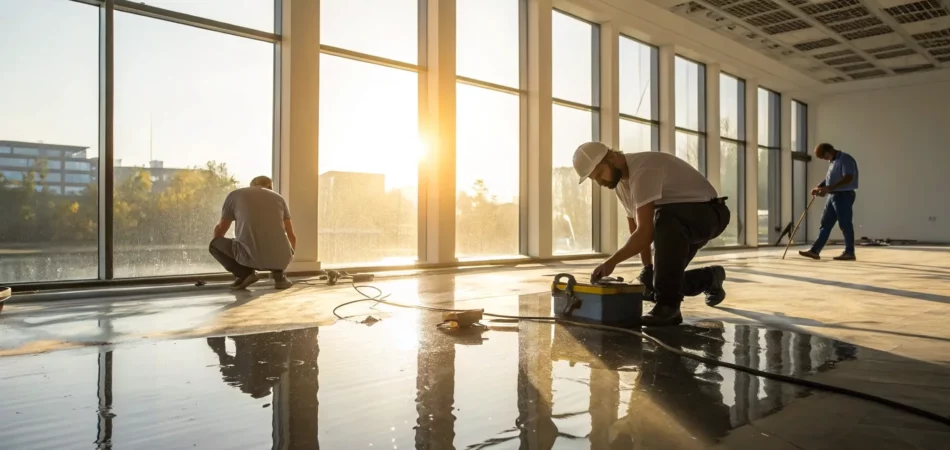
A spreading pool of water on your business’s floor is an undeniable problem, but the real damage is often what you can’t see. Moisture quickly seeps into drywall, saturates subflooring, and gets trapped in structural cavities, creating a hidden breeding ground for mold and bacteria. This unseen damage can compromise your building’s integrity and create serious health risks for your employees and customers long after the visible water is gone. That’s why professional commercial water damage repair is so critical. It’s not just about extraction; it’s a scientific process of drying, dehumidifying, and sanitizing your property to address the problem at its source. This article will explain the entire process, so you know your property is truly restored.
Key Takeaways
- Speed and Expertise Matter Most: When water damage occurs, your first call should be to a 24/7 restoration company with IICRC certification. A fast response is crucial to limit the damage, and certified pros ensure the job is done right, protecting your property from long-term issues like mold.
- Proactive Maintenance Prevents Disasters: Don’t wait for a leak to happen. Scheduling regular inspections of your roof, plumbing, and HVAC systems is the most effective way to catch small problems before they become costly emergencies that disrupt your business.
- Understand the Full Scope of Restoration: Professional water damage repair is more than just drying floors. A complete service handles everything from water extraction and mold prevention to content cleaning and fixing the original leak, ensuring a safe and thorough recovery.
What Is Commercial Water Damage Repair?
When water finds its way into your commercial property, it’s more than just a mess—it’s a threat to your business operations, your building’s structural integrity, and the health of your employees and customers. Commercial water damage repair is the systematic process of cleaning up, drying out, and restoring a property after it has been affected by water intrusion. This could be anything from a leaky pipe under a sink to widespread flooding from a burst pipe.
The main goal is to get your business back to its pre-damage condition as quickly and safely as possible. This isn’t just about mopping up the visible water. A professional team follows a structured plan to mitigate the initial damage, prevent secondary problems like mold growth, and repair any materials that were harmed. A proper commercial restoration service addresses everything from extracting standing water and drying hidden moisture to sanitizing affected areas and rebuilding damaged structures. It’s a comprehensive solution designed to minimize downtime and protect your investment.
The Different Categories of Water Damage
Not all water damage is created equal. Professionals classify it into three categories based on the water’s source and contamination level, which helps determine the right cleanup approach.
- Category 1 (Clean Water): This is water from a clean source, like an overflowing sink or a broken supply line. While it’s not immediately harmful, it can quickly become contaminated if it sits too long or mixes with other materials.
- Category 2 (Gray Water): This water is slightly contaminated and could cause illness if ingested. Think of water from a washing machine overflow or a dishwasher leak.
- Category 3 (Black Water): This is the most severe category. It’s highly contaminated water that poses serious health risks. Common sources include sewer backups and floodwaters from rivers or streams. This type of damage requires specialized procedures and protective gear to handle safely.
What to Expect: The Emergency Response Timeline
When you’re facing a water emergency, knowing what happens next can bring some peace of mind. The initial response is critical, and a professional team will follow a clear timeline.
First, you’ll make an emergency call. A dispatcher will ask key questions to understand the situation and immediately send a team to your property. From there, the crew performs an inspection and assessment. They’ll identify the water source, stop it if needed, and evaluate the extent of the damage to create a plan. Finally, the water removal process begins. Using powerful pumps and vacuums, the team will extract standing water to prevent it from spreading and kickstart the drying process. This rapid emergency water damage response is crucial for minimizing long-term issues.
What Services Do Commercial Water Damage Repair Companies Offer?
When water damage strikes your business, it’s not just about mopping up a puddle. A professional restoration company provides a comprehensive suite of services designed to handle every aspect of the crisis, from the initial emergency call to the final touches of repair. The goal is to get your business back to its pre-damage condition as quickly and safely as possible, minimizing downtime and financial loss. True commercial restoration is a multi-step process that requires specialized expertise and equipment. Here’s a look at the key services you can expect a reputable company to offer when you’re facing a water-related disaster.
Water Extraction and Structural Drying
The first and most critical step is to remove all standing water. Professionals use industrial-grade pumps and vacuums to extract water from your property quickly, preventing it from spreading further and seeping deeper into your building’s structure. Once the bulk of the water is gone, the focus shifts to drying everything out. This isn’t a job for a few household fans. Technicians use high-velocity air movers and commercial dehumidifiers to create optimal drying conditions. This process targets moisture trapped in floors, walls, and other materials, which is essential for preventing warping, swelling, and long-term structural problems. The entire water damage restoration process is carefully monitored to ensure your property is returned to its proper moisture levels.
Mold Remediation and Prevention
Where there’s water, there’s a risk of mold—and it can start growing in as little as 24 to 48 hours. A professional water damage company doesn’t just wait for mold to appear; they take proactive steps to prevent it. After the drying process, technicians inspect for any signs of microbial growth. If mold is found, they begin a safe and effective remediation process, which involves containing the area to prevent spores from spreading, removing contaminated materials, and cleaning the air. Proper environmental cleanup also includes applying antimicrobial treatments to affected surfaces to inhibit future mold growth, ensuring your property is not only dry but also safe for your employees and customers.
Content Cleaning and Restoration
Water damage affects more than just the building; it can ruin inventory, equipment, furniture, and important documents. A full-service restoration company will also manage the recovery of your business’s contents. This often involves a careful pack-out process, where salvageable items are transported to a secure facility for specialized cleaning and restoration. Using advanced techniques, technicians can clean, sanitize, and deodorize everything from office furniture to electronics. This attention to detail is part of a complete restoration plan that aims to save as many of your valuable assets as possible, reducing the overall financial impact of the disaster on your business.
Emergency Plumbing and Leak Detection
A restoration team’s job often begins by stopping the water at its source. This is why many professional companies offer emergency plumbing services. Whether you’re dealing with burst pipes, a major appliance failure, or a sewer backup, they can quickly identify and address the root of the problem to prevent further damage. Beyond immediate repairs, skilled technicians use advanced equipment for leak detection. Finding hidden leaks within walls or under floors is crucial for preventing slow, ongoing damage that can lead to mold and structural decay. By addressing the cause, not just the symptoms, they ensure a more permanent solution for your property.
How to Choose the Right Commercial Water Damage Repair Company
When your commercial property is hit with water damage, the pressure to act fast is immense. But choosing the right company is just as critical as choosing a fast one. The team you hire will be responsible for protecting your asset, minimizing downtime, and preventing long-term issues like mold and structural decay. Making a clear-headed choice in a crisis can feel overwhelming, but knowing what to look for can make all the difference. Focus on a company’s qualifications, responsiveness, and the tools they use to get the job done right the first time.
Check for Certifications and a Fast Response Time
Water damage doesn’t wait, and neither should your restoration company. Look for a team that offers a genuine 24/7 emergency service and can guarantee a rapid response time—ideally, arriving on-site in under an hour. The longer water sits, the more damage it causes to your building’s structure and contents. A swift response is the first step in effective mitigation. Beyond speed, you need expertise. Verify that the company’s technicians are certified by the Institute of Inspection, Cleaning and Restoration Certification (IICRC). This is the industry standard and ensures the team is trained in the latest, most effective restoration techniques.
Verify Their Insurance and Licensing
Before you let any crew start working on your property, you need to confirm they are fully licensed and insured. This is a non-negotiable step that protects your business from liability. Ask for proof of both general liability insurance and worker’s compensation. If an accident happens on your property during the restoration process, you want to be sure the company’s insurance will cover it, not yours. A reputable company will be upfront with this information and should provide documentation without any hesitation. Checking a company’s customer reviews can also give you a good sense of their professionalism and reliability.
Ask About Their Technology and Equipment
The quality of the restoration job often comes down to the quality of the equipment. A professional commercial restoration company will use advanced, industrial-grade technology. Ask them what kind of equipment they use. You should hear them mention things like powerful truck-mounted water extractors, high-velocity air movers, and commercial-grade dehumidifiers. These tools are essential to thoroughly dry out floors, walls, and other items to stop warping, swelling, and mold. Using the right technology ensures that moisture—even hidden moisture trapped in walls or under floors—is completely removed, which is crucial for preventing future problems.
What Does Commercial Water Damage Repair Cost?
When you’re facing a water-related disaster at your business, one of the first questions that comes to mind is, “How much will this cost?” The truth is, there’s no single price tag for commercial restoration. The final cost depends heavily on the unique circumstances of the damage. While you might see national averages online, a minor leak will cost significantly less to repair than a major event that shuts down your operations.
The price is determined by a few key variables, including the amount of water, the size of the affected area, and the types of materials that need to be dried or replaced. A professional restoration company will assess the situation thoroughly to give you an accurate estimate. They’ll classify the damage, identify the water source, and create a detailed plan to get your business back on its feet. Understanding these factors can help you make sense of the estimate and know what to expect from the restoration process.
Key Factors That Affect Repair Costs
The cost of repairs isn’t random; it’s calculated based on specific, measurable factors. The most significant is the severity of the damage, which professionals categorize into four classes. Class 1 is minimal damage, like a small spill on a tile floor. Class 4, on the other hand, involves deeply saturated materials like hardwood or concrete and requires specialized drying equipment. The type of water also plays a huge role. Clean water from a supply line is easier to handle than “black water” from a sewer backup, which is contaminated and requires extensive disinfection to make the area safe again.
How to Handle Your Insurance Claim
Dealing with an insurance claim can feel overwhelming, but a little preparation goes a long way. Start by reviewing your commercial property insurance policy. Most policies cover damage that is sudden and accidental, like a burst pipe, but may not cover damage from gradual leaks or regional flooding—that often requires a separate flood insurance policy. It’s also wise to check if you have business interruption coverage. This can be a lifesaver, as it helps replace lost income if you have to close your doors during repairs. A good restoration partner can also help by providing direct communication and documentation for your insurer.
What Documentation You’ll Need for Your Claim
To ensure your insurance claim process is as smooth as possible, documentation is your best friend. Before any cleanup begins (as long as it’s safe), take photos and videos of everything. Create a detailed list of all damaged items, from inventory and equipment to furniture and structural materials. For valuable items, gather any receipts, appraisals, or proof of purchase you have. Keeping all these documents organized in a single folder will make things much easier when the insurance adjuster asks for them. If you feel lost, don’t hesitate to contact us; we can help guide you through the requirements.
What Are the Most Common Causes of Commercial Water Damage?
Water damage in a commercial building can come from many sources, some dramatic and sudden, others slow and hidden. Understanding where the water is most likely to come from is the first step in protecting your property. From aging infrastructure to severe weather, the causes are varied, but they often fall into a few key categories. By familiarizing yourself with these common culprits, you can be more proactive with maintenance and know what to look for before a small issue becomes a full-blown disaster. Let’s walk through the four most frequent causes of water damage in commercial spaces.
Plumbing System Failures and Burst Pipes
One of the most common sources of commercial water damage is the building’s own plumbing. Over time, pipes can corrode, and seals around appliances can weaken. A sudden pressure change or a clog can easily lead to a leak or, worse, a burst pipe. Even a slow, persistent drip from a faulty pipe hidden within a wall can cause serious problems, weakening structural materials and creating the perfect environment for mold to grow. If not addressed quickly, this kind of water damage can disrupt your business operations and lead to expensive, long-term repairs. Regular inspections of your plumbing system are essential to catch these issues early.
Roof Leaks and Structural Issues
Your building’s roof is its first line of defense against the elements, but it’s also a major vulnerability. Damaged flashing, missing shingles, or clogged gutters and downspouts can allow rainwater to seep into your property. In Florida, intense storms and heavy rain put constant stress on commercial roofing systems. Many property owners make the mistake of ignoring a small leak, but even minor water intrusion can saturate insulation, damage ceilings, and compromise the building’s structural integrity over time. That’s why it’s so important to have your roof inspected regularly and address any potential problems before they lead to a major commercial restoration project.
HVAC and Equipment Malfunctions
It’s easy to forget that your heating, ventilation, and air conditioning (HVAC) system is a potential source of water damage. HVAC units naturally produce condensation, which is collected in a drain pan and removed through a condensate line. If that line becomes clogged or the pan cracks, water can overflow and leak into your ceilings and walls. Other appliances can also be at fault, from a malfunctioning commercial dishwasher to a leaking hot water tank. Keeping up with routine maintenance on your building’s equipment is a simple way to prevent these kinds of unexpected and disruptive leaks.
Sewer Backups and Flooding
Sewer backups are one of the most serious and hazardous types of water damage. When a municipal sewer line or your building’s own pipes become blocked, raw sewage can back up into your property through floor drains and toilets. This water is highly contaminated with bacteria and pathogens, posing a significant health risk to anyone in the building. This situation requires immediate professional intervention from a team that specializes in handling sewer backups. Similarly, flooding from severe weather can introduce contaminated groundwater into your property, causing widespread damage that demands a rapid and thorough emergency response.
How Can You Prevent Water Damage in Your Commercial Property?
As a business owner, the last thing you need is an unexpected shutdown due to water damage. While you can’t control the weather, you can take proactive steps to protect your property, minimize disruptions, and avoid costly repairs. Prevention is about more than just fixing leaks; it’s about creating a resilient environment for your business to thrive. By focusing on routine maintenance, smart planning, and employee education, you can significantly reduce your risk.
Think of it as an investment in your business’s continuity. A little effort now can save you from major headaches and financial strain later. Simple actions like inspecting your plumbing, training your staff on emergency procedures, and knowing who to call can make all the difference. And if an emergency does happen, having a plan in place ensures a faster, more organized recovery. For comprehensive support, a professional commercial restoration team can help you prepare for and respond to any situation.
Schedule Regular Maintenance and Inspections
The easiest way to prevent major water damage is to catch small problems before they escalate. Setting up a regular maintenance schedule is your first line of defense. This should include professional inspections of your roof, plumbing systems, and HVAC units at least once a year. In Florida, heavy rains can quickly expose a minor roof issue, and high humidity puts constant strain on your HVAC system’s drainage lines.
Create a checklist for your maintenance staff to follow monthly, including checking for visible leaks under sinks, around toilets, and near water heaters. A slow drip might seem harmless, but over time it can saturate drywall and flooring, leading to structural damage and mold. Professional leak detection services can also use specialized equipment to find hidden issues you can’t see.
Create an Emergency Plan and Use Monitoring Systems
When water damage occurs, a swift and coordinated response is critical. That’s why every commercial property needs a clear emergency plan. This document should outline exactly what to do, who to call, and where essential shut-offs for water, gas, and electricity are located. Make sure key employees are trained on this plan and that it’s easily accessible.
Consider investing in water monitoring systems or smart sensors. These devices can detect unusual moisture levels or active leaks and send an alert directly to your phone, allowing you to act before significant damage occurs. Having a strategy in place is so important that many restoration companies offer pre-disaster planning to help you prepare your business for the unexpected, ensuring you know exactly what to do when every second counts.
Prioritize Health and Safety During Repairs
Your emergency plan shouldn’t just cover logistics—it must also prioritize the health and safety of your employees and customers. Standing water can become contaminated quickly, especially if it’s from a source like a sewer backup or flood, posing serious health risks. Your plan should include clear guidelines on when to evacuate the area and when to call for professional help.
Never let staff attempt to clean up significant water damage, particularly if the water is gray or black. Professionals have the proper personal protective equipment (PPE) and specialized tools to handle hazardous situations safely. Emphasizing a “safety-first” approach ensures that a property damage issue doesn’t turn into a health crisis. A certified team can manage the entire process, from water extraction to complete restoration.
Related Articles
- Is My Water Damage New or Has It Been Around a While?
- Emergency Water Damage Cleanup: Your First Steps
- The Dangers of Delaying Water Damage Repairs
Frequently Asked Questions
What’s the very first thing I should do if I find water damage in my business? Your first priority is safety. If there’s a significant amount of water, shut off the electricity to the affected area to prevent any electrical hazards. Next, if you can safely identify and access the source of the water, like a shut-off valve for a burst pipe, turn it off. After you’ve addressed any immediate safety concerns, your next call should be to a professional restoration company. Acting quickly is key to minimizing the overall damage.
How long will the restoration process take? I’m worried about business downtime. The timeline really depends on the extent of the damage. A small leak in one room might only take a few days, while a major event affecting multiple floors could take weeks. The process involves several stages: water extraction, drying and dehumidifying, cleaning, and then the final repairs. A professional team will be able to give you a more accurate timeline after their initial assessment, and they will work to get your business operational again as efficiently as possible.
Can I handle a small leak myself to save money? While it might be tempting to clean up a minor spill on your own, it’s often not the best idea. The real problem with water damage isn’t the water you can see, but the moisture that gets trapped in walls, under flooring, and in other hidden spaces. Without professional drying equipment, this hidden moisture can lead to mold growth and structural decay, which will cost much more to fix down the road.
Is water damage from a storm the same as flood damage for my insurance? This is a great question, and the answer is usually no. In the world of insurance, “water damage” typically refers to water from internal sources, like a burst pipe or a faulty appliance. “Flood damage” is defined as water from a natural source that covers normally dry land, like from a hurricane storm surge or overflowing river. Most standard commercial property policies do not cover flood damage, which requires a separate policy.
What happens to my business’s inventory and equipment during the restoration? A professional restoration company will help you manage your business’s contents. Their team will assess everything to determine what can be saved. Salvageable items, like documents, electronics, and furniture, are often carefully packed and moved to a secure facility for specialized cleaning, sanitizing, and restoration. The goal is to recover as many of your valuable assets as possible to reduce the financial impact on your business.
Water Damage Restoration Across Tampa Bay
Drywizard Restoration & Drywall Inc. proudly serves homeowners and businesses throughout the Tampa Bay metro area. No matter where you are in the region, our IICRC-certified team can be on-site in 45 minutes or less. We provide 24/7 emergency water damage restoration in these communities:
- Water Damage Restoration in Valrico, FL
- Water Damage Restoration in Brandon, FL
- Water Damage Restoration in Riverview, FL
- Water Damage Restoration in Sun City Center, FL
- Water Damage Restoration in Citrus Park, FL
- Water Damage Restoration in Temple Terrace, FL
- Water Damage Restoration in Apollo Beach, FL
- Water Damage Restoration in Plant City, FL
- Water Damage Restoration in Lutz, FL
- Water Damage Restoration in Seffner, FL
Need immediate help? Call (813) 684-4800 for 24/7 emergency service anywhere in the Tampa Bay area.