
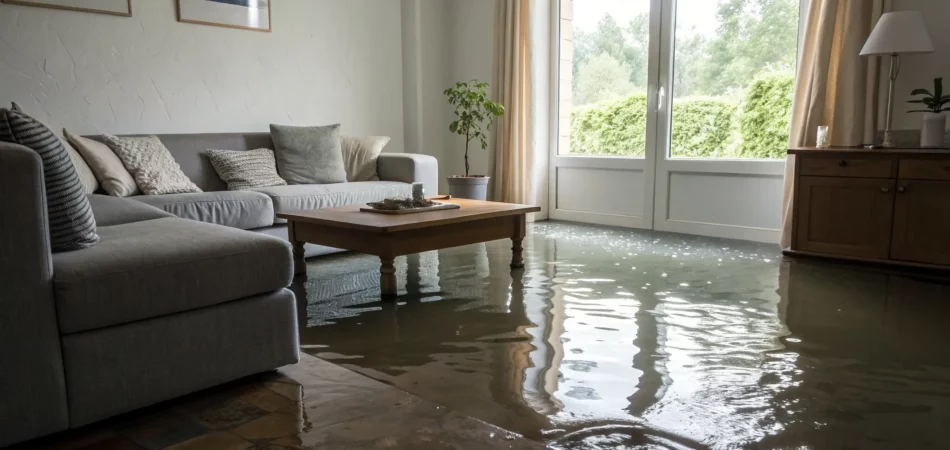
Finding unexpected water in your home is more than just a mess; it’s a race against the clock. Every minute that passes allows moisture to seep deeper into your floors, walls, and foundation, creating the perfect environment for mold and structural problems. Taking the right steps immediately can save you thousands of dollars and a lot of future headaches. This article is your emergency action plan. We’ll cover the essential first moves you need to make, explain what a professional residential water damage restoration service actually does, and give you the knowledge to make smart, confident decisions during a very stressful time.
Key Takeaways
- Act Immediately, But Safely: The moment you find water, your priority is to stop the source by shutting off the main water valve and cutting power to the area. Once the scene is safe, call for professional help right away to minimize damage.
- Professionals Address Hidden Dangers: A DIY cleanup only removes visible water, leaving moisture trapped in walls and floors. A professional service uses specialized equipment to find and eliminate all moisture, preventing mold growth and long-term structural rot.
- Vet Your Restoration Team Carefully: Look for IICRC certification, a guaranteed fast response time, and transparent estimates when choosing a company. A reputable team will not only restore your home but also help you manage the insurance claim process.
What Is Residential Water Damage Restoration?
When you find water where it shouldn’t be in your home, it’s easy to feel overwhelmed. Residential water damage restoration is the professional process of getting your home back to the way it was before the incident. It’s much more than just mopping up a puddle; it’s a systematic approach to assess, clean, dry, and repair everything affected. Whether the problem came from a sudden storm, a leaky dishwasher, or a burst pipe, the goal is to restore your home safely and completely.
This process involves specialized equipment and expertise to handle everything from removing standing water to preventing long-term issues like mold growth and structural damage. A professional water damage restoration team takes the guesswork out of a stressful situation, ensuring every step is handled correctly so you can get your life back to normal. Understanding what this process entails can help you feel more in control when disaster strikes.
The Different Categories of Water Damage
Not all water is the same, and knowing the difference is key to a safe cleanup. Professionals classify water damage into three categories based on the contamination level.
- Category 1: Clean Water. This is the least hazardous type and comes from sources like overflowing sinks, broken water supply lines, or rainwater. While it’s not immediately harmful, it can quickly become contaminated if it sits too long or mixes with other materials.
- Category 2: Gray Water. This water is already contaminated and can cause illness. Think of water from a washing machine overflow or a leaky dishwasher. It contains detergents, soap, or other contaminants.
- Category 3: Black Water. This is the most dangerous category. It’s grossly contaminated and contains harmful bacteria and pathogens. Common sources include sewer backups and floodwaters from rivers or streams. Black water requires professional handling and specialized safety gear.
An Overview of the Restoration Process
When you call in a professional team, they follow a proven, multi-step process to bring your home back to life. First, they’ll arrive quickly to assess the extent of the damage and create a plan. The next immediate step is to extract all standing water using powerful pumps and vacuums.
Once the excess water is gone, the real drying begins. Technicians use industrial-grade dehumidifiers and air movers to dry out walls, floors, and other affected materials. They’ll also clean and sanitize all salvageable items to prevent mold and bacteria. The final stage is the complete restoration, which can involve minor repairs like replacing drywall or major reconstruction, depending on the severity of the damage.
Common Water Damage Myths, Debunked
There’s a lot of misinformation out there about water damage, and believing it can lead to costly mistakes. Let’s clear up a few common myths.
One major myth is that you can handle water damage yourself. While a small spill is manageable, significant water intrusion requires professional equipment to remove hidden moisture and prevent mold. Another misconception is that your insurance policy automatically covers all water damage. In reality, coverage often depends on the source of the water and whether the damage resulted from a sudden accident or poor maintenance.
Finally, some people believe they should wait for things to dry out on their own before calling for help. This is the worst thing you can do. The clock starts ticking the moment the water appears. Immediate action is critical to prevent secondary damage, which is why a rapid emergency water damage response is so important.
Your First Steps After Discovering Water Damage
Finding water in your home is stressful, but what you do in the first few minutes can make a huge difference. Taking immediate, correct action can protect your family, minimize damage, and make the restoration process smoother. Before you even think about cleanup, there are a few critical tasks you need to handle. Think of this as your emergency checklist to get control of the situation quickly and safely while you wait for professional help to arrive.
Prioritize Safety: Shut Off Utilities and Power
Before you do anything else, make the area safe. Water and electricity are a dangerous combination, so if you can safely reach your home’s main water shut-off valve, turn it off immediately. Next, head to your circuit breaker box and cut the power to the affected rooms. If you have to walk through standing water to get to the breaker box, don’t risk it—wait for a professional. This single step prevents the risk of electric shock and contains the source of the problem.
Document the Damage for Your Insurance Claim
Once the immediate danger is handled, grab your phone and start documenting everything. Before moving a single item, take plenty of photos and videos of the affected areas and all damaged belongings. Get wide shots of the rooms and close-ups of soaked carpets, warped furniture, and damaged walls. This evidence is essential for your insurance claim and will help ensure you get the compensation you need for repairs. Your insurer will want to see the initial state of the damage, so don’t skip this step.
Call for Professional Help Right Away
With water damage, time is not on your side. The longer water sits, the more it soaks into your home’s structure, leading to bigger problems like wood rot and mold growth. As soon as you’ve handled the safety concerns, call for emergency water damage services. A professional team has the industrial-grade equipment and expertise to properly extract the water and thoroughly dry the area. Acting fast is the best way to prevent secondary damage and keep restoration costs from climbing.
Why DIY Cleanup Can Make Things Worse
Your first instinct might be to grab towels and a shop vac, but a DIY approach often causes more harm than good. While you can remove surface water, moisture easily gets trapped in places you can’t see, like inside walls and under floorboards. This hidden dampness is the perfect breeding ground for mold, which can grow in as little as 24 hours. Professionals use specialized tools to find and eliminate all hidden moisture. Proper water damage restoration is a science, and leaving it to the experts protects your property and your health.
What Do Professional Restoration Services Include?
When you call in a professional team, you’re getting much more than a crew with a wet-dry vac. True water damage restoration is a multi-step process designed to handle the immediate crisis and prevent long-term problems like structural damage and mold. A certified team assesses the situation, creates a plan, and uses specialized equipment to return your home to its pre-damage condition safely and efficiently.
From the moment they arrive, professionals take control, which can be a huge relief when you’re feeling overwhelmed. They work through a systematic process that includes removing standing water, thoroughly drying every affected surface, sanitizing the area, and performing necessary repairs. This comprehensive approach ensures no moisture is left behind to cause hidden issues down the road. It’s about restoring not just your property, but also your peace of mind.
Emergency Water Extraction and Removal
The first and most critical step is to get the water out—fast. Professional crews use powerful, truck-mounted pumps and vacuums to extract standing water from your home, whether it’s a flooded basement or a saturated living room. This rapid removal is key to minimizing damage to your floors, walls, and furniture. Unlike shop vacs, this industrial-grade equipment can handle large volumes of water quickly, which is essential when you’re dealing with a major leak or burst pipes. The goal is to stop the water from spreading and seeping deeper into your home’s structure.
Complete Drying and Dehumidification
Once the standing water is gone, the real drying process begins. Water hides everywhere—in drywall, under floorboards, and within insulation. Professionals use specialized tools like moisture meters and thermal imaging cameras to find these hidden pockets of moisture. They then set up high-velocity air movers and industrial-grade dehumidifiers to circulate air and pull every last bit of moisture from the environment and affected materials. This step is crucial because simply letting things “air dry” is a recipe for mold growth and structural rot. Proper drying ensures your home is returned to a safe, stable state.
Mold Remediation and Prevention
Where there’s water, mold is often not far behind. It can begin to grow in as little as 24 to 48 hours after water damage occurs, posing health risks and causing musty odors. A professional restoration service includes a thorough inspection for mold. If any is found, they will perform a safe and complete environmental cleanup to remove it. They also apply antimicrobial treatments to affected surfaces to sanitize the area and prevent future mold colonies from forming. This proactive step protects both your property and your family’s health.
Structural Repairs and Reconstruction
Water damage often goes beyond soaked carpets. It can compromise drywall, warp flooring, and weaken structural supports. A full-service restoration company doesn’t just dry your home; they rebuild it. This can involve anything from replacing sections of drywall and installing new flooring to more significant structural repairs. Having a team that can handle the entire process, from initial cleanup to final reconstruction, simplifies everything. It means you won’t have to juggle multiple contractors to get your home back to normal, ensuring a seamless and stress-free complete restoration.
Cleaning and Restoring Your Belongings
Your home is filled with items that matter to you, from furniture and rugs to photos and documents. Professional restoration teams are trained in techniques to clean and salvage personal belongings affected by water damage. Using specialized cleaning methods, they can often restore items you might have thought were lost for good. They carefully treat everything from upholstered furniture to electronics, working to bring them back to their pre-damage condition. This focus on restoring your possessions, not just the structure of your house, is a compassionate part of the process that helps you feel whole again.
How to Choose the Right Restoration Company
When your home is flooded, the last thing you want is the added stress of finding a reliable contractor. Choosing the right team is critical for getting your home back to normal safely and efficiently. A great restoration company does more than just remove water; they provide peace of mind. They should be certified, responsive, and transparent from the first call to the final walkthrough. Taking a few moments to vet your options can save you from bigger headaches and higher costs down the road. Here are five key things to look for when making your decision.
Look for IICRC Certification and Proper Licensing
Think of certifications as a company’s report card. While Florida doesn’t require specific licenses for restoration work, the most professional and credible companies invest in them. The gold standard is the Institute of Inspection Cleaning and Restoration Certification (IICRC). This certification means the technicians have been formally trained in the best practices for cleanup and restoration. An IICRC Certified team has the proven knowledge to properly assess and handle water damage, ensuring the job is done right the first time. Don’t be afraid to ask a potential company to show you their credentials; a reputable business will be proud to share them.
Verify Their 24/7 Emergency Response Time
Water damage doesn’t wait for business hours, and neither should your restoration company. The longer water sits, the more damage it causes, leading to warped floors, ruined drywall, and the potential for mold growth in as little as 24 hours. You need a company that offers a true 24/7 emergency response. Ask them for their guaranteed response time. A company that can promise to be on-site in under an hour is dedicated to minimizing damage to your property. Quick action is the most important factor in a successful water damage restoration project.
Ask How They Handle Insurance Claims
Dealing with an insurance claim can be one of the most confusing parts of the restoration process. A top-tier restoration company will help you through it. They should be experienced in working with all major insurance providers and be able to document the damage thoroughly. Ask them how they handle the claims process. Will they communicate directly with your insurance adjuster? Can they help you with the required paperwork? A company that assists with your claim can lift a huge weight off your shoulders and help ensure you get the coverage you’re entitled to.
Read Customer Reviews and Testimonials
Before you hire anyone, see what past customers have to say. Look for reviews on third-party sites like Google, Yelp, and the Better Business Bureau (BBB) to get an unbiased picture of their work. While a perfect record is rare, you should see a consistent pattern of positive feedback regarding their professionalism, communication, and quality of work. Pay attention to how the company responds to any negative feedback. Reading through customer reviews gives you real-world insight into what you can expect and helps you find a company with a proven track record of happy clients.
Insist on a Transparent, Detailed Estimate
A trustworthy company will always provide a clear, detailed, and professional estimate before starting any work. Be wary of vague quotes or anyone who pressures you to sign a contract on the spot. The estimate should itemize the services required, from water extraction to material replacement, so you know exactly what you’re paying for. This transparency protects you from surprise charges later on. A willingness to walk you through the estimate and answer all your questions is a great sign that you’re dealing with a professional team you can trust to handle your complete restoration.
Understanding the Cost of Water Damage Restoration
When you’re standing in a puddle in your living room, the last thing you want to worry about is a surprise bill. While every situation is unique, understanding what goes into the cost of water damage restoration can give you some peace of mind and help you make informed decisions. The final price tag isn’t arbitrary; it’s based on a careful assessment of the damage and the work required to make your home safe and dry again.
Several key factors come into play, from the type of water involved to the size of the affected area. A professional team will walk you through a detailed estimate before any work begins, so you know exactly what to expect. Let’s break down the main components that determine the cost.
Factors That Influence the Final Price
No two water damage scenarios are exactly alike, which is why the cost can vary so much. The price depends heavily on the specifics of your situation. One of the biggest factors is the type of water. A leak from a clean supply line is very different from a flood containing groundwater or a problem involving sewer backups. Contaminated water requires more intensive cleaning and safety protocols.
Other key factors include the size of the affected area and how long the water has been sitting. A small, contained leak caught quickly will cost significantly less to fix than a basement that has been flooded for days. The extent of the damage to materials like drywall, flooring, and insulation also plays a major role in the final cost.
A Look at Average Restoration Costs
It’s helpful to have a general idea of what other homeowners have paid for restoration services. On average, water damage cleanup and drying costs around $3,860, with most people paying somewhere between $1,383 and $6,370. It’s important to remember that these figures typically cover the initial cleanup—water extraction, drying, and dehumidifying—but not major repairs.
If the damage requires replacing drywall, installing new carpet, or other significant reconstruction, the costs will be higher. The best way to get an accurate picture of your specific expenses is to get a detailed, on-site estimate from a certified professional. A transparent quote will break down every step of the process, so there are no surprises later on.
How Insurance Coverage Plays a Role
Your homeowners insurance policy can be a huge help in covering the costs of water damage, but coverage isn’t always guaranteed. It really depends on the source of the damage. Most standard policies cover sudden and accidental events, like a burst pipe or a washing machine overflow. However, they often exclude damage from gradual leaks, poor maintenance, or regional flooding (which usually requires a separate flood insurance policy).
Navigating an insurance claim can feel overwhelming, especially when you’re already stressed. An experienced restoration company can document the damage thoroughly and communicate directly with your insurance adjuster to help streamline the process. Be sure to review your policy and speak with your agent to understand what is and isn’t covered.
Potential Hidden or Long-Term Expenses
Putting off professional restoration might seem like a way to save money, but it almost always costs more in the long run. Water that isn’t properly removed can lead to serious hidden problems. Within just 24 to 48 hours, mold can begin to grow, posing health risks and requiring specialized remediation. Lingering moisture can also cause structural damage, warping floorboards, crumbling drywall, and even compromising your home’s foundation.
The longer you wait, the more extensive and expensive the repairs become. A small leak can turn into a major disaster if it’s not addressed immediately. Calling for emergency water damage services as soon as you spot a problem is the best way to protect your property and your wallet from these escalating costs.
How to Prevent Future Water Damage in Your Home
Going through the water damage restoration process is stressful enough; the last thing you want is to do it all over again. While you can’t prevent every possible accident, taking proactive steps to protect your home can save you a whole lot of time, money, and heartache down the road. Think of it as a simple home maintenance routine that safeguards your biggest investment and gives you incredible peace of mind. You don’t need to be a home improvement expert to make a real difference.
Focusing on a few key areas of your property can dramatically lower your risk. Your home’s plumbing system, its exterior defenses like the roof and gutters, and even some simple modern technology can all work together to keep water exactly where it belongs. By making these checks a regular part of your routine, you can catch small issues before they spiral into major disasters. This section will walk you through actionable strategies for maintaining your plumbing, inspecting your home’s exterior, using early warning systems, and preparing for Florida’s unique weather patterns. A little prevention goes a long way in keeping your home safe, dry, and comfortable for years to come.
Maintain Your Plumbing System
Your home’s plumbing is a complex network, and even a tiny issue can lead to significant damage. Make it a habit to regularly check for slow drips under sinks, behind the toilet, and around your water heater. Don’t forget the appliance hoses for your washing machine and dishwasher, as these can become brittle over time. If you notice a sudden, unexplained spike in your water bill, it could be a sign of a hidden problem. Addressing a small leak right away is much easier and cheaper than dealing with a full-blown crisis. If you suspect a leak but can’t find the source, professional leak detection services can pinpoint the exact location without tearing up your walls.
Regularly Inspect Your Roof and Gutters
Your roof and gutters are your home’s first line of defense against the elements, especially during Florida’s heavy rains. Clogged gutters can cause water to overflow and seep into your roofline, walls, and even your foundation. At least twice a year, make sure your gutters are clear of leaves and debris so water can flow freely away from your home. It’s also wise to visually inspect your roof for any missing, cracked, or damaged shingles, particularly after a major storm. These small vulnerabilities can allow water to penetrate your attic and ceilings, leading to slow-developing but serious water damage restoration needs. Taking care of these exterior elements is crucial for keeping your interior dry.
Install Early Warning Leak Detectors
Technology can be a fantastic ally in protecting your home. Consider placing smart water leak detectors in high-risk areas like the laundry room, basement, and near major appliances like your water heater and sump pump. These small, often inexpensive sensors can detect the presence of moisture and immediately send an alert to your smartphone. This early warning gives you a critical head start to shut off the water and address the problem before it becomes a catastrophe, especially if you’re away from home. Think of it as a smoke detector for water—a simple tool that provides priceless peace of mind and is a key part of any pre-disaster planning.
Prepare Your Home for Seasonal Weather
Living in the Tampa area means preparing for hurricane season and heavy summer downpours is a non-negotiable part of homeownership. Before the rainy season kicks in, take a walk around your property. Trim any tree branches that hang over your roof to prevent them from falling and causing damage during a storm. Check the seals around your windows and doors to ensure they are watertight and free of cracks. Having a plan and taking these preparatory steps can significantly reduce your risk of facing emergency water damage when a big storm rolls through. A little preparation now can prevent a major cleanup effort later.
Related Articles
- Emergency Water Damage Cleanup: Your First Steps
- How to Choose a Water Damage Restoration Company
- Is My Water Damage New or Has It Been Around a While?
Frequently Asked Questions
How long does the whole water damage restoration process take? There isn’t a single timeline, as every situation is different. The initial drying phase, which involves water extraction and setting up professional drying equipment, typically takes a few days. The full restoration, including any necessary repairs like replacing drywall or flooring, can take anywhere from a week to several months depending on the extent of the damage. A professional team will be able to give you a much clearer timeline after they’ve assessed your home in person.
Is it safe to stay in my home while the restoration is happening? Your safety is the top priority, and the answer really depends on the situation. For a small, contained leak involving clean water, you might be able to stay. However, if the damage is widespread, involves contaminated “black water,” or if the equipment noise is too disruptive, it’s often best to make other arrangements. The restoration team will assess all the safety factors, like electrical hazards or air quality, and give you a clear recommendation.
Can I really just use fans to dry out a wet room myself? While it might seem like a good first step, household fans are no match for the moisture that gets trapped deep inside walls, subfloors, and insulation. Professional restorers use high-powered air movers and commercial-grade dehumidifiers that are specifically designed to pull moisture out of these hidden spaces. Relying on fans alone often leads to incomplete drying, which is a perfect recipe for mold growth and long-term structural problems.
My insurance company wants me to use their preferred contractor. Do I have to? This is a great question, and the answer is no. As the property owner, you have the right to choose the licensed and certified restoration company you want to work with. While your insurer’s recommendation can be a starting point, you should always select the company you feel most comfortable with and trust to advocate for your best interests throughout the claims and repair process.
What happens to my furniture and other belongings? A professional team works to save as much as possible. They will carefully move your belongings to a safe, unaffected area of your home or to a secure off-site facility. Items that can be salvaged are then thoroughly cleaned, sanitized, and deodorized using specialized techniques. For items that are too damaged to be saved, the team will help you document them properly for your insurance claim.